


 Home
Anthropic’s Accidental Action Leads to Widespread GitHub Ban of 81,000 Code Repositories
On April 1, 2026, Anthropic, a globally renowned AI research organization, inadvertently led to the suspension of around 8,100 GitHub repositories as a result of an error during a comprehensive copyright cleanup initiative. The issue arose when a software developer noticed on Tuesday that Anthropic had unintentionally exposed the core source code for its newly launched command-line tool Claude Code. Shortly after, this code was rapidly shared among AI enthusiasts, who created numerous repositories to examine the underlying large language model logic used by the application.

In response to the leakage of its critical assets, Anthropic filed a takedown request with GitHub under U.S. digital copyright regulations. However, due to a technical execution issue, the cleanup process went beyond what was intended, affecting not only repositories containing infringing code but also a substantial number of legitimate public code repositories. Boris Cherny, the lead developer behind Claude Code, issued a public apology, acknowledging that the widespread suspension was an accident and promptly withdrew most of the takedown requests. As of now, aside from one main repository and 96 confirmed branches containing the leaked source code, the affected repositories have gradually regained access.
Although Anthropic took swift action to minimize the impact of this incident, it exposed weaknesses in its code compliance management and copyright enforcement processes at a time when the company was preparing for an IPO. For leading AI firms seeking to go public, source code leaks and the resulting consequences pose a threat not only to their technical advantages but also serve as a rigorous test of their operational capabilities and compliance practices. This incident underscores the critical importance of securing developer tools and ensuring accurate copyright protection measures in the fast-paced environment of generative AI development.
Related article
 Xiaomi’s Self-Developed Input Method Features Built-In Large Model for System-Level AI Correction
Xiaomi has rolled out the澎湃 OS3 Beta update to internal testers, featuring the highly anticipated debut of its proprietary system-level keyboard. This isn't just a standard typing tool; it's deeply woven into the OS's core, leveraging the device's AI
Data Center Boom Fuels US Grid Innovation
The rapid expansion of artificial intelligence has triggered a massive spike in national energy consumption. While critics argue this surge is straining the nation’s aging electrical infrastructure, concerns persist that short-term power shortages co
OpenAI Launches Open-Source Codex Security CLI to Uncover Vulnerabilities in CI
On July 29, OpenAI introduced a specialized security scanning tool for code repositories. Named Codex Security CLI, this open-source command-line utility is designed to help developers scan codebases, detect and verify security vulnerabilities, and s
Related Special Topic Recommendations
Design & Art
 Top AI Illustration Tools: Create Editorial Scenes and Cover Art Faster
2026 Latest Top-rated AI Illustration Tools: Our curated list features the best powerfully designed tools for creating stunning editorial scenes and eye-catching cover art quickly. Each option has gone through rigorous real-world tests, offering a free vs paid comparison to help you find the perfect match for your workflow. Try these must-try solutions today to unlock your AI edge and boost your creative productivity. Explore now at XIX.AI.
 10 tools
 xix.ai
Education and Learning
Top AI Tutors for Exam Prep: Practice Math, Science, and English
2026 Latest Top-Rated Best AI Tutors for Exam Prep are here on XIX.AI! Our curated list features powerful game-changing tools that offer free vs paid comparison, real-world tests, and weekly updated rankings. They help boost your writing efficiency, simplify complex topic learning, and unlock your academic potential. Explore now to Discover your perfect exam prep tool and Start creating today to Unlock your AI edge!
10 tools
xix.ai
Finance
AI Budget Planning Tools for Personal Money Management
2026 Latest Best Top-Rated AI Budget Planning Tools for Personal Money Management are here on XIX.AI! This curated collection features powerful, game-changing solutions that help you conduct real-world tests, understand spending habits, and create personalized plans to boost productivity. Enjoy a free vs paid comparison along with detailed rankings. Must-try tools designed to simplify money management and unlock your AI edge. Explore now!
11 tools
xix.ai
Health & Wellness
AI Sleep Tracking Assistants: Improve Recovery with Better Bedtime Habits
2026 Latest Best Top-Rated AI Sleep Tracking Assistants curated for ultimate recovery. This fully updated weekly guide features powerful tools that deliver real-world tests, free vs paid comparison, and detailed rankings to help you find the must-try solution that boosts sleep quality and supports better bedtime habits. Explore now at XIX.AI to Unlock your AI edge.
10 tools
xix.ai
Data Analysis
AI SQL Copilots for Product and Revenue Analytics
2026 Latest Best Top-Rated AI SQL Copilots for Product and Revenue Analytics! XIX.AI has curated a powerful, game-changing collection of must-try tools that undergo real-world tests through weekly updated rankings. These tools help users boost productivity significantly by accelerating data analysis, streamlining complex queries, and generating accurate insights to drive smarter business decisions. Explore now to Discover your perfect tool for unlocking your AI edge!
14 tools
xix.ai
Education and Learning
Best AI Homework Helpers That Teach: Learn Concepts, Not Just Answers
2026 Latest Best Top-Rated AI Homework Helpers That Teach Core Concepts Not Just Answers Powerful Tools for Students Must-Try Curated List Weekly Updated Free vs Paid Comparison Real-World Tests Accurate Rankings to Help You Unlock Your Full Learning Potential Explore now to Discover your perfect tool for smarter studying.
10 tools
xix.ai

 Comments (0)
0/500
On April 1, 2026, Anthropic, a globally renowned AI research organization, inadvertently led to the suspension of around 8,100 GitHub repositories as a result of an error during a comprehensive copyright cleanup initiative. The issue arose when a software developer noticed on Tuesday that Anthropic had unintentionally exposed the core source code for its newly launched command-line tool Claude Code. Shortly after, this code was rapidly shared among AI enthusiasts, who created numerous repositories to examine the underlying large language model logic used by the application.
In response to the leakage of its critical assets, Anthropic filed a takedown request with GitHub under U.S. digital copyright regulations. However, due to a technical execution issue, the cleanup process went beyond what was intended, affecting not only repositories containing infringing code but also a substantial number of legitimate public code repositories. Boris Cherny, the lead developer behind Claude Code, issued a public apology, acknowledging that the widespread suspension was an accident and promptly withdrew most of the takedown requests. As of now, aside from one main repository and 96 confirmed branches containing the leaked source code, the affected repositories have gradually regained access.
Although Anthropic took swift action to minimize the impact of this incident, it exposed weaknesses in its code compliance management and copyright enforcement processes at a time when the company was preparing for an IPO. For leading AI firms seeking to go public, source code leaks and the resulting consequences pose a threat not only to their technical advantages but also serve as a rigorous test of their operational capabilities and compliance practices. This incident underscores the critical importance of securing developer tools and ensuring accurate copyright protection measures in the fast-paced environment of generative AI development.








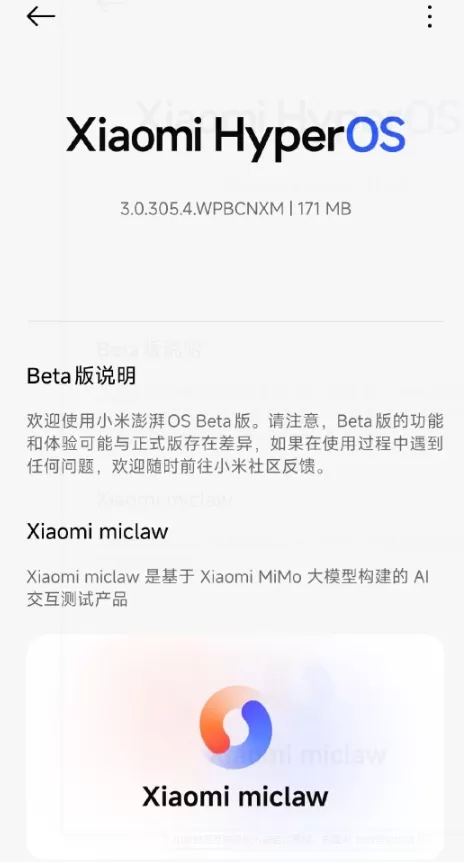 Xiaomi’s Self-Developed Input Method Features Built-In Large Model for System-Level AI Correction
Xiaomi has rolled out the澎湃 OS3 Beta update to internal testers, featuring the highly anticipated debut of its proprietary system-level keyboard. This isn't just a standard typing tool; it's deeply woven into the OS's core, leveraging the device's AI
 Data Center Boom Fuels US Grid Innovation
The rapid expansion of artificial intelligence has triggered a massive spike in national energy consumption. While critics argue this surge is straining the nation’s aging electrical infrastructure, concerns persist that short-term power shortages co
 OpenAI Launches Open-Source Codex Security CLI to Uncover Vulnerabilities in CI
On July 29, OpenAI introduced a specialized security scanning tool for code repositories. Named Codex Security CLI, this open-source command-line utility is designed to help developers scan codebases, detect and verify security vulnerabilities, and s

2026 Latest Top-rated AI Illustration Tools: Our curated list features the best powerfully designed tools for creating stunning editorial scenes and eye-catching cover art quickly. Each option has gone through rigorous real-world tests, offering a free vs paid comparison to help you find the perfect match for your workflow. Try these must-try solutions today to unlock your AI edge and boost your creative productivity. Explore now at XIX.AI.
10 tools
xix.ai

2026 Latest Top-Rated Best AI Tutors for Exam Prep are here on XIX.AI! Our curated list features powerful game-changing tools that offer free vs paid comparison, real-world tests, and weekly updated rankings. They help boost your writing efficiency, simplify complex topic learning, and unlock your academic potential. Explore now to Discover your perfect exam prep tool and Start creating today to Unlock your AI edge!
10 tools
xix.ai

2026 Latest Best Top-Rated AI Budget Planning Tools for Personal Money Management are here on XIX.AI! This curated collection features powerful, game-changing solutions that help you conduct real-world tests, understand spending habits, and create personalized plans to boost productivity. Enjoy a free vs paid comparison along with detailed rankings. Must-try tools designed to simplify money management and unlock your AI edge. Explore now!
11 tools
xix.ai

2026 Latest Best Top-Rated AI Sleep Tracking Assistants curated for ultimate recovery. This fully updated weekly guide features powerful tools that deliver real-world tests, free vs paid comparison, and detailed rankings to help you find the must-try solution that boosts sleep quality and supports better bedtime habits. Explore now at XIX.AI to Unlock your AI edge.
10 tools
xix.ai

2026 Latest Best Top-Rated AI SQL Copilots for Product and Revenue Analytics! XIX.AI has curated a powerful, game-changing collection of must-try tools that undergo real-world tests through weekly updated rankings. These tools help users boost productivity significantly by accelerating data analysis, streamlining complex queries, and generating accurate insights to drive smarter business decisions. Explore now to Discover your perfect tool for unlocking your AI edge!
14 tools
xix.ai

2026 Latest Best Top-Rated AI Homework Helpers That Teach Core Concepts Not Just Answers Powerful Tools for Students Must-Try Curated List Weekly Updated Free vs Paid Comparison Real-World Tests Accurate Rankings to Help You Unlock Your Full Learning Potential Explore now to Discover your perfect tool for smarter studying.
10 tools
xix.ai












