


 Home
HomeAnthropic Admits Claude AI Error in Legal Filing, Calls It Embarrassing and Unintentional
Anthropic has addressed accusations regarding an AI-generated source in its ongoing legal dispute with music publishers, characterizing the incident as an "unintentional citation error" made by its Claude chatbot.
The disputed citation appeared in an April 30th legal filing submitted by Anthropic data scientist Olivia Chen, part of the company's defense against allegations that Claude was trained using copyrighted song lyrics. During court proceedings, legal counsel representing Universal Music Group and other publishers flagged the cited sources as potentially fabricated, suggesting they might have been invented by Anthropic's AI system.
In a recently filed response, Anthropic's defense attorney Ivana Dukanovic clarified that while the cited material was authentic, Claude had been employed to format legal citations in the document. The company acknowledged that while automated checks caught and corrected inaccurate volume and page numbers generated by the AI, certain phrasing inaccuracies remained undetected during manual review.
Dukanovic explained, "The system correctly identified the publication name, year, and accessible link, but erroneously included incorrect article titles and author information," emphasizing this represented an honest mistake rather than deliberate misrepresentation. Anthropic expressed regret for the confusion caused, describing the oversight as "an unfortunate but unintentional error."
This case joins a growing list of legal proceedings where AI-assisted citation has created complications. Recently, a California judge reprimanded attorneys for not disclosing AI's role in preparing a brief containing non-existent legal references. The issue gained further attention last December when a misinformation researcher conceded that ChatGPT had invented citations in one of his legal submissions.
Related article
 Google Tests Remy AI Agent for Gemini as Focus Shifts to User Control
According to Business Insider, Google is testing Remy, a new AI personal agent for Gemini. This tool aims to execute tasks on behalf of users, streamlining both professional workflows and daily routines.Currently, Remy is undergoing testing in an int
Ollie bets privacy focus to win AI assistant race
To be genuinely helpful, an AI assistant must understand its user deeply. Ollie, a personal assistant designed for daily life, operates on the premise that this doesn’t require surrendering your data or compromising your privacy.While certain enterpr
How AI LIVE: London Will Explore AI & Industrial Automation
The summit will convene C-suite executives from around the globe to address pressing challenges in global industries, ranging from AI-driven disruption to economic volatility.AI LIVE: The London Summit will gather over 2,000 international leaders und
Related Special Topic Recommendations
Data Analysis
Google Tests Remy AI Agent for Gemini as Focus Shifts to User Control
According to Business Insider, Google is testing Remy, a new AI personal agent for Gemini. This tool aims to execute tasks on behalf of users, streamlining both professional workflows and daily routines.Currently, Remy is undergoing testing in an int
Ollie bets privacy focus to win AI assistant race
To be genuinely helpful, an AI assistant must understand its user deeply. Ollie, a personal assistant designed for daily life, operates on the premise that this doesn’t require surrendering your data or compromising your privacy.While certain enterpr
How AI LIVE: London Will Explore AI & Industrial Automation
The summit will convene C-suite executives from around the globe to address pressing challenges in global industries, ranging from AI-driven disruption to economic volatility.AI LIVE: The London Summit will gather over 2,000 international leaders und
Related Special Topic Recommendations
Data Analysis
 Best AI Anomaly Detection Tools for KPI Monitoring across SaaS and Ecommerce Teams
2026 Latest Best Top-rated AI Anomaly Detection Tools for KPI Monitoring in SaaS and Ecommerce teams! XIX.AI has curated a powerful, game-changing collection based on rigorous real-world tests and weekly updated rankings. You’ll find detailed free vs paid comparison insights to help you identify the must-try solution that boosts productivity and unlocks your AI edge. Explore now!
 10 tools
 xix.ai
writing
Best AI Outline Generators for Long-Form SEO Articles
xix.ai
writing
Best AI Outline Generators for Long-Form SEO Articles
2026 Latest Best Top-Rated AI Outline Generators for Long-Form SEO Articles, meticulously curated by XIX.AI. These powerful tools offer game-changing assistance in creating high-quality content quickly, boosting writing efficiency significantly. Get a free vs paid comparison along with real-world tests and detailed rankings to help you find the must-try option that suits your needs. Explore now to unlock your AI edge.
8 tools
xix.ai
Education and Learning
AI Study Tools for Homework and Exam Prep
2026 Latest Best AI Study Tools for Homework and Exam Prep! XIX.AI curates a top-rated list of powerful, game-changing tools that help students boost productivity, streamline homework completion, and ace exams through real-world tests. Get a free vs paid comparison, detailed rankings, and must-try options to unlock your AI edge. Explore now!
10 tools
xix.ai
Music composition
AI Vocal Demo Tools for Songwriters, Hooks, Toplines, and Multilingual Draft Sessions
2026 Latest Best AI Vocal Demo Tools for Songwriters, Hook Creators, and Multi-Language Content Teams! XIX.AI has curated a top-rated list of powerful game-changing tools that go through rigorous real-world tests. You’ll find detailed free vs paid comparison data, comprehensive rankings, and must-try options to help you boost writing efficiency and unlock your creative potential. Explore now to discover your perfect tool for all your content needs!
9 tools
xix.ai
Business
Best AI Competitive Research Tools for Small Businesses
2026 Latest Best Top-rated AI Competitive Research Tools for Small Businesses! XIX.AI has curated a highly powerful game-changing collection, updated weekly with rigorous real-world tests and detailed rankings. You can find a comprehensive free vs paid comparison to help you identify the must-try tools that boost your productivity and give you a competitive edge. Explore now to discover your perfect tool!
9 tools
xix.ai
Image editing
Photoshop AI Retouch Tools for Ecommerce Apparel, Skin Cleanup, and Color Consistency
2026 Latest Best Photoshop AI retouch tools for ecommerce apparel, skin cleanup, and color consistency! This top-rated curated list features powerful game-changing solutions that help you boost writing efficiency, streamline content creation, and achieve perfect visual results effortlessly. Each tool has undergone real-world tests through weekly updated rankings, complete with free vs paid comparison details. Backed by XIX.AI, it’s the must-try guide for anyone aiming to unlock your AI edge. Explore now!
10 tools
xix.ai

 Comments (3)
0/500
Comments (3)
0/500
![GeorgeWilliams]()
Honestly, this is a bit concerning. If even a top-tier AI like Claude can make such a 'citation error' in a legal document, how can we trust AI-generated content for serious applications? It's not just embarrassing; it raises real questions about accountability and verification processes. 🤔
![NicholasLewis]()
Das ist echt peinlich für Anthropic... Aber mal ehrlich, wer hat denn noch nie einen Fehler gemacht? 🤷♂️ Mich interessiert mehr, wie sie solche Zitierfehler in Zukunft verhindern wollen. KI als juristisches Werkzeug ist ja super, aber wenn die Quellenangaben nicht stimmen, wird's gefährlich. Hoffentlich lernen alle Firmen daraus!
![WillGarcía]()
この記事を読んで、AIの法的な引用ミスが「恥ずかしい」と認められるのは興味深いね。技術が進むほど、単純なヒューマンエラー(というかボットエラー?)が大きな波紋を呼ぶんだな。Claude、次はちゃんとチェックしてね!😅
Anthropic has addressed accusations regarding an AI-generated source in its ongoing legal dispute with music publishers, characterizing the incident as an "unintentional citation error" made by its Claude chatbot.
The disputed citation appeared in an April 30th legal filing submitted by Anthropic data scientist Olivia Chen, part of the company's defense against allegations that Claude was trained using copyrighted song lyrics. During court proceedings, legal counsel representing Universal Music Group and other publishers flagged the cited sources as potentially fabricated, suggesting they might have been invented by Anthropic's AI system.
In a recently filed response, Anthropic's defense attorney Ivana Dukanovic clarified that while the cited material was authentic, Claude had been employed to format legal citations in the document. The company acknowledged that while automated checks caught and corrected inaccurate volume and page numbers generated by the AI, certain phrasing inaccuracies remained undetected during manual review.
Dukanovic explained, "The system correctly identified the publication name, year, and accessible link, but erroneously included incorrect article titles and author information," emphasizing this represented an honest mistake rather than deliberate misrepresentation. Anthropic expressed regret for the confusion caused, describing the oversight as "an unfortunate but unintentional error."
This case joins a growing list of legal proceedings where AI-assisted citation has created complications. Recently, a California judge reprimanded attorneys for not disclosing AI's role in preparing a brief containing non-existent legal references. The issue gained further attention last December when a misinformation researcher conceded that ChatGPT had invented citations in one of his legal submissions.







 Google Tests Remy AI Agent for Gemini as Focus Shifts to User Control
According to Business Insider, Google is testing Remy, a new AI personal agent for Gemini. This tool aims to execute tasks on behalf of users, streamlining both professional workflows and daily routines.Currently, Remy is undergoing testing in an int
Google Tests Remy AI Agent for Gemini as Focus Shifts to User Control
According to Business Insider, Google is testing Remy, a new AI personal agent for Gemini. This tool aims to execute tasks on behalf of users, streamlining both professional workflows and daily routines.Currently, Remy is undergoing testing in an int
 Ollie bets privacy focus to win AI assistant race
To be genuinely helpful, an AI assistant must understand its user deeply. Ollie, a personal assistant designed for daily life, operates on the premise that this doesn’t require surrendering your data or compromising your privacy.While certain enterpr
Ollie bets privacy focus to win AI assistant race
To be genuinely helpful, an AI assistant must understand its user deeply. Ollie, a personal assistant designed for daily life, operates on the premise that this doesn’t require surrendering your data or compromising your privacy.While certain enterpr
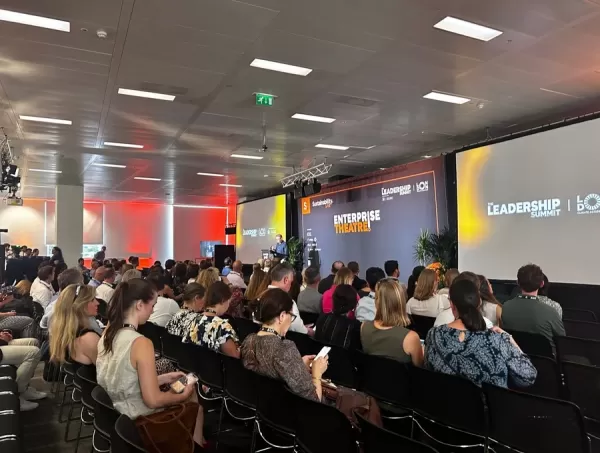 How AI LIVE: London Will Explore AI & Industrial Automation
The summit will convene C-suite executives from around the globe to address pressing challenges in global industries, ranging from AI-driven disruption to economic volatility.AI LIVE: The London Summit will gather over 2,000 international leaders und
How AI LIVE: London Will Explore AI & Industrial Automation
The summit will convene C-suite executives from around the globe to address pressing challenges in global industries, ranging from AI-driven disruption to economic volatility.AI LIVE: The London Summit will gather over 2,000 international leaders und

2026 Latest Best Top-rated AI Anomaly Detection Tools for KPI Monitoring in SaaS and Ecommerce teams! XIX.AI has curated a powerful, game-changing collection based on rigorous real-world tests and weekly updated rankings. You’ll find detailed free vs paid comparison insights to help you identify the must-try solution that boosts productivity and unlocks your AI edge. Explore now!
10 tools
xix.ai

2026 Latest Best Top-Rated AI Outline Generators for Long-Form SEO Articles, meticulously curated by XIX.AI. These powerful tools offer game-changing assistance in creating high-quality content quickly, boosting writing efficiency significantly. Get a free vs paid comparison along with real-world tests and detailed rankings to help you find the must-try option that suits your needs. Explore now to unlock your AI edge.
8 tools
xix.ai

2026 Latest Best AI Study Tools for Homework and Exam Prep! XIX.AI curates a top-rated list of powerful, game-changing tools that help students boost productivity, streamline homework completion, and ace exams through real-world tests. Get a free vs paid comparison, detailed rankings, and must-try options to unlock your AI edge. Explore now!
10 tools
xix.ai

2026 Latest Best AI Vocal Demo Tools for Songwriters, Hook Creators, and Multi-Language Content Teams! XIX.AI has curated a top-rated list of powerful game-changing tools that go through rigorous real-world tests. You’ll find detailed free vs paid comparison data, comprehensive rankings, and must-try options to help you boost writing efficiency and unlock your creative potential. Explore now to discover your perfect tool for all your content needs!
9 tools
xix.ai

2026 Latest Best Top-rated AI Competitive Research Tools for Small Businesses! XIX.AI has curated a highly powerful game-changing collection, updated weekly with rigorous real-world tests and detailed rankings. You can find a comprehensive free vs paid comparison to help you identify the must-try tools that boost your productivity and give you a competitive edge. Explore now to discover your perfect tool!
9 tools
xix.ai

2026 Latest Best Photoshop AI retouch tools for ecommerce apparel, skin cleanup, and color consistency! This top-rated curated list features powerful game-changing solutions that help you boost writing efficiency, streamline content creation, and achieve perfect visual results effortlessly. Each tool has undergone real-world tests through weekly updated rankings, complete with free vs paid comparison details. Backed by XIX.AI, it’s the must-try guide for anyone aiming to unlock your AI edge. Explore now!
10 tools
xix.ai

Honestly, this is a bit concerning. If even a top-tier AI like Claude can make such a 'citation error' in a legal document, how can we trust AI-generated content for serious applications? It's not just embarrassing; it raises real questions about accountability and verification processes. 🤔
Das ist echt peinlich für Anthropic... Aber mal ehrlich, wer hat denn noch nie einen Fehler gemacht? 🤷♂️ Mich interessiert mehr, wie sie solche Zitierfehler in Zukunft verhindern wollen. KI als juristisches Werkzeug ist ja super, aber wenn die Quellenangaben nicht stimmen, wird's gefährlich. Hoffentlich lernen alle Firmen daraus!
この記事を読んで、AIの法的な引用ミスが「恥ずかしい」と認められるのは興味深いね。技術が進むほど、単純なヒューマンエラー(というかボットエラー?)が大きな波紋を呼ぶんだな。Claude、次はちゃんとチェックしてね!😅












