


 Home
HomeAI-Powered Sponsored Content Emerges in Social Feeds
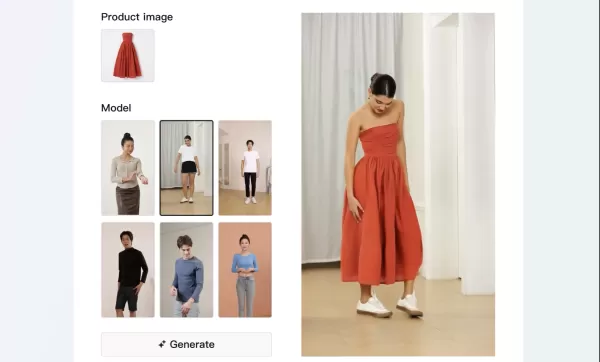
Social media is overflowing with an endless stream of sellers, from Shein try-on hauls to product placements for health supplements and gadgets. Influencer marketing upended traditional advertising, creating a legion of home-based promoters churning out content designed to attract a massive audience. Meanwhile, tech companies envision a future with even more automation.
TikTok has announced new features for Symphony, its AI advertising platform launched in 2024. These updates go beyond simple video and image generation—the system can now produce content that resembles the work of human influencers. According to the company, advertisers can upload images, provide a text prompt, and generate videos featuring digital avatars holding items, modeling apparel, or showcasing a brand’s app on a smartphone. Some capabilities already familiar to TikTok users, such as creating a video from a single photo, will also become available to advertisers.
The integration of AI into the influencer industry has been a gradual process. Advertisers can already deploy synthetic characters—sometimes modeled after real people—to deliver scripts and endorse brands. This new suite of features introduces a layer of interactivity, with virtual avatars behaving like human influencers by demonstrating and using products. For brands, the appeal lies in cost reduction and workflow automation: an AI avatar doesn't negotiate contracts, and a company can produce unlimited content without filming each clip individually. AI tools are also used for audience targeting, content ideation, and multilingual audio dubbing. While some advertisers are cautious or even resistant to AI-generated content, TikTok's expansion of AI advertising tools signals the platform's strong commitment. After all, why share TikTok Shop affiliate earnings with thousands of creators when a handful of virtual personas can do the work?
For human influencers, the rise of AI presents a dual challenge: synthetic content may replace human-driven work, and the flood of AI-generated videos could suppress overall rates. So far, however, AI's role has been largely behind the scenes. Many content creators report using AI for editing, planning, or securing brand partnerships, even as tech firms promote AI-generated profiles and characters. The emergence of AI-powered sponsored videos—especially those showing clothes being tried on or apps being used—pushes the boundaries of influencer marketing. Can it be considered a genuine recommendation if the promoter isn't real? And if all a brand needs is a virtual body to promote something, what does that mean for the human creators when the platforms they depend on for income are pushing the most affordable, rapid, and frictionless option?
TikTok states that all content produced with its ad tool will carry an AI-generated label and undergo "multiple rounds of safety review."
Related article
 Ollie bets privacy focus to win AI assistant race
To be genuinely helpful, an AI assistant must understand its user deeply. Ollie, a personal assistant designed for daily life, operates on the premise that this doesn’t require surrendering your data or compromising your privacy.While certain enterpr
How AI LIVE: London Will Explore AI & Industrial Automation
The summit will convene C-suite executives from around the globe to address pressing challenges in global industries, ranging from AI-driven disruption to economic volatility.AI LIVE: The London Summit will gather over 2,000 international leaders und
Former TikTok Execs Launch AI-Powered App to Master Photo Poses
Businesses are increasingly leveraging AI image generation to educate users on photography techniques. Last year, Google introduced Camera Coach on Pixel devices to assist with framing and composition, and in July, Adobe launched a new feature in its
Related Special Topic Recommendations
Business
Ollie bets privacy focus to win AI assistant race
To be genuinely helpful, an AI assistant must understand its user deeply. Ollie, a personal assistant designed for daily life, operates on the premise that this doesn’t require surrendering your data or compromising your privacy.While certain enterpr
How AI LIVE: London Will Explore AI & Industrial Automation
The summit will convene C-suite executives from around the globe to address pressing challenges in global industries, ranging from AI-driven disruption to economic volatility.AI LIVE: The London Summit will gather over 2,000 international leaders und
Former TikTok Execs Launch AI-Powered App to Master Photo Poses
Businesses are increasingly leveraging AI image generation to educate users on photography techniques. Last year, Google introduced Camera Coach on Pixel devices to assist with framing and composition, and in July, Adobe launched a new feature in its
Related Special Topic Recommendations
Business
 Best AI Competitive Research Tools for Small Businesses
2026 Latest Best Top-rated AI Competitive Research Tools for Small Businesses! XIX.AI has curated a highly powerful game-changing collection, updated weekly with rigorous real-world tests and detailed rankings. You can find a comprehensive free vs paid comparison to help you identify the must-try tools that boost your productivity and give you a competitive edge. Explore now to discover your perfect tool!
 9 tools
 xix.ai
Image editing
Photoshop AI Retouch Tools for Ecommerce Apparel, Skin Cleanup, and Color Consistency
xix.ai
Image editing
Photoshop AI Retouch Tools for Ecommerce Apparel, Skin Cleanup, and Color Consistency
2026 Latest Best Photoshop AI retouch tools for ecommerce apparel, skin cleanup, and color consistency! This top-rated curated list features powerful game-changing solutions that help you boost writing efficiency, streamline content creation, and achieve perfect visual results effortlessly. Each tool has undergone real-world tests through weekly updated rankings, complete with free vs paid comparison details. Backed by XIX.AI, it’s the must-try guide for anyone aiming to unlock your AI edge. Explore now!
10 tools
xix.ai
Prompt
Best AI Prompt Libraries for ChatGPT Workflows
2026 Latest Best Top-Rated AI Prompt Libraries for optimizing all types of ChatGPT workflows. XIX.AI has curated a powerful, game-changing collection that goes through rigorous real-world tests to ensure top performance. You can find detailed free vs paid comparisons and expert rankings to help you choose the must-try tools that boost your productivity and unlock your AI edge. Explore now!
11 tools
xix.ai
Education and Learning
AI Quiz Builder Platforms for Teachers, Tutors, and Cohort-Based Learning Programs
2026 Latest Best AI Quiz Builder Platforms for Teachers, Tutors, and Cohort-Based Learning Programs! XIX.AI has curated a top-rated list of powerful game-changing tools that go through real-world tests to deliver accurate rankings. These must-try platforms help boost writing efficiency, streamline content creation, and simplify quiz design across all learning scenarios. Explore now to discover your perfect tool for unlocking your AI edge in teaching!
13 tools
xix.ai
code
AI Pull Request Review Tools for GitHub Teams Handling Refactors, Bugs, and Security Gaps
2026 Latest Best AI Pull Request Review Tools for GitHub Teams are here on XIX.AI! This top-rated curated list showcases powerful game-changing solutions that streamline refactoring, bug fixing, and security gap detection across all team workflows. Enjoy a free vs paid comparison along with real-world tests and detailed rankings to help you find the perfect tool that boosts productivity significantly. Explore now to unlock your AI edge!
12 tools
xix.ai
Text-to-speech
Best AI Text to Speech Tools for Natural Voiceovers
2026 Latest Best Top-rated AI Text to Speech Tools for Natural Voiceovers are here on XIX.AI! This curated list features powerful, game-changing options that deliver crystal-clear voices for every use case, backed by real-world tests and weekly updated rankings. Get a free vs paid comparison to find the must-try solution that boosts your productivity instantly. Explore now to Unlock your AI edge!
11 tools
xix.ai

 Comments (0)
0/500
Comments (0)
0/500
Social media is overflowing with an endless stream of sellers, from Shein try-on hauls to product placements for health supplements and gadgets. Influencer marketing upended traditional advertising, creating a legion of home-based promoters churning out content designed to attract a massive audience. Meanwhile, tech companies envision a future with even more automation.
TikTok has announced new features for Symphony, its AI advertising platform launched in 2024. These updates go beyond simple video and image generation—the system can now produce content that resembles the work of human influencers. According to the company, advertisers can upload images, provide a text prompt, and generate videos featuring digital avatars holding items, modeling apparel, or showcasing a brand’s app on a smartphone. Some capabilities already familiar to TikTok users, such as creating a video from a single photo, will also become available to advertisers.
The integration of AI into the influencer industry has been a gradual process. Advertisers can already deploy synthetic characters—sometimes modeled after real people—to deliver scripts and endorse brands. This new suite of features introduces a layer of interactivity, with virtual avatars behaving like human influencers by demonstrating and using products. For brands, the appeal lies in cost reduction and workflow automation: an AI avatar doesn't negotiate contracts, and a company can produce unlimited content without filming each clip individually. AI tools are also used for audience targeting, content ideation, and multilingual audio dubbing. While some advertisers are cautious or even resistant to AI-generated content, TikTok's expansion of AI advertising tools signals the platform's strong commitment. After all, why share TikTok Shop affiliate earnings with thousands of creators when a handful of virtual personas can do the work?
For human influencers, the rise of AI presents a dual challenge: synthetic content may replace human-driven work, and the flood of AI-generated videos could suppress overall rates. So far, however, AI's role has been largely behind the scenes. Many content creators report using AI for editing, planning, or securing brand partnerships, even as tech firms promote AI-generated profiles and characters. The emergence of AI-powered sponsored videos—especially those showing clothes being tried on or apps being used—pushes the boundaries of influencer marketing. Can it be considered a genuine recommendation if the promoter isn't real? And if all a brand needs is a virtual body to promote something, what does that mean for the human creators when the platforms they depend on for income are pushing the most affordable, rapid, and frictionless option?
TikTok states that all content produced with its ad tool will carry an AI-generated label and undergo "multiple rounds of safety review."








 Ollie bets privacy focus to win AI assistant race
To be genuinely helpful, an AI assistant must understand its user deeply. Ollie, a personal assistant designed for daily life, operates on the premise that this doesn’t require surrendering your data or compromising your privacy.While certain enterpr
Ollie bets privacy focus to win AI assistant race
To be genuinely helpful, an AI assistant must understand its user deeply. Ollie, a personal assistant designed for daily life, operates on the premise that this doesn’t require surrendering your data or compromising your privacy.While certain enterpr
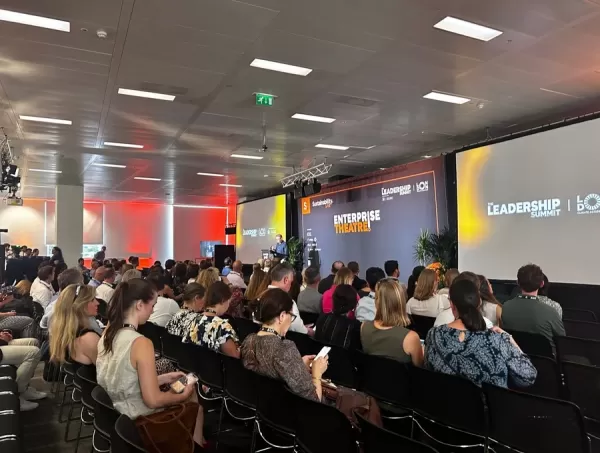 How AI LIVE: London Will Explore AI & Industrial Automation
The summit will convene C-suite executives from around the globe to address pressing challenges in global industries, ranging from AI-driven disruption to economic volatility.AI LIVE: The London Summit will gather over 2,000 international leaders und
How AI LIVE: London Will Explore AI & Industrial Automation
The summit will convene C-suite executives from around the globe to address pressing challenges in global industries, ranging from AI-driven disruption to economic volatility.AI LIVE: The London Summit will gather over 2,000 international leaders und
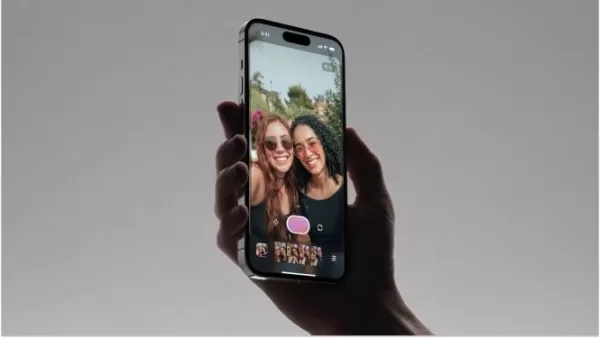 Former TikTok Execs Launch AI-Powered App to Master Photo Poses
Businesses are increasingly leveraging AI image generation to educate users on photography techniques. Last year, Google introduced Camera Coach on Pixel devices to assist with framing and composition, and in July, Adobe launched a new feature in its
Former TikTok Execs Launch AI-Powered App to Master Photo Poses
Businesses are increasingly leveraging AI image generation to educate users on photography techniques. Last year, Google introduced Camera Coach on Pixel devices to assist with framing and composition, and in July, Adobe launched a new feature in its

2026 Latest Best Top-rated AI Competitive Research Tools for Small Businesses! XIX.AI has curated a highly powerful game-changing collection, updated weekly with rigorous real-world tests and detailed rankings. You can find a comprehensive free vs paid comparison to help you identify the must-try tools that boost your productivity and give you a competitive edge. Explore now to discover your perfect tool!
9 tools
xix.ai

2026 Latest Best Photoshop AI retouch tools for ecommerce apparel, skin cleanup, and color consistency! This top-rated curated list features powerful game-changing solutions that help you boost writing efficiency, streamline content creation, and achieve perfect visual results effortlessly. Each tool has undergone real-world tests through weekly updated rankings, complete with free vs paid comparison details. Backed by XIX.AI, it’s the must-try guide for anyone aiming to unlock your AI edge. Explore now!
10 tools
xix.ai

2026 Latest Best Top-Rated AI Prompt Libraries for optimizing all types of ChatGPT workflows. XIX.AI has curated a powerful, game-changing collection that goes through rigorous real-world tests to ensure top performance. You can find detailed free vs paid comparisons and expert rankings to help you choose the must-try tools that boost your productivity and unlock your AI edge. Explore now!
11 tools
xix.ai

2026 Latest Best AI Quiz Builder Platforms for Teachers, Tutors, and Cohort-Based Learning Programs! XIX.AI has curated a top-rated list of powerful game-changing tools that go through real-world tests to deliver accurate rankings. These must-try platforms help boost writing efficiency, streamline content creation, and simplify quiz design across all learning scenarios. Explore now to discover your perfect tool for unlocking your AI edge in teaching!
13 tools
xix.ai

2026 Latest Best AI Pull Request Review Tools for GitHub Teams are here on XIX.AI! This top-rated curated list showcases powerful game-changing solutions that streamline refactoring, bug fixing, and security gap detection across all team workflows. Enjoy a free vs paid comparison along with real-world tests and detailed rankings to help you find the perfect tool that boosts productivity significantly. Explore now to unlock your AI edge!
12 tools
xix.ai
2026 Latest Best Top-rated AI Text to Speech Tools for Natural Voiceovers are here on XIX.AI! This curated list features powerful, game-changing options that deliver crystal-clear voices for every use case, backed by real-world tests and weekly updated rankings. Get a free vs paid comparison to find the must-try solution that boosts your productivity instantly. Explore now to Unlock your AI edge!
11 tools
xix.ai












