


 Home
HomeHow to fix Toyota Tundra P2440 code in 2026? Complete step-by-step guide.
Dealing with a P2440 code on your 2008 Toyota Tundra is frustrating, especially when you need to pass a smog check. This guide offers a clear, step-by-step method for diagnosing and fixing the problem, focusing on replacing the secondary air injection system valve. It's a job that even novice mechanics can handle with the right tools and some patience. We'll walk you through the entire process, share useful tips, and answer common questions, making the repair straightforward and helping you save on expensive labor costs.
Key Points
What the P2440 code means.
Finding the secondary air injection system valve.
Collecting the required tools: star socket, 10mm wrench/socket.
A detailed guide to removing the old valve.
Installing the new valve and checking all connections.
Common reasons for the P2440 code and how to prevent it.
Troubleshooting advice for a successful fix.
Why replacing the gasket is crucial during the valve swap.
Potential money saved by tackling the repair yourself.
Final advice and motivation for DIY enthusiasts.
Understanding the P2440 Code and Secondary Air Injection System
What is the P2440 Code?
The P2440 code signals a problem with your 2008 Toyota Tundra's secondary air injection system. It often means the switching valve is stuck open, which can disrupt the emission control system. This system cuts harmful emissions during cold starts by pumping air into the exhaust to burn off unspent fuel. The valve is essential for the system to work correctly.
The Secondary Air Injection System pumps fresh air into the exhaust when the engine is cold. This helps burn off any leftover fuel, reducing pollutants released into the air. Key parts include an air pump, switching valves, and several hoses. If one part, like the secondary air injection valve, fails, it can trigger the P2440 code. Fixing it quickly is important to protect the environment and keep your engine running well.
The secondary air injection system's role in meeting environmental standards is significant. This is why smog tests are strict and will cause your vehicle to fail if the system isn't working.
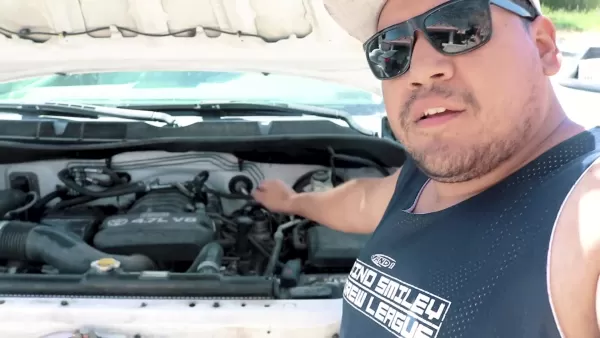
Knowing about the P2440 code, the air injection valve's function, and the tools you need sets you up for a successful DIY repair. Taking action not only solves the immediate issue but also helps keep your Toyota Tundra reliable for years to come.
Identifying the Secondary Air Injection System Valve
Finding the secondary air injection system valve is the first step to fixing the P2440 code on your 2008 Toyota Tundra. You'll usually find this valve near the engine, often on the driver's side, though the exact spot can vary slightly. It's typically held by several bolts and has an electrical connector and a vacuum hose attached.
Make sure you correctly identify this valve and don't confuse it with other parts under the hood. It usually looks like a metal or plastic housing with several ports and connections. On a 2008 Toyota Tundra, it's located between the engine and fender for relatively easy access.
A visual check of the valve can sometimes show issues like cracked or loose hoses, corrosion, or other physical damage. Before starting any work, ensure the engine is off and cool to avoid burns or injuries. A careful inspection confirms you're working on the correct part and reduces the chance of errors during the repair.
Once you've found it, consider taking photos for reference before disconnecting any hoses or connectors. This helps during reassembly and ensures everything goes back together correctly.
Step-by-Step Guide to Replacing the Secondary Air Injection System Valve
Gathering Necessary Tools and Materials
Before you begin, gather all the tools and materials you'll need. This makes the process smoother and avoids interruptions. Here's a complete list:
- New Secondary Air Injection System Valve: Buy a high-quality replacement valve made for your 2008 Toyota Tundra.
- Star Socket: You'll need a star or six-point socket to remove the valve bolts. Check the size before starting.
- 10mm Wrench or Socket: A 10mm wrench or socket is necessary for disconnecting the electrical connector and any hoses secured with bolts.
- Screwdrivers: Have both flathead and Phillips head screwdrivers handy for disconnecting hoses and connectors.
- Pliers: Pliers are useful for gripping hoses and removing clips.
- Gloves and Safety Glasses: Always wear gloves to protect your hands and safety glasses for eye protection.
- Shop Rags: Keep some rags nearby to clean up any spills.
- Pen and Paper/Camera: Taking notes or pictures before you start disassembling can be very helpful when putting everything back together.
Having these tools ready ensures you're prepared for each step and can handle any surprises that come up.
Removing the Old Valve
Start by disconnecting the electrical connector and any vacuum hoses attached to the old secondary air injection system valve. Use pliers to gently loosen any hose clamps before pulling the hoses off. Be careful not to damage the hoses.
Next, use the star socket to remove the bolts holding the valve in place. On the 2008 Toyota Tundra, four bolts secure the unit. Keep the bolts in a safe spot so you don't lose them. As you remove the last bolt, support the valve to keep it from falling. Be prepared for any fluid that might leak out.
After taking out the valve, check the area for corrosion or damage. Wipe the mounting surface clean with a shop rag to ensure a good seal for the new valve. Remember, the last screw can be tricky to reach due to an aluminum bracket
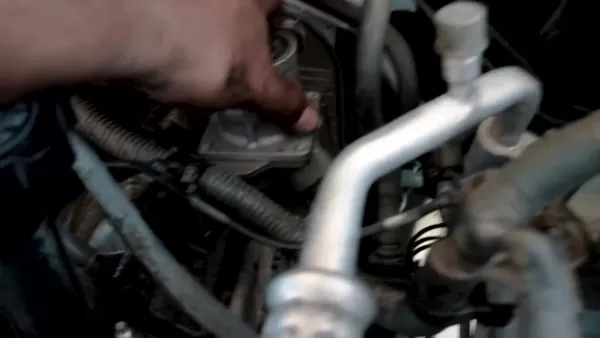
. This preparation ensures the new valve sits properly and prevents leaks.
Installing the New Valve
Position the new secondary air injection system valve correctly on the mounting surface. Make sure any gaskets or seals are in place to prevent leaks. If the old gasket is worn, replace it with a new one for a tight seal. Applying a thin layer of silicone grease to the seal surface can improve the seal and make installation easier.
Start by hand-tightening the bolts before using the star socket to snug them down. Tighten the bolts evenly to avoid putting too much stress on any one area. The valve should sit securely. Reconnect the electrical connector and vacuum hoses, making sure they click or clamp into place. Double-check all connections to ensure they're secure. Finally, before you finish, verify all hoses are routed correctly and free from kinks or blockages. This attention to detail prevents future issues and ensures the system operates as intended.
Pricing for Parts and Potential Cost Savings
Cost of Replacement Parts
The price of a replacement secondary air injection system valve for a 2008 Toyota Tundra can vary based on brand, quality, and where you buy it. Generally, expect to pay between $50 and $200 for a new valve. Gaskets and related parts are fairly cheap, usually costing $5 to $20.
Sometimes the air injection system base is included, which can increase the cost, though it's often not necessary for just replacing the valve.
Buying parts from reputable auto parts stores or online retailers ensures you get a quality component that fits your vehicle. While budget options exist, investing in a reliable brand helps prevent future failures and saves money in the long run. Compared to repair shop labor charges, which can easily run $300 to $500, doing the job yourself can lead to substantial savings.
DIY vs. Professional Repair: Weighing the Options
Pros
Cost Savings: Avoid labor costs by doing the repair yourself.
Convenience: Work on your own schedule.
Learning Experience: Gain useful knowledge about your vehicle's systems.
Personal Satisfaction: Feel accomplished after fixing your truck.
Cons
Time Investment: Requires your time and effort.
Potential for Mistakes: Risk of errors if you're new to auto repairs.
Tool Requirements: Need to have or buy the necessary tools.
Limited Warranty: DIY repairs might not be covered by a warranty.
Core Features of the Secondary Air Injection System Valve
Understanding Valve Functionality
The secondary air injection system valve has several key features that make the emission control system effective:
- Precise Airflow Control: The valve accurately manages the air injected into the exhaust, optimizing combustion during cold starts.
- Durable
Cons
truction: Built to handle high heat and tough conditions for a long service life. - Electrical Activation: Operated electronically, opening and closing based on commands from the engine control unit (ECU).
- Sealed Design: Features strong seals to prevent leaks and maintain consistent performance.
- Compatibility: Made specifically for Toyota Tundra models to ensure proper fit and function.
Understanding these features helps you appreciate why a high-quality replacement valve is important and ensures your vehicle meets emission standards.
Use Cases for Replacing the Secondary Air Injection System Valve
Scenarios Requiring Valve Replacement
You'll need to replace the secondary air injection system valve in several common situations:
- P2440 Code Trigger: When your vehicle's computer detects a valve malfunction, it sets the P2440 code, indicating the valve needs replacement.
- Failed Smog Test: If the system isn't working, your vehicle may fail an emissions test, requiring a new valve to pass.
- Engine Performance Issues: A faulty valve can cause rough idling, poor fuel economy, and reduced engine performance.
- Preventative Maintenance: Replacing the valve proactively can prevent unexpected breakdowns and maintain system efficiency.
Addressing these issues promptly helps keep your Toyota Tundra running smoothly and compliant with environmental regulations.
Frequently Asked Questions
What causes the P2440 code on a 2008 Toyota Tundra?
The P2440 code is usually caused by a faulty secondary air injection system valve that's stuck open or not working properly, often due to moisture, corrosion, or general wear.
Can I drive my Toyota Tundra with a P2440 code?
While you can drive with a P2440 code, it's not advised. The check engine light will stay on, and you might notice reduced engine performance and fuel efficiency. Your vehicle may also fail an emissions test.
How long does it take to replace the secondary air injection system valve?
Replacing the valve usually takes 30 minutes to an hour, depending on your experience. Having all the necessary tools and parts ready beforehand saves time.
Do I need any special tools to replace the valve?
Yes, you'll need a star socket, a 10mm wrench or socket, screwdrivers, and pliers. Having these tools makes the replacement process much smoother.
Is it necessary to replace the gasket when replacing the valve?
Yes, it's highly recommended to replace the gasket for a tight seal and to prevent leaks. A new gasket is inexpensive and can avoid potential problems later.
Related Questions
What other issues can affect the secondary air injection system in my Toyota Tundra?
Besides the valve, other problems can include a faulty air pump, damaged hoses, or electrical issues. Regular checks and maintenance can help prevent these.
How can I prevent the P2440 code from recurring?
To prevent the P2440 code from coming back, use a high-quality replacement valve and ensure all connections are secure. Regular maintenance, including inspecting hoses and connections, also helps.
Can I clean the old valve instead of replacing it?
Some people try cleaning the old valve, but replacement is generally more effective. Cleaning might offer a temporary fix, but a new valve ensures reliable, long-term performance.
Related article
 ByteDance Boosts Core AI Incentives as Doubao Surges 14.6%
ByteDance recently convened a DouBao equity briefing to unveil fresh incentive policies for staff involved in the DouBao division. The strike price for DouBao shares has been lifted from $14.85 in June 2026 to $17.02, marking an approximate 14.6% inc
MiniMax Unveils 10x Team Program to Incentivize Global AI Experts
MiniMax (Xiyu Technology), the General Artificial Intelligence Lab, has officially launched "10x Team," a global talent collaboration initiative. This program aims to recruit top experts across industries to explore the deep application of large mode
South Korea Breaks Ground on National AI Computing Center, Investing 2.5 Trillion Won with 2028 Target
South Korean outlet EtNews reports that groundbreaking for the Korea AI Computing Center (KOACC) took place on August 3 at the Solar City data center park in Sunan, Jeollanam-do. Backed by a total investment of 2.5 trillion KRW (roughly 11.838 billio
Related Special Topic Recommendations
Education and Learning
ByteDance Boosts Core AI Incentives as Doubao Surges 14.6%
ByteDance recently convened a DouBao equity briefing to unveil fresh incentive policies for staff involved in the DouBao division. The strike price for DouBao shares has been lifted from $14.85 in June 2026 to $17.02, marking an approximate 14.6% inc
MiniMax Unveils 10x Team Program to Incentivize Global AI Experts
MiniMax (Xiyu Technology), the General Artificial Intelligence Lab, has officially launched "10x Team," a global talent collaboration initiative. This program aims to recruit top experts across industries to explore the deep application of large mode
South Korea Breaks Ground on National AI Computing Center, Investing 2.5 Trillion Won with 2028 Target
South Korean outlet EtNews reports that groundbreaking for the Korea AI Computing Center (KOACC) took place on August 3 at the Solar City data center park in Sunan, Jeollanam-do. Backed by a total investment of 2.5 trillion KRW (roughly 11.838 billio
Related Special Topic Recommendations
Education and Learning
 AI Study Tools for Homework and Exam Prep
2026 Latest Best AI Study Tools for Homework and Exam Prep! XIX.AI curates a top-rated list of powerful, game-changing tools that help students boost productivity, streamline homework completion, and ace exams through real-world tests. Get a free vs paid comparison, detailed rankings, and must-try options to unlock your AI edge. Explore now!
 10 tools
 xix.ai
Music composition
AI Vocal Demo Tools for Songwriters, Hooks, Toplines, and Multilingual Draft Sessions
xix.ai
Music composition
AI Vocal Demo Tools for Songwriters, Hooks, Toplines, and Multilingual Draft Sessions
2026 Latest Best AI Vocal Demo Tools for Songwriters, Hook Creators, and Multi-Language Content Teams! XIX.AI has curated a top-rated list of powerful game-changing tools that go through rigorous real-world tests. You’ll find detailed free vs paid comparison data, comprehensive rankings, and must-try options to help you boost writing efficiency and unlock your creative potential. Explore now to discover your perfect tool for all your content needs!
9 tools
xix.ai
Business
Best AI Competitive Research Tools for Small Businesses
2026 Latest Best Top-rated AI Competitive Research Tools for Small Businesses! XIX.AI has curated a highly powerful game-changing collection, updated weekly with rigorous real-world tests and detailed rankings. You can find a comprehensive free vs paid comparison to help you identify the must-try tools that boost your productivity and give you a competitive edge. Explore now to discover your perfect tool!
9 tools
xix.ai
Image editing
Photoshop AI Retouch Tools for Ecommerce Apparel, Skin Cleanup, and Color Consistency
2026 Latest Best Photoshop AI retouch tools for ecommerce apparel, skin cleanup, and color consistency! This top-rated curated list features powerful game-changing solutions that help you boost writing efficiency, streamline content creation, and achieve perfect visual results effortlessly. Each tool has undergone real-world tests through weekly updated rankings, complete with free vs paid comparison details. Backed by XIX.AI, it’s the must-try guide for anyone aiming to unlock your AI edge. Explore now!
10 tools
xix.ai
Prompt
Best AI Prompt Libraries for ChatGPT Workflows
2026 Latest Best Top-Rated AI Prompt Libraries for optimizing all types of ChatGPT workflows. XIX.AI has curated a powerful, game-changing collection that goes through rigorous real-world tests to ensure top performance. You can find detailed free vs paid comparisons and expert rankings to help you choose the must-try tools that boost your productivity and unlock your AI edge. Explore now!
11 tools
xix.ai
Education and Learning
AI Quiz Builder Platforms for Teachers, Tutors, and Cohort-Based Learning Programs
2026 Latest Best AI Quiz Builder Platforms for Teachers, Tutors, and Cohort-Based Learning Programs! XIX.AI has curated a top-rated list of powerful game-changing tools that go through real-world tests to deliver accurate rankings. These must-try platforms help boost writing efficiency, streamline content creation, and simplify quiz design across all learning scenarios. Explore now to discover your perfect tool for unlocking your AI edge in teaching!
13 tools
xix.ai

 Comments (0)
0/500
Comments (0)
0/500
Dealing with a P2440 code on your 2008 Toyota Tundra is frustrating, especially when you need to pass a smog check. This guide offers a clear, step-by-step method for diagnosing and fixing the problem, focusing on replacing the secondary air injection system valve. It's a job that even novice mechanics can handle with the right tools and some patience. We'll walk you through the entire process, share useful tips, and answer common questions, making the repair straightforward and helping you save on expensive labor costs.
Key Points
What the P2440 code means.
Finding the secondary air injection system valve.
Collecting the required tools: star socket, 10mm wrench/socket.
A detailed guide to removing the old valve.
Installing the new valve and checking all connections.
Common reasons for the P2440 code and how to prevent it.
Troubleshooting advice for a successful fix.
Why replacing the gasket is crucial during the valve swap.
Potential money saved by tackling the repair yourself.
Final advice and motivation for DIY enthusiasts.
Understanding the P2440 Code and Secondary Air Injection System
What is the P2440 Code?
The P2440 code signals a problem with your 2008 Toyota Tundra's secondary air injection system. It often means the switching valve is stuck open, which can disrupt the emission control system. This system cuts harmful emissions during cold starts by pumping air into the exhaust to burn off unspent fuel. The valve is essential for the system to work correctly.
The Secondary Air Injection System pumps fresh air into the exhaust when the engine is cold. This helps burn off any leftover fuel, reducing pollutants released into the air. Key parts include an air pump, switching valves, and several hoses. If one part, like the secondary air injection valve, fails, it can trigger the P2440 code. Fixing it quickly is important to protect the environment and keep your engine running well.
The secondary air injection system's role in meeting environmental standards is significant. This is why smog tests are strict and will cause your vehicle to fail if the system isn't working.
Knowing about the P2440 code, the air injection valve's function, and the tools you need sets you up for a successful DIY repair. Taking action not only solves the immediate issue but also helps keep your Toyota Tundra reliable for years to come.
Identifying the Secondary Air Injection System Valve
Finding the secondary air injection system valve is the first step to fixing the P2440 code on your 2008 Toyota Tundra. You'll usually find this valve near the engine, often on the driver's side, though the exact spot can vary slightly. It's typically held by several bolts and has an electrical connector and a vacuum hose attached.
Make sure you correctly identify this valve and don't confuse it with other parts under the hood. It usually looks like a metal or plastic housing with several ports and connections. On a 2008 Toyota Tundra, it's located between the engine and fender for relatively easy access.
A visual check of the valve can sometimes show issues like cracked or loose hoses, corrosion, or other physical damage. Before starting any work, ensure the engine is off and cool to avoid burns or injuries. A careful inspection confirms you're working on the correct part and reduces the chance of errors during the repair.
Once you've found it, consider taking photos for reference before disconnecting any hoses or connectors. This helps during reassembly and ensures everything goes back together correctly.
Step-by-Step Guide to Replacing the Secondary Air Injection System Valve
Gathering Necessary Tools and Materials
Before you begin, gather all the tools and materials you'll need. This makes the process smoother and avoids interruptions. Here's a complete list:
- New Secondary Air Injection System Valve: Buy a high-quality replacement valve made for your 2008 Toyota Tundra.
- Star Socket: You'll need a star or six-point socket to remove the valve bolts. Check the size before starting.
- 10mm Wrench or Socket: A 10mm wrench or socket is necessary for disconnecting the electrical connector and any hoses secured with bolts.
- Screwdrivers: Have both flathead and Phillips head screwdrivers handy for disconnecting hoses and connectors.
- Pliers: Pliers are useful for gripping hoses and removing clips.
- Gloves and Safety Glasses: Always wear gloves to protect your hands and safety glasses for eye protection.
- Shop Rags: Keep some rags nearby to clean up any spills.
- Pen and Paper/Camera: Taking notes or pictures before you start disassembling can be very helpful when putting everything back together.
Having these tools ready ensures you're prepared for each step and can handle any surprises that come up.
Removing the Old Valve
Start by disconnecting the electrical connector and any vacuum hoses attached to the old secondary air injection system valve. Use pliers to gently loosen any hose clamps before pulling the hoses off. Be careful not to damage the hoses.
Next, use the star socket to remove the bolts holding the valve in place. On the 2008 Toyota Tundra, four bolts secure the unit. Keep the bolts in a safe spot so you don't lose them. As you remove the last bolt, support the valve to keep it from falling. Be prepared for any fluid that might leak out.
After taking out the valve, check the area for corrosion or damage. Wipe the mounting surface clean with a shop rag to ensure a good seal for the new valve. Remember, the last screw can be tricky to reach due to an aluminum bracket
. This preparation ensures the new valve sits properly and prevents leaks.
Installing the New Valve
Position the new secondary air injection system valve correctly on the mounting surface. Make sure any gaskets or seals are in place to prevent leaks. If the old gasket is worn, replace it with a new one for a tight seal. Applying a thin layer of silicone grease to the seal surface can improve the seal and make installation easier.
Start by hand-tightening the bolts before using the star socket to snug them down. Tighten the bolts evenly to avoid putting too much stress on any one area. The valve should sit securely. Reconnect the electrical connector and vacuum hoses, making sure they click or clamp into place. Double-check all connections to ensure they're secure. Finally, before you finish, verify all hoses are routed correctly and free from kinks or blockages. This attention to detail prevents future issues and ensures the system operates as intended.
Pricing for Parts and Potential Cost Savings
Cost of Replacement Parts
The price of a replacement secondary air injection system valve for a 2008 Toyota Tundra can vary based on brand, quality, and where you buy it. Generally, expect to pay between $50 and $200 for a new valve. Gaskets and related parts are fairly cheap, usually costing $5 to $20.
Sometimes the air injection system base is included, which can increase the cost, though it's often not necessary for just replacing the valve.
Buying parts from reputable auto parts stores or online retailers ensures you get a quality component that fits your vehicle. While budget options exist, investing in a reliable brand helps prevent future failures and saves money in the long run. Compared to repair shop labor charges, which can easily run $300 to $500, doing the job yourself can lead to substantial savings.
DIY vs. Professional Repair: Weighing the Options
Pros
Cost Savings: Avoid labor costs by doing the repair yourself.
Convenience: Work on your own schedule.
Learning Experience: Gain useful knowledge about your vehicle's systems.
Personal Satisfaction: Feel accomplished after fixing your truck.
Cons
Time Investment: Requires your time and effort.
Potential for Mistakes: Risk of errors if you're new to auto repairs.
Tool Requirements: Need to have or buy the necessary tools.
Limited Warranty: DIY repairs might not be covered by a warranty.
Core Features of the Secondary Air Injection System Valve
Understanding Valve Functionality
The secondary air injection system valve has several key features that make the emission control system effective:
- Precise Airflow Control: The valve accurately manages the air injected into the exhaust, optimizing combustion during cold starts.
- Durable
Cons
truction: Built to handle high heat and tough conditions for a long service life. - Electrical Activation: Operated electronically, opening and closing based on commands from the engine control unit (ECU).
- Sealed Design: Features strong seals to prevent leaks and maintain consistent performance.
- Compatibility: Made specifically for Toyota Tundra models to ensure proper fit and function.
Understanding these features helps you appreciate why a high-quality replacement valve is important and ensures your vehicle meets emission standards.
Use Cases for Replacing the Secondary Air Injection System Valve
Scenarios Requiring Valve Replacement
You'll need to replace the secondary air injection system valve in several common situations:
- P2440 Code Trigger: When your vehicle's computer detects a valve malfunction, it sets the P2440 code, indicating the valve needs replacement.
- Failed Smog Test: If the system isn't working, your vehicle may fail an emissions test, requiring a new valve to pass.
- Engine Performance Issues: A faulty valve can cause rough idling, poor fuel economy, and reduced engine performance.
- Preventative Maintenance: Replacing the valve proactively can prevent unexpected breakdowns and maintain system efficiency.
Addressing these issues promptly helps keep your Toyota Tundra running smoothly and compliant with environmental regulations.
Frequently Asked Questions
What causes the P2440 code on a 2008 Toyota Tundra?
The P2440 code is usually caused by a faulty secondary air injection system valve that's stuck open or not working properly, often due to moisture, corrosion, or general wear.
Can I drive my Toyota Tundra with a P2440 code?
While you can drive with a P2440 code, it's not advised. The check engine light will stay on, and you might notice reduced engine performance and fuel efficiency. Your vehicle may also fail an emissions test.
How long does it take to replace the secondary air injection system valve?
Replacing the valve usually takes 30 minutes to an hour, depending on your experience. Having all the necessary tools and parts ready beforehand saves time.
Do I need any special tools to replace the valve?
Yes, you'll need a star socket, a 10mm wrench or socket, screwdrivers, and pliers. Having these tools makes the replacement process much smoother.
Is it necessary to replace the gasket when replacing the valve?
Yes, it's highly recommended to replace the gasket for a tight seal and to prevent leaks. A new gasket is inexpensive and can avoid potential problems later.
Related Questions
What other issues can affect the secondary air injection system in my Toyota Tundra?
Besides the valve, other problems can include a faulty air pump, damaged hoses, or electrical issues. Regular checks and maintenance can help prevent these.
How can I prevent the P2440 code from recurring?
To prevent the P2440 code from coming back, use a high-quality replacement valve and ensure all connections are secure. Regular maintenance, including inspecting hoses and connections, also helps.
Can I clean the old valve instead of replacing it?
Some people try cleaning the old valve, but replacement is generally more effective. Cleaning might offer a temporary fix, but a new valve ensures reliable, long-term performance.








 ByteDance Boosts Core AI Incentives as Doubao Surges 14.6%
ByteDance recently convened a DouBao equity briefing to unveil fresh incentive policies for staff involved in the DouBao division. The strike price for DouBao shares has been lifted from $14.85 in June 2026 to $17.02, marking an approximate 14.6% inc
ByteDance Boosts Core AI Incentives as Doubao Surges 14.6%
ByteDance recently convened a DouBao equity briefing to unveil fresh incentive policies for staff involved in the DouBao division. The strike price for DouBao shares has been lifted from $14.85 in June 2026 to $17.02, marking an approximate 14.6% inc
 MiniMax Unveils 10x Team Program to Incentivize Global AI Experts
MiniMax (Xiyu Technology), the General Artificial Intelligence Lab, has officially launched "10x Team," a global talent collaboration initiative. This program aims to recruit top experts across industries to explore the deep application of large mode
MiniMax Unveils 10x Team Program to Incentivize Global AI Experts
MiniMax (Xiyu Technology), the General Artificial Intelligence Lab, has officially launched "10x Team," a global talent collaboration initiative. This program aims to recruit top experts across industries to explore the deep application of large mode
 South Korea Breaks Ground on National AI Computing Center, Investing 2.5 Trillion Won with 2028 Target
South Korean outlet EtNews reports that groundbreaking for the Korea AI Computing Center (KOACC) took place on August 3 at the Solar City data center park in Sunan, Jeollanam-do. Backed by a total investment of 2.5 trillion KRW (roughly 11.838 billio
South Korea Breaks Ground on National AI Computing Center, Investing 2.5 Trillion Won with 2028 Target
South Korean outlet EtNews reports that groundbreaking for the Korea AI Computing Center (KOACC) took place on August 3 at the Solar City data center park in Sunan, Jeollanam-do. Backed by a total investment of 2.5 trillion KRW (roughly 11.838 billio

2026 Latest Best AI Study Tools for Homework and Exam Prep! XIX.AI curates a top-rated list of powerful, game-changing tools that help students boost productivity, streamline homework completion, and ace exams through real-world tests. Get a free vs paid comparison, detailed rankings, and must-try options to unlock your AI edge. Explore now!
10 tools
xix.ai

2026 Latest Best AI Vocal Demo Tools for Songwriters, Hook Creators, and Multi-Language Content Teams! XIX.AI has curated a top-rated list of powerful game-changing tools that go through rigorous real-world tests. You’ll find detailed free vs paid comparison data, comprehensive rankings, and must-try options to help you boost writing efficiency and unlock your creative potential. Explore now to discover your perfect tool for all your content needs!
9 tools
xix.ai

2026 Latest Best Top-rated AI Competitive Research Tools for Small Businesses! XIX.AI has curated a highly powerful game-changing collection, updated weekly with rigorous real-world tests and detailed rankings. You can find a comprehensive free vs paid comparison to help you identify the must-try tools that boost your productivity and give you a competitive edge. Explore now to discover your perfect tool!
9 tools
xix.ai

2026 Latest Best Photoshop AI retouch tools for ecommerce apparel, skin cleanup, and color consistency! This top-rated curated list features powerful game-changing solutions that help you boost writing efficiency, streamline content creation, and achieve perfect visual results effortlessly. Each tool has undergone real-world tests through weekly updated rankings, complete with free vs paid comparison details. Backed by XIX.AI, it’s the must-try guide for anyone aiming to unlock your AI edge. Explore now!
10 tools
xix.ai

2026 Latest Best Top-Rated AI Prompt Libraries for optimizing all types of ChatGPT workflows. XIX.AI has curated a powerful, game-changing collection that goes through rigorous real-world tests to ensure top performance. You can find detailed free vs paid comparisons and expert rankings to help you choose the must-try tools that boost your productivity and unlock your AI edge. Explore now!
11 tools
xix.ai

2026 Latest Best AI Quiz Builder Platforms for Teachers, Tutors, and Cohort-Based Learning Programs! XIX.AI has curated a top-rated list of powerful game-changing tools that go through real-world tests to deliver accurate rankings. These must-try platforms help boost writing efficiency, streamline content creation, and simplify quiz design across all learning scenarios. Explore now to discover your perfect tool for unlocking your AI edge in teaching!
13 tools
xix.ai












