


 Home
HomeHow is AI transforming the animation industry in 2025? Pros, cons, and future trends.
Artificial intelligence (AI) is rapidly transforming the animation industry alongside many others. By integrating AI, studios can achieve faster production timelines, reduce costs, and unlock new creative avenues. However, this shift also brings concerns about job displacement, ethical dilemmas, and the potential loss of human artistry. This article examines the multifaceted impact of AI on animation, weighing its benefits against its challenges.
Key Points
AI automates repetitive animation tasks, accelerating production and lowering expenses.
It enables more intelligent 3D modeling and character animation.
AI aids in the procedural generation of environments and assets.
It streamlines concept art and storyboarding, potentially boosting creativity.
Its integration raises concerns about job losses and the need for workforce reskilling.
Ethical issues, including copyright infringement and style plagiarism, are growing in importance.
The debate continues over whether AI-generated art lacks a essential human touch.
The most probable future involves a collaborative partnership between human artists and AI tools.
The AI Animation Revolution: A New Era
What is AI in Animation?
AI in animation involves using intelligent algorithms to perform tasks traditionally handled by human animators, such as drawing characters, animating movements, and creating sequences. Its primary goal is to make the animation process more efficient and accessible.

AI-driven animation is evolving quickly, heralding major changes in content creation and consumption. The core concept positions AI as a collaborative partner within the animation workflow, not merely a tool. This shift presents significant implications for large studios and independent creators alike, offering new possibilities while raising critical questions.
Key aspects of AI in animation include:
- Automated In-Betweening: AI can generate frames between key poses, reducing the manual effort of traditional animation.
- Smart 3D Modeling: AI assists in creating 3D models and environments, dramatically speeding up the modeling phase.
- Motion Capture Enhancement: AI refines motion capture data, resulting in more realistic and nuanced character movements.
- Procedural Content Generation: AI algorithms can procedurally generate complex environments and assets, minimizing manual design work.
AI is positioned to become a major frontier in animation, making production faster and more automated.
Notable AI animation software and platforms include:
- Adobe Character Animator: A tool that uses real-time motion capture to animate 2D characters, bringing them to life with dynamic performances.
- DeepMotion: An AI-powered solution for motion capture and animation, enabling users to capture and refine movement data for realistic character animations.
- NVIDIA Audio2Face: An AI tool that generates facial animations from audio input, allowing for accurate lip-syncing and emotional expression.
- RunwayML: A creative platform offering AI tools for image generation, video editing, and animation, designed for experimental workflows.
- Plask: A motion capture and animation software that uses AI to simplify animation by extracting motion data from videos for application to 3D characters.
- Synthesia: A platform for creating videos with AI avatars, commonly used for training and marketing content.
- Animaze: Software for creating and customizing virtual avatars, supporting real-time animation and facial tracking.
- Movio: A platform specializing in generating talking-head videos using AI avatars, often for training and marketing.
- D-ID: Creative Reality Studio enables the creation of AI-generated videos featuring realistic talking avatars.
These tools vary in function, cost, and application, but all aim to enhance animation through AI technology.
A Brief History of Animation Technology
Understanding AI's impact requires a look back at the evolution of animation technology.
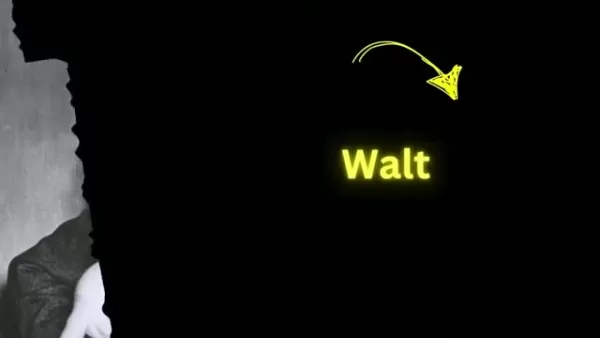
In the early days, pioneers like Walt Disney manually drew each frame, a labor-intensive and time-consuming process demanding immense skill.
The advent of computer-generated imagery (CGI) in the 1990s marked a revolutionary shift. CGI enabled the creation of 3D animations and visual effects previously unimaginable. Pixar's Toy Story in 1995 was a turning point, demonstrating the potential of 3D computer animation. This transition was a game-changer, significantly cutting production time and costs while opening doors to new visual styles.
Motion capture (mocap) emerged in the 2000s, blurring the lines between animation and live action. This technology records the movements of actors and transfers them to digital characters, enabling highly realistic animations seen in films like The Lord of the Rings (Gollum) and Avatar (the Na'vi).
Today, we stand on the brink of another leap with AI-driven animation. AI promises to further automate the production pipeline, increasing speed and accessibility. Yet, it also prompts questions about the role of human artists and the preservation of creative integrity.
The Positive Impacts of AI in Animation
AI offers numerous potential benefits to the animation industry. Key advantages include:
- Faster Production and Lower Costs: AI automates tedious tasks like in-betweening, freeing animators to focus on creative work, which leads to quicker timelines and reduced labor costs.

Automating frame and character generation is one of AI's most significant strengths.
- Smarter 3D Modeling and Character Animation: AI algorithms assist in building 3D models and environments while enhancing the realism of character motion. Tools like NVIDIA’s Audio2Face generate facial expressions from audio, allowing animators to concentrate on storytelling.
- Procedural Generation of Environments: AI enables the procedural creation of detailed environments, reducing the need for manual design. Generating background scenery and crowds is now more efficient than ever.
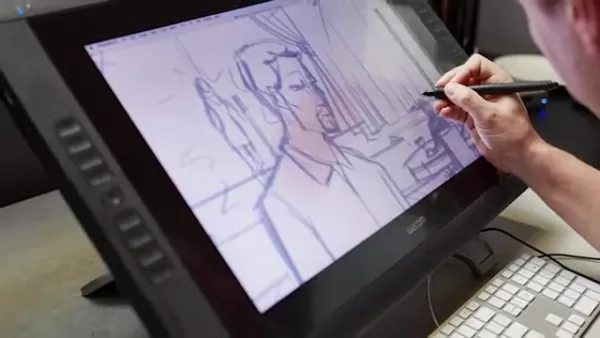
- Simplified Concept Art and Storyboarding: AI can generate concept art and storyboards, providing artists with multiple options and accelerating the initial creative stages. Creating basic 3D models and environments has become significantly easier.
According to a McKinsey study, AI could contribute $13 trillion to the global economy by 2030, with animation being a key beneficiary. The economic impact is expected to be substantial for both major studios and independent creators. In essence, AI saves time and enhances creative potential.
Netflix and The Dog and The Boy Short Film
The Dog and the Boy: An AI Experiment
A prominent case study is Netflix Japan’s short film, The Dog and The Boy.
As an experiment, the production team used AI to generate backgrounds, compressing a task that traditionally took days into a matter of hours. This dramatically lowered both time and cost.
This project demonstrated AI's potential as a valuable adjunct to the workforce. While it lowers the barrier to entry for creators, it has also fueled concerns about job security among animators. Ethical considerations must be prioritized to mitigate the loss of skilled jobs. Netflix cited a shortage of animators as the reason for using AI, but faced significant backlash, with many arguing the root issue was underfunding, not a lack of talent.
The film highlights both the major advantages and drawbacks of AI in animation. A significant negative is AI's potential lack of originality and its tendency to plagiarize styles, as it trains on existing artwork, whereas human creators draw from personal experience. This sparks debate on the wisdom of pursuing AI integration in the arts.
How to Use AI Animation Tools
Step-by-step Guide to Enhance Your Animation Skills
While steps vary by tool, a general approach is as follows:
- Choose Your Tool: Select AI animation software that aligns with your project objectives. Note that some tools have high costs or subscription fees.
- Familiarize Yourself:
Learn the platform's interface and understand how its AI-driven processes work.
- Define Your Goals: Identify which animation stages would benefit most from AI assistance.
- Experiment: Test different tools to find the best fit for your animation needs.
- Review and Refine: Continuously evaluate the AI's output and refine the animation until it meets your standards.
- Iterate: Repeat the process to ensure the AI produces the desired results.
- Integrate Human Touches: Add your creative vision to ensure the work possesses a human quality and doesn't appear machine-made.
- Stay Updated: Keep informed about the latest AI developments, trends, and updates.
Weighing the Advantages and Disadvantages
Pros
Increased Efficiency: AI automates repetitive tasks, speeding up production.
Reduced Costs: Automation can lower labor expenses.
Enhanced Creativity: AI tools can help generate ideas and explore new visual styles.
Accessibility: AI makes animation more accessible to individual creators and small studios.
Cons
Job Displacement: Automation may lead to job losses for some animators.
Ethical Concerns: Issues like copyright infringement and plagiarism are significant challenges.
Lack of Human Touch: AI-generated animation may lack the emotional depth of human-created art.
Dependence on Algorithms: Over-reliance on AI could stifle creativity and lead to homogenized styles.
Frequently Asked Questions About AI in Animation
Will AI replace human animators?
While AI can automate specific tasks, it is unlikely to fully replace human animators. Instead, it is more probable to augment their capabilities, allowing them to focus on creativity and narrative. This remains a topic of intense debate.
What are the ethical concerns surrounding AI in animation?
Ethical concerns include copyright issues (as AI models are trained on existing art), the potential for style plagiarism, and the creation of deepfakes. These issues contribute to worries about animators losing work and need to be addressed.
Is AI-generated animation as good as human-made animation?
AI-generated animation can be technically impressive, but critics argue it often lacks the human touch and emotional resonance found in artist-driven work. This is a deeply philosophical discussion.
How can I start learning about AI in animation?
Begin by exploring available AI animation software and platforms. Many offer free trials and educational resources to help you get started.
Related Questions
What skills will be important for animators in the age of AI?
Animators will need to develop proficiency with AI tools, alongside strong creative direction and storytelling skills. The ability to collaborate effectively with AI will be crucial for future success. New skill sets, particularly in AI tool operation, will become increasingly necessary.
How can the animation industry address the potential for job displacement due to AI?
The industry should invest in retraining and upskilling programs to help animators adapt to new roles. Ethical considerations and responsible AI implementation must also be a focus. Retraining programs will be vital for traditionally trained animators.
What are the long-term implications of AI for the animation industry?
In the long term, AI could democratize animation, giving individual creators access to tools once reserved for large studios. However, addressing ethical and economic challenges is essential to ensure a sustainable and equitable future for all animators.
Related article
 How to fix Core Web Vitals for better SEO rankings
How to Build a Free Website: Free Domain, Hosting & AI Website BuilderTable of ContentsIntroductionAI Website Builder 1: Hookous AIStep 1: Sign UpStep 2: Choose Business Type/NicheStep 3: Select ServicesStep 4: Define Website GoalsStep 5: Enter Busin
Apple, Google Partner With Anthropic to Address 27-Year-Old Vulnerability via Glass Wing Protection
As artificial intelligence advances rapidly in code generation and logical reasoning, the cybersecurity landscape faces unprecedented challenges. Recently, the prominent AI startup Anthropic officially launched a cross-industry collaboration called *
OpenAI Chief Scientist Addresses AI Reasoning Transparency Debate: Complexity Steady, No Sudden Jump
On September 2, Jakub Pachocki, OpenAI’s Chief Scientist, addressed public concerns on X regarding the AI model Astra, clarifying claims that it operates without oversight and lacks transparent reasoning.Why the Controversy Erupted: Deep Recurrence O
Related Special Topic Recommendations
Text-to-speech
How to fix Core Web Vitals for better SEO rankings
How to Build a Free Website: Free Domain, Hosting & AI Website BuilderTable of ContentsIntroductionAI Website Builder 1: Hookous AIStep 1: Sign UpStep 2: Choose Business Type/NicheStep 3: Select ServicesStep 4: Define Website GoalsStep 5: Enter Busin
Apple, Google Partner With Anthropic to Address 27-Year-Old Vulnerability via Glass Wing Protection
As artificial intelligence advances rapidly in code generation and logical reasoning, the cybersecurity landscape faces unprecedented challenges. Recently, the prominent AI startup Anthropic officially launched a cross-industry collaboration called *
OpenAI Chief Scientist Addresses AI Reasoning Transparency Debate: Complexity Steady, No Sudden Jump
On September 2, Jakub Pachocki, OpenAI’s Chief Scientist, addressed public concerns on X regarding the AI model Astra, clarifying claims that it operates without oversight and lacks transparent reasoning.Why the Controversy Erupted: Deep Recurrence O
Related Special Topic Recommendations
Text-to-speech
 Best AI Text to Speech Tools for Online Courses
2026 Latest Best Top-rated AI Text to Speech Tools for Online Courses are curated by XIX.AI based on rigorous real-world tests and weekly updated rankings. These powerful tools help creators deliver crystal-clear audio content effortlessly, boosting writing efficiency and streamlining course production. Check out the free vs paid comparison to find your perfect fit. Explore now to unlock your AI edge in online education.
 10 tools
 xix.ai
writing
AI Blog Title Tools for Higher Click Through Rates
xix.ai
writing
AI Blog Title Tools for Higher Click Through Rates
2026 Latest Best Top-Rated AI Blog Title Tools for Higher Click Through Rates! XIX.AI has carefully curated a powerful, game-changing collection of top tools that go through rigorous real-world tests. You’ll find a free vs paid comparison, weekly updated rankings, and detailed insights to help you boost your blog’s traffic efficiently. Must-try options are highlighted to help you unlock your AI edge. Explore now!
10 tools
xix.ai
automation
Best AI Task Routing Tools for Support Workflows
2026 Latest Best Top-rated AI Task Routing Tools for Support Workflows! XIX.AI has curated a highly powerful game-changing collection of must-try solutions, all undergoing rigorous real-world tests and updated weekly. These tools streamline workflows, boost productivity, and help teams deliver faster, more efficient support. Explore now to discover your perfect tool and unlock your AI edge!
17 tools
xix.ai
Academic Research
AI Citation and Paper Summary Tools
2026 Latest Best Top-Rated AI Citation and Paper Summary Tools Curated by XIX.AI. Get powerful game-changing solutions for quick content creation, improved writing efficiency, and boosting productivity. We offer a free vs paid comparison along with real-world tests and weekly updated rankings to help you find the must-try tool that fits your needs perfectly. Explore now to Unlock your AI edge.
10 tools
xix.ai
Productivity
Best AI Productivity Tools for Daily Work
2026 Latest Best Top-Rated AI Productivity Tools for Daily Work! XIX.AI has curated a powerful, game-changing selection based on rigorous weekly updated rankings and real-world tests. You’ll find must-try options that boost writing efficiency, streamline content creation, and help you overcome daily work challenges. Get a free vs paid comparison to find the perfect fit for your needs. Explore now to unlock your AI edge!
9 tools
xix.ai
Academic Research
AI Systematic Review Tools for Research Screening
2026 Latest Best Top-Rated AI Systematic Review Tools for Research Screening are here on XIX.AI! This curated collection includes powerful, game-changing solutions that go through rigorous real-world tests to deliver accurate results. We also offer a free vs paid comparison along with weekly updated rankings to help you find the must-try option that boosts your research efficiency significantly. Explore now to unlock your AI edge in academic work!
11 tools
xix.ai

 Comments (3)
0/500
Comments (3)
0/500
![MarkWilson]()
Honestly, the cost-cutting part is a double-edged sword. Sure, smaller studios can compete now, but what about all the entry-level jobs that used to be the first step into the industry? Feels like the ladder is getting its bottom rungs sawed off. 🤔
![WalterKing]()
Interessant, vor allem die Effizienzsteigerung! Aber als Freiberufler mache ich mir Sorgen, dass gerade kreative Nischenjobs wie Storyboard-Artist wegrationalisiert werden. KI sollte Werkzeug, kein Ersatz sein. Die ethischen Fragen zur Copyright bei KI-generierten Charakteren finde ich auch unterbelichtet. Werd' den Artikel mal meinem Kollegen schicken 👍
![KevinRoberts]()
Die Vorstellung, dass KI in der Animation kreativ wird, finde ich faszinierend, aber auch etwas beängstigend. Klar, Effizienz ist toll, aber am Ende zählt doch die Emotion, oder? Viele kleinere Studios werden wohl stark unter Druck geraten. Interessant wäre, wie sich die Arbeitsplätze für Künstler dann verändern. 🤔
Artificial intelligence (AI) is rapidly transforming the animation industry alongside many others. By integrating AI, studios can achieve faster production timelines, reduce costs, and unlock new creative avenues. However, this shift also brings concerns about job displacement, ethical dilemmas, and the potential loss of human artistry. This article examines the multifaceted impact of AI on animation, weighing its benefits against its challenges.
Key Points
AI automates repetitive animation tasks, accelerating production and lowering expenses.
It enables more intelligent 3D modeling and character animation.
AI aids in the procedural generation of environments and assets.
It streamlines concept art and storyboarding, potentially boosting creativity.
Its integration raises concerns about job losses and the need for workforce reskilling.
Ethical issues, including copyright infringement and style plagiarism, are growing in importance.
The debate continues over whether AI-generated art lacks a essential human touch.
The most probable future involves a collaborative partnership between human artists and AI tools.
The AI Animation Revolution: A New Era
What is AI in Animation?
AI in animation involves using intelligent algorithms to perform tasks traditionally handled by human animators, such as drawing characters, animating movements, and creating sequences. Its primary goal is to make the animation process more efficient and accessible.
AI-driven animation is evolving quickly, heralding major changes in content creation and consumption. The core concept positions AI as a collaborative partner within the animation workflow, not merely a tool. This shift presents significant implications for large studios and independent creators alike, offering new possibilities while raising critical questions.
Key aspects of AI in animation include:
- Automated In-Betweening: AI can generate frames between key poses, reducing the manual effort of traditional animation.
- Smart 3D Modeling: AI assists in creating 3D models and environments, dramatically speeding up the modeling phase.
- Motion Capture Enhancement: AI refines motion capture data, resulting in more realistic and nuanced character movements.
- Procedural Content Generation: AI algorithms can procedurally generate complex environments and assets, minimizing manual design work.
AI is positioned to become a major frontier in animation, making production faster and more automated.
Notable AI animation software and platforms include:
- Adobe Character Animator: A tool that uses real-time motion capture to animate 2D characters, bringing them to life with dynamic performances.
- DeepMotion: An AI-powered solution for motion capture and animation, enabling users to capture and refine movement data for realistic character animations.
- NVIDIA Audio2Face: An AI tool that generates facial animations from audio input, allowing for accurate lip-syncing and emotional expression.
- RunwayML: A creative platform offering AI tools for image generation, video editing, and animation, designed for experimental workflows.
- Plask: A motion capture and animation software that uses AI to simplify animation by extracting motion data from videos for application to 3D characters.
- Synthesia: A platform for creating videos with AI avatars, commonly used for training and marketing content.
- Animaze: Software for creating and customizing virtual avatars, supporting real-time animation and facial tracking.
- Movio: A platform specializing in generating talking-head videos using AI avatars, often for training and marketing.
- D-ID: Creative Reality Studio enables the creation of AI-generated videos featuring realistic talking avatars.
These tools vary in function, cost, and application, but all aim to enhance animation through AI technology.
A Brief History of Animation Technology
Understanding AI's impact requires a look back at the evolution of animation technology.
In the early days, pioneers like Walt Disney manually drew each frame, a labor-intensive and time-consuming process demanding immense skill.
The advent of computer-generated imagery (CGI) in the 1990s marked a revolutionary shift. CGI enabled the creation of 3D animations and visual effects previously unimaginable. Pixar's Toy Story in 1995 was a turning point, demonstrating the potential of 3D computer animation. This transition was a game-changer, significantly cutting production time and costs while opening doors to new visual styles.
Motion capture (mocap) emerged in the 2000s, blurring the lines between animation and live action. This technology records the movements of actors and transfers them to digital characters, enabling highly realistic animations seen in films like The Lord of the Rings (Gollum) and Avatar (the Na'vi).
Today, we stand on the brink of another leap with AI-driven animation. AI promises to further automate the production pipeline, increasing speed and accessibility. Yet, it also prompts questions about the role of human artists and the preservation of creative integrity.
The Positive Impacts of AI in Animation
AI offers numerous potential benefits to the animation industry. Key advantages include:
- Faster Production and Lower Costs: AI automates tedious tasks like in-betweening, freeing animators to focus on creative work, which leads to quicker timelines and reduced labor costs.
Automating frame and character generation is one of AI's most significant strengths.
- Smarter 3D Modeling and Character Animation: AI algorithms assist in building 3D models and environments while enhancing the realism of character motion. Tools like NVIDIA’s Audio2Face generate facial expressions from audio, allowing animators to concentrate on storytelling.
- Procedural Generation of Environments: AI enables the procedural creation of detailed environments, reducing the need for manual design. Generating background scenery and crowds is now more efficient than ever.
- Simplified Concept Art and Storyboarding: AI can generate concept art and storyboards, providing artists with multiple options and accelerating the initial creative stages. Creating basic 3D models and environments has become significantly easier.
According to a McKinsey study, AI could contribute $13 trillion to the global economy by 2030, with animation being a key beneficiary. The economic impact is expected to be substantial for both major studios and independent creators. In essence, AI saves time and enhances creative potential.
Netflix and The Dog and The Boy Short Film
The Dog and the Boy: An AI Experiment
A prominent case study is Netflix Japan’s short film, The Dog and The Boy.
As an experiment, the production team used AI to generate backgrounds, compressing a task that traditionally took days into a matter of hours. This dramatically lowered both time and cost.
This project demonstrated AI's potential as a valuable adjunct to the workforce. While it lowers the barrier to entry for creators, it has also fueled concerns about job security among animators. Ethical considerations must be prioritized to mitigate the loss of skilled jobs. Netflix cited a shortage of animators as the reason for using AI, but faced significant backlash, with many arguing the root issue was underfunding, not a lack of talent.
The film highlights both the major advantages and drawbacks of AI in animation. A significant negative is AI's potential lack of originality and its tendency to plagiarize styles, as it trains on existing artwork, whereas human creators draw from personal experience. This sparks debate on the wisdom of pursuing AI integration in the arts.
How to Use AI Animation Tools
Step-by-step Guide to Enhance Your Animation Skills
While steps vary by tool, a general approach is as follows:
- Choose Your Tool: Select AI animation software that aligns with your project objectives. Note that some tools have high costs or subscription fees.
- Familiarize Yourself: Learn the platform's interface and understand how its AI-driven processes work.
- Define Your Goals: Identify which animation stages would benefit most from AI assistance.
- Experiment: Test different tools to find the best fit for your animation needs.
- Review and Refine: Continuously evaluate the AI's output and refine the animation until it meets your standards.
- Iterate: Repeat the process to ensure the AI produces the desired results.
- Integrate Human Touches: Add your creative vision to ensure the work possesses a human quality and doesn't appear machine-made.
- Stay Updated: Keep informed about the latest AI developments, trends, and updates.
Weighing the Advantages and Disadvantages
Pros
Increased Efficiency: AI automates repetitive tasks, speeding up production.
Reduced Costs: Automation can lower labor expenses.
Enhanced Creativity: AI tools can help generate ideas and explore new visual styles.
Accessibility: AI makes animation more accessible to individual creators and small studios.
Cons
Job Displacement: Automation may lead to job losses for some animators.
Ethical Concerns: Issues like copyright infringement and plagiarism are significant challenges.
Lack of Human Touch: AI-generated animation may lack the emotional depth of human-created art.
Dependence on Algorithms: Over-reliance on AI could stifle creativity and lead to homogenized styles.
Frequently Asked Questions About AI in Animation
Will AI replace human animators?
While AI can automate specific tasks, it is unlikely to fully replace human animators. Instead, it is more probable to augment their capabilities, allowing them to focus on creativity and narrative. This remains a topic of intense debate.
What are the ethical concerns surrounding AI in animation?
Ethical concerns include copyright issues (as AI models are trained on existing art), the potential for style plagiarism, and the creation of deepfakes. These issues contribute to worries about animators losing work and need to be addressed.
Is AI-generated animation as good as human-made animation?
AI-generated animation can be technically impressive, but critics argue it often lacks the human touch and emotional resonance found in artist-driven work. This is a deeply philosophical discussion.
How can I start learning about AI in animation?
Begin by exploring available AI animation software and platforms. Many offer free trials and educational resources to help you get started.
Related Questions
What skills will be important for animators in the age of AI?
Animators will need to develop proficiency with AI tools, alongside strong creative direction and storytelling skills. The ability to collaborate effectively with AI will be crucial for future success. New skill sets, particularly in AI tool operation, will become increasingly necessary.
How can the animation industry address the potential for job displacement due to AI?
The industry should invest in retraining and upskilling programs to help animators adapt to new roles. Ethical considerations and responsible AI implementation must also be a focus. Retraining programs will be vital for traditionally trained animators.
What are the long-term implications of AI for the animation industry?
In the long term, AI could democratize animation, giving individual creators access to tools once reserved for large studios. However, addressing ethical and economic challenges is essential to ensure a sustainable and equitable future for all animators.








 How to fix Core Web Vitals for better SEO rankings
How to Build a Free Website: Free Domain, Hosting & AI Website BuilderTable of ContentsIntroductionAI Website Builder 1: Hookous AIStep 1: Sign UpStep 2: Choose Business Type/NicheStep 3: Select ServicesStep 4: Define Website GoalsStep 5: Enter Busin
How to fix Core Web Vitals for better SEO rankings
How to Build a Free Website: Free Domain, Hosting & AI Website BuilderTable of ContentsIntroductionAI Website Builder 1: Hookous AIStep 1: Sign UpStep 2: Choose Business Type/NicheStep 3: Select ServicesStep 4: Define Website GoalsStep 5: Enter Busin
 Apple, Google Partner With Anthropic to Address 27-Year-Old Vulnerability via Glass Wing Protection
As artificial intelligence advances rapidly in code generation and logical reasoning, the cybersecurity landscape faces unprecedented challenges. Recently, the prominent AI startup Anthropic officially launched a cross-industry collaboration called *
Apple, Google Partner With Anthropic to Address 27-Year-Old Vulnerability via Glass Wing Protection
As artificial intelligence advances rapidly in code generation and logical reasoning, the cybersecurity landscape faces unprecedented challenges. Recently, the prominent AI startup Anthropic officially launched a cross-industry collaboration called *
 OpenAI Chief Scientist Addresses AI Reasoning Transparency Debate: Complexity Steady, No Sudden Jump
On September 2, Jakub Pachocki, OpenAI’s Chief Scientist, addressed public concerns on X regarding the AI model Astra, clarifying claims that it operates without oversight and lacks transparent reasoning.Why the Controversy Erupted: Deep Recurrence O
OpenAI Chief Scientist Addresses AI Reasoning Transparency Debate: Complexity Steady, No Sudden Jump
On September 2, Jakub Pachocki, OpenAI’s Chief Scientist, addressed public concerns on X regarding the AI model Astra, clarifying claims that it operates without oversight and lacks transparent reasoning.Why the Controversy Erupted: Deep Recurrence O
2026 Latest Best Top-rated AI Text to Speech Tools for Online Courses are curated by XIX.AI based on rigorous real-world tests and weekly updated rankings. These powerful tools help creators deliver crystal-clear audio content effortlessly, boosting writing efficiency and streamlining course production. Check out the free vs paid comparison to find your perfect fit. Explore now to unlock your AI edge in online education.
10 tools
xix.ai

2026 Latest Best Top-Rated AI Blog Title Tools for Higher Click Through Rates! XIX.AI has carefully curated a powerful, game-changing collection of top tools that go through rigorous real-world tests. You’ll find a free vs paid comparison, weekly updated rankings, and detailed insights to help you boost your blog’s traffic efficiently. Must-try options are highlighted to help you unlock your AI edge. Explore now!
10 tools
xix.ai

2026 Latest Best Top-rated AI Task Routing Tools for Support Workflows! XIX.AI has curated a highly powerful game-changing collection of must-try solutions, all undergoing rigorous real-world tests and updated weekly. These tools streamline workflows, boost productivity, and help teams deliver faster, more efficient support. Explore now to discover your perfect tool and unlock your AI edge!
17 tools
xix.ai
2026 Latest Best Top-Rated AI Citation and Paper Summary Tools Curated by XIX.AI. Get powerful game-changing solutions for quick content creation, improved writing efficiency, and boosting productivity. We offer a free vs paid comparison along with real-world tests and weekly updated rankings to help you find the must-try tool that fits your needs perfectly. Explore now to Unlock your AI edge.
10 tools
xix.ai
2026 Latest Best Top-Rated AI Productivity Tools for Daily Work! XIX.AI has curated a powerful, game-changing selection based on rigorous weekly updated rankings and real-world tests. You’ll find must-try options that boost writing efficiency, streamline content creation, and help you overcome daily work challenges. Get a free vs paid comparison to find the perfect fit for your needs. Explore now to unlock your AI edge!
9 tools
xix.ai
2026 Latest Best Top-Rated AI Systematic Review Tools for Research Screening are here on XIX.AI! This curated collection includes powerful, game-changing solutions that go through rigorous real-world tests to deliver accurate results. We also offer a free vs paid comparison along with weekly updated rankings to help you find the must-try option that boosts your research efficiency significantly. Explore now to unlock your AI edge in academic work!
11 tools
xix.ai

Honestly, the cost-cutting part is a double-edged sword. Sure, smaller studios can compete now, but what about all the entry-level jobs that used to be the first step into the industry? Feels like the ladder is getting its bottom rungs sawed off. 🤔
Interessant, vor allem die Effizienzsteigerung! Aber als Freiberufler mache ich mir Sorgen, dass gerade kreative Nischenjobs wie Storyboard-Artist wegrationalisiert werden. KI sollte Werkzeug, kein Ersatz sein. Die ethischen Fragen zur Copyright bei KI-generierten Charakteren finde ich auch unterbelichtet. Werd' den Artikel mal meinem Kollegen schicken 👍
Die Vorstellung, dass KI in der Animation kreativ wird, finde ich faszinierend, aber auch etwas beängstigend. Klar, Effizienz ist toll, aber am Ende zählt doch die Emotion, oder? Viele kleinere Studios werden wohl stark unter Druck geraten. Interessant wäre, wie sich die Arbeitsplätze für Künstler dann verändern. 🤔












