


 Home
HomeMaster AI Comic Creation: Your Definitive Guide
Artificial intelligence is transforming creative industries, and comic book creation is embracing this change. AI comic generators empower aspiring creators to turn their ideas into vivid visual stories with ease. This guide delves into the world of AI-driven comic creation, equipping you with the knowledge and tools to produce compelling narratives. We’ll explore different AI comic generators, effective prompting strategies, and essential tips for achieving professional-quality results. Prepare to unlock your creativity and convert your stories into dynamic, engaging comics!
Key Points
AI comic generators streamline the process of creating comics.
Crafting effective prompts is key to getting the results you want from AI.
Various AI comic generators come with distinct features and capabilities.
Refining and editing AI-generated content is vital for a polished finish.
Knowing comic book layout and design principles improves your AI creations.
Harnessing AI for Comic Book Creation
What is an AI Comic Book Generator?
An AI comic book generator is a software tool that uses artificial intelligence to produce comic book panels and pages. These platforms typically rely on deep learning models trained on extensive comic art datasets, allowing them to generate images and even narrative suggestions based on user input. The AI interprets your instructions and creates original artwork matching your specifications. This technology enables users to craft sequential art without needing traditional drawing skills. By specifying the style, characters, and scenes, you can create detailed comic panels effortlessly, opening up comic creation to a broader audience.
You can further enhance the output through edits and prompt adjustments.
Common features include:
- Generating images from text prompts
- Applying style transfer to replicate specific art styles
- Creating characters and generating poses
- Suggesting panel layouts
- Assisting with dialogue and narrative elements
The Rise of AI in Visual Storytelling
AI’s role in visual storytelling marks a significant shift in comic creation. Traditional approaches demand considerable training in illustration, character design, and sequential art. AI tools make this process more accessible, allowing those with limited artistic experience to bring their ideas to life. AI speeds up production, letting creators concentrate on story development and refining AI-generated content instead of drawing every detail manually. Additionally, AI helps overcome creative hurdles and explore varied artistic styles, expanding the scope of visual storytelling. AI-assisted creation optimizes publishing and pre-production, enabling artists to produce more content efficiently.
Choosing the Right AI Comic Generator
Picking the right AI comic generator depends on your specific goals and how much control you want. Various platforms offer different advantages and limitations. Keep these factors in mind when deciding:
- Image quality: Check the resolution, detail, and visual appeal of the generated images.
- Style options: See if the generator provides a wide range of artistic styles to suit your vision.
- Customization: Evaluate how much you can adjust character designs, panel layouts, and story elements.
- Ease of use: Opt for a platform with an intuitive interface and straightforward controls.
- Pricing: Compare subscription plans and costs to find one that fits your budget.
AI Comic Generation Tools
Several AI comic generation tools are available to help you create comics with ease. Here are some options to explore:
- Hugging Face AI Comic Factory: An online tool that lets you generate comic books using Hugging Face Space.
- Midjourney: A well-known AI tool praised for producing stylized, artistic images; ideal for crafting detailed panels with precise prompts.
- Canva: Enables users to design visually appealing content, including comic strips, using various templates and customization features.
Here is a table highlighting some of the features of these AI Comic Generation tools:
Tool Key Features Price Range Hugging Face AI Comic Factory Generates comic books via Hugging Face Space, with diverse design templates. Free for basic use; paid plans for full features. Midjourney Creates stylized, artistic images using detailed prompts. Subscription-based, starting at $10/month. Canva Offers templates and customization for comic strips. Free plan available; paid plans from $12.99/month.
Crafting Compelling Prompts for AI Comic Creation
The Art of Prompt Engineering
Prompt engineering is essential for directing the AI to deliver the results you envision. A well-written prompt gives clear, concise instructions, helping the AI grasp your concept and generate relevant content. Begin by outlining the scene, characters, and preferred art style. Test different keywords and phrases to fine-tune your prompts and get the best outcomes. The more detailed and descriptive you are, the better the AI can execute your ideas.
Remember, iteration is crucial for creating great comics; you might need to revise your prompts multiple times. As your skills improve, you’ll rely less on external editing tools.
Key Elements of Effective Prompts
An effective prompt can significantly impact your AI-generated comic. Here are the key components for crafting successful prompts:
- Subject: Identify the main focus of the panel (e.g., a superhero fighting a villain).
- Setting: Describe the environment (e.g., a futuristic city or a dark alley).
- Characters: Detail their looks, pose, and expressions.
- Artistic style: Specify the desired art style (e.g., manga, American comic, watercolor).
- Composition: Outline the panel’s layout (e.g., close-up, wide shot, dynamic angle).
- Mood: Convey the overall atmosphere or emotion (e.g., suspenseful, funny, dramatic).
Including these elements in your prompts helps communicate your vision clearly, so the AI produces images that match your goals. Experiment with different combinations and wording to find what works best for you.
Prompt Examples for Different Comic Styles
Here are some sample prompts for various comic styles you can try:
- Manga: "A teenage girl with bright pink hair in a school uniform, standing in a park filled with cherry blossoms. Soft lighting, detailed lines, vibrant colors, manga style."
- American Comic Book: "A muscular superhero flying through a futuristic city. Dynamic pose, detailed anatomy, bold colors, dramatic shadows, American comic book style."
- Watercolor: "A whimsical forest scene featuring a cute animal character. Soft textures, delicate brushstrokes, pastel colors, dreamy atmosphere, watercolor style."
These examples show how to blend key elements to evoke specific styles and themes. Adapt them to your own concepts and experiment to discover unique, captivating outcomes.
A Step-by-Step Guide to AI Comic Book Creation
Step 1: Define Your Story and Characters
Before using AI tools, establish a clear vision for your comic. Outline the story, develop your characters, and sketch key scenes. A solid foundation helps you create better prompts and guides the AI to generate content that supports your narrative.
- Create a story outline: Plot the main events, conflicts, and resolutions.
- Design your characters: Define their appearance, personality, and motivations.
- Visualize key scenes: Imagine the most crucial moments in your story.
Step 2: Choose Your AI Comic Generator
Select an AI comic generator that fits your needs and desired control level. Consider image quality, style options, customization features, and cost. Also, check if the generator integrates well with other AI applications for a smoother workflow.
Step 3: Craft Your Prompts and Generate Images
Using your story and character details, write detailed prompts for each panel. Be specific about the subject, setting, characters, art style, and composition. Generate images with your chosen tool and review the results. Remember, refined prompts lead to better outputs and reduce the need for post-production. The more effort you put into your prompts, the closer you’ll get to your desired outcome.
Try multiple prompts and generate several variations until you’re satisfied.
Step 4: Refine and Edit Your AI-Generated Content
Although AI generators can produce impressive images, some refinement is often needed. Use tools like Photoshop or GIMP to adjust colors, add details, and fix imperfections. Ensure any images you use are properly licensed or royalty-free.
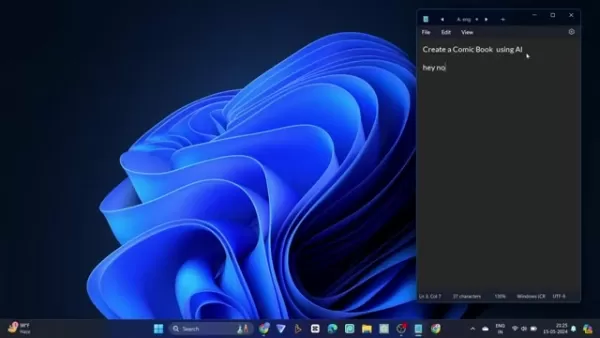
Improve AI-generated images by:
- Adjusting colors and lighting
- Adding details and textures
- Correcting flaws
- Maintaining consistent style and character design
Step 5: Compose Your Comic Book Layout and Add Dialogue
Arrange your refined panels into a cohesive layout, considering visual flow and pacing. Incorporate dialogue, captions, and sound effects to enrich the story. Follow established comic layout conventions to guide the reader’s eye and create an engaging experience. If you’re unsure, study online examples to learn how to organize elements effectively. After making adjustments, you can use AI again to improve any areas that need work.
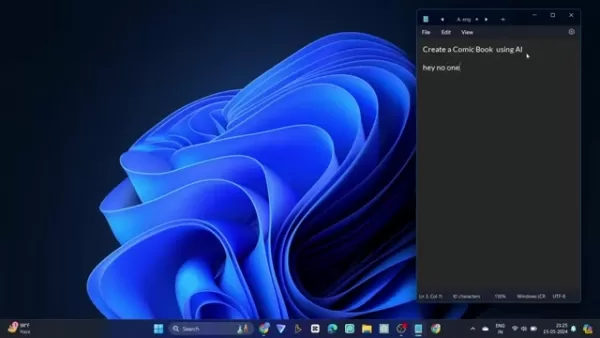
With practice, you’ll be able to create new comics more quickly.
AI Comic Book Creation: Pros and Cons
Pros
Streamlines the comic creation process
Makes comic creation accessible to those with limited artistic skills
Saves time and reduces costs
Allows exploration of various artistic styles
Helps overcome creative blocks and sparks new ideas
Cons
Raises copyright and ownership questions
Potential for misuse and unethical content
Requires refinement and editing for professional quality
Involves technology and subscription expenses
Demands creativity in prompt writing to achieve desired results
Frequently Asked Questions About AI Comic Book Creation
Are AI-generated comic books copyrightable?
Copyright laws are still adapting to AI-generated content. If you contribute significant creative input, you might qualify for copyright protection. However, this area remains complex and is continually evolving.
Can I use AI comic generators for commercial purposes?
Many AI comic generators permit commercial use, but always check each platform’s terms and conditions. Sometimes, a commercial license is required for profit-making projects.
What are the ethical considerations surrounding AI comic creation?
Ethical issues include the potential impact on human artists, copyright concerns, and the risk of generating biased or offensive content. Use AI responsibly, respect artists’ rights, and promote diversity and inclusivity in your work.
What file formats are commonly supported by AI comic generators?
Common formats include JPG, PNG, and PDF. Some tools also support vector formats like SVG, which allow scaling without quality loss.
What are the limitations of AI comic generators?
Limitations include difficulty with complex narratives, restricted style options, and the need for editing to achieve professional results. Also, AI doesn’t understand context, so poor prompts can hinder output. As technology advances, these limitations are gradually improving.
Related Questions
What kind of stories work best with AI Comic Generators?
AI Comic Generators are highly versatile, though some genres and narrative styles may yield better results. Consider these categories:Sci-Fi and Fantasy: AI is great at creating imaginative settings, advanced technology, and mythical beings, ideal for sci-fi and fantasy stories.Superhero Tales: AI can produce dynamic action sequences and striking character designs, fitting for superhero comics.Slice-of-Life and Humor: AI captures everyday scenes and comedic moments, suitable for slice-of-life stories.Horror and Suspense: AI can generate creepy imagery and tense environments, enhancing horror and suspense narratives. Explore your interests and craft prompts that reflect the tone you want.Ultimately, the best stories for AI are those that align with your vision and leverage the AI’s strengths while addressing its limitations. Experiment with different genres to uncover new storytelling possibilities.
What are the best practices for storing and organizing AI comic book assets?
Good asset management is key for an organized workflow and preserving your AI comic project. Follow these tips:Set up a clear folder structure: Organize assets by character, scene, panel, and version.Use consistent file names: Apply a uniform naming system for images, scripts, and project files.Employ version control: Use tools like Git to track changes and revert if necessary.Back up your data: Regularly save project files and assets to cloud storage or an external drive.Include metadata: Add descriptions, tags, and dates to files for easier searching and organization.These practices help keep your assets orderly, accessible, and safe from loss or damage.
Will AI Comic Books Replace Human Artists?
While AI comic generators are powerful, they are unlikely to fully replace human artists. AI can generate images and assist with certain tasks, but it lacks the artistic vision, emotional depth, and storytelling skill of humans. Instead, AI will likely complement human artists, helping them work more efficiently, explore new creative paths, and focus on areas requiring human insight. As AI technology advances, collaboration between humans and AI is expected to shape the future of comic creation.
Related article
 South Korea Breaks Ground on National AI Computing Center, Investing 2.5 Trillion Won with 2028 Target
South Korean outlet EtNews reports that groundbreaking for the Korea AI Computing Center (KOACC) took place on August 3 at the Solar City data center park in Sunan, Jeollanam-do. Backed by a total investment of 2.5 trillion KRW (roughly 11.838 billio
Six Tech Giants Back Linux Foundation With $12.5M to Tackle AI Vulnerability Noise
To tackle the flood of low-quality security reports produced by AI automation tools, six major tech companies—Anthropic, Amazon (AWS), GitHub, Google, Microsoft, and OpenAI—have collectively contributed $12.5 million in funding to Linux Foundation in
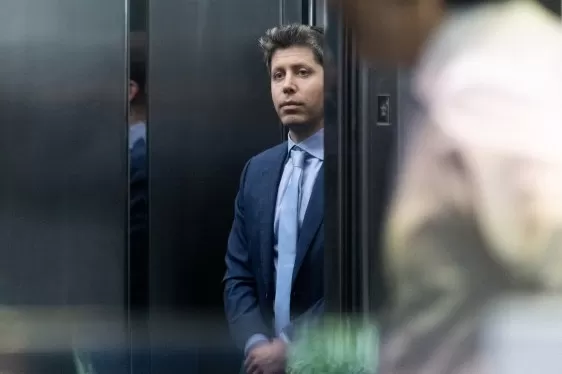
Musk Considered Leaving OpenAI to His Kids as Altman Testifies
This morning, OpenAI CEO Sam Altman took the stand to address former co-founder Elon Musk’s lawsuit challenging the company’s corporate structure.When asked about Musk’s claim that other founders “stole a charity” by launching a for-profit subsidiary
Related Special Topic Recommendations
Music composition
South Korea Breaks Ground on National AI Computing Center, Investing 2.5 Trillion Won with 2028 Target
South Korean outlet EtNews reports that groundbreaking for the Korea AI Computing Center (KOACC) took place on August 3 at the Solar City data center park in Sunan, Jeollanam-do. Backed by a total investment of 2.5 trillion KRW (roughly 11.838 billio
Six Tech Giants Back Linux Foundation With $12.5M to Tackle AI Vulnerability Noise
To tackle the flood of low-quality security reports produced by AI automation tools, six major tech companies—Anthropic, Amazon (AWS), GitHub, Google, Microsoft, and OpenAI—have collectively contributed $12.5 million in funding to Linux Foundation in
Musk Considered Leaving OpenAI to His Kids as Altman Testifies
This morning, OpenAI CEO Sam Altman took the stand to address former co-founder Elon Musk’s lawsuit challenging the company’s corporate structure.When asked about Musk’s claim that other founders “stole a charity” by launching a for-profit subsidiary
Related Special Topic Recommendations
Music composition
 AI Vocal Demo Tools for Songwriters, Hooks, Toplines, and Multilingual Draft Sessions
2026 Latest Best AI Vocal Demo Tools for Songwriters, Hook Creators, and Multi-Language Content Teams! XIX.AI has curated a top-rated list of powerful game-changing tools that go through rigorous real-world tests. You’ll find detailed free vs paid comparison data, comprehensive rankings, and must-try options to help you boost writing efficiency and unlock your creative potential. Explore now to discover your perfect tool for all your content needs!
 9 tools
 xix.ai
Business
Best AI Competitive Research Tools for Small Businesses
xix.ai
Business
Best AI Competitive Research Tools for Small Businesses
2026 Latest Best Top-rated AI Competitive Research Tools for Small Businesses! XIX.AI has curated a highly powerful game-changing collection, updated weekly with rigorous real-world tests and detailed rankings. You can find a comprehensive free vs paid comparison to help you identify the must-try tools that boost your productivity and give you a competitive edge. Explore now to discover your perfect tool!
9 tools
xix.ai
Image editing
Photoshop AI Retouch Tools for Ecommerce Apparel, Skin Cleanup, and Color Consistency
2026 Latest Best Photoshop AI retouch tools for ecommerce apparel, skin cleanup, and color consistency! This top-rated curated list features powerful game-changing solutions that help you boost writing efficiency, streamline content creation, and achieve perfect visual results effortlessly. Each tool has undergone real-world tests through weekly updated rankings, complete with free vs paid comparison details. Backed by XIX.AI, it’s the must-try guide for anyone aiming to unlock your AI edge. Explore now!
10 tools
xix.ai
Prompt
Best AI Prompt Libraries for ChatGPT Workflows
2026 Latest Best Top-Rated AI Prompt Libraries for optimizing all types of ChatGPT workflows. XIX.AI has curated a powerful, game-changing collection that goes through rigorous real-world tests to ensure top performance. You can find detailed free vs paid comparisons and expert rankings to help you choose the must-try tools that boost your productivity and unlock your AI edge. Explore now!
11 tools
xix.ai
Education and Learning
AI Quiz Builder Platforms for Teachers, Tutors, and Cohort-Based Learning Programs
2026 Latest Best AI Quiz Builder Platforms for Teachers, Tutors, and Cohort-Based Learning Programs! XIX.AI has curated a top-rated list of powerful game-changing tools that go through real-world tests to deliver accurate rankings. These must-try platforms help boost writing efficiency, streamline content creation, and simplify quiz design across all learning scenarios. Explore now to discover your perfect tool for unlocking your AI edge in teaching!
13 tools
xix.ai
code
AI Pull Request Review Tools for GitHub Teams Handling Refactors, Bugs, and Security Gaps
2026 Latest Best AI Pull Request Review Tools for GitHub Teams are here on XIX.AI! This top-rated curated list showcases powerful game-changing solutions that streamline refactoring, bug fixing, and security gap detection across all team workflows. Enjoy a free vs paid comparison along with real-world tests and detailed rankings to help you find the perfect tool that boosts productivity significantly. Explore now to unlock your AI edge!
12 tools
xix.ai

 Comments (2)
0/500
Comments (2)
0/500
![JasonKing]()
Finally, a guide that doesn't just scream 'AI will replace artists!' but actually shows how to use these tools for comics? Much needed. I've been struggling with consistency in character faces, so I'm hoping this covers prompt engineering for specific styles rather than just generic generation. Fingers crossed it's not another 10-page fluff piece.
![FrankSmith]()
¡Qué guía tan útil! Siempre quise dibujar cómics pero no tengo talento artístico. Con IA, al fin puedo dar vida a mis historias locas. Me pregunto si esto hará que la industria del cómic sea más diversa o si solo inundará el mercado de contenido genérico. ¡A probar se ha dicho! 😄
Artificial intelligence is transforming creative industries, and comic book creation is embracing this change. AI comic generators empower aspiring creators to turn their ideas into vivid visual stories with ease. This guide delves into the world of AI-driven comic creation, equipping you with the knowledge and tools to produce compelling narratives. We’ll explore different AI comic generators, effective prompting strategies, and essential tips for achieving professional-quality results. Prepare to unlock your creativity and convert your stories into dynamic, engaging comics!
Key Points
AI comic generators streamline the process of creating comics.
Crafting effective prompts is key to getting the results you want from AI.
Various AI comic generators come with distinct features and capabilities.
Refining and editing AI-generated content is vital for a polished finish.
Knowing comic book layout and design principles improves your AI creations.
Harnessing AI for Comic Book Creation
What is an AI Comic Book Generator?
An AI comic book generator is a software tool that uses artificial intelligence to produce comic book panels and pages. These platforms typically rely on deep learning models trained on extensive comic art datasets, allowing them to generate images and even narrative suggestions based on user input. The AI interprets your instructions and creates original artwork matching your specifications. This technology enables users to craft sequential art without needing traditional drawing skills. By specifying the style, characters, and scenes, you can create detailed comic panels effortlessly, opening up comic creation to a broader audience.
You can further enhance the output through edits and prompt adjustments.
Common features include:
- Generating images from text prompts
- Applying style transfer to replicate specific art styles
- Creating characters and generating poses
- Suggesting panel layouts
- Assisting with dialogue and narrative elements
The Rise of AI in Visual Storytelling
AI’s role in visual storytelling marks a significant shift in comic creation. Traditional approaches demand considerable training in illustration, character design, and sequential art. AI tools make this process more accessible, allowing those with limited artistic experience to bring their ideas to life. AI speeds up production, letting creators concentrate on story development and refining AI-generated content instead of drawing every detail manually. Additionally, AI helps overcome creative hurdles and explore varied artistic styles, expanding the scope of visual storytelling. AI-assisted creation optimizes publishing and pre-production, enabling artists to produce more content efficiently.
Choosing the Right AI Comic Generator
Picking the right AI comic generator depends on your specific goals and how much control you want. Various platforms offer different advantages and limitations. Keep these factors in mind when deciding:
- Image quality: Check the resolution, detail, and visual appeal of the generated images.
- Style options: See if the generator provides a wide range of artistic styles to suit your vision.
- Customization: Evaluate how much you can adjust character designs, panel layouts, and story elements.
- Ease of use: Opt for a platform with an intuitive interface and straightforward controls.
- Pricing: Compare subscription plans and costs to find one that fits your budget.
AI Comic Generation Tools
Several AI comic generation tools are available to help you create comics with ease. Here are some options to explore:
- Hugging Face AI Comic Factory: An online tool that lets you generate comic books using Hugging Face Space.
- Midjourney: A well-known AI tool praised for producing stylized, artistic images; ideal for crafting detailed panels with precise prompts.
- Canva: Enables users to design visually appealing content, including comic strips, using various templates and customization features.
Here is a table highlighting some of the features of these AI Comic Generation tools:
| Tool | Key Features | Price Range |
|---|---|---|
| Hugging Face AI Comic Factory | Generates comic books via Hugging Face Space, with diverse design templates. | Free for basic use; paid plans for full features. |
| Midjourney | Creates stylized, artistic images using detailed prompts. | Subscription-based, starting at $10/month. |
| Canva | Offers templates and customization for comic strips. | Free plan available; paid plans from $12.99/month. |
Crafting Compelling Prompts for AI Comic Creation
The Art of Prompt Engineering
Prompt engineering is essential for directing the AI to deliver the results you envision. A well-written prompt gives clear, concise instructions, helping the AI grasp your concept and generate relevant content. Begin by outlining the scene, characters, and preferred art style. Test different keywords and phrases to fine-tune your prompts and get the best outcomes. The more detailed and descriptive you are, the better the AI can execute your ideas.
Remember, iteration is crucial for creating great comics; you might need to revise your prompts multiple times. As your skills improve, you’ll rely less on external editing tools.
Key Elements of Effective Prompts
An effective prompt can significantly impact your AI-generated comic. Here are the key components for crafting successful prompts:
- Subject: Identify the main focus of the panel (e.g., a superhero fighting a villain).
- Setting: Describe the environment (e.g., a futuristic city or a dark alley).
- Characters: Detail their looks, pose, and expressions.
- Artistic style: Specify the desired art style (e.g., manga, American comic, watercolor).
- Composition: Outline the panel’s layout (e.g., close-up, wide shot, dynamic angle).
- Mood: Convey the overall atmosphere or emotion (e.g., suspenseful, funny, dramatic).
Including these elements in your prompts helps communicate your vision clearly, so the AI produces images that match your goals. Experiment with different combinations and wording to find what works best for you.
Prompt Examples for Different Comic Styles
Here are some sample prompts for various comic styles you can try:
- Manga: "A teenage girl with bright pink hair in a school uniform, standing in a park filled with cherry blossoms. Soft lighting, detailed lines, vibrant colors, manga style."
- American Comic Book: "A muscular superhero flying through a futuristic city. Dynamic pose, detailed anatomy, bold colors, dramatic shadows, American comic book style."
- Watercolor: "A whimsical forest scene featuring a cute animal character. Soft textures, delicate brushstrokes, pastel colors, dreamy atmosphere, watercolor style."
These examples show how to blend key elements to evoke specific styles and themes. Adapt them to your own concepts and experiment to discover unique, captivating outcomes.
A Step-by-Step Guide to AI Comic Book Creation
Step 1: Define Your Story and Characters
Before using AI tools, establish a clear vision for your comic. Outline the story, develop your characters, and sketch key scenes. A solid foundation helps you create better prompts and guides the AI to generate content that supports your narrative.
- Create a story outline: Plot the main events, conflicts, and resolutions.
- Design your characters: Define their appearance, personality, and motivations.
- Visualize key scenes: Imagine the most crucial moments in your story.
Step 2: Choose Your AI Comic Generator
Select an AI comic generator that fits your needs and desired control level. Consider image quality, style options, customization features, and cost. Also, check if the generator integrates well with other AI applications for a smoother workflow.
Step 3: Craft Your Prompts and Generate Images
Using your story and character details, write detailed prompts for each panel. Be specific about the subject, setting, characters, art style, and composition. Generate images with your chosen tool and review the results. Remember, refined prompts lead to better outputs and reduce the need for post-production. The more effort you put into your prompts, the closer you’ll get to your desired outcome.
Try multiple prompts and generate several variations until you’re satisfied.
Step 4: Refine and Edit Your AI-Generated Content
Although AI generators can produce impressive images, some refinement is often needed. Use tools like Photoshop or GIMP to adjust colors, add details, and fix imperfections. Ensure any images you use are properly licensed or royalty-free.
Improve AI-generated images by:
- Adjusting colors and lighting
- Adding details and textures
- Correcting flaws
- Maintaining consistent style and character design
Step 5: Compose Your Comic Book Layout and Add Dialogue
Arrange your refined panels into a cohesive layout, considering visual flow and pacing. Incorporate dialogue, captions, and sound effects to enrich the story. Follow established comic layout conventions to guide the reader’s eye and create an engaging experience. If you’re unsure, study online examples to learn how to organize elements effectively. After making adjustments, you can use AI again to improve any areas that need work.
With practice, you’ll be able to create new comics more quickly.
AI Comic Book Creation: Pros and Cons
Pros
Streamlines the comic creation process
Makes comic creation accessible to those with limited artistic skills
Saves time and reduces costs
Allows exploration of various artistic styles
Helps overcome creative blocks and sparks new ideas
Cons
Raises copyright and ownership questions
Potential for misuse and unethical content
Requires refinement and editing for professional quality
Involves technology and subscription expenses
Demands creativity in prompt writing to achieve desired results
Frequently Asked Questions About AI Comic Book Creation
Are AI-generated comic books copyrightable?
Copyright laws are still adapting to AI-generated content. If you contribute significant creative input, you might qualify for copyright protection. However, this area remains complex and is continually evolving.
Can I use AI comic generators for commercial purposes?
Many AI comic generators permit commercial use, but always check each platform’s terms and conditions. Sometimes, a commercial license is required for profit-making projects.
What are the ethical considerations surrounding AI comic creation?
Ethical issues include the potential impact on human artists, copyright concerns, and the risk of generating biased or offensive content. Use AI responsibly, respect artists’ rights, and promote diversity and inclusivity in your work.
What file formats are commonly supported by AI comic generators?
Common formats include JPG, PNG, and PDF. Some tools also support vector formats like SVG, which allow scaling without quality loss.
What are the limitations of AI comic generators?
Limitations include difficulty with complex narratives, restricted style options, and the need for editing to achieve professional results. Also, AI doesn’t understand context, so poor prompts can hinder output. As technology advances, these limitations are gradually improving.
Related Questions
What kind of stories work best with AI Comic Generators?
AI Comic Generators are highly versatile, though some genres and narrative styles may yield better results. Consider these categories:Sci-Fi and Fantasy: AI is great at creating imaginative settings, advanced technology, and mythical beings, ideal for sci-fi and fantasy stories.Superhero Tales: AI can produce dynamic action sequences and striking character designs, fitting for superhero comics.Slice-of-Life and Humor: AI captures everyday scenes and comedic moments, suitable for slice-of-life stories.Horror and Suspense: AI can generate creepy imagery and tense environments, enhancing horror and suspense narratives. Explore your interests and craft prompts that reflect the tone you want.Ultimately, the best stories for AI are those that align with your vision and leverage the AI’s strengths while addressing its limitations. Experiment with different genres to uncover new storytelling possibilities.
What are the best practices for storing and organizing AI comic book assets?
Good asset management is key for an organized workflow and preserving your AI comic project. Follow these tips:Set up a clear folder structure: Organize assets by character, scene, panel, and version.Use consistent file names: Apply a uniform naming system for images, scripts, and project files.Employ version control: Use tools like Git to track changes and revert if necessary.Back up your data: Regularly save project files and assets to cloud storage or an external drive.Include metadata: Add descriptions, tags, and dates to files for easier searching and organization.These practices help keep your assets orderly, accessible, and safe from loss or damage.
Will AI Comic Books Replace Human Artists?
While AI comic generators are powerful, they are unlikely to fully replace human artists. AI can generate images and assist with certain tasks, but it lacks the artistic vision, emotional depth, and storytelling skill of humans. Instead, AI will likely complement human artists, helping them work more efficiently, explore new creative paths, and focus on areas requiring human insight. As AI technology advances, collaboration between humans and AI is expected to shape the future of comic creation.








 South Korea Breaks Ground on National AI Computing Center, Investing 2.5 Trillion Won with 2028 Target
South Korean outlet EtNews reports that groundbreaking for the Korea AI Computing Center (KOACC) took place on August 3 at the Solar City data center park in Sunan, Jeollanam-do. Backed by a total investment of 2.5 trillion KRW (roughly 11.838 billio
South Korea Breaks Ground on National AI Computing Center, Investing 2.5 Trillion Won with 2028 Target
South Korean outlet EtNews reports that groundbreaking for the Korea AI Computing Center (KOACC) took place on August 3 at the Solar City data center park in Sunan, Jeollanam-do. Backed by a total investment of 2.5 trillion KRW (roughly 11.838 billio
 Six Tech Giants Back Linux Foundation With $12.5M to Tackle AI Vulnerability Noise
To tackle the flood of low-quality security reports produced by AI automation tools, six major tech companies—Anthropic, Amazon (AWS), GitHub, Google, Microsoft, and OpenAI—have collectively contributed $12.5 million in funding to Linux Foundation in
Six Tech Giants Back Linux Foundation With $12.5M to Tackle AI Vulnerability Noise
To tackle the flood of low-quality security reports produced by AI automation tools, six major tech companies—Anthropic, Amazon (AWS), GitHub, Google, Microsoft, and OpenAI—have collectively contributed $12.5 million in funding to Linux Foundation in
 Musk Considered Leaving OpenAI to His Kids as Altman Testifies
This morning, OpenAI CEO Sam Altman took the stand to address former co-founder Elon Musk’s lawsuit challenging the company’s corporate structure.When asked about Musk’s claim that other founders “stole a charity” by launching a for-profit subsidiary
Musk Considered Leaving OpenAI to His Kids as Altman Testifies
This morning, OpenAI CEO Sam Altman took the stand to address former co-founder Elon Musk’s lawsuit challenging the company’s corporate structure.When asked about Musk’s claim that other founders “stole a charity” by launching a for-profit subsidiary

2026 Latest Best AI Vocal Demo Tools for Songwriters, Hook Creators, and Multi-Language Content Teams! XIX.AI has curated a top-rated list of powerful game-changing tools that go through rigorous real-world tests. You’ll find detailed free vs paid comparison data, comprehensive rankings, and must-try options to help you boost writing efficiency and unlock your creative potential. Explore now to discover your perfect tool for all your content needs!
9 tools
xix.ai

2026 Latest Best Top-rated AI Competitive Research Tools for Small Businesses! XIX.AI has curated a highly powerful game-changing collection, updated weekly with rigorous real-world tests and detailed rankings. You can find a comprehensive free vs paid comparison to help you identify the must-try tools that boost your productivity and give you a competitive edge. Explore now to discover your perfect tool!
9 tools
xix.ai

2026 Latest Best Photoshop AI retouch tools for ecommerce apparel, skin cleanup, and color consistency! This top-rated curated list features powerful game-changing solutions that help you boost writing efficiency, streamline content creation, and achieve perfect visual results effortlessly. Each tool has undergone real-world tests through weekly updated rankings, complete with free vs paid comparison details. Backed by XIX.AI, it’s the must-try guide for anyone aiming to unlock your AI edge. Explore now!
10 tools
xix.ai
2026 Latest Best Top-Rated AI Prompt Libraries for optimizing all types of ChatGPT workflows. XIX.AI has curated a powerful, game-changing collection that goes through rigorous real-world tests to ensure top performance. You can find detailed free vs paid comparisons and expert rankings to help you choose the must-try tools that boost your productivity and unlock your AI edge. Explore now!
11 tools
xix.ai

2026 Latest Best AI Quiz Builder Platforms for Teachers, Tutors, and Cohort-Based Learning Programs! XIX.AI has curated a top-rated list of powerful game-changing tools that go through real-world tests to deliver accurate rankings. These must-try platforms help boost writing efficiency, streamline content creation, and simplify quiz design across all learning scenarios. Explore now to discover your perfect tool for unlocking your AI edge in teaching!
13 tools
xix.ai

2026 Latest Best AI Pull Request Review Tools for GitHub Teams are here on XIX.AI! This top-rated curated list showcases powerful game-changing solutions that streamline refactoring, bug fixing, and security gap detection across all team workflows. Enjoy a free vs paid comparison along with real-world tests and detailed rankings to help you find the perfect tool that boosts productivity significantly. Explore now to unlock your AI edge!
12 tools
xix.ai

Finally, a guide that doesn't just scream 'AI will replace artists!' but actually shows how to use these tools for comics? Much needed. I've been struggling with consistency in character faces, so I'm hoping this covers prompt engineering for specific styles rather than just generic generation. Fingers crossed it's not another 10-page fluff piece.
¡Qué guía tan útil! Siempre quise dibujar cómics pero no tengo talento artístico. Con IA, al fin puedo dar vida a mis historias locas. Me pregunto si esto hará que la industria del cómic sea más diversa o si solo inundará el mercado de contenido genérico. ¡A probar se ha dicho! 😄












