


 Home
HomeMusk Considered Leaving OpenAI to His Kids as Altman Testifies
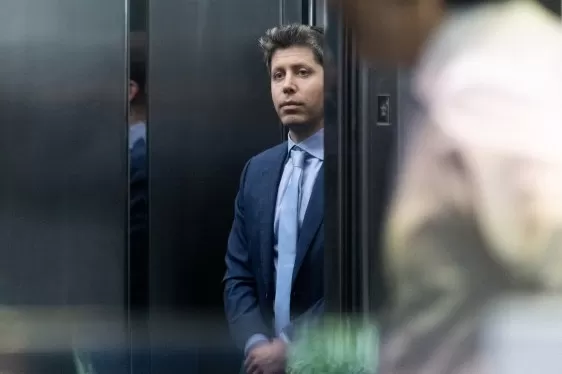
This morning, OpenAI CEO Sam Altman took the stand to address former co-founder Elon Musk’s lawsuit challenging the company’s corporate structure.
When asked about Musk’s claim that other founders “stole a charity” by launching a for-profit subsidiary to market AI-based products, Altman responded with visible hesitation.
“It’s hard to even process that framing,” Altman said after a pause. “We established one of the world’s largest charities. The foundation is doing incredible work and will continue to do much more.”
Musk’s legal team highlighted that OpenAI’s foundation, now holding assets worth approximately $200 billion, did not employ full-time staff until earlier this year. OpenAI board chair Bret Taylor testified today that this delay was due to the difficulty of converting OpenAI equity into cash, a process completed during the organization’s 2025 restructuring.
Musk’s lawyers argue that safety commitments were compromised as OpenAI’s commercial influence expanded. However, Altman stated that in 2017, during a critical funding phase for AI models, Musk’s “specific safety plans raised concerns.”
Altman recalled a “particularly alarming” moment in debates when Musk was asked what would happen if he died while controlling a hypothetical for-profit OpenAI. According to Altman, Musk replied, “maybe OpenAI should pass to my children.”
Altman explained that Musk’s focus on controlling the initial for-profit entity was concerning because OpenAI was committed to preventing advanced AI from falling under a single individual’s control. Drawing on his experience running Y Combinator, Altman noted that “founders with control rarely relinquish it.”
Altman also testified that Musk’s management style, effective in engineering and manufacturing, was unsuitable for OpenAI.
“I don’t believe Mr. Musk understood how to run a successful research lab,” Altman said. “He demotivated several key researchers. At one point, he required Greg and Ilya to list researchers, rank their accomplishments, and cut staff with a ‘chainsaw.’ This caused significant long-term damage to the organization’s culture.”
Altman positioned himself as defending the “sweat equity” of co-founders Greg Brockman and Ilya Sutskever, who effectively ran OpenAI while Musk and Altman held other positions.
After this dispute remained unresolved, Musk left OpenAI’s board and launched competing AI initiatives at Tesla and his own startup, xAI. Nevertheless, Altman maintained contact with the unpredictable businessman, providing updates on OpenAI’s progress and seeking his funding and advice.
OpenAI’s lawyers pointed out that Musk was kept informed and invited to participate in investments that his lawsuits now claim corrupted the non-profit.
During a 2018 discussion about a Microsoft investment in OpenAI, Altman described it as “a good vibes meeting,” noting that Musk spent a “long conversation showing us memes on his phone.”
Related article
 ByteDance’s Seed launches global campus drive, offering virtual shares to win top large model talent
In the competitive landscape of large language models, securing top-tier talent remains the most critical strategic asset.On April 1st, ByteDance announced the launch of its Seed global campus recruitment initiative, part of its large model talent de
Suno to Watermark Songs Amid Legal Battles
Suno, the platform enabling users to generate AI-created music, has unveiled new features to label platform-produced tracks, restrict downloads, and update community standards to curb unauthorized replicas. These updates arrive as Suno confronts mult
Musk Admits Grok Build Leaked User Code, Promises to Erase All Historical Data
Elon Musk directly addressed the privacy controversy surrounding Grok Build, beginning with a simple "True" to confirm the incident's validity. He pledged that all user data previously uploaded to SpaceXAI would be permanently erased, stating, "not a
Related Special Topic Recommendations
Design & Art
ByteDance’s Seed launches global campus drive, offering virtual shares to win top large model talent
In the competitive landscape of large language models, securing top-tier talent remains the most critical strategic asset.On April 1st, ByteDance announced the launch of its Seed global campus recruitment initiative, part of its large model talent de
Suno to Watermark Songs Amid Legal Battles
Suno, the platform enabling users to generate AI-created music, has unveiled new features to label platform-produced tracks, restrict downloads, and update community standards to curb unauthorized replicas. These updates arrive as Suno confronts mult
Musk Admits Grok Build Leaked User Code, Promises to Erase All Historical Data
Elon Musk directly addressed the privacy controversy surrounding Grok Build, beginning with a simple "True" to confirm the incident's validity. He pledged that all user data previously uploaded to SpaceXAI would be permanently erased, stating, "not a
Related Special Topic Recommendations
Design & Art
 AI Visual Style Reference Tools for Character Sheets, Moodboards, and Pitch Decks
2026 Latest Best AI Visual Style Reference Tools for Character Sheets, Moodboards, and Pitch Decks are here on XIX.AI! This curated top-rated list features powerful game-changing tools that go through rigorous real-world tests. You’ll find a free vs paid comparison, detailed rankings, and must-try options to help you boost creativity and streamline your workflow. Explore now to discover your perfect tool for boosting productivity!
 11 tools
 xix.ai
SEO
Best AI SERP Analysis Tools for Search Strategy
xix.ai
SEO
Best AI SERP Analysis Tools for Search Strategy
2026 Latest Best Top-rated AI SERP Analysis Tools for Search Strategy are curated by XIX.AI through rigorous real-world tests and weekly updated rankings. These powerful tools help you unlock hidden optimization opportunities, boost content performance, and gain a competitive edge in search. Discover your perfect tool to elevate your search strategy today. Explore now!
13 tools
xix.ai
Data Analysis
Best AI Anomaly Detection Tools for KPI Monitoring across SaaS and Ecommerce Teams
2026 Latest Best Top-rated AI Anomaly Detection Tools for KPI Monitoring in SaaS and Ecommerce teams! XIX.AI has curated a powerful, game-changing collection based on rigorous real-world tests and weekly updated rankings. You’ll find detailed free vs paid comparison insights to help you identify the must-try solution that boosts productivity and unlocks your AI edge. Explore now!
10 tools
xix.ai
writing
Best AI Outline Generators for Long-Form SEO Articles
2026 Latest Best Top-Rated AI Outline Generators for Long-Form SEO Articles, meticulously curated by XIX.AI. These powerful tools offer game-changing assistance in creating high-quality content quickly, boosting writing efficiency significantly. Get a free vs paid comparison along with real-world tests and detailed rankings to help you find the must-try option that suits your needs. Explore now to unlock your AI edge.
8 tools
xix.ai
Education and Learning
AI Study Tools for Homework and Exam Prep
2026 Latest Best AI Study Tools for Homework and Exam Prep! XIX.AI curates a top-rated list of powerful, game-changing tools that help students boost productivity, streamline homework completion, and ace exams through real-world tests. Get a free vs paid comparison, detailed rankings, and must-try options to unlock your AI edge. Explore now!
10 tools
xix.ai
Music composition
AI Vocal Demo Tools for Songwriters, Hooks, Toplines, and Multilingual Draft Sessions
2026 Latest Best AI Vocal Demo Tools for Songwriters, Hook Creators, and Multi-Language Content Teams! XIX.AI has curated a top-rated list of powerful game-changing tools that go through rigorous real-world tests. You’ll find detailed free vs paid comparison data, comprehensive rankings, and must-try options to help you boost writing efficiency and unlock your creative potential. Explore now to discover your perfect tool for all your content needs!
9 tools
xix.ai

 Comments (0)
0/500
Comments (0)
0/500
This morning, OpenAI CEO Sam Altman took the stand to address former co-founder Elon Musk’s lawsuit challenging the company’s corporate structure.
When asked about Musk’s claim that other founders “stole a charity” by launching a for-profit subsidiary to market AI-based products, Altman responded with visible hesitation.
“It’s hard to even process that framing,” Altman said after a pause. “We established one of the world’s largest charities. The foundation is doing incredible work and will continue to do much more.”
Musk’s legal team highlighted that OpenAI’s foundation, now holding assets worth approximately $200 billion, did not employ full-time staff until earlier this year. OpenAI board chair Bret Taylor testified today that this delay was due to the difficulty of converting OpenAI equity into cash, a process completed during the organization’s 2025 restructuring.
Musk’s lawyers argue that safety commitments were compromised as OpenAI’s commercial influence expanded. However, Altman stated that in 2017, during a critical funding phase for AI models, Musk’s “specific safety plans raised concerns.”
Altman recalled a “particularly alarming” moment in debates when Musk was asked what would happen if he died while controlling a hypothetical for-profit OpenAI. According to Altman, Musk replied, “maybe OpenAI should pass to my children.”
Altman explained that Musk’s focus on controlling the initial for-profit entity was concerning because OpenAI was committed to preventing advanced AI from falling under a single individual’s control. Drawing on his experience running Y Combinator, Altman noted that “founders with control rarely relinquish it.”
Altman also testified that Musk’s management style, effective in engineering and manufacturing, was unsuitable for OpenAI.
“I don’t believe Mr. Musk understood how to run a successful research lab,” Altman said. “He demotivated several key researchers. At one point, he required Greg and Ilya to list researchers, rank their accomplishments, and cut staff with a ‘chainsaw.’ This caused significant long-term damage to the organization’s culture.”
Altman positioned himself as defending the “sweat equity” of co-founders Greg Brockman and Ilya Sutskever, who effectively ran OpenAI while Musk and Altman held other positions.
After this dispute remained unresolved, Musk left OpenAI’s board and launched competing AI initiatives at Tesla and his own startup, xAI. Nevertheless, Altman maintained contact with the unpredictable businessman, providing updates on OpenAI’s progress and seeking his funding and advice.
OpenAI’s lawyers pointed out that Musk was kept informed and invited to participate in investments that his lawsuits now claim corrupted the non-profit.
During a 2018 discussion about a Microsoft investment in OpenAI, Altman described it as “a good vibes meeting,” noting that Musk spent a “long conversation showing us memes on his phone.”








 ByteDance’s Seed launches global campus drive, offering virtual shares to win top large model talent
In the competitive landscape of large language models, securing top-tier talent remains the most critical strategic asset.On April 1st, ByteDance announced the launch of its Seed global campus recruitment initiative, part of its large model talent de
ByteDance’s Seed launches global campus drive, offering virtual shares to win top large model talent
In the competitive landscape of large language models, securing top-tier talent remains the most critical strategic asset.On April 1st, ByteDance announced the launch of its Seed global campus recruitment initiative, part of its large model talent de
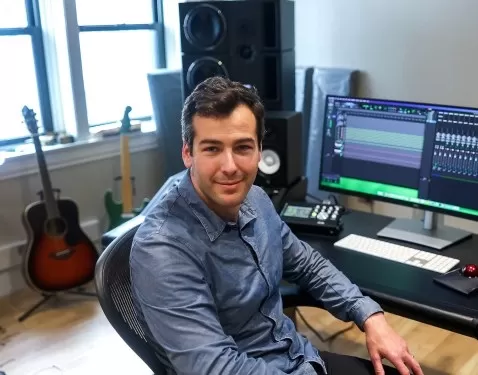 Suno to Watermark Songs Amid Legal Battles
Suno, the platform enabling users to generate AI-created music, has unveiled new features to label platform-produced tracks, restrict downloads, and update community standards to curb unauthorized replicas. These updates arrive as Suno confronts mult
Suno to Watermark Songs Amid Legal Battles
Suno, the platform enabling users to generate AI-created music, has unveiled new features to label platform-produced tracks, restrict downloads, and update community standards to curb unauthorized replicas. These updates arrive as Suno confronts mult
 Musk Admits Grok Build Leaked User Code, Promises to Erase All Historical Data
Elon Musk directly addressed the privacy controversy surrounding Grok Build, beginning with a simple "True" to confirm the incident's validity. He pledged that all user data previously uploaded to SpaceXAI would be permanently erased, stating, "not a
Musk Admits Grok Build Leaked User Code, Promises to Erase All Historical Data
Elon Musk directly addressed the privacy controversy surrounding Grok Build, beginning with a simple "True" to confirm the incident's validity. He pledged that all user data previously uploaded to SpaceXAI would be permanently erased, stating, "not a

2026 Latest Best AI Visual Style Reference Tools for Character Sheets, Moodboards, and Pitch Decks are here on XIX.AI! This curated top-rated list features powerful game-changing tools that go through rigorous real-world tests. You’ll find a free vs paid comparison, detailed rankings, and must-try options to help you boost creativity and streamline your workflow. Explore now to discover your perfect tool for boosting productivity!
11 tools
xix.ai

2026 Latest Best Top-rated AI SERP Analysis Tools for Search Strategy are curated by XIX.AI through rigorous real-world tests and weekly updated rankings. These powerful tools help you unlock hidden optimization opportunities, boost content performance, and gain a competitive edge in search. Discover your perfect tool to elevate your search strategy today. Explore now!
13 tools
xix.ai

2026 Latest Best Top-rated AI Anomaly Detection Tools for KPI Monitoring in SaaS and Ecommerce teams! XIX.AI has curated a powerful, game-changing collection based on rigorous real-world tests and weekly updated rankings. You’ll find detailed free vs paid comparison insights to help you identify the must-try solution that boosts productivity and unlocks your AI edge. Explore now!
10 tools
xix.ai

2026 Latest Best Top-Rated AI Outline Generators for Long-Form SEO Articles, meticulously curated by XIX.AI. These powerful tools offer game-changing assistance in creating high-quality content quickly, boosting writing efficiency significantly. Get a free vs paid comparison along with real-world tests and detailed rankings to help you find the must-try option that suits your needs. Explore now to unlock your AI edge.
8 tools
xix.ai

2026 Latest Best AI Study Tools for Homework and Exam Prep! XIX.AI curates a top-rated list of powerful, game-changing tools that help students boost productivity, streamline homework completion, and ace exams through real-world tests. Get a free vs paid comparison, detailed rankings, and must-try options to unlock your AI edge. Explore now!
10 tools
xix.ai

2026 Latest Best AI Vocal Demo Tools for Songwriters, Hook Creators, and Multi-Language Content Teams! XIX.AI has curated a top-rated list of powerful game-changing tools that go through rigorous real-world tests. You’ll find detailed free vs paid comparison data, comprehensive rankings, and must-try options to help you boost writing efficiency and unlock your creative potential. Explore now to discover your perfect tool for all your content needs!
9 tools
xix.ai












