


 Home
HomeApple Opens Key iOS Features to Third-Party Devices
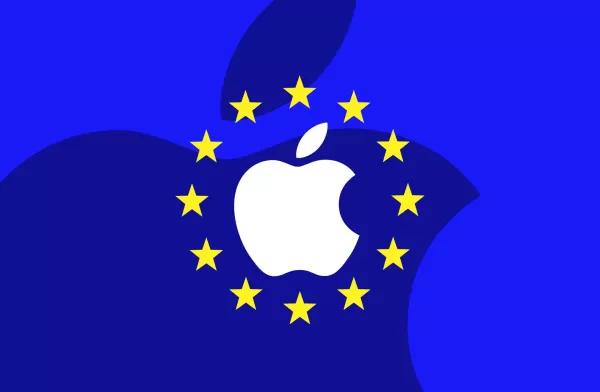
The European Union has issued precise specifications detailing Apple's required improvements to iOS interoperability, with the guidelines clarifying which functionalities may become accessible to competing smartwatches, headphones, and speakers.
The technical standards adopted by the European Commission this Tuesday provide explicit instructions for opening iPhone and iPad operating systems to meet Digital Markets Act (DMA) compliance. These measures involve two distinct approaches: one streamlines the application procedure for developers seeking interoperability with Apple’s ecosystem, while the other—more impactful for consumers—explicitly lists nine iOS-exclusive connectivity features that must be made available to third-party platforms. According to the EU mandate, most features must be accessible “by the end of 2025 at the latest.”
A key requirement involves opening iOS notification access, enabling third-party smartwatches to display and interact with alerts in ways currently exclusive to Apple Watch. Similarly, background app functionality will allow non-Apple devices to reliably receive real-time data such as news feeds and weather updates from iPhones.
Features like SharePlay and automatic audio switching—which let Apple headphones seamlessly transition between Apple devices—must now be supported by third-party audio equipment, reducing the need for AirPods. Third-party VR headsets will also gain access to high-bandwidth iPhone connections currently reserved for Apple hardware.
Cross-platform data transfer via AirDrop and AirPlay will be mandated, with iOS required to support alternative services to both. Additional enhancements will simplify setup processes for accessory devices, enable automatic Wi-Fi network connections through iPhones, and allow contactless payment credential transfers via NFC.
These specifications are legally binding under DMA obligations. Failure to implement them by designated deadlines could trigger non-compliance investigations, potentially resulting in fines up to 10% of Apple’s global annual revenue.
Apple retains the right to challenge the ruling through judicial review. The company has already signaled potential opposition, stating that the EU’s requirements are “bad for our products and for our European users.” Nevertheless, the EU remains confident its ruling will ultimately open Apple’s ecosystem to broader third-party integration.
Related article
 OpenAI fights Apple trade secret lawsuit
OpenAI rebutted Apple’s trade secret allegations on Tuesday, arguing the lawsuit is unfounded.“We take these claims seriously but see no evidence supporting them,” OpenAI stated, as reported by Bloomberg’s Ed Ludlow on X. “We support fair competition
Microsoft, Azure and AI Tech Combat California Wildfire Risks
Microsoft invests in AI-driven wildfire detection, with Juan Lavista Ferres, CVP and Chief Data Scientist, discussing strategies to mitigate environmental damage.According to NASA, climate change impacts everyone on Earth, manifesting as rising tempe
Microsoft CEO Slams AI Labs Over Distillation
Satya Nadella, Microsoft’s CEO, calls out AI labs for hypocrisy regarding distillation criticism, a remark widely interpreted as targeting Anthropic. Credit: Getty ImagesMicrosoft CEO Satya Nadella challenges AI developers for limiting model distilla
Related Special Topic Recommendations
Music composition
OpenAI fights Apple trade secret lawsuit
OpenAI rebutted Apple’s trade secret allegations on Tuesday, arguing the lawsuit is unfounded.“We take these claims seriously but see no evidence supporting them,” OpenAI stated, as reported by Bloomberg’s Ed Ludlow on X. “We support fair competition
Microsoft, Azure and AI Tech Combat California Wildfire Risks
Microsoft invests in AI-driven wildfire detection, with Juan Lavista Ferres, CVP and Chief Data Scientist, discussing strategies to mitigate environmental damage.According to NASA, climate change impacts everyone on Earth, manifesting as rising tempe
Microsoft CEO Slams AI Labs Over Distillation
Satya Nadella, Microsoft’s CEO, calls out AI labs for hypocrisy regarding distillation criticism, a remark widely interpreted as targeting Anthropic. Credit: Getty ImagesMicrosoft CEO Satya Nadella challenges AI developers for limiting model distilla
Related Special Topic Recommendations
Music composition
 AI Vocal Demo Tools for Songwriters, Hooks, Toplines, and Multilingual Draft Sessions
2026 Latest Best AI Vocal Demo Tools for Songwriters, Hook Creators, and Multi-Language Content Teams! XIX.AI has curated a top-rated list of powerful game-changing tools that go through rigorous real-world tests. You’ll find detailed free vs paid comparison data, comprehensive rankings, and must-try options to help you boost writing efficiency and unlock your creative potential. Explore now to discover your perfect tool for all your content needs!
 9 tools
 xix.ai
Business
Best AI Competitive Research Tools for Small Businesses
xix.ai
Business
Best AI Competitive Research Tools for Small Businesses
2026 Latest Best Top-rated AI Competitive Research Tools for Small Businesses! XIX.AI has curated a highly powerful game-changing collection, updated weekly with rigorous real-world tests and detailed rankings. You can find a comprehensive free vs paid comparison to help you identify the must-try tools that boost your productivity and give you a competitive edge. Explore now to discover your perfect tool!
9 tools
xix.ai
Image editing
Photoshop AI Retouch Tools for Ecommerce Apparel, Skin Cleanup, and Color Consistency
2026 Latest Best Photoshop AI retouch tools for ecommerce apparel, skin cleanup, and color consistency! This top-rated curated list features powerful game-changing solutions that help you boost writing efficiency, streamline content creation, and achieve perfect visual results effortlessly. Each tool has undergone real-world tests through weekly updated rankings, complete with free vs paid comparison details. Backed by XIX.AI, it’s the must-try guide for anyone aiming to unlock your AI edge. Explore now!
10 tools
xix.ai
Prompt
Best AI Prompt Libraries for ChatGPT Workflows
2026 Latest Best Top-Rated AI Prompt Libraries for optimizing all types of ChatGPT workflows. XIX.AI has curated a powerful, game-changing collection that goes through rigorous real-world tests to ensure top performance. You can find detailed free vs paid comparisons and expert rankings to help you choose the must-try tools that boost your productivity and unlock your AI edge. Explore now!
11 tools
xix.ai
Education and Learning
AI Quiz Builder Platforms for Teachers, Tutors, and Cohort-Based Learning Programs
2026 Latest Best AI Quiz Builder Platforms for Teachers, Tutors, and Cohort-Based Learning Programs! XIX.AI has curated a top-rated list of powerful game-changing tools that go through real-world tests to deliver accurate rankings. These must-try platforms help boost writing efficiency, streamline content creation, and simplify quiz design across all learning scenarios. Explore now to discover your perfect tool for unlocking your AI edge in teaching!
13 tools
xix.ai
code
AI Pull Request Review Tools for GitHub Teams Handling Refactors, Bugs, and Security Gaps
2026 Latest Best AI Pull Request Review Tools for GitHub Teams are here on XIX.AI! This top-rated curated list showcases powerful game-changing solutions that streamline refactoring, bug fixing, and security gap detection across all team workflows. Enjoy a free vs paid comparison along with real-world tests and detailed rankings to help you find the perfect tool that boosts productivity significantly. Explore now to unlock your AI edge!
12 tools
xix.ai

 Comments (3)
0/500
Comments (3)
0/500
![NicholasClark]()
EUの規制でApple Watch以外のスマートウォッチが使えるようになるのか?正直、バッテリーの最適化やシームレスな連携が損なわれるのが心配だ。技術的には面白いけど、ユーザー体験が低下したら本末転倒だよな。🤔 #iOS #EU
![AnthonyJohnson]()
Esto es algo que llevaba tiempo esperando! 🔥 Por fin Apple abre un poco sus sistemas, aunque sea por presión de la UE. Me alegra pensar que podré usar mi reloj no-Apple con el iPhone sin limitaciones extremas. ¿Creéis que esto impulsará más innovación en accesorios? Será interesante ver cómo reacciona el mercado.
![JohnGarcia]()
Interesante, pero me pregunto si Apple va a implementar estas aperturas en la UE de verdad o solo lo mínimo obligatorio 🧐. Sería bueno que mi smartwatch de otra marca pudiera conectarse mejor, pero dudo que den acceso completo a funciones como Siri.
The European Union has issued precise specifications detailing Apple's required improvements to iOS interoperability, with the guidelines clarifying which functionalities may become accessible to competing smartwatches, headphones, and speakers.
The technical standards adopted by the European Commission this Tuesday provide explicit instructions for opening iPhone and iPad operating systems to meet Digital Markets Act (DMA) compliance. These measures involve two distinct approaches: one streamlines the application procedure for developers seeking interoperability with Apple’s ecosystem, while the other—more impactful for consumers—explicitly lists nine iOS-exclusive connectivity features that must be made available to third-party platforms. According to the EU mandate, most features must be accessible “by the end of 2025 at the latest.”
A key requirement involves opening iOS notification access, enabling third-party smartwatches to display and interact with alerts in ways currently exclusive to Apple Watch. Similarly, background app functionality will allow non-Apple devices to reliably receive real-time data such as news feeds and weather updates from iPhones.
Features like SharePlay and automatic audio switching—which let Apple headphones seamlessly transition between Apple devices—must now be supported by third-party audio equipment, reducing the need for AirPods. Third-party VR headsets will also gain access to high-bandwidth iPhone connections currently reserved for Apple hardware.
Cross-platform data transfer via AirDrop and AirPlay will be mandated, with iOS required to support alternative services to both. Additional enhancements will simplify setup processes for accessory devices, enable automatic Wi-Fi network connections through iPhones, and allow contactless payment credential transfers via NFC.
These specifications are legally binding under DMA obligations. Failure to implement them by designated deadlines could trigger non-compliance investigations, potentially resulting in fines up to 10% of Apple’s global annual revenue.
Apple retains the right to challenge the ruling through judicial review. The company has already signaled potential opposition, stating that the EU’s requirements are “bad for our products and for our European users.” Nevertheless, the EU remains confident its ruling will ultimately open Apple’s ecosystem to broader third-party integration.








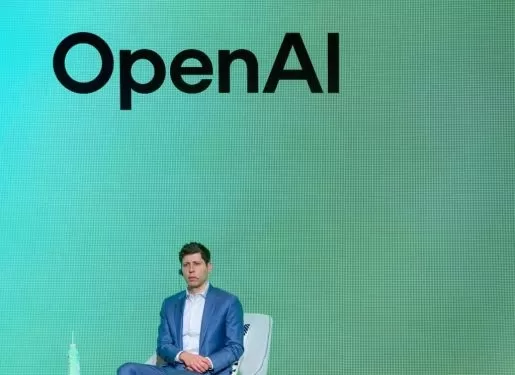 OpenAI fights Apple trade secret lawsuit
OpenAI rebutted Apple’s trade secret allegations on Tuesday, arguing the lawsuit is unfounded.“We take these claims seriously but see no evidence supporting them,” OpenAI stated, as reported by Bloomberg’s Ed Ludlow on X. “We support fair competition
OpenAI fights Apple trade secret lawsuit
OpenAI rebutted Apple’s trade secret allegations on Tuesday, arguing the lawsuit is unfounded.“We take these claims seriously but see no evidence supporting them,” OpenAI stated, as reported by Bloomberg’s Ed Ludlow on X. “We support fair competition
 Microsoft, Azure and AI Tech Combat California Wildfire Risks
Microsoft invests in AI-driven wildfire detection, with Juan Lavista Ferres, CVP and Chief Data Scientist, discussing strategies to mitigate environmental damage.According to NASA, climate change impacts everyone on Earth, manifesting as rising tempe
Microsoft, Azure and AI Tech Combat California Wildfire Risks
Microsoft invests in AI-driven wildfire detection, with Juan Lavista Ferres, CVP and Chief Data Scientist, discussing strategies to mitigate environmental damage.According to NASA, climate change impacts everyone on Earth, manifesting as rising tempe
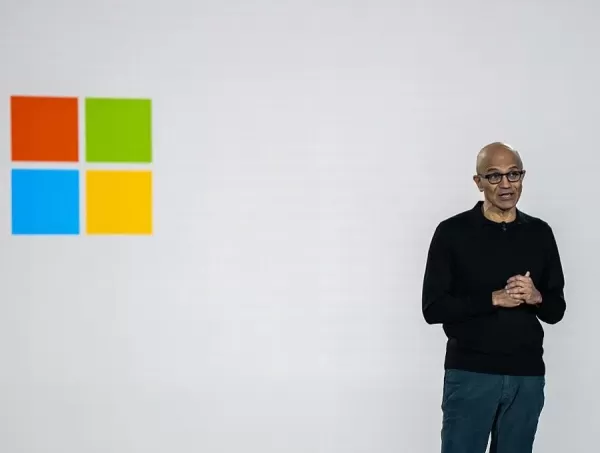 Microsoft CEO Slams AI Labs Over Distillation
Satya Nadella, Microsoft’s CEO, calls out AI labs for hypocrisy regarding distillation criticism, a remark widely interpreted as targeting Anthropic. Credit: Getty ImagesMicrosoft CEO Satya Nadella challenges AI developers for limiting model distilla
Microsoft CEO Slams AI Labs Over Distillation
Satya Nadella, Microsoft’s CEO, calls out AI labs for hypocrisy regarding distillation criticism, a remark widely interpreted as targeting Anthropic. Credit: Getty ImagesMicrosoft CEO Satya Nadella challenges AI developers for limiting model distilla

2026 Latest Best AI Vocal Demo Tools for Songwriters, Hook Creators, and Multi-Language Content Teams! XIX.AI has curated a top-rated list of powerful game-changing tools that go through rigorous real-world tests. You’ll find detailed free vs paid comparison data, comprehensive rankings, and must-try options to help you boost writing efficiency and unlock your creative potential. Explore now to discover your perfect tool for all your content needs!
9 tools
xix.ai

2026 Latest Best Top-rated AI Competitive Research Tools for Small Businesses! XIX.AI has curated a highly powerful game-changing collection, updated weekly with rigorous real-world tests and detailed rankings. You can find a comprehensive free vs paid comparison to help you identify the must-try tools that boost your productivity and give you a competitive edge. Explore now to discover your perfect tool!
9 tools
xix.ai

2026 Latest Best Photoshop AI retouch tools for ecommerce apparel, skin cleanup, and color consistency! This top-rated curated list features powerful game-changing solutions that help you boost writing efficiency, streamline content creation, and achieve perfect visual results effortlessly. Each tool has undergone real-world tests through weekly updated rankings, complete with free vs paid comparison details. Backed by XIX.AI, it’s the must-try guide for anyone aiming to unlock your AI edge. Explore now!
10 tools
xix.ai

2026 Latest Best Top-Rated AI Prompt Libraries for optimizing all types of ChatGPT workflows. XIX.AI has curated a powerful, game-changing collection that goes through rigorous real-world tests to ensure top performance. You can find detailed free vs paid comparisons and expert rankings to help you choose the must-try tools that boost your productivity and unlock your AI edge. Explore now!
11 tools
xix.ai

2026 Latest Best AI Quiz Builder Platforms for Teachers, Tutors, and Cohort-Based Learning Programs! XIX.AI has curated a top-rated list of powerful game-changing tools that go through real-world tests to deliver accurate rankings. These must-try platforms help boost writing efficiency, streamline content creation, and simplify quiz design across all learning scenarios. Explore now to discover your perfect tool for unlocking your AI edge in teaching!
13 tools
xix.ai

2026 Latest Best AI Pull Request Review Tools for GitHub Teams are here on XIX.AI! This top-rated curated list showcases powerful game-changing solutions that streamline refactoring, bug fixing, and security gap detection across all team workflows. Enjoy a free vs paid comparison along with real-world tests and detailed rankings to help you find the perfect tool that boosts productivity significantly. Explore now to unlock your AI edge!
12 tools
xix.ai

EUの規制でApple Watch以外のスマートウォッチが使えるようになるのか?正直、バッテリーの最適化やシームレスな連携が損なわれるのが心配だ。技術的には面白いけど、ユーザー体験が低下したら本末転倒だよな。🤔 #iOS #EU
Esto es algo que llevaba tiempo esperando! 🔥 Por fin Apple abre un poco sus sistemas, aunque sea por presión de la UE. Me alegra pensar que podré usar mi reloj no-Apple con el iPhone sin limitaciones extremas. ¿Creéis que esto impulsará más innovación en accesorios? Será interesante ver cómo reacciona el mercado.
Interesante, pero me pregunto si Apple va a implementar estas aperturas en la UE de verdad o solo lo mínimo obligatorio 🧐. Sería bueno que mi smartwatch de otra marca pudiera conectarse mejor, pero dudo que den acceso completo a funciones como Siri.












