


 Home
HomeHow to use AI screenwriting tools ethically in 2026 to boost creativity?
In today's rapidly evolving creative landscape, Artificial Intelligence (AI) is increasingly influencing various fields, including screenwriting. Rather than replacing human creativity, AI provides screenwriters with innovative ways to enhance their workflow, generate fresh ideas, and polish their scripts. This guide explores the transformative role of AI in screenwriting, showcasing leading tools and addressing ethical considerations for responsible use.
Key Points
AI tools support screenwriters in brainstorming, outlining, and refining scripts, boosting both productivity and creativity.
Platforms like Squibler, Jasper AI, Writesonic, and Storyclock deliver specialized functions tailored to different screenwriting needs.
Ethical factors—such as content homogenization, emotional distance, copyright issues, and union guidelines—are crucial when integrating AI.
Transparency and informed application are essential to ensure AI acts as a creative aid, not a replacement for human ingenuity.
Writers should emphasize their distinctive voice and personal experiences to develop stories that genuinely connect with audiences.
Keeping pace with the latest AI advancements and best practices helps maximize benefits while minimizing risks.
AI's Emerging Role in Screenwriting
The Quiet Revolution: AI as a Creative Partner
Artificial intelligence is not displacing writers; it is becoming a vital part of their everyday workflow. From initial brainstorming to final script polishing, AI tools help screenwriters increase productivity. The challenge lies in using these tools effectively while preserving originality and emotional resonance. AI is already influencing scripts behind the scenes.
By thoughtfully incorporating AI into the writing process, screenwriters can concentrate on essential story elements: unique themes, authentic feelings, and relatable human moments. The aim is not to let machines dominate, but to collaborate with them in ways that boost creativity and efficiency. Understanding how writers use AI while retaining their creative voice is therefore essential.
Top AI Tools Transforming Screenwriting
A range of AI-powered tools are gaining traction in screenwriting, each offering distinct functions to simplify the writing process and unlock creative possibilities. Here are some of the most popular choices:
- Squibler: Squibler excels at generating complete scripts and detailed outlines, making it ideal for structuring complex stories. Its popular 'describe' feature enriches scenes with sensory details, metaphors, and layered descriptions
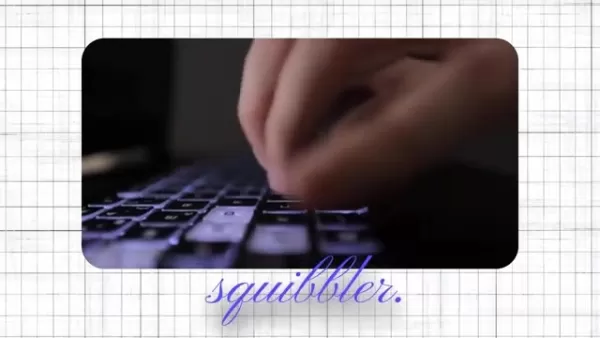
. Writers frequently commend Squibler for turning basic drafts into compelling, immersive narratives.
- Jasper AI: Initially developed for long-form content, Jasper AI is now widely adopted by screenwriters for tone adjustment and brainstorming. It can adapt writing styles, produce multiple scene variations, and manage multilingual projects. Jasper AI's adaptability makes it a top choice for international productions requiring consistent quality across languages.
- Writesonic: Commonly used in YouTube and marketing, Writesonic is now entering the screenwriting space. It specializes in creating SEO-optimized scripts, developing character profiles, and checking readability. Writesonic is excellent for creators focused on audience retention and pacing, ensuring scripts are both captivating and accessible.
- Storyclock: Developed by industry experts, Storyclock is built to assist, not replace, writers. It is WGA-compliant and provides industry-standard formatting, along with features like 'read aloud' to help writers evaluate dialogue. Storyclock excels at organizing scripts by acts and beats, offering focused prompts to overcome creative hurdles.
- Sudowrite: Sudowrite has become popular among independent filmmakers and actor-writers. Its story engine organizes content by acts and beats, delivers targeted creative prompts to break through blocks, and emphasizes character-driven narratives, which is especially useful for refining emotional arcs.
Key Strategies for Using AI in Screenwriting
Establishing a Junior Collaborator Relationship
Treating AI as a junior collaborator, rather than a substitute for your creativity, is a key strategy for integrating these tools successfully. This approach allows you to maintain creative control while benefiting from AI assistance. You can delegate smaller tasks to AI, saving time without compromising the script's core ideas and overall tone.
Transparent Communication in Collaboration
Transparency is essential when sharing scripts with producers, fellow writers, or other collaborators. Clearly communicating how and where AI was used builds trust. If AI is involved, it's also helpful for everyone to review the work for potential issues or biases, reducing negative impacts.
Balancing Efficiency with Artistry
Finding the right balance between AI's capabilities and your artistic input is crucial. By following ethical and legal standards, including WGA requirements and union rules, you can safely leverage AI in screenwriting while protecting your creative integrity.
Pricing and Packages
Squibler Pricing Details
Squibler offers several subscription plans to suit different needs and budgets. These typically include monthly or annual options, providing access to features like script generation, outlining tools, and sensory enhancement. For current pricing, visit the Squibler website. A free trial is often available, allowing potential users to test features before committing.
Jasper AI Pricing Details
Jasper AI uses a tiered pricing model suitable for individual writers, small teams, and larger organizations. Costs vary based on monthly word generation limits and included features. Subscribers get full access to writing tools, tone adjustment, and multilingual support. Both monthly and annual plans are generally offered, enabling users to select the best fit for their needs.
Writesonic Pricing Details
Writesonic provides multiple pricing tiers designed for everyone from beginners to experienced screenwriters. Pricing depends on monthly content volume and optional add-ons. A basic free plan is usually available with limited features, allowing users to explore the platform before upgrading. Premium plans include enhanced capabilities such as character profile creation and SEO optimization. Monthly and annual payment options offer flexibility.
Storyclock Pricing Details
Storyclock offers subscription plans for individual writers and production teams, with pricing based on features like industry-standard formatting, read-aloud functionality, and organizational tools. Various subscription levels are available, including options compliant with WGA standards. Visit the Storyclock website for detailed pricing.
Sudowrite Pricing Details
Sudowrite provides affordable, flexible payment plans tailored to independent filmmakers and actor-writers. Users can select from multiple subscription tiers based on their budget and needs. Plans typically include Sudowrite's signature story engine and character-driven features. For specific pricing and custom plans, check Sudowrite's official website.
Weighing the Advantages and Disadvantages of AI in Screenwriting
Pros
Enhanced Productivity: AI tools streamline writing, enabling screenwriters to produce more content efficiently.
Creative Inspiration: AI aids brainstorming and idea generation, helping writers overcome creative blocks.
Improved Script Quality: AI-powered tools refine scripts by enhancing tone, structure, and readability.
Accessibility and Inclusivity: AI makes screenwriting more approachable for individuals from diverse backgrounds and skill levels.
Cons
Homogenization of Content: Overusing AI may result in formulaic stories and reduced originality.
Emotional Disconnect: AI-generated content can lack the emotional depth and authenticity of human writing.
Copyright Concerns: AI tools might unintentionally produce content that infringes on existing copyrights.
Ethical and Union Issues: AI use in screenwriting raises questions about writer credits, potential job loss, and balancing AI assistance with human creativity.
Core Features
Squibler Core Features
Script Generation: Create complete drafts and outlines with AI assistance.Sensory Enhancement: Describe feature adds vivid details and metaphors to scenes.*User-Friendly Interface: Easy to navigate, making it accessible to writers of all skill levels.
Jasper AI Core Features
Tone Adjustment: Adapt writing style to match desired mood and audience.Brainstorming: Generate diverse ideas and plot variations.*Multi-Language Support: Seamlessly handle projects in multiple languages for international audiences.
Writesonic Core Features
SEO Optimization: Create scripts designed to rank well in search engines.Character Profiles: Develop detailed character backgrounds and traits.*Readability Checks: Ensure scripts are accessible and engaging for a wide audience.
Storyclock Core Features
WGA Compliance: Industry-standard formatting.Organization Tools: Organize scrips by act and beat.*Read Aloud: Hear your dialogue and story play out.
Sudowrite Core Features
Story Engine: Organize by acts and beatsCreative Prompts: Overcome creative blocks with prompts*Character Driven Focus: Refine emotional arcs with the character focus.
Use Cases
Squibler Use Cases
Improving First Drafts: Transform simple drafts into vivid, engaging stories.Crafting Richer Scenes: Enhance settings and events with detailed sensory descriptions and metaphors.*Overcoming Writer's Block: Use AI to explore new perspectives and descriptive approaches.
Jasper AI Use Cases
Adjusting Tone for Targeted Audiences: Modify tone to appeal to specific demographics.Handling Worldwide Productions: Maintain consistent writing quality across different languages and cultural contexts.*Brainstorming Various Plot Scenarios: Quickly generate alternative plot developments.
Writesonic Use Cases
Content Generation for Youtube Scripts: Create YouTube scripts optimized for audience retention and engagement.Generating Engaging Material: Produce content that is both readable and SEO-friendly.*Building Detailed Character Profiles: Develop in-depth character backstories to add richness to narratives.
Storyclock Use Cases
Structuring Scripts for WGA Compliance: Format scripts according to industry standards for submission.Improving Dialogue: Test dialogue to ensure it sounds authentic and impactful.*Organizing the Scripts: Keep all script elements well-structured and manageable.
Sudowrite Use Cases
Overcoming Writer's Block: Use prompts to generate and develop plot ideas.Analyzing Structure by Acts and Beats: Organize scenes by beats and acts for clarity and coherence.*Providing Character Driven Storylines: Focus on character arcs and emotional growth to shape narratives.
FAQ
Can AI replace screenwriters?
AI is intended to assist screenwriters, not replace them. It helps with brainstorming, outlining, and formatting, but fundamental creative choices and emotional depth originate from the human writer.
Are AI screenwriting tools ethical to use?
Using AI screenwriting tools ethically demands transparency, awareness of potential biases, and compliance with union regulations. Treat AI as a collaborator to ensure it enhances, rather than diminishes, originality and human creativity.
How can I maintain my unique voice when using AI?
Incorporate your personal experiences, distinctive themes, and emotional insights into your scripts. Use AI for tasks like formatting and brainstorming, but retain final creative decisions.
What are the potential copyright concerns when using AI?
AI may occasionally reflect elements from its training data, potentially leading to copyright infringement. Always review AI-generated content to ensure it is original and used responsibly.
Related Questions
What are the limitations of AI screenwriting tools?
Despite their advantages, AI tools have limitations. AI-generated content can lack emotional depth and originality, sometimes resulting in predictable or formulaic narratives. AI may not grasp the human nuances needed for emotionally resonant dialogue and stories. It can also inadvertently produce copyrighted material or reflect biases.
How to choose the right AI screenwriting tool for me?
Select tools that align with your specific needs and style. Squibler is excellent for generating full scripts with rich sensory detail, Jasper AI assists with tone and multilingual projects, Writesonic excels at SEO-optimized scripts and character profiles, Storyclock helps with dialogue and script organization, and Sudowrite offers creative prompts and character-driven plot development.
Will the WGA (Writers Guild of America) allow usage of AI in the future?
This remains a significant consideration as AI use in screenwriting evolves. Currently, the WGA has protections and guidelines to prevent AI from being credited as a writer and to ensure AI-generated content does not undermine human writers' credit or compensation.
What's the Snoopy Problem?
The Snoopy Problem refers to AI unintentionally reproducing parts of copyrighted works, since its training data includes existing protected material. Always review generated content for originality before publishing or sharing it publicly.
Related article
 Musk Considered Leaving OpenAI to His Kids as Altman Testifies
This morning, OpenAI CEO Sam Altman took the stand to address former co-founder Elon Musk’s lawsuit challenging the company’s corporate structure.When asked about Musk’s claim that other founders “stole a charity” by launching a for-profit subsidiary
Sam Altman Sparks Debate Over AI's Deceleration
Listen onApple PodcastsListen onSpotifyOpenAI CEO Sam Altman recently suggested that it may be time to “pace the rate of AI development” to allow society to “harden around some of these new capability levels.”On the latest episode of TechCrunch’s Equ
Anthropic Opens Doors to EU Cybersecurity Agency as Mythos5 Model Faces Compliance Exam
Artificial intelligence compliance regulations are advancing significantly. Leading AI firm Anthropic has officially granted the European Union's cybersecurity authority access to its Mythos AI model, a pivotal move for this advanced large language m
Related Special Topic Recommendations
Business
Musk Considered Leaving OpenAI to His Kids as Altman Testifies
This morning, OpenAI CEO Sam Altman took the stand to address former co-founder Elon Musk’s lawsuit challenging the company’s corporate structure.When asked about Musk’s claim that other founders “stole a charity” by launching a for-profit subsidiary
Sam Altman Sparks Debate Over AI's Deceleration
Listen onApple PodcastsListen onSpotifyOpenAI CEO Sam Altman recently suggested that it may be time to “pace the rate of AI development” to allow society to “harden around some of these new capability levels.”On the latest episode of TechCrunch’s Equ
Anthropic Opens Doors to EU Cybersecurity Agency as Mythos5 Model Faces Compliance Exam
Artificial intelligence compliance regulations are advancing significantly. Leading AI firm Anthropic has officially granted the European Union's cybersecurity authority access to its Mythos AI model, a pivotal move for this advanced large language m
Related Special Topic Recommendations
Business
 Best AI Competitive Research Tools for Small Businesses
2026 Latest Best Top-rated AI Competitive Research Tools for Small Businesses! XIX.AI has curated a highly powerful game-changing collection, updated weekly with rigorous real-world tests and detailed rankings. You can find a comprehensive free vs paid comparison to help you identify the must-try tools that boost your productivity and give you a competitive edge. Explore now to discover your perfect tool!
 9 tools
 xix.ai
Image editing
Photoshop AI Retouch Tools for Ecommerce Apparel, Skin Cleanup, and Color Consistency
xix.ai
Image editing
Photoshop AI Retouch Tools for Ecommerce Apparel, Skin Cleanup, and Color Consistency
2026 Latest Best Photoshop AI retouch tools for ecommerce apparel, skin cleanup, and color consistency! This top-rated curated list features powerful game-changing solutions that help you boost writing efficiency, streamline content creation, and achieve perfect visual results effortlessly. Each tool has undergone real-world tests through weekly updated rankings, complete with free vs paid comparison details. Backed by XIX.AI, it’s the must-try guide for anyone aiming to unlock your AI edge. Explore now!
10 tools
xix.ai
Prompt
Best AI Prompt Libraries for ChatGPT Workflows
2026 Latest Best Top-Rated AI Prompt Libraries for optimizing all types of ChatGPT workflows. XIX.AI has curated a powerful, game-changing collection that goes through rigorous real-world tests to ensure top performance. You can find detailed free vs paid comparisons and expert rankings to help you choose the must-try tools that boost your productivity and unlock your AI edge. Explore now!
11 tools
xix.ai
Education and Learning
AI Quiz Builder Platforms for Teachers, Tutors, and Cohort-Based Learning Programs
2026 Latest Best AI Quiz Builder Platforms for Teachers, Tutors, and Cohort-Based Learning Programs! XIX.AI has curated a top-rated list of powerful game-changing tools that go through real-world tests to deliver accurate rankings. These must-try platforms help boost writing efficiency, streamline content creation, and simplify quiz design across all learning scenarios. Explore now to discover your perfect tool for unlocking your AI edge in teaching!
13 tools
xix.ai
code
AI Pull Request Review Tools for GitHub Teams Handling Refactors, Bugs, and Security Gaps
2026 Latest Best AI Pull Request Review Tools for GitHub Teams are here on XIX.AI! This top-rated curated list showcases powerful game-changing solutions that streamline refactoring, bug fixing, and security gap detection across all team workflows. Enjoy a free vs paid comparison along with real-world tests and detailed rankings to help you find the perfect tool that boosts productivity significantly. Explore now to unlock your AI edge!
12 tools
xix.ai
Text-to-speech
Best AI Text to Speech Tools for Natural Voiceovers
2026 Latest Best Top-rated AI Text to Speech Tools for Natural Voiceovers are here on XIX.AI! This curated list features powerful, game-changing options that deliver crystal-clear voices for every use case, backed by real-world tests and weekly updated rankings. Get a free vs paid comparison to find the must-try solution that boosts your productivity instantly. Explore now to Unlock your AI edge!
11 tools
xix.ai

 Comments (2)
0/500
Comments (2)
0/500
![MarkMartínez]()
這篇文章點出了AI工具在編劇領域的倫理邊界,蠻重要的。與其擔心被取代,不如思考怎麼用它來激發靈感,比如用AI快速生成不同故事走向,再自己篩選打磨。不過,2026年技術會發展到哪一步,版權歸屬會不會更模糊?有點期待又怕受傷害😅
![LawrenceLee]()
Love how AI tools can be a brainstorming partner! I used one and it actually sparked a much better subplot I wouldn't have thought of. The key is definitely using it for ideas, not a full script. Garbage in, garbage out still applies! Excited to see writers elevate their work like this.
In today's rapidly evolving creative landscape, Artificial Intelligence (AI) is increasingly influencing various fields, including screenwriting. Rather than replacing human creativity, AI provides screenwriters with innovative ways to enhance their workflow, generate fresh ideas, and polish their scripts. This guide explores the transformative role of AI in screenwriting, showcasing leading tools and addressing ethical considerations for responsible use.
Key Points
AI tools support screenwriters in brainstorming, outlining, and refining scripts, boosting both productivity and creativity.
Platforms like Squibler, Jasper AI, Writesonic, and Storyclock deliver specialized functions tailored to different screenwriting needs.
Ethical factors—such as content homogenization, emotional distance, copyright issues, and union guidelines—are crucial when integrating AI.
Transparency and informed application are essential to ensure AI acts as a creative aid, not a replacement for human ingenuity.
Writers should emphasize their distinctive voice and personal experiences to develop stories that genuinely connect with audiences.
Keeping pace with the latest AI advancements and best practices helps maximize benefits while minimizing risks.
AI's Emerging Role in Screenwriting
The Quiet Revolution: AI as a Creative Partner
Artificial intelligence is not displacing writers; it is becoming a vital part of their everyday workflow. From initial brainstorming to final script polishing, AI tools help screenwriters increase productivity. The challenge lies in using these tools effectively while preserving originality and emotional resonance. AI is already influencing scripts behind the scenes.
By thoughtfully incorporating AI into the writing process, screenwriters can concentrate on essential story elements: unique themes, authentic feelings, and relatable human moments. The aim is not to let machines dominate, but to collaborate with them in ways that boost creativity and efficiency. Understanding how writers use AI while retaining their creative voice is therefore essential.
Top AI Tools Transforming Screenwriting
A range of AI-powered tools are gaining traction in screenwriting, each offering distinct functions to simplify the writing process and unlock creative possibilities. Here are some of the most popular choices:
- Squibler: Squibler excels at generating complete scripts and detailed outlines, making it ideal for structuring complex stories. Its popular 'describe' feature enriches scenes with sensory details, metaphors, and layered descriptions
. Writers frequently commend Squibler for turning basic drafts into compelling, immersive narratives.
- Jasper AI: Initially developed for long-form content, Jasper AI is now widely adopted by screenwriters for tone adjustment and brainstorming. It can adapt writing styles, produce multiple scene variations, and manage multilingual projects. Jasper AI's adaptability makes it a top choice for international productions requiring consistent quality across languages.
- Writesonic: Commonly used in YouTube and marketing, Writesonic is now entering the screenwriting space. It specializes in creating SEO-optimized scripts, developing character profiles, and checking readability. Writesonic is excellent for creators focused on audience retention and pacing, ensuring scripts are both captivating and accessible.
- Storyclock: Developed by industry experts, Storyclock is built to assist, not replace, writers. It is WGA-compliant and provides industry-standard formatting, along with features like 'read aloud' to help writers evaluate dialogue. Storyclock excels at organizing scripts by acts and beats, offering focused prompts to overcome creative hurdles.
- Sudowrite: Sudowrite has become popular among independent filmmakers and actor-writers. Its story engine organizes content by acts and beats, delivers targeted creative prompts to break through blocks, and emphasizes character-driven narratives, which is especially useful for refining emotional arcs.
Key Strategies for Using AI in Screenwriting
Establishing a Junior Collaborator Relationship
Treating AI as a junior collaborator, rather than a substitute for your creativity, is a key strategy for integrating these tools successfully. This approach allows you to maintain creative control while benefiting from AI assistance. You can delegate smaller tasks to AI, saving time without compromising the script's core ideas and overall tone.
Transparent Communication in Collaboration
Transparency is essential when sharing scripts with producers, fellow writers, or other collaborators. Clearly communicating how and where AI was used builds trust. If AI is involved, it's also helpful for everyone to review the work for potential issues or biases, reducing negative impacts.
Balancing Efficiency with Artistry
Finding the right balance between AI's capabilities and your artistic input is crucial. By following ethical and legal standards, including WGA requirements and union rules, you can safely leverage AI in screenwriting while protecting your creative integrity.
Pricing and Packages
Squibler Pricing Details
Squibler offers several subscription plans to suit different needs and budgets. These typically include monthly or annual options, providing access to features like script generation, outlining tools, and sensory enhancement. For current pricing, visit the Squibler website. A free trial is often available, allowing potential users to test features before committing.
Jasper AI Pricing Details
Jasper AI uses a tiered pricing model suitable for individual writers, small teams, and larger organizations. Costs vary based on monthly word generation limits and included features. Subscribers get full access to writing tools, tone adjustment, and multilingual support. Both monthly and annual plans are generally offered, enabling users to select the best fit for their needs.
Writesonic Pricing Details
Writesonic provides multiple pricing tiers designed for everyone from beginners to experienced screenwriters. Pricing depends on monthly content volume and optional add-ons. A basic free plan is usually available with limited features, allowing users to explore the platform before upgrading. Premium plans include enhanced capabilities such as character profile creation and SEO optimization. Monthly and annual payment options offer flexibility.
Storyclock Pricing Details
Storyclock offers subscription plans for individual writers and production teams, with pricing based on features like industry-standard formatting, read-aloud functionality, and organizational tools. Various subscription levels are available, including options compliant with WGA standards. Visit the Storyclock website for detailed pricing.
Sudowrite Pricing Details
Sudowrite provides affordable, flexible payment plans tailored to independent filmmakers and actor-writers. Users can select from multiple subscription tiers based on their budget and needs. Plans typically include Sudowrite's signature story engine and character-driven features. For specific pricing and custom plans, check Sudowrite's official website.
Weighing the Advantages and Disadvantages of AI in Screenwriting
Pros
Enhanced Productivity: AI tools streamline writing, enabling screenwriters to produce more content efficiently.
Creative Inspiration: AI aids brainstorming and idea generation, helping writers overcome creative blocks.
Improved Script Quality: AI-powered tools refine scripts by enhancing tone, structure, and readability.
Accessibility and Inclusivity: AI makes screenwriting more approachable for individuals from diverse backgrounds and skill levels.
Cons
Homogenization of Content: Overusing AI may result in formulaic stories and reduced originality.
Emotional Disconnect: AI-generated content can lack the emotional depth and authenticity of human writing.
Copyright Concerns: AI tools might unintentionally produce content that infringes on existing copyrights.
Ethical and Union Issues: AI use in screenwriting raises questions about writer credits, potential job loss, and balancing AI assistance with human creativity.
Core Features
Squibler Core Features
Script Generation: Create complete drafts and outlines with AI assistance.Sensory Enhancement: Describe feature adds vivid details and metaphors to scenes.*User-Friendly Interface: Easy to navigate, making it accessible to writers of all skill levels.
Jasper AI Core Features
Tone Adjustment: Adapt writing style to match desired mood and audience.Brainstorming: Generate diverse ideas and plot variations.*Multi-Language Support: Seamlessly handle projects in multiple languages for international audiences.
Writesonic Core Features
SEO Optimization: Create scripts designed to rank well in search engines.Character Profiles: Develop detailed character backgrounds and traits.*Readability Checks: Ensure scripts are accessible and engaging for a wide audience.
Storyclock Core Features
WGA Compliance: Industry-standard formatting.Organization Tools: Organize scrips by act and beat.*Read Aloud: Hear your dialogue and story play out.
Sudowrite Core Features
Story Engine: Organize by acts and beatsCreative Prompts: Overcome creative blocks with prompts*Character Driven Focus: Refine emotional arcs with the character focus.
Use Cases
Squibler Use Cases
Improving First Drafts: Transform simple drafts into vivid, engaging stories.Crafting Richer Scenes: Enhance settings and events with detailed sensory descriptions and metaphors.*Overcoming Writer's Block: Use AI to explore new perspectives and descriptive approaches.
Jasper AI Use Cases
Adjusting Tone for Targeted Audiences: Modify tone to appeal to specific demographics.Handling Worldwide Productions: Maintain consistent writing quality across different languages and cultural contexts.*Brainstorming Various Plot Scenarios: Quickly generate alternative plot developments.
Writesonic Use Cases
Content Generation for Youtube Scripts: Create YouTube scripts optimized for audience retention and engagement.Generating Engaging Material: Produce content that is both readable and SEO-friendly.*Building Detailed Character Profiles: Develop in-depth character backstories to add richness to narratives.
Storyclock Use Cases
Structuring Scripts for WGA Compliance: Format scripts according to industry standards for submission.Improving Dialogue: Test dialogue to ensure it sounds authentic and impactful.*Organizing the Scripts: Keep all script elements well-structured and manageable.
Sudowrite Use Cases
Overcoming Writer's Block: Use prompts to generate and develop plot ideas.Analyzing Structure by Acts and Beats: Organize scenes by beats and acts for clarity and coherence.*Providing Character Driven Storylines: Focus on character arcs and emotional growth to shape narratives.
FAQ
Can AI replace screenwriters?
AI is intended to assist screenwriters, not replace them. It helps with brainstorming, outlining, and formatting, but fundamental creative choices and emotional depth originate from the human writer.
Are AI screenwriting tools ethical to use?
Using AI screenwriting tools ethically demands transparency, awareness of potential biases, and compliance with union regulations. Treat AI as a collaborator to ensure it enhances, rather than diminishes, originality and human creativity.
How can I maintain my unique voice when using AI?
Incorporate your personal experiences, distinctive themes, and emotional insights into your scripts. Use AI for tasks like formatting and brainstorming, but retain final creative decisions.
What are the potential copyright concerns when using AI?
AI may occasionally reflect elements from its training data, potentially leading to copyright infringement. Always review AI-generated content to ensure it is original and used responsibly.
Related Questions
What are the limitations of AI screenwriting tools?
Despite their advantages, AI tools have limitations. AI-generated content can lack emotional depth and originality, sometimes resulting in predictable or formulaic narratives. AI may not grasp the human nuances needed for emotionally resonant dialogue and stories. It can also inadvertently produce copyrighted material or reflect biases.
How to choose the right AI screenwriting tool for me?
Select tools that align with your specific needs and style. Squibler is excellent for generating full scripts with rich sensory detail, Jasper AI assists with tone and multilingual projects, Writesonic excels at SEO-optimized scripts and character profiles, Storyclock helps with dialogue and script organization, and Sudowrite offers creative prompts and character-driven plot development.
Will the WGA (Writers Guild of America) allow usage of AI in the future?
This remains a significant consideration as AI use in screenwriting evolves. Currently, the WGA has protections and guidelines to prevent AI from being credited as a writer and to ensure AI-generated content does not undermine human writers' credit or compensation.
What's the Snoopy Problem?
The Snoopy Problem refers to AI unintentionally reproducing parts of copyrighted works, since its training data includes existing protected material. Always review generated content for originality before publishing or sharing it publicly.








 Musk Considered Leaving OpenAI to His Kids as Altman Testifies
This morning, OpenAI CEO Sam Altman took the stand to address former co-founder Elon Musk’s lawsuit challenging the company’s corporate structure.When asked about Musk’s claim that other founders “stole a charity” by launching a for-profit subsidiary
Musk Considered Leaving OpenAI to His Kids as Altman Testifies
This morning, OpenAI CEO Sam Altman took the stand to address former co-founder Elon Musk’s lawsuit challenging the company’s corporate structure.When asked about Musk’s claim that other founders “stole a charity” by launching a for-profit subsidiary
 Sam Altman Sparks Debate Over AI's Deceleration
Listen onApple PodcastsListen onSpotifyOpenAI CEO Sam Altman recently suggested that it may be time to “pace the rate of AI development” to allow society to “harden around some of these new capability levels.”On the latest episode of TechCrunch’s Equ
Sam Altman Sparks Debate Over AI's Deceleration
Listen onApple PodcastsListen onSpotifyOpenAI CEO Sam Altman recently suggested that it may be time to “pace the rate of AI development” to allow society to “harden around some of these new capability levels.”On the latest episode of TechCrunch’s Equ
 Anthropic Opens Doors to EU Cybersecurity Agency as Mythos5 Model Faces Compliance Exam
Artificial intelligence compliance regulations are advancing significantly. Leading AI firm Anthropic has officially granted the European Union's cybersecurity authority access to its Mythos AI model, a pivotal move for this advanced large language m
Anthropic Opens Doors to EU Cybersecurity Agency as Mythos5 Model Faces Compliance Exam
Artificial intelligence compliance regulations are advancing significantly. Leading AI firm Anthropic has officially granted the European Union's cybersecurity authority access to its Mythos AI model, a pivotal move for this advanced large language m

2026 Latest Best Top-rated AI Competitive Research Tools for Small Businesses! XIX.AI has curated a highly powerful game-changing collection, updated weekly with rigorous real-world tests and detailed rankings. You can find a comprehensive free vs paid comparison to help you identify the must-try tools that boost your productivity and give you a competitive edge. Explore now to discover your perfect tool!
9 tools
xix.ai

2026 Latest Best Photoshop AI retouch tools for ecommerce apparel, skin cleanup, and color consistency! This top-rated curated list features powerful game-changing solutions that help you boost writing efficiency, streamline content creation, and achieve perfect visual results effortlessly. Each tool has undergone real-world tests through weekly updated rankings, complete with free vs paid comparison details. Backed by XIX.AI, it’s the must-try guide for anyone aiming to unlock your AI edge. Explore now!
10 tools
xix.ai
2026 Latest Best Top-Rated AI Prompt Libraries for optimizing all types of ChatGPT workflows. XIX.AI has curated a powerful, game-changing collection that goes through rigorous real-world tests to ensure top performance. You can find detailed free vs paid comparisons and expert rankings to help you choose the must-try tools that boost your productivity and unlock your AI edge. Explore now!
11 tools
xix.ai

2026 Latest Best AI Quiz Builder Platforms for Teachers, Tutors, and Cohort-Based Learning Programs! XIX.AI has curated a top-rated list of powerful game-changing tools that go through real-world tests to deliver accurate rankings. These must-try platforms help boost writing efficiency, streamline content creation, and simplify quiz design across all learning scenarios. Explore now to discover your perfect tool for unlocking your AI edge in teaching!
13 tools
xix.ai
2026 Latest Best AI Pull Request Review Tools for GitHub Teams are here on XIX.AI! This top-rated curated list showcases powerful game-changing solutions that streamline refactoring, bug fixing, and security gap detection across all team workflows. Enjoy a free vs paid comparison along with real-world tests and detailed rankings to help you find the perfect tool that boosts productivity significantly. Explore now to unlock your AI edge!
12 tools
xix.ai
2026 Latest Best Top-rated AI Text to Speech Tools for Natural Voiceovers are here on XIX.AI! This curated list features powerful, game-changing options that deliver crystal-clear voices for every use case, backed by real-world tests and weekly updated rankings. Get a free vs paid comparison to find the must-try solution that boosts your productivity instantly. Explore now to Unlock your AI edge!
11 tools
xix.ai

這篇文章點出了AI工具在編劇領域的倫理邊界,蠻重要的。與其擔心被取代,不如思考怎麼用它來激發靈感,比如用AI快速生成不同故事走向,再自己篩選打磨。不過,2026年技術會發展到哪一步,版權歸屬會不會更模糊?有點期待又怕受傷害😅
Love how AI tools can be a brainstorming partner! I used one and it actually sparked a much better subplot I wouldn't have thought of. The key is definitely using it for ideas, not a full script. Garbage in, garbage out still applies! Excited to see writers elevate their work like this.












