


 Home
Home5 Essential SQL Server AI Integrations to Boost Performance
AI Integration in SQL Server: The Essential Guide for 2025
The convergence of Artificial Intelligence and SQL Server has transitioned from an emerging trend to a business imperative in today's data-driven landscape. As organizations prepare for 2025, mastering AI-powered SQL environments is critical for unlocking advanced analytics, operational efficiency, and competitive advantage. This in-depth exploration reveals the five transformative AI integrations that data professionals must embrace to maximize their database potential.
Core Advantages
SQL + AI Search: Implement cutting-edge RAG architectures
Vector Search: Deploy semantic search across all SQL environments
Copilot Integration: Revolutionize database management with AI assistance
Security Framework: Maintain robust data protection in AI implementations
Native Integration: Streamline AI workflows within SQL ecosystems
Essential AI Integrations for SQL in 2025
Revolutionizing Search with SQL + AI Integration
The fusion of SQL databases with Azure AI Search creates powerful retrieval-augmented generation (RAG) systems, transforming traditional data search into intelligent knowledge discovery. This integration establishes contextual understanding by grounding AI responses in authoritative SQL data.
Universal Compatibility: Seamlessly connects with SQL Managed Instance, SQL Database, and on-premises SQL Server deployments.
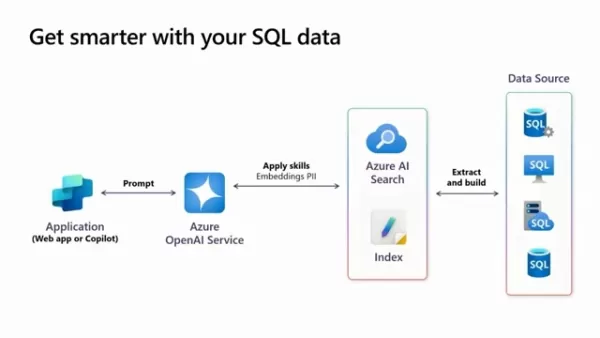 This visual demonstrates the streamlined connection between SQL environments and AI search services.
Intelligent Indexing: Leverage Change Tracking technology to maintain real-time synchronization between SQL data and search indexes. This dynamic relationship ensures search results consistently reflect current database content.
Business Applications: Enables development of sophisticated chat interfaces for customer support, internal knowledge bases, and dynamic reporting systems. These solutions deliver precise, actionable insights drawn directly from organizational data assets.
Universal Vector Search Capabilities
SQL platforms now incorporate native vector search functionality, enabling semantic analysis across all deployment models - with enhancements coming to SQL Server 2025 and currently available in private preview for SQL MI.
Built-In Vector Processing: Azure SQL introduces native vector data types and operations, eliminating the need for external processing solutions.
Performance Comparison: Native Vector vs. Azure AI Search
Feature Native Vector Support Azure AI Search Implementation Direct database integration External service architecture Ideal For Real-time semantic queries Large-scale knowledge retrieval Development T-SQL native functions Azure service integration Availability Coming in 2025 release Production-ready solution
Streamlined Deployment: Configure advanced vector search capabilities in under 10 minutes with properly provisioned resources. This rapid implementation allows immediate value realization from semantic search applications.
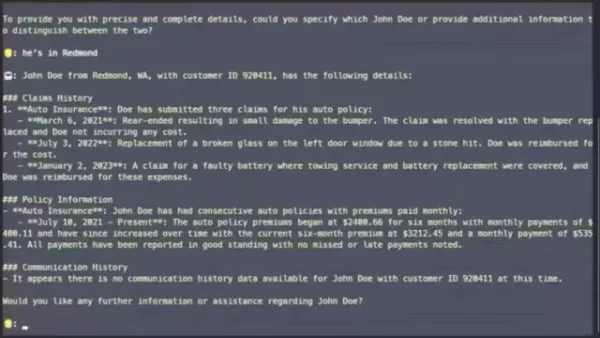 Vector transformation enables multidimensional data analysis previously unattainable with conventional search methods.
AI-Assisted Database Management
Microsoft's Copilot technology brings transformative AI assistance directly into the SQL management experience, significantly enhancing administrator productivity and problem-solving capabilities.
Key Capabilities:
- Performance Optimization: Automatic diagnosis of query bottlenecks and configuration issues
- Natural Language Interface: Convert operational questions into executable SQL queries
- Best Practice Guidance: Context-aware recommendations for database management
- Troubleshooting: Intelligent root cause analysis for common operational challenges
These AI-driven features democratize advanced database administration, making professional-grade insights accessible to technical staff at all experience levels.
Enterprise-Grade Security for AI Workloads
AI adoption mandates rigorous security protocols to protect data integrity and privacy across SQL environments.
Critical Security Measures:
- Zero Training Data Retention: Ensures proprietary data never contributes to public model training
- Inherited Security Model: Maintains existing SQL permission structures for AI-enhanced applications
- Comprehensive Data Protection: Combines row-level security with dynamic data masking
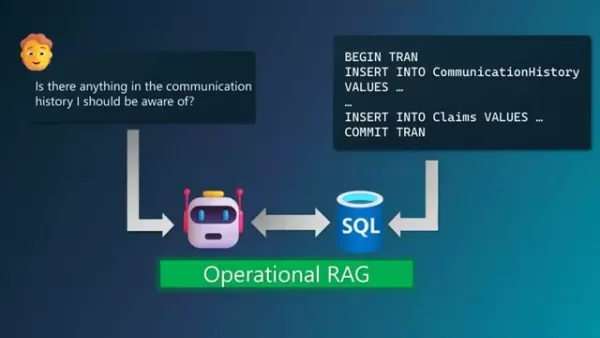 This layered security approach maintains compliance while enabling AI innovation.
Unified AI Platform Integration
SQL Server achieves unprecedented workflow efficiency through native compatibility with leading AI frameworks:
Framework Compatibility:
- LangChain: For sophisticated language model orchestration
- Semantic Kernel: Enables complex AI reasoning patterns
- Entity Framework: Simplifies data access for AI applications
- Logic Apps: Facilitates automated AI workflow creation
This native integration capability creates a cohesive environment where data professionals can develop AI solutions using familiar SQL Server tools and methodologies.
Implementation Roadmap
AI Search Integration Process
- Provision Azure AI Search Service: Establish dedicated search service through Azure Portal
- Configure Data Connection: Link search service to target SQL environment
- Design Search Schema: Map database fields to optimized search dimensions
- Implement Change Tracking: Enable automatic index synchronization
- Connect AI Services: Integrate Azure OpenAI for intelligent response generation
Vector Search Deployment
- Activate Vector Features: Enable preview functionality in target environment
- Structure Vector Data: Create specialized vector columns
- Generate Semantic Embeddings: Utilize Azure OpenAI embedding models
- Store Processed Data: Maintain vector representations alongside source content
- Execute Semantic Queries: Implement similarity search operations
Copilot Utilization
- Access AI Features: Navigate to Copilot functions in Azure portal
- Diagnostic Assistance: Leverage automated performance analysis
- Natural Language Query: Convert business questions to SQL
- Implementation Review: Validate and refine AI-generated solutions
Security Implementation
- Data Access Controls: Configure granular security policies
- Dynamic Protection: Implement runtime data masking
- Training Exclusion: Confirm data isolation from model improvement
- Feedback Configuration: Establish privacy-conscious improvement cycles
Platform Integration
- Select Development Framework: Choose appropriate AI integration method
- Establish Connections: Bridge SQL environment to AI services
- Develop Solutions: Build AI-enhanced applications
- Performance Optimization: Continuously refine system efficiency
Strategic Advantages and Considerations
Benefits
Advanced Analytics: AI algorithms surface hidden patterns and predictive insights
Operational Efficiency: Automated workflows reduce manual labor requirements
Decision Quality: Context-rich intelligence improves business judgments
Security Enhancement: AI-driven monitoring strengthens protection measures
Challenges
Implementation Complexity: Requires specialized integration knowledge
Investment Requirements: Involves licensing and training expenditures
Privacy Management: Necessitates stringent data governance policies
Skills Evolution: Demands continuous learning about AI capabilities
Common Implementation Questions
How does RAG architecture improve AI response quality?
RAG systems combine generative AI with precise data retrieval to produce accurate, evidence-based responses that minimize speculative content.
What distinguishes vector search from traditional methods?
Vector search understands conceptual relationships and semantic meaning rather than just keyword matching, enabling discovery of contextually relevant information.
What productivity gains can Copilot integration deliver?
AI assistants can reduce query development time by 40-60% while improving solution quality through automated best practice recommendations.
What security fundamentals are essential for SQL AI?
Critical measures include strict access controls, data anonymization techniques, and assurance that proprietary data remains isolated from model training sets.
Related Implementation Considerations
Microsoft Fabric Synergy
Microsoft Fabric creates a unified analytics environment that extends SQL Server capabilities with advanced data engineering and AI-powered insights.
Change Tracking Optimization
CT technology provides efficient delta updates to search indexes, eliminating full rebuilds while ensuring current results.
Semantic Kernel Applications
This SDK enables sophisticated AI reasoning capabilities while maintaining direct access to authoritative SQL data sources.
Query Optimization Techniques
Best practices include:
- Strategic index utilization
- Query plan analysis
- Resource-intensive operation identification
- Result caching strategies
Compliance Automation
AI-driven tools can automatically classify sensitive data, enforce retention policies, and monitor regulatory compliance across SQL environments.
Related article
 Musk Considered Leaving OpenAI to His Kids as Altman Testifies
This morning, OpenAI CEO Sam Altman took the stand to address former co-founder Elon Musk’s lawsuit challenging the company’s corporate structure.When asked about Musk’s claim that other founders “stole a charity” by launching a for-profit subsidiary
Sam Altman Sparks Debate Over AI's Deceleration
Listen onApple PodcastsListen onSpotifyOpenAI CEO Sam Altman recently suggested that it may be time to “pace the rate of AI development” to allow society to “harden around some of these new capability levels.”On the latest episode of TechCrunch’s Equ
Anthropic Opens Doors to EU Cybersecurity Agency as Mythos5 Model Faces Compliance Exam
Artificial intelligence compliance regulations are advancing significantly. Leading AI firm Anthropic has officially granted the European Union's cybersecurity authority access to its Mythos AI model, a pivotal move for this advanced large language m
Related Special Topic Recommendations
Business
Musk Considered Leaving OpenAI to His Kids as Altman Testifies
This morning, OpenAI CEO Sam Altman took the stand to address former co-founder Elon Musk’s lawsuit challenging the company’s corporate structure.When asked about Musk’s claim that other founders “stole a charity” by launching a for-profit subsidiary
Sam Altman Sparks Debate Over AI's Deceleration
Listen onApple PodcastsListen onSpotifyOpenAI CEO Sam Altman recently suggested that it may be time to “pace the rate of AI development” to allow society to “harden around some of these new capability levels.”On the latest episode of TechCrunch’s Equ
Anthropic Opens Doors to EU Cybersecurity Agency as Mythos5 Model Faces Compliance Exam
Artificial intelligence compliance regulations are advancing significantly. Leading AI firm Anthropic has officially granted the European Union's cybersecurity authority access to its Mythos AI model, a pivotal move for this advanced large language m
Related Special Topic Recommendations
Business
 Best AI Competitive Research Tools for Small Businesses
2026 Latest Best Top-rated AI Competitive Research Tools for Small Businesses! XIX.AI has curated a highly powerful game-changing collection, updated weekly with rigorous real-world tests and detailed rankings. You can find a comprehensive free vs paid comparison to help you identify the must-try tools that boost your productivity and give you a competitive edge. Explore now to discover your perfect tool!
 9 tools
 xix.ai
Image editing
Photoshop AI Retouch Tools for Ecommerce Apparel, Skin Cleanup, and Color Consistency
xix.ai
Image editing
Photoshop AI Retouch Tools for Ecommerce Apparel, Skin Cleanup, and Color Consistency
2026 Latest Best Photoshop AI retouch tools for ecommerce apparel, skin cleanup, and color consistency! This top-rated curated list features powerful game-changing solutions that help you boost writing efficiency, streamline content creation, and achieve perfect visual results effortlessly. Each tool has undergone real-world tests through weekly updated rankings, complete with free vs paid comparison details. Backed by XIX.AI, it’s the must-try guide for anyone aiming to unlock your AI edge. Explore now!
10 tools
xix.ai
Prompt
Best AI Prompt Libraries for ChatGPT Workflows
2026 Latest Best Top-Rated AI Prompt Libraries for optimizing all types of ChatGPT workflows. XIX.AI has curated a powerful, game-changing collection that goes through rigorous real-world tests to ensure top performance. You can find detailed free vs paid comparisons and expert rankings to help you choose the must-try tools that boost your productivity and unlock your AI edge. Explore now!
11 tools
xix.ai
Education and Learning
AI Quiz Builder Platforms for Teachers, Tutors, and Cohort-Based Learning Programs
2026 Latest Best AI Quiz Builder Platforms for Teachers, Tutors, and Cohort-Based Learning Programs! XIX.AI has curated a top-rated list of powerful game-changing tools that go through real-world tests to deliver accurate rankings. These must-try platforms help boost writing efficiency, streamline content creation, and simplify quiz design across all learning scenarios. Explore now to discover your perfect tool for unlocking your AI edge in teaching!
13 tools
xix.ai
code
AI Pull Request Review Tools for GitHub Teams Handling Refactors, Bugs, and Security Gaps
2026 Latest Best AI Pull Request Review Tools for GitHub Teams are here on XIX.AI! This top-rated curated list showcases powerful game-changing solutions that streamline refactoring, bug fixing, and security gap detection across all team workflows. Enjoy a free vs paid comparison along with real-world tests and detailed rankings to help you find the perfect tool that boosts productivity significantly. Explore now to unlock your AI edge!
12 tools
xix.ai
Text-to-speech
Best AI Text to Speech Tools for Natural Voiceovers
2026 Latest Best Top-rated AI Text to Speech Tools for Natural Voiceovers are here on XIX.AI! This curated list features powerful, game-changing options that deliver crystal-clear voices for every use case, backed by real-world tests and weekly updated rankings. Get a free vs paid comparison to find the must-try solution that boosts your productivity instantly. Explore now to Unlock your AI edge!
11 tools
xix.ai

 Comments (1)
0/500
Comments (1)
0/500
![SamuelAllen]()
So they're finally shoving AI into SQL Server like it's a magic cure-all? I mean, sure, automated tuning sounds nice, but I'm already imagining the nightmare of debugging a query that got 'optimized' by some black-box model. Hope the 'performance boost' doesn't come with a side of random index drops. 🙃
AI Integration in SQL Server: The Essential Guide for 2025
The convergence of Artificial Intelligence and SQL Server has transitioned from an emerging trend to a business imperative in today's data-driven landscape. As organizations prepare for 2025, mastering AI-powered SQL environments is critical for unlocking advanced analytics, operational efficiency, and competitive advantage. This in-depth exploration reveals the five transformative AI integrations that data professionals must embrace to maximize their database potential.
Core Advantages
SQL + AI Search: Implement cutting-edge RAG architectures
Vector Search: Deploy semantic search across all SQL environments
Copilot Integration: Revolutionize database management with AI assistance
Security Framework: Maintain robust data protection in AI implementations
Native Integration: Streamline AI workflows within SQL ecosystems
Essential AI Integrations for SQL in 2025
Revolutionizing Search with SQL + AI Integration
The fusion of SQL databases with Azure AI Search creates powerful retrieval-augmented generation (RAG) systems, transforming traditional data search into intelligent knowledge discovery. This integration establishes contextual understanding by grounding AI responses in authoritative SQL data.
Universal Compatibility: Seamlessly connects with SQL Managed Instance, SQL Database, and on-premises SQL Server deployments.
This visual demonstrates the streamlined connection between SQL environments and AI search services.
Intelligent Indexing: Leverage Change Tracking technology to maintain real-time synchronization between SQL data and search indexes. This dynamic relationship ensures search results consistently reflect current database content.
Business Applications: Enables development of sophisticated chat interfaces for customer support, internal knowledge bases, and dynamic reporting systems. These solutions deliver precise, actionable insights drawn directly from organizational data assets.
Universal Vector Search Capabilities
SQL platforms now incorporate native vector search functionality, enabling semantic analysis across all deployment models - with enhancements coming to SQL Server 2025 and currently available in private preview for SQL MI.
Built-In Vector Processing: Azure SQL introduces native vector data types and operations, eliminating the need for external processing solutions.
Performance Comparison: Native Vector vs. Azure AI Search
| Feature | Native Vector Support | Azure AI Search |
|---|---|---|
| Implementation | Direct database integration | External service architecture |
| Ideal For | Real-time semantic queries | Large-scale knowledge retrieval |
| Development | T-SQL native functions | Azure service integration |
| Availability | Coming in 2025 release | Production-ready solution |
Streamlined Deployment: Configure advanced vector search capabilities in under 10 minutes with properly provisioned resources. This rapid implementation allows immediate value realization from semantic search applications.
Vector transformation enables multidimensional data analysis previously unattainable with conventional search methods.
AI-Assisted Database Management
Microsoft's Copilot technology brings transformative AI assistance directly into the SQL management experience, significantly enhancing administrator productivity and problem-solving capabilities.
Key Capabilities:
- Performance Optimization: Automatic diagnosis of query bottlenecks and configuration issues
- Natural Language Interface: Convert operational questions into executable SQL queries
- Best Practice Guidance: Context-aware recommendations for database management
- Troubleshooting: Intelligent root cause analysis for common operational challenges
These AI-driven features democratize advanced database administration, making professional-grade insights accessible to technical staff at all experience levels.
Enterprise-Grade Security for AI Workloads
AI adoption mandates rigorous security protocols to protect data integrity and privacy across SQL environments.
Critical Security Measures:
- Zero Training Data Retention: Ensures proprietary data never contributes to public model training
- Inherited Security Model: Maintains existing SQL permission structures for AI-enhanced applications
- Comprehensive Data Protection: Combines row-level security with dynamic data masking
This layered security approach maintains compliance while enabling AI innovation.
Unified AI Platform Integration
SQL Server achieves unprecedented workflow efficiency through native compatibility with leading AI frameworks:
Framework Compatibility:
- LangChain: For sophisticated language model orchestration
- Semantic Kernel: Enables complex AI reasoning patterns
- Entity Framework: Simplifies data access for AI applications
- Logic Apps: Facilitates automated AI workflow creation
This native integration capability creates a cohesive environment where data professionals can develop AI solutions using familiar SQL Server tools and methodologies.
Implementation Roadmap
AI Search Integration Process
- Provision Azure AI Search Service: Establish dedicated search service through Azure Portal
- Configure Data Connection: Link search service to target SQL environment
- Design Search Schema: Map database fields to optimized search dimensions
- Implement Change Tracking: Enable automatic index synchronization
- Connect AI Services: Integrate Azure OpenAI for intelligent response generation
Vector Search Deployment
- Activate Vector Features: Enable preview functionality in target environment
- Structure Vector Data: Create specialized vector columns
- Generate Semantic Embeddings: Utilize Azure OpenAI embedding models
- Store Processed Data: Maintain vector representations alongside source content
- Execute Semantic Queries: Implement similarity search operations
Copilot Utilization
- Access AI Features: Navigate to Copilot functions in Azure portal
- Diagnostic Assistance: Leverage automated performance analysis
- Natural Language Query: Convert business questions to SQL
- Implementation Review: Validate and refine AI-generated solutions
Security Implementation
- Data Access Controls: Configure granular security policies
- Dynamic Protection: Implement runtime data masking
- Training Exclusion: Confirm data isolation from model improvement
- Feedback Configuration: Establish privacy-conscious improvement cycles
Platform Integration
- Select Development Framework: Choose appropriate AI integration method
- Establish Connections: Bridge SQL environment to AI services
- Develop Solutions: Build AI-enhanced applications
- Performance Optimization: Continuously refine system efficiency
Strategic Advantages and Considerations
Benefits
Advanced Analytics: AI algorithms surface hidden patterns and predictive insights
Operational Efficiency: Automated workflows reduce manual labor requirements
Decision Quality: Context-rich intelligence improves business judgments
Security Enhancement: AI-driven monitoring strengthens protection measures
Challenges
Implementation Complexity: Requires specialized integration knowledge
Investment Requirements: Involves licensing and training expenditures
Privacy Management: Necessitates stringent data governance policies
Skills Evolution: Demands continuous learning about AI capabilities
Common Implementation Questions
How does RAG architecture improve AI response quality?
RAG systems combine generative AI with precise data retrieval to produce accurate, evidence-based responses that minimize speculative content.
What distinguishes vector search from traditional methods?
Vector search understands conceptual relationships and semantic meaning rather than just keyword matching, enabling discovery of contextually relevant information.
What productivity gains can Copilot integration deliver?
AI assistants can reduce query development time by 40-60% while improving solution quality through automated best practice recommendations.
What security fundamentals are essential for SQL AI?
Critical measures include strict access controls, data anonymization techniques, and assurance that proprietary data remains isolated from model training sets.
Related Implementation Considerations
Microsoft Fabric Synergy
Microsoft Fabric creates a unified analytics environment that extends SQL Server capabilities with advanced data engineering and AI-powered insights.
Change Tracking Optimization
CT technology provides efficient delta updates to search indexes, eliminating full rebuilds while ensuring current results.
Semantic Kernel Applications
This SDK enables sophisticated AI reasoning capabilities while maintaining direct access to authoritative SQL data sources.
Query Optimization Techniques
Best practices include:
- Strategic index utilization
- Query plan analysis
- Resource-intensive operation identification
- Result caching strategies
Compliance Automation
AI-driven tools can automatically classify sensitive data, enforce retention policies, and monitor regulatory compliance across SQL environments.








 Musk Considered Leaving OpenAI to His Kids as Altman Testifies
This morning, OpenAI CEO Sam Altman took the stand to address former co-founder Elon Musk’s lawsuit challenging the company’s corporate structure.When asked about Musk’s claim that other founders “stole a charity” by launching a for-profit subsidiary
Musk Considered Leaving OpenAI to His Kids as Altman Testifies
This morning, OpenAI CEO Sam Altman took the stand to address former co-founder Elon Musk’s lawsuit challenging the company’s corporate structure.When asked about Musk’s claim that other founders “stole a charity” by launching a for-profit subsidiary
 Sam Altman Sparks Debate Over AI's Deceleration
Listen onApple PodcastsListen onSpotifyOpenAI CEO Sam Altman recently suggested that it may be time to “pace the rate of AI development” to allow society to “harden around some of these new capability levels.”On the latest episode of TechCrunch’s Equ
Sam Altman Sparks Debate Over AI's Deceleration
Listen onApple PodcastsListen onSpotifyOpenAI CEO Sam Altman recently suggested that it may be time to “pace the rate of AI development” to allow society to “harden around some of these new capability levels.”On the latest episode of TechCrunch’s Equ
 Anthropic Opens Doors to EU Cybersecurity Agency as Mythos5 Model Faces Compliance Exam
Artificial intelligence compliance regulations are advancing significantly. Leading AI firm Anthropic has officially granted the European Union's cybersecurity authority access to its Mythos AI model, a pivotal move for this advanced large language m
Anthropic Opens Doors to EU Cybersecurity Agency as Mythos5 Model Faces Compliance Exam
Artificial intelligence compliance regulations are advancing significantly. Leading AI firm Anthropic has officially granted the European Union's cybersecurity authority access to its Mythos AI model, a pivotal move for this advanced large language m

2026 Latest Best Top-rated AI Competitive Research Tools for Small Businesses! XIX.AI has curated a highly powerful game-changing collection, updated weekly with rigorous real-world tests and detailed rankings. You can find a comprehensive free vs paid comparison to help you identify the must-try tools that boost your productivity and give you a competitive edge. Explore now to discover your perfect tool!
9 tools
xix.ai

2026 Latest Best Photoshop AI retouch tools for ecommerce apparel, skin cleanup, and color consistency! This top-rated curated list features powerful game-changing solutions that help you boost writing efficiency, streamline content creation, and achieve perfect visual results effortlessly. Each tool has undergone real-world tests through weekly updated rankings, complete with free vs paid comparison details. Backed by XIX.AI, it’s the must-try guide for anyone aiming to unlock your AI edge. Explore now!
10 tools
xix.ai
2026 Latest Best Top-Rated AI Prompt Libraries for optimizing all types of ChatGPT workflows. XIX.AI has curated a powerful, game-changing collection that goes through rigorous real-world tests to ensure top performance. You can find detailed free vs paid comparisons and expert rankings to help you choose the must-try tools that boost your productivity and unlock your AI edge. Explore now!
11 tools
xix.ai

2026 Latest Best AI Quiz Builder Platforms for Teachers, Tutors, and Cohort-Based Learning Programs! XIX.AI has curated a top-rated list of powerful game-changing tools that go through real-world tests to deliver accurate rankings. These must-try platforms help boost writing efficiency, streamline content creation, and simplify quiz design across all learning scenarios. Explore now to discover your perfect tool for unlocking your AI edge in teaching!
13 tools
xix.ai

2026 Latest Best AI Pull Request Review Tools for GitHub Teams are here on XIX.AI! This top-rated curated list showcases powerful game-changing solutions that streamline refactoring, bug fixing, and security gap detection across all team workflows. Enjoy a free vs paid comparison along with real-world tests and detailed rankings to help you find the perfect tool that boosts productivity significantly. Explore now to unlock your AI edge!
12 tools
xix.ai

2026 Latest Best Top-rated AI Text to Speech Tools for Natural Voiceovers are here on XIX.AI! This curated list features powerful, game-changing options that deliver crystal-clear voices for every use case, backed by real-world tests and weekly updated rankings. Get a free vs paid comparison to find the must-try solution that boosts your productivity instantly. Explore now to Unlock your AI edge!
11 tools
xix.ai

So they're finally shoving AI into SQL Server like it's a magic cure-all? I mean, sure, automated tuning sounds nice, but I'm already imagining the nightmare of debugging a query that got 'optimized' by some black-box model. Hope the 'performance boost' doesn't come with a side of random index drops. 🙃












