


 Home
HomeThe Ultimate Guide to Understanding and Appreciating AI-Generated Art
Artificial intelligence is revolutionizing the world around us, and the art scene is no stranger to this wave of change. AI-generated art, or AI art, is an exciting frontier where algorithms craft mesmerizing and thought-provoking visuals. This guide dives into the techniques, significance, and potential of AI in art creation, providing valuable insights for both art lovers and tech enthusiasts. Let's explore this fascinating intersection of human creativity and computational prowess, and discover how to truly appreciate the unique fusion of art and AI.
Key Points
- AI-generated art uses algorithms to produce original pieces.
- Techniques like GANs and neural style transfer are pivotal in creating AI art.
- AI art sparks discussions on authorship, originality, and artistic value.
- The field is dynamic, with new tools and platforms constantly emerging.
- Appreciating AI art requires an understanding of both art and AI technology.
Understanding AI-Generated Art
What is AI-Generated Art?
AI-generated art is the result of algorithms designed to create unique and visually striking outputs. Unlike traditional art that depends on human skill and creativity, AI art harnesses machine learning models to generate images, compositions, and styles. These models are trained on extensive datasets of existing artworks, enabling them to understand and mimic artistic patterns. The process involves intricate mathematical calculations and neural networks, producing artworks that span from photorealistic to abstract. AI art includes various forms such as paintings, sculptures, digital art, and even music, representing a blend of technology and artistic expression that pushes the boundaries of creativity.
Key Techniques in AI Art
- Generative Adversarial Networks (GANs): GANs are a fascinating technique involving two neural networks that compete with each other. The generator creates new images, while the discriminator assesses their authenticity. Through continuous feedback and improvement, GANs produce increasingly realistic and captivating artworks.
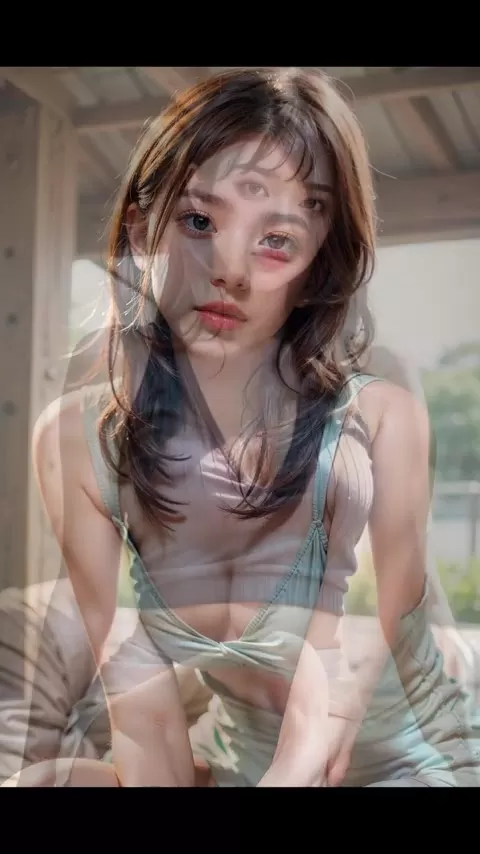
- Neural Style Transfer: This technique transfers the style of one image onto another. For instance, you could apply the style of Van Gogh's 'Starry Night' to a photograph. Using deep learning algorithms, neural style transfer identifies and replicates artistic styles, allowing for the creation of novel visual combinations.
- Variational Autoencoders (VAEs): VAEs learn the underlying distribution of a dataset to generate new samples. In AI art, VAEs can be trained on a collection of images to create new, similar images, often used for generating abstract art and experimenting with different visual elements.
The Role of Datasets
Datasets play a crucial role in the success of AI art. AI models are trained on vast collections of images, which directly influence the style and quality of the generated artwork. High-quality, diverse datasets are essential for producing compelling and original pieces. Artists and researchers often curate specific datasets to achieve particular artistic effects, determining what the AI model can output.
The Current Landscape
The field of AI-generated art is rapidly evolving, with new tools and platforms emerging regularly. Online platforms like Artbreeder and DeepArtStyle allow users to create AI art without needing extensive technical knowledge. These platforms provide user-friendly interfaces and various customization options, making AI art accessible to a broader audience. As AI technology advances, we can anticipate even more sophisticated and innovative tools, further blurring the lines between human and artificial creativity and giving everyone a chance to become an artist.
Ethical Considerations and Debates
Authorship and Originality
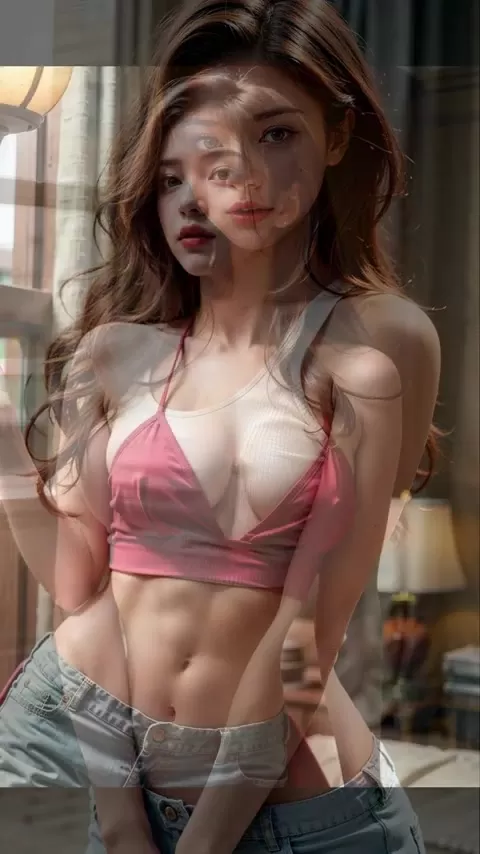
A central debate in AI art revolves around authorship: who is the true artist—the human designing the algorithm or the AI generating the artwork? This question challenges traditional notions of artistic creation and ownership. Some argue that the human programmer deserves credit as the author since they set the parameters and goals. Others believe that the AI plays a creative role by independently generating novel visuals. The issue of originality is closely tied to authorship. If an AI is trained on existing artwork, can its output be considered truly original? Critics argue that AI art might be derivative, lacking the emotional depth and personal expression of human-created art. Yet, supporters of AI art assert that the AI's ability to combine and transform existing styles can lead to genuinely new and innovative expressions.
The Impact on Human Artists
The emergence of AI art has sparked concerns among human artists about its potential impact on their livelihoods. Some fear that AI art could diminish the value of human-created art, leading to decreased demand. Others worry that AI might replace human artists in roles like creating stock images or designing marketing materials. However, many artists see AI as a tool that can enhance their creativity rather than replace it. They view AI as a way to explore new styles, generate ideas, and automate repetitive tasks. By collaborating with AI, artists can push the boundaries of their creativity and produce works that would be impossible otherwise. As AI art becomes more prevalent, fostering a collaborative environment where human artists and AI can coexist and complement each other is essential. This can be achieved through education, training, and new business models that recognize the value of both human and AI contributions to the creative process.
Democratization and Accessibility
One of the key benefits of AI art is its potential to democratize the creative process. AI tools and platforms can make art creation more accessible to individuals without traditional artistic skills or resources. Anyone with a computer and an internet connection can experiment with AI art, regardless of their background or training. This democratization can lead to a greater diversity of voices and perspectives in the art world. AI art also empowers individuals to express themselves creatively in new and innovative ways. For example, someone who struggles with drawing or painting can use AI to generate stunning visuals based on their ideas. By breaking down barriers to entry, AI art can foster a more inclusive and vibrant creative community. However, addressing potential inequalities in access to AI technology and resources is essential to realizing its full democratizing potential.
Getting Started with AI Art Creation
Choosing the Right Tools and Platforms
Numerous AI art tools and platforms are available, each with unique strengths and weaknesses. Some are designed for beginners, offering user-friendly interfaces and simplified workflows, while others cater to advanced users with more control and customization options. When selecting an AI art tool, consider your skill level, artistic goals, and budget. Popular AI art platforms include:
- Artbreeder: Allows users to create and remix images using GANs, offering a wide range of customization options and a collaborative community for sharing creations.
- DeepArtStyle: Specializes in neural style transfer, enabling users to apply the style of famous paintings to their photos with a simple and intuitive interface, ideal for beginners.
- RunwayML: A comprehensive AI platform that includes tools for generating art, music, and text, suitable for experienced users seeking advanced features.
Experiment with different platforms to find the one that best suits your needs and preferences. Most platforms offer free trials or basic versions, allowing you to explore their features before committing to a subscription. Reading online discussions from current users can also help you make an informed decision.
Understanding Basic Concepts and Techniques
Before diving into AI art creation, it's helpful to understand basic concepts and techniques. Familiarize yourself with the principles of GANs, neural style transfer, and VAEs. Learn about the role of datasets in training AI models and how they influence the output. Numerous online resources, including tutorials, articles, and videos, can help you grasp these concepts. Experimenting with different settings and parameters is key to mastering AI art creation. Most platforms offer customization options, such as adjusting style, composition, and color palette. Don't be afraid to try new things and push the boundaries of what's possible.
Iterating and Refining Your Artwork
AI art creation is an iterative process. The initial output may not always be perfect, but it can serve as a starting point for further refinement. Use your artistic judgment to identify areas for improvement and make adjustments accordingly. Many platforms allow you to edit and remix your artwork, adding new elements, changing the style, or altering the composition. Consider using other software tools like Photoshop or GIMP to further enhance your AI-generated art. The key is to combine your creative vision with the power of AI to produce unique and compelling pieces.
Pricing and Accessibility of AI Art Tools
Cost Considerations
The cost of using AI art tools varies widely depending on the platform and features offered. Some platforms offer free versions with limited functionality, while others charge subscription fees for premium features. Subscription fees can range from a few dollars per month to hundreds of dollars per year. Consider your budget and artistic needs when choosing an AI art tool. If you're just starting out, a free or low-cost option may be sufficient. As your skills and goals evolve, you might want to invest in a more advanced platform. Also, consider the cost of computing resources. Training AI models can be computationally intensive, requiring powerful hardware and significant energy consumption. Some platforms offer cloud-based computing resources, which can eliminate the need for expensive hardware, though these services may come with additional costs.
Accessibility for Different User Levels
AI art tools are designed to be accessible to users of all skill levels, from beginners to experienced artists. Many platforms offer user-friendly interfaces and simplified workflows, making it easy for anyone to create AI art. However, mastering AI art creation requires a deeper understanding of the underlying concepts and techniques. Numerous online resources, including tutorials, articles, and videos, can help you learn more about AI art. Consider taking online courses or workshops to develop your skills and knowledge. With practice and dedication, you can unlock the full potential of AI art and produce stunning and innovative pieces. Engaging with active community members can also provide valuable insights and support.
Evaluating AI-Generated Art: A Look at the Pros and Cons
Pros
- Accessibility: AI tools democratize art creation, making it accessible to individuals without traditional artistic skills.
- Efficiency: AI can quickly generate numerous variations of an artwork, saving time and resources.
- Innovation: AI algorithms can explore new styles and combinations that human artists may not consider.
- Collaboration: AI can assist artists in overcoming creative blocks and enhancing their creative process.
- Customization: AI platforms offer a wide range of customization options, allowing users to fine-tune their artwork.
Cons
- Originality Concerns: AI art raises questions about authorship and whether AI-generated pieces can be considered truly original.
- Emotional Depth: Some critics argue that AI art lacks the emotional depth and personal expression of human-created art.
- Ethical Issues: AI art raises ethical concerns related to copyright, intellectual property, and potential misuse.
- Dependence on Data: The quality of AI art depends heavily on the data it is trained on, which can introduce biases.
- Environmental Impact: Training AI models can be computationally intensive and have a significant environmental impact.
Core Features of AI Art Platforms
Key Capabilities
AI art platforms offer a range of features designed to facilitate the creation of unique and compelling artwork. Core features typically include:
- Style Transfer: The ability to apply the style of one image to another, creating novel visual combinations.
- Image Generation: The capacity to generate new images from scratch based on user-defined parameters and prompts.
- Image Remixing: The option to remix and combine existing images, creating new and unexpected visual forms.
- Customization Options: A range of settings and parameters that allow users to fine-tune the style, composition, and color palette of their artwork.
- Collaborative Tools: Features that enable users to share their creations, collaborate with others, and receive feedback on their work.
These core features empower users to explore new artistic possibilities and push the boundaries of their creativity, offering more control to the end user.
Integration with Other Tools
Many AI art platforms offer seamless integration with other creative tools and software, allowing users to combine AI-generated art with traditional art forms like painting, drawing, and photography. For example, you could use an AI platform to generate a base image and then refine it using Photoshop or GIMP. Integration with other tools can also enable you to create multimedia projects that combine AI art with music, video, and text. The possibilities are endless, and integration opens up even further creativity.
Diverse Use Cases for AI-Generated Art
Creative Applications
AI art has a wide range of creative applications across various industries. Some common use cases include:
- Graphic Design: AI can generate logos, marketing materials, and website designs.
- Fashion Design: AI can create unique patterns and styles for clothing and accessories.
- Architectural Design: AI can generate innovative building designs and visualizations.
- Game Development: AI can create textures, characters, and environments for video games.
- Music Composition: AI can generate original music compositions in various styles.
These creative applications demonstrate the versatility and potential of AI art to transform various industries. If you have other projects in mind, the art generated can also be used in countless other ways.
Commercial Opportunities
AI art also presents numerous commercial opportunities for artists, designers, and entrepreneurs. Some potential business models include:
- Selling AI-Generated Art Online: You can sell your AI art on online marketplaces such as Etsy, Redbubble, and Society6.
- Creating Custom AI Art for Clients: You can offer custom AI art services to businesses and individuals.
- Developing AI Art Tools and Platforms: You can create and sell your own AI art tools and platforms.
- Licensing AI Art for Commercial Use: You can license your AI art for use in advertising, marketing, and other commercial applications.
These commercial opportunities highlight the potential of AI art to generate revenue and create new business ventures.
Frequently Asked Questions About AI-Generated Art
Is AI-generated art 'real' art?
The question of whether AI-generated art constitutes 'real' art is a complex and subjective one. Some argue that AI art lacks the emotional depth and personal expression of human-created art, viewing AI as a tool that merely replicates existing styles without the originality and creativity of human artists. Others maintain that AI art represents a new form of artistic expression, challenging traditional notions of creativity and authorship. They argue that AI can generate novel visual forms and push the boundaries of what's possible in art. Ultimately, the definition of 'real' art is a matter of personal opinion and cultural context. As AI art becomes more prevalent, engaging in open and thoughtful discussions about its significance and value is essential. We must consider the potential of AI to enhance human creativity and democratize the art world, while also addressing the ethical concerns and potential impact on human artists.
Can AI art replace human artists?
The question of whether AI art can replace human artists is a topic of much debate and speculation. While AI has made significant strides in generating art, it's unlikely to completely replace human artists. AI art relies on algorithms and datasets, lacking the emotional depth, personal expression, and unique perspectives of human creators. Human artists bring their lived experiences, emotions, and cultural backgrounds to their work, creating art that resonates with audiences on a deep and meaningful level. AI art can, however, augment and enhance human creativity, providing artists with new tools and techniques to explore. AI can automate repetitive tasks, generate ideas, and help artists overcome creative blocks. By collaborating with AI, artists can push the boundaries of their creativity and produce works that would not be possible otherwise. The future of art may involve a hybrid model where human artists and AI coexist and complement each other, creating a dynamic and evolving creative landscape. AI should never replace a human.
What are the ethical considerations of AI art?
AI art raises numerous ethical considerations that need to be addressed as the field continues to evolve. One primary concern is the issue of copyright and intellectual property. If an AI is trained on copyrighted material, can its output be considered original? Who owns the copyright to AI-generated art—the programmer, the user, or the AI itself? These questions are complex and require careful consideration. Another ethical concern is the potential for AI art to be used for malicious purposes, such as creating deepfakes or spreading misinformation. It's essential to develop safeguards and regulations to prevent the misuse of AI art technology. Additionally, the impact of AI art on human artists and the potential for bias in AI algorithms are important ethical considerations. As AI art becomes more prevalent, engaging in open and transparent discussions about these ethical issues and developing solutions that promote fairness, creativity, and social responsibility is crucial.
Ethical Consideration Description Copyright & IP Determining ownership of AI-generated art and ensuring compliance with copyright laws. Misuse Potential Preventing AI art from being used for malicious purposes (e.g., deepfakes, misinformation). Impact on Human Artists Addressing concerns about AI art devaluing or replacing human-created art. Algorithmic Bias Ensuring AI algorithms are free from bias and do not perpetuate stereotypes or inequalities. Environmental Impact Minimizing the carbon footprint associated with training and running AI models. Transparency & Explainability Promoting transparency in AI art creation processes and ensuring algorithms are explainable and understandable.
Related Questions About AI and Art
How does AI art impact traditional art forms?
AI art has a multifaceted impact on traditional art forms, influencing them in both positive and challenging ways. On one hand, it can serve as an innovative tool for traditional artists. For instance, AI algorithms can assist in generating initial sketches, exploring new color palettes, or creating unique textures. This collaboration can lead to the evolution of traditional art, infusing it with modern, technological elements. However, AI art also challenges traditional art forms by questioning the very essence of artistic creation. Traditional art relies heavily on human skill, emotion, and experience. AI art, in contrast, is generated by algorithms, raising questions about authenticity, originality, and the role of the artist. This has sparked debates within the art community regarding the value and validity of AI-generated pieces compared to human-made artworks. The impact of AI art on traditional forms is ongoing, and the future will likely see a blend of these approaches, with artists leveraging AI as a tool to enhance and transform their creative processes, while also upholding the unique qualities of human artistry. This is the future of art.
What is the future of AI in the art world?
The future of AI in the art world is poised to be transformative, marked by significant advancements and integration across various artistic domains. As AI technology continues to evolve, we can expect to see increasingly sophisticated AI tools that offer artists unprecedented capabilities. These tools will likely include advanced generative models capable of producing highly realistic and intricate artworks, as well as AI-driven platforms that facilitate seamless collaboration between human artists and AI algorithms. The use of AI in art education will also expand, with AI tools being integrated into curricula to teach students about digital art techniques and creative problem-solving. AI is expected to democratize the art world, making artistic creation more accessible to individuals regardless of their background or skill level. However, the integration of AI in art also raises ethical and legal questions, such as those related to copyright, originality, and the economic impact on human artists. Addressing these challenges will be crucial for fostering a balanced and sustainable future for AI in the art world. Ultimately, the fusion of AI and art holds immense potential to redefine artistic expression, spark new creative avenues, and reshape the cultural landscape. With human supervision, the space can only improve.
Related article
 Apple, Google Partner With Anthropic to Address 27-Year-Old Vulnerability via Glass Wing Protection
As artificial intelligence advances rapidly in code generation and logical reasoning, the cybersecurity landscape faces unprecedented challenges. Recently, the prominent AI startup Anthropic officially launched a cross-industry collaboration called *
OpenAI Chief Scientist Addresses AI Reasoning Transparency Debate: Complexity Steady, No Sudden Jump
On September 2, Jakub Pachocki, OpenAI’s Chief Scientist, addressed public concerns on X regarding the AI model Astra, clarifying claims that it operates without oversight and lacks transparent reasoning.Why the Controversy Erupted: Deep Recurrence O
U.S. Navy Selects Blue Water Autonomy for Deep-Sea Survey Missions
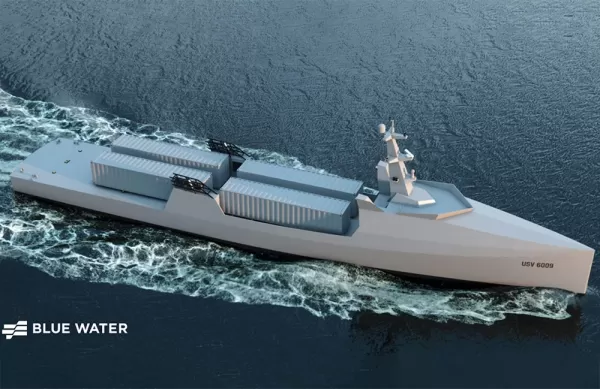
Blue Water Autonomy’s Liberty Class is a 190-foot steel autonomous ship. | Source: Blue Water AutonomyBoston-based technology and shipbuilding firm Blue Water Autonomy has secured a multiple-award contract with the Naval Oceanographic Office (NAVOCEA
Related Special Topic Recommendations
Text-to-speech
Apple, Google Partner With Anthropic to Address 27-Year-Old Vulnerability via Glass Wing Protection
As artificial intelligence advances rapidly in code generation and logical reasoning, the cybersecurity landscape faces unprecedented challenges. Recently, the prominent AI startup Anthropic officially launched a cross-industry collaboration called *
OpenAI Chief Scientist Addresses AI Reasoning Transparency Debate: Complexity Steady, No Sudden Jump
On September 2, Jakub Pachocki, OpenAI’s Chief Scientist, addressed public concerns on X regarding the AI model Astra, clarifying claims that it operates without oversight and lacks transparent reasoning.Why the Controversy Erupted: Deep Recurrence O
U.S. Navy Selects Blue Water Autonomy for Deep-Sea Survey Missions
Blue Water Autonomy’s Liberty Class is a 190-foot steel autonomous ship. | Source: Blue Water AutonomyBoston-based technology and shipbuilding firm Blue Water Autonomy has secured a multiple-award contract with the Naval Oceanographic Office (NAVOCEA
Related Special Topic Recommendations
Text-to-speech
 Best AI Text to Speech Tools for Online Courses
2026 Latest Best Top-rated AI Text to Speech Tools for Online Courses are curated by XIX.AI based on rigorous real-world tests and weekly updated rankings. These powerful tools help creators deliver crystal-clear audio content effortlessly, boosting writing efficiency and streamlining course production. Check out the free vs paid comparison to find your perfect fit. Explore now to unlock your AI edge in online education.
 10 tools
 xix.ai
writing
AI Blog Title Tools for Higher Click Through Rates
xix.ai
writing
AI Blog Title Tools for Higher Click Through Rates
2026 Latest Best Top-Rated AI Blog Title Tools for Higher Click Through Rates! XIX.AI has carefully curated a powerful, game-changing collection of top tools that go through rigorous real-world tests. You’ll find a free vs paid comparison, weekly updated rankings, and detailed insights to help you boost your blog’s traffic efficiently. Must-try options are highlighted to help you unlock your AI edge. Explore now!
10 tools
xix.ai
automation
Best AI Task Routing Tools for Support Workflows
2026 Latest Best Top-rated AI Task Routing Tools for Support Workflows! XIX.AI has curated a highly powerful game-changing collection of must-try solutions, all undergoing rigorous real-world tests and updated weekly. These tools streamline workflows, boost productivity, and help teams deliver faster, more efficient support. Explore now to discover your perfect tool and unlock your AI edge!
17 tools
xix.ai
Academic Research
AI Citation and Paper Summary Tools
2026 Latest Best Top-Rated AI Citation and Paper Summary Tools Curated by XIX.AI. Get powerful game-changing solutions for quick content creation, improved writing efficiency, and boosting productivity. We offer a free vs paid comparison along with real-world tests and weekly updated rankings to help you find the must-try tool that fits your needs perfectly. Explore now to Unlock your AI edge.
10 tools
xix.ai
Productivity
Best AI Productivity Tools for Daily Work
2026 Latest Best Top-Rated AI Productivity Tools for Daily Work! XIX.AI has curated a powerful, game-changing selection based on rigorous weekly updated rankings and real-world tests. You’ll find must-try options that boost writing efficiency, streamline content creation, and help you overcome daily work challenges. Get a free vs paid comparison to find the perfect fit for your needs. Explore now to unlock your AI edge!
9 tools
xix.ai
Academic Research
AI Systematic Review Tools for Research Screening
2026 Latest Best Top-Rated AI Systematic Review Tools for Research Screening are here on XIX.AI! This curated collection includes powerful, game-changing solutions that go through rigorous real-world tests to deliver accurate results. We also offer a free vs paid comparison along with weekly updated rankings to help you find the must-try option that boosts your research efficiency significantly. Explore now to unlock your AI edge in academic work!
11 tools
xix.ai

 Comments (18)
0/500
Comments (18)
0/500
![AlbertSanchez]()
這篇文章來得及時誒!最近正好在看一些AI藝術作品,老實說剛開始覺得都是些隨機色塊,但慢慢看多了也發現一些有意思的創作概念。話說AI創作的版權問題到底要怎麼算啊?搞不好以後藝術家得跟演算法分版稅🤔
![DonaldRoberts]()
AI art is wild! The way algorithms churn out these visuals is like watching a digital Picasso at work. Kinda makes you wonder if humans are still the top artists or if machines are stealing the show. 😎
![HaroldHarris]()
This guide on AI art is mind-blowing! The way algorithms create such stunning visuals feels like magic. Curious how artists feel about competing with code? 🤔
![AlbertThomas]()
ИИ-арт — это что-то! 🖌️ Картины от алгоритмов такие крутые, но мне кажется, это может убить уникальность ручной работы. Интересно, что дальше?
![FrankMartínez]()
Wow, AI art is mind-blowing! 🖼️ The way algorithms create such stunning visuals is unreal. Excited to see how this evolves, but I wonder if it’ll ever match human emotion.
![RalphRoberts]()
AI艺术真是个新奇玩意儿!算法能画出这么炫的图,挺震撼的。不过感觉有点太“完美”,少了点人味儿😅
Artificial intelligence is revolutionizing the world around us, and the art scene is no stranger to this wave of change. AI-generated art, or AI art, is an exciting frontier where algorithms craft mesmerizing and thought-provoking visuals. This guide dives into the techniques, significance, and potential of AI in art creation, providing valuable insights for both art lovers and tech enthusiasts. Let's explore this fascinating intersection of human creativity and computational prowess, and discover how to truly appreciate the unique fusion of art and AI.
Key Points
- AI-generated art uses algorithms to produce original pieces.
- Techniques like GANs and neural style transfer are pivotal in creating AI art.
- AI art sparks discussions on authorship, originality, and artistic value.
- The field is dynamic, with new tools and platforms constantly emerging.
- Appreciating AI art requires an understanding of both art and AI technology.
Understanding AI-Generated Art
What is AI-Generated Art?
AI-generated art is the result of algorithms designed to create unique and visually striking outputs. Unlike traditional art that depends on human skill and creativity, AI art harnesses machine learning models to generate images, compositions, and styles. These models are trained on extensive datasets of existing artworks, enabling them to understand and mimic artistic patterns. The process involves intricate mathematical calculations and neural networks, producing artworks that span from photorealistic to abstract. AI art includes various forms such as paintings, sculptures, digital art, and even music, representing a blend of technology and artistic expression that pushes the boundaries of creativity.
Key Techniques in AI Art
- Generative Adversarial Networks (GANs): GANs are a fascinating technique involving two neural networks that compete with each other. The generator creates new images, while the discriminator assesses their authenticity. Through continuous feedback and improvement, GANs produce increasingly realistic and captivating artworks.
- Neural Style Transfer: This technique transfers the style of one image onto another. For instance, you could apply the style of Van Gogh's 'Starry Night' to a photograph. Using deep learning algorithms, neural style transfer identifies and replicates artistic styles, allowing for the creation of novel visual combinations.
- Variational Autoencoders (VAEs): VAEs learn the underlying distribution of a dataset to generate new samples. In AI art, VAEs can be trained on a collection of images to create new, similar images, often used for generating abstract art and experimenting with different visual elements.
The Role of Datasets
Datasets play a crucial role in the success of AI art. AI models are trained on vast collections of images, which directly influence the style and quality of the generated artwork. High-quality, diverse datasets are essential for producing compelling and original pieces. Artists and researchers often curate specific datasets to achieve particular artistic effects, determining what the AI model can output.
The Current Landscape
The field of AI-generated art is rapidly evolving, with new tools and platforms emerging regularly. Online platforms like Artbreeder and DeepArtStyle allow users to create AI art without needing extensive technical knowledge. These platforms provide user-friendly interfaces and various customization options, making AI art accessible to a broader audience. As AI technology advances, we can anticipate even more sophisticated and innovative tools, further blurring the lines between human and artificial creativity and giving everyone a chance to become an artist.
Ethical Considerations and Debates
Authorship and Originality
A central debate in AI art revolves around authorship: who is the true artist—the human designing the algorithm or the AI generating the artwork? This question challenges traditional notions of artistic creation and ownership. Some argue that the human programmer deserves credit as the author since they set the parameters and goals. Others believe that the AI plays a creative role by independently generating novel visuals. The issue of originality is closely tied to authorship. If an AI is trained on existing artwork, can its output be considered truly original? Critics argue that AI art might be derivative, lacking the emotional depth and personal expression of human-created art. Yet, supporters of AI art assert that the AI's ability to combine and transform existing styles can lead to genuinely new and innovative expressions.
The Impact on Human Artists
The emergence of AI art has sparked concerns among human artists about its potential impact on their livelihoods. Some fear that AI art could diminish the value of human-created art, leading to decreased demand. Others worry that AI might replace human artists in roles like creating stock images or designing marketing materials. However, many artists see AI as a tool that can enhance their creativity rather than replace it. They view AI as a way to explore new styles, generate ideas, and automate repetitive tasks. By collaborating with AI, artists can push the boundaries of their creativity and produce works that would be impossible otherwise. As AI art becomes more prevalent, fostering a collaborative environment where human artists and AI can coexist and complement each other is essential. This can be achieved through education, training, and new business models that recognize the value of both human and AI contributions to the creative process.
Democratization and Accessibility
One of the key benefits of AI art is its potential to democratize the creative process. AI tools and platforms can make art creation more accessible to individuals without traditional artistic skills or resources. Anyone with a computer and an internet connection can experiment with AI art, regardless of their background or training. This democratization can lead to a greater diversity of voices and perspectives in the art world. AI art also empowers individuals to express themselves creatively in new and innovative ways. For example, someone who struggles with drawing or painting can use AI to generate stunning visuals based on their ideas. By breaking down barriers to entry, AI art can foster a more inclusive and vibrant creative community. However, addressing potential inequalities in access to AI technology and resources is essential to realizing its full democratizing potential.
Getting Started with AI Art Creation
Choosing the Right Tools and Platforms
Numerous AI art tools and platforms are available, each with unique strengths and weaknesses. Some are designed for beginners, offering user-friendly interfaces and simplified workflows, while others cater to advanced users with more control and customization options. When selecting an AI art tool, consider your skill level, artistic goals, and budget. Popular AI art platforms include:
- Artbreeder: Allows users to create and remix images using GANs, offering a wide range of customization options and a collaborative community for sharing creations.
- DeepArtStyle: Specializes in neural style transfer, enabling users to apply the style of famous paintings to their photos with a simple and intuitive interface, ideal for beginners.
- RunwayML: A comprehensive AI platform that includes tools for generating art, music, and text, suitable for experienced users seeking advanced features.
Experiment with different platforms to find the one that best suits your needs and preferences. Most platforms offer free trials or basic versions, allowing you to explore their features before committing to a subscription. Reading online discussions from current users can also help you make an informed decision.
Understanding Basic Concepts and Techniques
Before diving into AI art creation, it's helpful to understand basic concepts and techniques. Familiarize yourself with the principles of GANs, neural style transfer, and VAEs. Learn about the role of datasets in training AI models and how they influence the output. Numerous online resources, including tutorials, articles, and videos, can help you grasp these concepts. Experimenting with different settings and parameters is key to mastering AI art creation. Most platforms offer customization options, such as adjusting style, composition, and color palette. Don't be afraid to try new things and push the boundaries of what's possible.
Iterating and Refining Your Artwork
AI art creation is an iterative process. The initial output may not always be perfect, but it can serve as a starting point for further refinement. Use your artistic judgment to identify areas for improvement and make adjustments accordingly. Many platforms allow you to edit and remix your artwork, adding new elements, changing the style, or altering the composition. Consider using other software tools like Photoshop or GIMP to further enhance your AI-generated art. The key is to combine your creative vision with the power of AI to produce unique and compelling pieces.
Pricing and Accessibility of AI Art Tools
Cost Considerations
The cost of using AI art tools varies widely depending on the platform and features offered. Some platforms offer free versions with limited functionality, while others charge subscription fees for premium features. Subscription fees can range from a few dollars per month to hundreds of dollars per year. Consider your budget and artistic needs when choosing an AI art tool. If you're just starting out, a free or low-cost option may be sufficient. As your skills and goals evolve, you might want to invest in a more advanced platform. Also, consider the cost of computing resources. Training AI models can be computationally intensive, requiring powerful hardware and significant energy consumption. Some platforms offer cloud-based computing resources, which can eliminate the need for expensive hardware, though these services may come with additional costs.
Accessibility for Different User Levels
AI art tools are designed to be accessible to users of all skill levels, from beginners to experienced artists. Many platforms offer user-friendly interfaces and simplified workflows, making it easy for anyone to create AI art. However, mastering AI art creation requires a deeper understanding of the underlying concepts and techniques. Numerous online resources, including tutorials, articles, and videos, can help you learn more about AI art. Consider taking online courses or workshops to develop your skills and knowledge. With practice and dedication, you can unlock the full potential of AI art and produce stunning and innovative pieces. Engaging with active community members can also provide valuable insights and support.
Evaluating AI-Generated Art: A Look at the Pros and Cons
Pros
- Accessibility: AI tools democratize art creation, making it accessible to individuals without traditional artistic skills.
- Efficiency: AI can quickly generate numerous variations of an artwork, saving time and resources.
- Innovation: AI algorithms can explore new styles and combinations that human artists may not consider.
- Collaboration: AI can assist artists in overcoming creative blocks and enhancing their creative process.
- Customization: AI platforms offer a wide range of customization options, allowing users to fine-tune their artwork.
Cons
- Originality Concerns: AI art raises questions about authorship and whether AI-generated pieces can be considered truly original.
- Emotional Depth: Some critics argue that AI art lacks the emotional depth and personal expression of human-created art.
- Ethical Issues: AI art raises ethical concerns related to copyright, intellectual property, and potential misuse.
- Dependence on Data: The quality of AI art depends heavily on the data it is trained on, which can introduce biases.
- Environmental Impact: Training AI models can be computationally intensive and have a significant environmental impact.
Core Features of AI Art Platforms
Key Capabilities
AI art platforms offer a range of features designed to facilitate the creation of unique and compelling artwork. Core features typically include:
- Style Transfer: The ability to apply the style of one image to another, creating novel visual combinations.
- Image Generation: The capacity to generate new images from scratch based on user-defined parameters and prompts.
- Image Remixing: The option to remix and combine existing images, creating new and unexpected visual forms.
- Customization Options: A range of settings and parameters that allow users to fine-tune the style, composition, and color palette of their artwork.
- Collaborative Tools: Features that enable users to share their creations, collaborate with others, and receive feedback on their work.
These core features empower users to explore new artistic possibilities and push the boundaries of their creativity, offering more control to the end user.
Integration with Other Tools
Many AI art platforms offer seamless integration with other creative tools and software, allowing users to combine AI-generated art with traditional art forms like painting, drawing, and photography. For example, you could use an AI platform to generate a base image and then refine it using Photoshop or GIMP. Integration with other tools can also enable you to create multimedia projects that combine AI art with music, video, and text. The possibilities are endless, and integration opens up even further creativity.
Diverse Use Cases for AI-Generated Art
Creative Applications
AI art has a wide range of creative applications across various industries. Some common use cases include:
- Graphic Design: AI can generate logos, marketing materials, and website designs.
- Fashion Design: AI can create unique patterns and styles for clothing and accessories.
- Architectural Design: AI can generate innovative building designs and visualizations.
- Game Development: AI can create textures, characters, and environments for video games.
- Music Composition: AI can generate original music compositions in various styles.
These creative applications demonstrate the versatility and potential of AI art to transform various industries. If you have other projects in mind, the art generated can also be used in countless other ways.
Commercial Opportunities
AI art also presents numerous commercial opportunities for artists, designers, and entrepreneurs. Some potential business models include:
- Selling AI-Generated Art Online: You can sell your AI art on online marketplaces such as Etsy, Redbubble, and Society6.
- Creating Custom AI Art for Clients: You can offer custom AI art services to businesses and individuals.
- Developing AI Art Tools and Platforms: You can create and sell your own AI art tools and platforms.
- Licensing AI Art for Commercial Use: You can license your AI art for use in advertising, marketing, and other commercial applications.
These commercial opportunities highlight the potential of AI art to generate revenue and create new business ventures.
Frequently Asked Questions About AI-Generated Art
Is AI-generated art 'real' art?
The question of whether AI-generated art constitutes 'real' art is a complex and subjective one. Some argue that AI art lacks the emotional depth and personal expression of human-created art, viewing AI as a tool that merely replicates existing styles without the originality and creativity of human artists. Others maintain that AI art represents a new form of artistic expression, challenging traditional notions of creativity and authorship. They argue that AI can generate novel visual forms and push the boundaries of what's possible in art. Ultimately, the definition of 'real' art is a matter of personal opinion and cultural context. As AI art becomes more prevalent, engaging in open and thoughtful discussions about its significance and value is essential. We must consider the potential of AI to enhance human creativity and democratize the art world, while also addressing the ethical concerns and potential impact on human artists.
Can AI art replace human artists?
The question of whether AI art can replace human artists is a topic of much debate and speculation. While AI has made significant strides in generating art, it's unlikely to completely replace human artists. AI art relies on algorithms and datasets, lacking the emotional depth, personal expression, and unique perspectives of human creators. Human artists bring their lived experiences, emotions, and cultural backgrounds to their work, creating art that resonates with audiences on a deep and meaningful level. AI art can, however, augment and enhance human creativity, providing artists with new tools and techniques to explore. AI can automate repetitive tasks, generate ideas, and help artists overcome creative blocks. By collaborating with AI, artists can push the boundaries of their creativity and produce works that would not be possible otherwise. The future of art may involve a hybrid model where human artists and AI coexist and complement each other, creating a dynamic and evolving creative landscape. AI should never replace a human.
What are the ethical considerations of AI art?
AI art raises numerous ethical considerations that need to be addressed as the field continues to evolve. One primary concern is the issue of copyright and intellectual property. If an AI is trained on copyrighted material, can its output be considered original? Who owns the copyright to AI-generated art—the programmer, the user, or the AI itself? These questions are complex and require careful consideration. Another ethical concern is the potential for AI art to be used for malicious purposes, such as creating deepfakes or spreading misinformation. It's essential to develop safeguards and regulations to prevent the misuse of AI art technology. Additionally, the impact of AI art on human artists and the potential for bias in AI algorithms are important ethical considerations. As AI art becomes more prevalent, engaging in open and transparent discussions about these ethical issues and developing solutions that promote fairness, creativity, and social responsibility is crucial.
| Ethical Consideration | Description |
|---|---|
| Copyright & IP | Determining ownership of AI-generated art and ensuring compliance with copyright laws. |
| Misuse Potential | Preventing AI art from being used for malicious purposes (e.g., deepfakes, misinformation). |
| Impact on Human Artists | Addressing concerns about AI art devaluing or replacing human-created art. |
| Algorithmic Bias | Ensuring AI algorithms are free from bias and do not perpetuate stereotypes or inequalities. |
| Environmental Impact | Minimizing the carbon footprint associated with training and running AI models. |
| Transparency & Explainability | Promoting transparency in AI art creation processes and ensuring algorithms are explainable and understandable. |
Related Questions About AI and Art
How does AI art impact traditional art forms?
AI art has a multifaceted impact on traditional art forms, influencing them in both positive and challenging ways. On one hand, it can serve as an innovative tool for traditional artists. For instance, AI algorithms can assist in generating initial sketches, exploring new color palettes, or creating unique textures. This collaboration can lead to the evolution of traditional art, infusing it with modern, technological elements. However, AI art also challenges traditional art forms by questioning the very essence of artistic creation. Traditional art relies heavily on human skill, emotion, and experience. AI art, in contrast, is generated by algorithms, raising questions about authenticity, originality, and the role of the artist. This has sparked debates within the art community regarding the value and validity of AI-generated pieces compared to human-made artworks. The impact of AI art on traditional forms is ongoing, and the future will likely see a blend of these approaches, with artists leveraging AI as a tool to enhance and transform their creative processes, while also upholding the unique qualities of human artistry. This is the future of art.
What is the future of AI in the art world?
The future of AI in the art world is poised to be transformative, marked by significant advancements and integration across various artistic domains. As AI technology continues to evolve, we can expect to see increasingly sophisticated AI tools that offer artists unprecedented capabilities. These tools will likely include advanced generative models capable of producing highly realistic and intricate artworks, as well as AI-driven platforms that facilitate seamless collaboration between human artists and AI algorithms. The use of AI in art education will also expand, with AI tools being integrated into curricula to teach students about digital art techniques and creative problem-solving. AI is expected to democratize the art world, making artistic creation more accessible to individuals regardless of their background or skill level. However, the integration of AI in art also raises ethical and legal questions, such as those related to copyright, originality, and the economic impact on human artists. Addressing these challenges will be crucial for fostering a balanced and sustainable future for AI in the art world. Ultimately, the fusion of AI and art holds immense potential to redefine artistic expression, spark new creative avenues, and reshape the cultural landscape. With human supervision, the space can only improve.








 Apple, Google Partner With Anthropic to Address 27-Year-Old Vulnerability via Glass Wing Protection
As artificial intelligence advances rapidly in code generation and logical reasoning, the cybersecurity landscape faces unprecedented challenges. Recently, the prominent AI startup Anthropic officially launched a cross-industry collaboration called *
Apple, Google Partner With Anthropic to Address 27-Year-Old Vulnerability via Glass Wing Protection
As artificial intelligence advances rapidly in code generation and logical reasoning, the cybersecurity landscape faces unprecedented challenges. Recently, the prominent AI startup Anthropic officially launched a cross-industry collaboration called *
 OpenAI Chief Scientist Addresses AI Reasoning Transparency Debate: Complexity Steady, No Sudden Jump
On September 2, Jakub Pachocki, OpenAI’s Chief Scientist, addressed public concerns on X regarding the AI model Astra, clarifying claims that it operates without oversight and lacks transparent reasoning.Why the Controversy Erupted: Deep Recurrence O
OpenAI Chief Scientist Addresses AI Reasoning Transparency Debate: Complexity Steady, No Sudden Jump
On September 2, Jakub Pachocki, OpenAI’s Chief Scientist, addressed public concerns on X regarding the AI model Astra, clarifying claims that it operates without oversight and lacks transparent reasoning.Why the Controversy Erupted: Deep Recurrence O
 U.S. Navy Selects Blue Water Autonomy for Deep-Sea Survey Missions
Blue Water Autonomy’s Liberty Class is a 190-foot steel autonomous ship. | Source: Blue Water AutonomyBoston-based technology and shipbuilding firm Blue Water Autonomy has secured a multiple-award contract with the Naval Oceanographic Office (NAVOCEA
U.S. Navy Selects Blue Water Autonomy for Deep-Sea Survey Missions
Blue Water Autonomy’s Liberty Class is a 190-foot steel autonomous ship. | Source: Blue Water AutonomyBoston-based technology and shipbuilding firm Blue Water Autonomy has secured a multiple-award contract with the Naval Oceanographic Office (NAVOCEA
2026 Latest Best Top-rated AI Text to Speech Tools for Online Courses are curated by XIX.AI based on rigorous real-world tests and weekly updated rankings. These powerful tools help creators deliver crystal-clear audio content effortlessly, boosting writing efficiency and streamlining course production. Check out the free vs paid comparison to find your perfect fit. Explore now to unlock your AI edge in online education.
10 tools
xix.ai

2026 Latest Best Top-Rated AI Blog Title Tools for Higher Click Through Rates! XIX.AI has carefully curated a powerful, game-changing collection of top tools that go through rigorous real-world tests. You’ll find a free vs paid comparison, weekly updated rankings, and detailed insights to help you boost your blog’s traffic efficiently. Must-try options are highlighted to help you unlock your AI edge. Explore now!
10 tools
xix.ai
2026 Latest Best Top-rated AI Task Routing Tools for Support Workflows! XIX.AI has curated a highly powerful game-changing collection of must-try solutions, all undergoing rigorous real-world tests and updated weekly. These tools streamline workflows, boost productivity, and help teams deliver faster, more efficient support. Explore now to discover your perfect tool and unlock your AI edge!
17 tools
xix.ai
2026 Latest Best Top-Rated AI Citation and Paper Summary Tools Curated by XIX.AI. Get powerful game-changing solutions for quick content creation, improved writing efficiency, and boosting productivity. We offer a free vs paid comparison along with real-world tests and weekly updated rankings to help you find the must-try tool that fits your needs perfectly. Explore now to Unlock your AI edge.
10 tools
xix.ai
2026 Latest Best Top-Rated AI Productivity Tools for Daily Work! XIX.AI has curated a powerful, game-changing selection based on rigorous weekly updated rankings and real-world tests. You’ll find must-try options that boost writing efficiency, streamline content creation, and help you overcome daily work challenges. Get a free vs paid comparison to find the perfect fit for your needs. Explore now to unlock your AI edge!
9 tools
xix.ai
2026 Latest Best Top-Rated AI Systematic Review Tools for Research Screening are here on XIX.AI! This curated collection includes powerful, game-changing solutions that go through rigorous real-world tests to deliver accurate results. We also offer a free vs paid comparison along with weekly updated rankings to help you find the must-try option that boosts your research efficiency significantly. Explore now to unlock your AI edge in academic work!
11 tools
xix.ai

這篇文章來得及時誒!最近正好在看一些AI藝術作品,老實說剛開始覺得都是些隨機色塊,但慢慢看多了也發現一些有意思的創作概念。話說AI創作的版權問題到底要怎麼算啊?搞不好以後藝術家得跟演算法分版稅🤔
AI art is wild! The way algorithms churn out these visuals is like watching a digital Picasso at work. Kinda makes you wonder if humans are still the top artists or if machines are stealing the show. 😎
This guide on AI art is mind-blowing! The way algorithms create such stunning visuals feels like magic. Curious how artists feel about competing with code? 🤔
ИИ-арт — это что-то! 🖌️ Картины от алгоритмов такие крутые, но мне кажется, это может убить уникальность ручной работы. Интересно, что дальше?
Wow, AI art is mind-blowing! 🖼️ The way algorithms create such stunning visuals is unreal. Excited to see how this evolves, but I wonder if it’ll ever match human emotion.
AI艺术真是个新奇玩意儿!算法能画出这么炫的图,挺震撼的。不过感觉有点太“完美”,少了点人味儿😅












