


 Home
HomeUS Senate Drops AI Moratorium from Budget Bill Amid Controversy
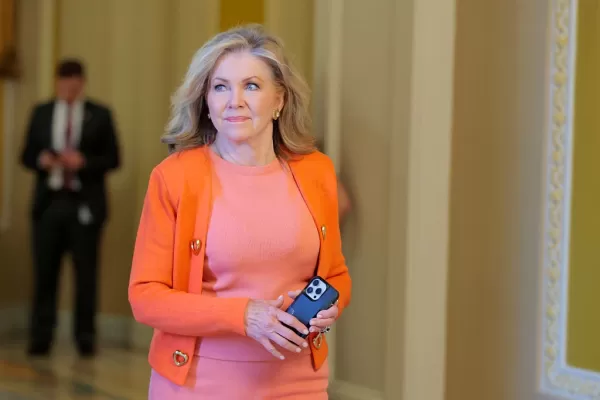
Senate Overwhelmingly Repeals AI Regulation Moratorium
In a rare show of bipartisan unity, U.S. lawmakers voted nearly unanimously Tuesday to eliminate a contentious decade-long prohibition on state-level AI regulation from landmark legislation originally passed during the previous administration. The decisive 99-1 vote followed intense debate about balancing innovation with consumer protections in the rapidly evolving AI sector.
Industry Leaders vs. Consumer Advocates
The provision, championed by Senator Ted Cruz (R-TX), had drawn support from prominent tech executives including OpenAI's Sam Altman and venture capitalist Marc Andreessen. These industry voices argued that allowing state-by-state AI rules would create compliance nightmares and hinder technological progress. However, opponents from both parties warned that stripping states' regulatory authority would leave citizens vulnerable to potential AI harms while concentrating power with major corporations.
Last-Minute Negotiations and Compromise
Senator Marsha Blackburn (R-TN) played a pivotal role in brokering negotiations, initially securing a reduction of the proposed moratorium from 10 to 5 years before ultimately joining Senator Maria Cantwell (D-WA) to propose complete removal of the provision. The dramatic reversal came after mounting concerns about the provision's impact on consumer protections and its controversial linkage to federal broadband funding. Political analysts note the overwhelming final vote signals growing skepticism about allowing industry to self-regulate advanced technologies with significant societal implications.
What Comes Next
With the moratorium lifted, states now regain authority to develop their own AI governance frameworks, potentially creating a diverse regulatory landscape across the country. Legal experts anticipate immediate activity in state legislatures that have been preparing AI bills, while tech companies face new compliance challenges operating across multiple jurisdictions. Observers suggest this vote may mark a turning point in how policymakers approach technology regulation following years of relatively hands-off federal oversight.
Related article
 Sam Altman Sparks Debate Over AI's Deceleration
Listen onApple PodcastsListen onSpotifyOpenAI CEO Sam Altman recently suggested that it may be time to “pace the rate of AI development” to allow society to “harden around some of these new capability levels.”On the latest episode of TechCrunch’s Equ
OpenAI fights Apple trade secret lawsuit
OpenAI rebutted Apple’s trade secret allegations on Tuesday, arguing the lawsuit is unfounded.“We take these claims seriously but see no evidence supporting them,” OpenAI stated, as reported by Bloomberg’s Ed Ludlow on X. “We support fair competition
OpenAI robotics head Caitlin Kalinowski resigns over Pentagon partnership
OpenAI robotics leader Caitlin Kalinowski has stepped down following the company’s controversial partnership with the Department of Defense.“This wasn’t an easy call,” Kalinowski explained in a social media statement. “While AI plays a vital role in
Related Special Topic Recommendations
SEO
Sam Altman Sparks Debate Over AI's Deceleration
Listen onApple PodcastsListen onSpotifyOpenAI CEO Sam Altman recently suggested that it may be time to “pace the rate of AI development” to allow society to “harden around some of these new capability levels.”On the latest episode of TechCrunch’s Equ
OpenAI fights Apple trade secret lawsuit
OpenAI rebutted Apple’s trade secret allegations on Tuesday, arguing the lawsuit is unfounded.“We take these claims seriously but see no evidence supporting them,” OpenAI stated, as reported by Bloomberg’s Ed Ludlow on X. “We support fair competition
OpenAI robotics head Caitlin Kalinowski resigns over Pentagon partnership
OpenAI robotics leader Caitlin Kalinowski has stepped down following the company’s controversial partnership with the Department of Defense.“This wasn’t an easy call,” Kalinowski explained in a social media statement. “While AI plays a vital role in
Related Special Topic Recommendations
SEO
 Best AI SERP Analysis Tools for Search Strategy
2026 Latest Best Top-rated AI SERP Analysis Tools for Search Strategy are curated by XIX.AI through rigorous real-world tests and weekly updated rankings. These powerful tools help you unlock hidden optimization opportunities, boost content performance, and gain a competitive edge in search. Discover your perfect tool to elevate your search strategy today. Explore now!
 13 tools
 xix.ai
Data Analysis
Best AI Anomaly Detection Tools for KPI Monitoring across SaaS and Ecommerce Teams
xix.ai
Data Analysis
Best AI Anomaly Detection Tools for KPI Monitoring across SaaS and Ecommerce Teams
2026 Latest Best Top-rated AI Anomaly Detection Tools for KPI Monitoring in SaaS and Ecommerce teams! XIX.AI has curated a powerful, game-changing collection based on rigorous real-world tests and weekly updated rankings. You’ll find detailed free vs paid comparison insights to help you identify the must-try solution that boosts productivity and unlocks your AI edge. Explore now!
10 tools
xix.ai
writing
Best AI Outline Generators for Long-Form SEO Articles
2026 Latest Best Top-Rated AI Outline Generators for Long-Form SEO Articles, meticulously curated by XIX.AI. These powerful tools offer game-changing assistance in creating high-quality content quickly, boosting writing efficiency significantly. Get a free vs paid comparison along with real-world tests and detailed rankings to help you find the must-try option that suits your needs. Explore now to unlock your AI edge.
8 tools
xix.ai
Education and Learning
AI Study Tools for Homework and Exam Prep
2026 Latest Best AI Study Tools for Homework and Exam Prep! XIX.AI curates a top-rated list of powerful, game-changing tools that help students boost productivity, streamline homework completion, and ace exams through real-world tests. Get a free vs paid comparison, detailed rankings, and must-try options to unlock your AI edge. Explore now!
10 tools
xix.ai
Music composition
AI Vocal Demo Tools for Songwriters, Hooks, Toplines, and Multilingual Draft Sessions
2026 Latest Best AI Vocal Demo Tools for Songwriters, Hook Creators, and Multi-Language Content Teams! XIX.AI has curated a top-rated list of powerful game-changing tools that go through rigorous real-world tests. You’ll find detailed free vs paid comparison data, comprehensive rankings, and must-try options to help you boost writing efficiency and unlock your creative potential. Explore now to discover your perfect tool for all your content needs!
9 tools
xix.ai
Business
Best AI Competitive Research Tools for Small Businesses
2026 Latest Best Top-rated AI Competitive Research Tools for Small Businesses! XIX.AI has curated a highly powerful game-changing collection, updated weekly with rigorous real-world tests and detailed rankings. You can find a comprehensive free vs paid comparison to help you identify the must-try tools that boost your productivity and give you a competitive edge. Explore now to discover your perfect tool!
9 tools
xix.ai

 Comments (4)
0/500
Comments (4)
0/500
![JoseRoberts]()
So they just scrapped the AI moratorium? Feels like letting the genie out of the bottle before we even know what to wish for. States gonna go wild with their own rules now — expect a messy patchwork. 😬
![WillMartinez]()
So the Senate just killed a moratorium that would've stopped states from regulating AI? Sounds like they're handing the hot potato to local governments, hoping they'll figure it out. Classic political chess—avoid responsibility while pretending to act. Watch for a patchwork of crazy state laws now. 🧐
![BenJackson]()
Endlich mal eine vernünftige Entscheidung! Der Moratorium war sowieso unrealistisch, die Technologie entwickelt sich viel zu schnell, als dass man sie einfach zehn Jahre lang ignorieren könnte. Hoffentlich führt das jetzt zu sinnvollen, bundesweit abgestimmten Regeln und nicht zu einem Flickenteppich aus 50 verschiedenen State-Gesetzen. Die Ethik-Frage bleibt aber auf jeden Fall bestehen. 🤔
![RichardJohnson]()
와, AI 규제 금지 조항 제외 결정이 흥미롭네요. 사실 개인적으로 지역별 법률이 기술 발전을 늦출 수 있다는 우려도 공감되지만, 국가 기관이 통제권을 잃는 건 더 위험할 수도 있겠어요. 이 결정이 정치적 합의인지, 아니면 빅테크 로비의 영향인지 궁금해지는 뉴스예요. 😅
Senate Overwhelmingly Repeals AI Regulation Moratorium
In a rare show of bipartisan unity, U.S. lawmakers voted nearly unanimously Tuesday to eliminate a contentious decade-long prohibition on state-level AI regulation from landmark legislation originally passed during the previous administration. The decisive 99-1 vote followed intense debate about balancing innovation with consumer protections in the rapidly evolving AI sector.
Industry Leaders vs. Consumer Advocates
The provision, championed by Senator Ted Cruz (R-TX), had drawn support from prominent tech executives including OpenAI's Sam Altman and venture capitalist Marc Andreessen. These industry voices argued that allowing state-by-state AI rules would create compliance nightmares and hinder technological progress. However, opponents from both parties warned that stripping states' regulatory authority would leave citizens vulnerable to potential AI harms while concentrating power with major corporations.
Last-Minute Negotiations and Compromise
Senator Marsha Blackburn (R-TN) played a pivotal role in brokering negotiations, initially securing a reduction of the proposed moratorium from 10 to 5 years before ultimately joining Senator Maria Cantwell (D-WA) to propose complete removal of the provision. The dramatic reversal came after mounting concerns about the provision's impact on consumer protections and its controversial linkage to federal broadband funding. Political analysts note the overwhelming final vote signals growing skepticism about allowing industry to self-regulate advanced technologies with significant societal implications.
What Comes Next
With the moratorium lifted, states now regain authority to develop their own AI governance frameworks, potentially creating a diverse regulatory landscape across the country. Legal experts anticipate immediate activity in state legislatures that have been preparing AI bills, while tech companies face new compliance challenges operating across multiple jurisdictions. Observers suggest this vote may mark a turning point in how policymakers approach technology regulation following years of relatively hands-off federal oversight.








 Sam Altman Sparks Debate Over AI's Deceleration
Listen onApple PodcastsListen onSpotifyOpenAI CEO Sam Altman recently suggested that it may be time to “pace the rate of AI development” to allow society to “harden around some of these new capability levels.”On the latest episode of TechCrunch’s Equ
Sam Altman Sparks Debate Over AI's Deceleration
Listen onApple PodcastsListen onSpotifyOpenAI CEO Sam Altman recently suggested that it may be time to “pace the rate of AI development” to allow society to “harden around some of these new capability levels.”On the latest episode of TechCrunch’s Equ
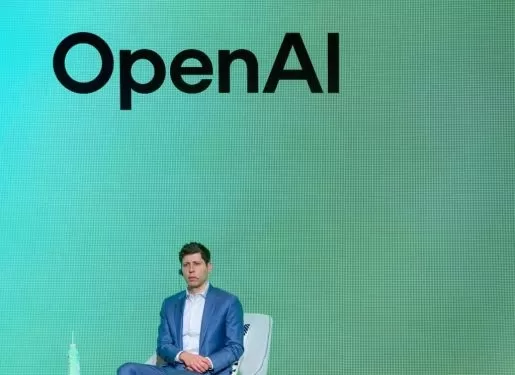 OpenAI fights Apple trade secret lawsuit
OpenAI rebutted Apple’s trade secret allegations on Tuesday, arguing the lawsuit is unfounded.“We take these claims seriously but see no evidence supporting them,” OpenAI stated, as reported by Bloomberg’s Ed Ludlow on X. “We support fair competition
OpenAI fights Apple trade secret lawsuit
OpenAI rebutted Apple’s trade secret allegations on Tuesday, arguing the lawsuit is unfounded.“We take these claims seriously but see no evidence supporting them,” OpenAI stated, as reported by Bloomberg’s Ed Ludlow on X. “We support fair competition
 OpenAI robotics head Caitlin Kalinowski resigns over Pentagon partnership
OpenAI robotics leader Caitlin Kalinowski has stepped down following the company’s controversial partnership with the Department of Defense.“This wasn’t an easy call,” Kalinowski explained in a social media statement. “While AI plays a vital role in
OpenAI robotics head Caitlin Kalinowski resigns over Pentagon partnership
OpenAI robotics leader Caitlin Kalinowski has stepped down following the company’s controversial partnership with the Department of Defense.“This wasn’t an easy call,” Kalinowski explained in a social media statement. “While AI plays a vital role in

2026 Latest Best Top-rated AI SERP Analysis Tools for Search Strategy are curated by XIX.AI through rigorous real-world tests and weekly updated rankings. These powerful tools help you unlock hidden optimization opportunities, boost content performance, and gain a competitive edge in search. Discover your perfect tool to elevate your search strategy today. Explore now!
13 tools
xix.ai

2026 Latest Best Top-rated AI Anomaly Detection Tools for KPI Monitoring in SaaS and Ecommerce teams! XIX.AI has curated a powerful, game-changing collection based on rigorous real-world tests and weekly updated rankings. You’ll find detailed free vs paid comparison insights to help you identify the must-try solution that boosts productivity and unlocks your AI edge. Explore now!
10 tools
xix.ai

2026 Latest Best Top-Rated AI Outline Generators for Long-Form SEO Articles, meticulously curated by XIX.AI. These powerful tools offer game-changing assistance in creating high-quality content quickly, boosting writing efficiency significantly. Get a free vs paid comparison along with real-world tests and detailed rankings to help you find the must-try option that suits your needs. Explore now to unlock your AI edge.
8 tools
xix.ai

2026 Latest Best AI Study Tools for Homework and Exam Prep! XIX.AI curates a top-rated list of powerful, game-changing tools that help students boost productivity, streamline homework completion, and ace exams through real-world tests. Get a free vs paid comparison, detailed rankings, and must-try options to unlock your AI edge. Explore now!
10 tools
xix.ai

2026 Latest Best AI Vocal Demo Tools for Songwriters, Hook Creators, and Multi-Language Content Teams! XIX.AI has curated a top-rated list of powerful game-changing tools that go through rigorous real-world tests. You’ll find detailed free vs paid comparison data, comprehensive rankings, and must-try options to help you boost writing efficiency and unlock your creative potential. Explore now to discover your perfect tool for all your content needs!
9 tools
xix.ai

2026 Latest Best Top-rated AI Competitive Research Tools for Small Businesses! XIX.AI has curated a highly powerful game-changing collection, updated weekly with rigorous real-world tests and detailed rankings. You can find a comprehensive free vs paid comparison to help you identify the must-try tools that boost your productivity and give you a competitive edge. Explore now to discover your perfect tool!
9 tools
xix.ai

So they just scrapped the AI moratorium? Feels like letting the genie out of the bottle before we even know what to wish for. States gonna go wild with their own rules now — expect a messy patchwork. 😬
So the Senate just killed a moratorium that would've stopped states from regulating AI? Sounds like they're handing the hot potato to local governments, hoping they'll figure it out. Classic political chess—avoid responsibility while pretending to act. Watch for a patchwork of crazy state laws now. 🧐
Endlich mal eine vernünftige Entscheidung! Der Moratorium war sowieso unrealistisch, die Technologie entwickelt sich viel zu schnell, als dass man sie einfach zehn Jahre lang ignorieren könnte. Hoffentlich führt das jetzt zu sinnvollen, bundesweit abgestimmten Regeln und nicht zu einem Flickenteppich aus 50 verschiedenen State-Gesetzen. Die Ethik-Frage bleibt aber auf jeden Fall bestehen. 🤔
와, AI 규제 금지 조항 제외 결정이 흥미롭네요. 사실 개인적으로 지역별 법률이 기술 발전을 늦출 수 있다는 우려도 공감되지만, 국가 기관이 통제권을 잃는 건 더 위험할 수도 있겠어요. 이 결정이 정치적 합의인지, 아니면 빅테크 로비의 영향인지 궁금해지는 뉴스예요. 😅












