


 Home
HomeWhy does human creativity matter in 2026? The power of art explained.
Art goes beyond simple beauty. It embodies human creativity, emotion, and skill—all cultivated through dedication and practice. This article explores why art is an inherently human endeavor and why artificial intelligence cannot reproduce a genuine artistic experience.
Key Points
Art is fundamentally human, emerging from creativity and emotional expression.
Artistic ability is developed through commitment and consistent practice.
AI-generated images miss the emotional depth and human connection found in real art.
Support human artists to keep creativity and artistic expression alive.
The value of art lies in the creator's intent and personal journey.
Understanding the Essence of Art
What is Art?
At its heart, art is the expression of an idea or emotion through a chosen medium. It allows people to share experiences, thoughts, and feelings visually, audibly, or tangibly.
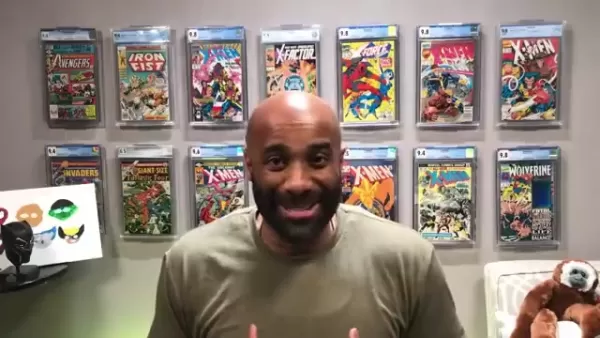
Authentic art stirs emotion and builds a bridge between the artist and the audience. It’s not just about technical ability; it’s about the purpose and meaning infused into the work.
The creative process typically involves:
- Ideation: Developing an idea or concept to communicate.
- Gathering Materials: Choosing the right tools and resources.
- Execution: Using skills and methods to realize the vision.
- Emotional Investment: Pouring personal feelings and experiences into the piece.
Art appears in many forms, such as painting, sculpture, music, dance, literature, and film. What connects them is their power to move us emotionally and shift our viewpoints. Without human creativity, art becomes an empty shell, lacking feeling and substance.
The Significance of Human Creativity
Human creativity fuels artistic innovation. It empowers artists to explore fresh ideas, test various techniques, and expand the limits of possibility. This creativity isn't something people are born with—it grows through years of practice, learning, and a readiness to take chances.
Developing artistic talent includes:
- Practice: Sharpening abilities through repeated effort.
- Study: Gaining knowledge from masters and grasping artistic foundations.
- Experimentation: Trying out different styles, methods, and materials.
- Emotional Connection: Weaving personal feelings and life events into the creation.
Consider
the commitment needed to master an instrument, perfect complex brush techniques, or craft engaging stories. These endeavors aren't only about building skills—they're about forming a distinct voice and outlook. Art mirrors the artist's path and offers a glimpse into the human experience.The artist's role encompasses:
- Visionary: Envisioning new realities and opportunities.
- Innovator: Creating new approaches and aesthetics.
- Communicator: Conveying ideas and emotions via their art.
- Historian: Recording cultural shifts and personal moments.
Artistic Expression as a Reflection of Humanity
Art acts as a mirror of the human condition. It captures our happiness, grief, anxieties, and dreams. Through art, we learn about diverse cultures, historical eras, and individual lives. This reflection is vital for understanding ourselves and our world.
Important ways art reflects humanity:
- Emotional Resonance: Inspires empathy and insight.
- Cultural Documentation: Safeguards traditions and beliefs.
- Historical Context: Sheds light on past events and communities.
- Personal Narrative: Tells unique stories and experiences.
Art encourages us to think critically, challenge norms, and see things differently. It can bring together people from all walks of life. This capacity to connect and motivate speaks to the lasting importance of human creativity.
The Limitations of AI-Generated Images
Why AI Can't Create True Art
Artificial intelligence can produce images, but it cannot make true art. AI is missing the emotional depth, personal history, and conscious intent that are central to art made by humans. Although AI can imitate styles and methods, it cannot duplicate the authentic creative journey.
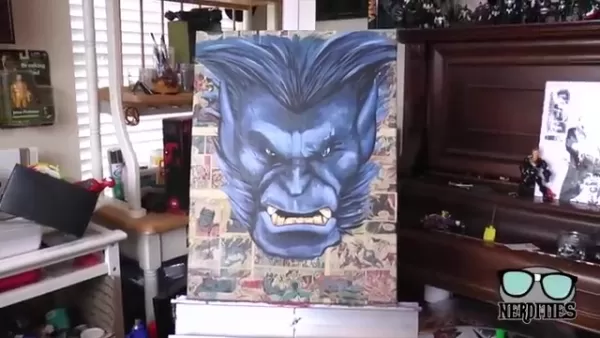
AI-generated images are constrained by:
- Lack of Emotion: Incapable of feeling or conveying real emotions.
- Absence of Experience: Has no personal life events to inform its output.
- No Intentionality: Operates without purpose or meaning beyond its programming.
- Dependence on Data: Relies on pre-existing data and cannot produce truly original creations.
Moreover, AI models learn from human-made data, which means they can only recombine and repeat existing styles and ideas. They cannot innovate or advance art in the manner humans do. AI might create technically striking visuals, but these images are empty of the soul and emotional bond that characterize real art.
The Ethical Concerns of AI Art
The growth of AI-generated imagery brings up ethical issues about copyright, ownership, and the potential sidelining of human artists. AI systems are trained on huge image collections, many of which are protected by copyright. This leads to questions about whether AI outputs violate the rights of the original creators.
Ethical issues related to AI art involve:
- Copyright Infringement: Training AI on copyrighted images without permission.
- Ownership Issues: Deciding who holds the rights to AI-generated works.
- Displacement of Artists: Potentially replacing human creators with algorithms.
- Lack of Transparency: Not knowing exactly how AI produces its results.
Addressing these ethical challenges is necessary to ensure AI is used responsibly and doesn't devalue human creativity. Safeguarding artists and their work is key to maintaining a rich artistic environment. The table below outlines the main distinctions between human and AI art:
Feature Human Art AI Art Source of CreationCreativity, emotion, personal experienceAlgorithms, data sets, pre-existing patternsOriginalityPotential for groundbreaking innovationLimited by data, can only remix existing stylesEthical ConcernsNoneCopyright, ownership, artist displacementValueRepresents human expression and connectionLacks emotional depth and human connectionSupporting Human Artists: Practical Steps
How to Promote Human Created Art
Backing human artists is crucial for nurturing creativity and maintaining a dynamic artistic scene. There are numerous ways to offer your support:
- Purchase Original Artwork: Buy directly from artists or reputable galleries.
- Commission a Piece: Order a custom work made just for you.
- Attend Art Events: Go to galleries, museums, and art fairs.
- Share Their Work: Spread the word on social media and through personal recommendations.
- Provide Financial Support: Contribute to arts groups or support artists via platforms like Patreon.
- Advocate for Artists' Rights: Endorse policies that defend intellectual property and fair pay for artists.
By actively supporting human artists, you help sustain a lively creative community and ensure that future generations can enjoy the impact of art.
Human Art vs. AI Art: A Comparison
Pros
Conveys genuine emotions and personal experiences.
Encourages creativity and innovation.
Creates a personal bond between the artist and the viewer.
Reflects a wide range of perspectives and cultural influences.
Helps human artists make a living.
Cons
Can be subjective and interpreted in various ways.
Often demands more time and resources to produce.
Access can be restricted by price and availability.
Frequently Asked Questions
What makes art uniquely human?
Art is uniquely human because it springs from emotion, personal history, and conscious intent. People contribute their individual viewpoints, feelings, and cultural contexts to their art, creating pieces that connect deeply with others.
Why is it important to support human artists?
Supporting human artists keeps creativity flourishing. It enables artists to focus on their craft, try new concepts, and create art that enhances our lives and broadens our thinking.
Can AI replace human artists?
AI cannot replace human artists since it lacks the emotional richness, lived experience, and creative spark essential for true art. AI-generated pictures might be technically advanced, but they don't have the soul and emotional pull that define human-made art.
Related Questions
How can I discern true art from AI-generated images?
To tell true art from AI-generated images, look at the work's purpose, creation process, and emotional impact. Seek signs of human skill, personal expression, and a clear artistic vision.
Consider
the artwork's context and the artist's background. Authentic art usually stirs stronger feelings and invites more profound reflection.
Related article
 Swedish AI Startup Lovable Eyes $13.2 Billion Valuation After Major Funding Round
As AI-driven coding tools gain traction, Swedish startup Lovable has secured a major funding round. The company aims to raise $3 billion, potentially boosting its valuation to $13.2 billion—double the $6.6 billion recorded last December. Menlo Ventur
Google Tests Remy AI Agent for Gemini as Focus Shifts to User Control
According to Business Insider, Google is testing Remy, a new AI personal agent for Gemini. This tool aims to execute tasks on behalf of users, streamlining both professional workflows and daily routines.Currently, Remy is undergoing testing in an int
How to fix Core Web Vitals for better SEO rankings
Streamline Report Card Comments with AI ToolsIntroductionAI Tools for Generating Report Card CommentsMagic SchoolAlmanac AIChat GPTUsing Magic School to Generate Report Card CommentsLogging into Magic SchoolSelecting the Report Card Comments ToolCust
Related Special Topic Recommendations
writing
Swedish AI Startup Lovable Eyes $13.2 Billion Valuation After Major Funding Round
As AI-driven coding tools gain traction, Swedish startup Lovable has secured a major funding round. The company aims to raise $3 billion, potentially boosting its valuation to $13.2 billion—double the $6.6 billion recorded last December. Menlo Ventur
Google Tests Remy AI Agent for Gemini as Focus Shifts to User Control
According to Business Insider, Google is testing Remy, a new AI personal agent for Gemini. This tool aims to execute tasks on behalf of users, streamlining both professional workflows and daily routines.Currently, Remy is undergoing testing in an int
How to fix Core Web Vitals for better SEO rankings
Streamline Report Card Comments with AI ToolsIntroductionAI Tools for Generating Report Card CommentsMagic SchoolAlmanac AIChat GPTUsing Magic School to Generate Report Card CommentsLogging into Magic SchoolSelecting the Report Card Comments ToolCust
Related Special Topic Recommendations
writing
 Best AI Outline Generators for Long-Form SEO Articles
2026 Latest Best Top-Rated AI Outline Generators for Long-Form SEO Articles, meticulously curated by XIX.AI. These powerful tools offer game-changing assistance in creating high-quality content quickly, boosting writing efficiency significantly. Get a free vs paid comparison along with real-world tests and detailed rankings to help you find the must-try option that suits your needs. Explore now to unlock your AI edge.
 8 tools
 xix.ai
Education and Learning
AI Study Tools for Homework and Exam Prep
xix.ai
Education and Learning
AI Study Tools for Homework and Exam Prep
2026 Latest Best AI Study Tools for Homework and Exam Prep! XIX.AI curates a top-rated list of powerful, game-changing tools that help students boost productivity, streamline homework completion, and ace exams through real-world tests. Get a free vs paid comparison, detailed rankings, and must-try options to unlock your AI edge. Explore now!
10 tools
xix.ai
Music composition
AI Vocal Demo Tools for Songwriters, Hooks, Toplines, and Multilingual Draft Sessions
2026 Latest Best AI Vocal Demo Tools for Songwriters, Hook Creators, and Multi-Language Content Teams! XIX.AI has curated a top-rated list of powerful game-changing tools that go through rigorous real-world tests. You’ll find detailed free vs paid comparison data, comprehensive rankings, and must-try options to help you boost writing efficiency and unlock your creative potential. Explore now to discover your perfect tool for all your content needs!
9 tools
xix.ai
Business
Best AI Competitive Research Tools for Small Businesses
2026 Latest Best Top-rated AI Competitive Research Tools for Small Businesses! XIX.AI has curated a highly powerful game-changing collection, updated weekly with rigorous real-world tests and detailed rankings. You can find a comprehensive free vs paid comparison to help you identify the must-try tools that boost your productivity and give you a competitive edge. Explore now to discover your perfect tool!
9 tools
xix.ai
Image editing
Photoshop AI Retouch Tools for Ecommerce Apparel, Skin Cleanup, and Color Consistency
2026 Latest Best Photoshop AI retouch tools for ecommerce apparel, skin cleanup, and color consistency! This top-rated curated list features powerful game-changing solutions that help you boost writing efficiency, streamline content creation, and achieve perfect visual results effortlessly. Each tool has undergone real-world tests through weekly updated rankings, complete with free vs paid comparison details. Backed by XIX.AI, it’s the must-try guide for anyone aiming to unlock your AI edge. Explore now!
10 tools
xix.ai
Prompt
Best AI Prompt Libraries for ChatGPT Workflows
2026 Latest Best Top-Rated AI Prompt Libraries for optimizing all types of ChatGPT workflows. XIX.AI has curated a powerful, game-changing collection that goes through rigorous real-world tests to ensure top performance. You can find detailed free vs paid comparisons and expert rankings to help you choose the must-try tools that boost your productivity and unlock your AI edge. Explore now!
11 tools
xix.ai

 Comments (0)
0/500
Comments (0)
0/500
Art goes beyond simple beauty. It embodies human creativity, emotion, and skill—all cultivated through dedication and practice. This article explores why art is an inherently human endeavor and why artificial intelligence cannot reproduce a genuine artistic experience.
Key Points
Art is fundamentally human, emerging from creativity and emotional expression.
Artistic ability is developed through commitment and consistent practice.
AI-generated images miss the emotional depth and human connection found in real art.
Support human artists to keep creativity and artistic expression alive.
The value of art lies in the creator's intent and personal journey.
Understanding the Essence of Art
What is Art?
At its heart, art is the expression of an idea or emotion through a chosen medium. It allows people to share experiences, thoughts, and feelings visually, audibly, or tangibly.
Authentic art stirs emotion and builds a bridge between the artist and the audience. It’s not just about technical ability; it’s about the purpose and meaning infused into the work.
The creative process typically involves:
- Ideation: Developing an idea or concept to communicate.
- Gathering Materials: Choosing the right tools and resources.
- Execution: Using skills and methods to realize the vision.
- Emotional Investment: Pouring personal feelings and experiences into the piece.
Art appears in many forms, such as painting, sculpture, music, dance, literature, and film. What connects them is their power to move us emotionally and shift our viewpoints. Without human creativity, art becomes an empty shell, lacking feeling and substance.
The Significance of Human Creativity
Human creativity fuels artistic innovation. It empowers artists to explore fresh ideas, test various techniques, and expand the limits of possibility. This creativity isn't something people are born with—it grows through years of practice, learning, and a readiness to take chances.
Developing artistic talent includes:
- Practice: Sharpening abilities through repeated effort.
- Study: Gaining knowledge from masters and grasping artistic foundations.
- Experimentation: Trying out different styles, methods, and materials.
- Emotional Connection: Weaving personal feelings and life events into the creation.
Consider
the commitment needed to master an instrument, perfect complex brush techniques, or craft engaging stories. These endeavors aren't only about building skills—they're about forming a distinct voice and outlook. Art mirrors the artist's path and offers a glimpse into the human experience.The artist's role encompasses:
- Visionary: Envisioning new realities and opportunities.
- Innovator: Creating new approaches and aesthetics.
- Communicator: Conveying ideas and emotions via their art.
- Historian: Recording cultural shifts and personal moments.
Artistic Expression as a Reflection of Humanity
Art acts as a mirror of the human condition. It captures our happiness, grief, anxieties, and dreams. Through art, we learn about diverse cultures, historical eras, and individual lives. This reflection is vital for understanding ourselves and our world.
Important ways art reflects humanity:
- Emotional Resonance: Inspires empathy and insight.
- Cultural Documentation: Safeguards traditions and beliefs.
- Historical Context: Sheds light on past events and communities.
- Personal Narrative: Tells unique stories and experiences.
Art encourages us to think critically, challenge norms, and see things differently. It can bring together people from all walks of life. This capacity to connect and motivate speaks to the lasting importance of human creativity.
The Limitations of AI-Generated Images
Why AI Can't Create True Art
Artificial intelligence can produce images, but it cannot make true art. AI is missing the emotional depth, personal history, and conscious intent that are central to art made by humans. Although AI can imitate styles and methods, it cannot duplicate the authentic creative journey.
AI-generated images are constrained by:
- Lack of Emotion: Incapable of feeling or conveying real emotions.
- Absence of Experience: Has no personal life events to inform its output.
- No Intentionality: Operates without purpose or meaning beyond its programming.
- Dependence on Data: Relies on pre-existing data and cannot produce truly original creations.
Moreover, AI models learn from human-made data, which means they can only recombine and repeat existing styles and ideas. They cannot innovate or advance art in the manner humans do. AI might create technically striking visuals, but these images are empty of the soul and emotional bond that characterize real art.
The Ethical Concerns of AI Art
The growth of AI-generated imagery brings up ethical issues about copyright, ownership, and the potential sidelining of human artists. AI systems are trained on huge image collections, many of which are protected by copyright. This leads to questions about whether AI outputs violate the rights of the original creators.
Ethical issues related to AI art involve:
- Copyright Infringement: Training AI on copyrighted images without permission.
- Ownership Issues: Deciding who holds the rights to AI-generated works.
- Displacement of Artists: Potentially replacing human creators with algorithms.
- Lack of Transparency: Not knowing exactly how AI produces its results.
Addressing these ethical challenges is necessary to ensure AI is used responsibly and doesn't devalue human creativity. Safeguarding artists and their work is key to maintaining a rich artistic environment. The table below outlines the main distinctions between human and AI art:
Supporting Human Artists: Practical Steps
How to Promote Human Created Art
Backing human artists is crucial for nurturing creativity and maintaining a dynamic artistic scene. There are numerous ways to offer your support:
- Purchase Original Artwork: Buy directly from artists or reputable galleries.
- Commission a Piece: Order a custom work made just for you.
- Attend Art Events: Go to galleries, museums, and art fairs.
- Share Their Work: Spread the word on social media and through personal recommendations.
- Provide Financial Support: Contribute to arts groups or support artists via platforms like Patreon.
- Advocate for Artists' Rights: Endorse policies that defend intellectual property and fair pay for artists.
By actively supporting human artists, you help sustain a lively creative community and ensure that future generations can enjoy the impact of art.
Human Art vs. AI Art: A Comparison
Pros
Conveys genuine emotions and personal experiences.
Encourages creativity and innovation.
Creates a personal bond between the artist and the viewer.
Reflects a wide range of perspectives and cultural influences.
Helps human artists make a living.
Cons
Can be subjective and interpreted in various ways.
Often demands more time and resources to produce.
Access can be restricted by price and availability.
Frequently Asked Questions
What makes art uniquely human?
Art is uniquely human because it springs from emotion, personal history, and conscious intent. People contribute their individual viewpoints, feelings, and cultural contexts to their art, creating pieces that connect deeply with others.
Why is it important to support human artists?
Supporting human artists keeps creativity flourishing. It enables artists to focus on their craft, try new concepts, and create art that enhances our lives and broadens our thinking.
Can AI replace human artists?
AI cannot replace human artists since it lacks the emotional richness, lived experience, and creative spark essential for true art. AI-generated pictures might be technically advanced, but they don't have the soul and emotional pull that define human-made art.
Related Questions
How can I discern true art from AI-generated images?
To tell true art from AI-generated images, look at the work's purpose, creation process, and emotional impact. Seek signs of human skill, personal expression, and a clear artistic vision.
Consider
the artwork's context and the artist's background. Authentic art usually stirs stronger feelings and invites more profound reflection.








 Swedish AI Startup Lovable Eyes $13.2 Billion Valuation After Major Funding Round
As AI-driven coding tools gain traction, Swedish startup Lovable has secured a major funding round. The company aims to raise $3 billion, potentially boosting its valuation to $13.2 billion—double the $6.6 billion recorded last December. Menlo Ventur
Google Tests Remy AI Agent for Gemini as Focus Shifts to User Control
According to Business Insider, Google is testing Remy, a new AI personal agent for Gemini. This tool aims to execute tasks on behalf of users, streamlining both professional workflows and daily routines.Currently, Remy is undergoing testing in an int
Swedish AI Startup Lovable Eyes $13.2 Billion Valuation After Major Funding Round
As AI-driven coding tools gain traction, Swedish startup Lovable has secured a major funding round. The company aims to raise $3 billion, potentially boosting its valuation to $13.2 billion—double the $6.6 billion recorded last December. Menlo Ventur
Google Tests Remy AI Agent for Gemini as Focus Shifts to User Control
According to Business Insider, Google is testing Remy, a new AI personal agent for Gemini. This tool aims to execute tasks on behalf of users, streamlining both professional workflows and daily routines.Currently, Remy is undergoing testing in an int
 How to fix Core Web Vitals for better SEO rankings
Streamline Report Card Comments with AI ToolsIntroductionAI Tools for Generating Report Card CommentsMagic SchoolAlmanac AIChat GPTUsing Magic School to Generate Report Card CommentsLogging into Magic SchoolSelecting the Report Card Comments ToolCust
How to fix Core Web Vitals for better SEO rankings
Streamline Report Card Comments with AI ToolsIntroductionAI Tools for Generating Report Card CommentsMagic SchoolAlmanac AIChat GPTUsing Magic School to Generate Report Card CommentsLogging into Magic SchoolSelecting the Report Card Comments ToolCust

2026 Latest Best Top-Rated AI Outline Generators for Long-Form SEO Articles, meticulously curated by XIX.AI. These powerful tools offer game-changing assistance in creating high-quality content quickly, boosting writing efficiency significantly. Get a free vs paid comparison along with real-world tests and detailed rankings to help you find the must-try option that suits your needs. Explore now to unlock your AI edge.
8 tools
xix.ai

2026 Latest Best AI Study Tools for Homework and Exam Prep! XIX.AI curates a top-rated list of powerful, game-changing tools that help students boost productivity, streamline homework completion, and ace exams through real-world tests. Get a free vs paid comparison, detailed rankings, and must-try options to unlock your AI edge. Explore now!
10 tools
xix.ai

2026 Latest Best AI Vocal Demo Tools for Songwriters, Hook Creators, and Multi-Language Content Teams! XIX.AI has curated a top-rated list of powerful game-changing tools that go through rigorous real-world tests. You’ll find detailed free vs paid comparison data, comprehensive rankings, and must-try options to help you boost writing efficiency and unlock your creative potential. Explore now to discover your perfect tool for all your content needs!
9 tools
xix.ai

2026 Latest Best Top-rated AI Competitive Research Tools for Small Businesses! XIX.AI has curated a highly powerful game-changing collection, updated weekly with rigorous real-world tests and detailed rankings. You can find a comprehensive free vs paid comparison to help you identify the must-try tools that boost your productivity and give you a competitive edge. Explore now to discover your perfect tool!
9 tools
xix.ai

2026 Latest Best Photoshop AI retouch tools for ecommerce apparel, skin cleanup, and color consistency! This top-rated curated list features powerful game-changing solutions that help you boost writing efficiency, streamline content creation, and achieve perfect visual results effortlessly. Each tool has undergone real-world tests through weekly updated rankings, complete with free vs paid comparison details. Backed by XIX.AI, it’s the must-try guide for anyone aiming to unlock your AI edge. Explore now!
10 tools
xix.ai
2026 Latest Best Top-Rated AI Prompt Libraries for optimizing all types of ChatGPT workflows. XIX.AI has curated a powerful, game-changing collection that goes through rigorous real-world tests to ensure top performance. You can find detailed free vs paid comparisons and expert rankings to help you choose the must-try tools that boost your productivity and unlock your AI edge. Explore now!
11 tools
xix.ai












