


 Home
HomeOpenAI, Google staff rush to defend Anthropic in DOD lawsuit
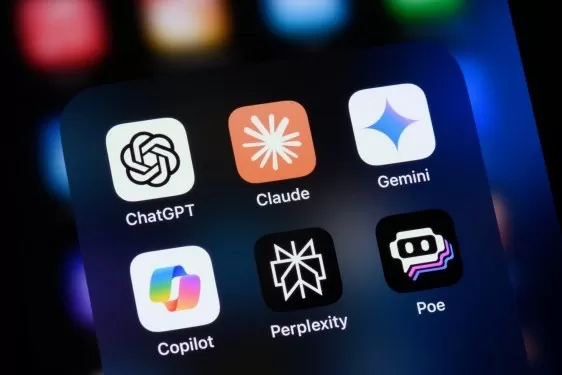
According to court filings, more than 30 employees from OpenAI and Google DeepMind filed a statement on Monday supporting Anthropic’s lawsuit against the U.S. Defense Department after the federal agency designated the AI company as a supply chain risk.
The brief, signed by Google DeepMind chief scientist Jeff Dean among others, states: “The government’s designation of Anthropic as a supply chain risk was an improper and arbitrary exercise of authority that carries serious consequences for our industry.”
Late last week, the Pentagon labeled Anthropic a supply chain risk — a designation usually reserved for foreign adversaries — after the AI firm refused to allow the Department of Defense to use its technology for mass surveillance of Americans or autonomous weapons deployment. The DOD had argued that it should be allowed to use AI for any “lawful” purpose without being constrained by a private contractor.
The amicus brief supporting Anthropic appeared on the docket just a few hours after the Claude maker filed two lawsuits against the DOD and other federal agencies. Wired was the first to report the story.
In the court filing, the Google and OpenAI employees argue that if the Pentagon was “no longer satisfied with the agreed-upon terms of its contract with Anthropic,” the agency could have “simply canceled the contract and purchased the services of another leading AI company.”
The DOD did, in fact, sign a deal with OpenAI shortly after designating Anthropic as a supply chain risk — a move that many of the ChatGPT maker’s employees protested.
The brief continues: “If allowed to proceed, this effort to penalize one of the leading U.S. AI companies will undoubtedly have consequences for the United States’ industrial and scientific competitiveness in artificial intelligence and beyond. And it will chill open deliberation in our field about the risks and benefits of today’s AI systems.”
The filing also affirms that Anthropic’s stated red lines are legitimate concerns requiring strong guardrails. Without public law governing AI use, it argues, the contractual and technical restrictions developers impose on their systems serve as a critical safeguard against catastrophic misuse.
Many of the employees who signed the statement also added their names to open letters in recent weeks, urging the DOD to withdraw the label and calling on their company leaders to support Anthropic and refuse unilateral use of their AI systems.
Related article
 Sam Altman Sparks Debate Over AI's Deceleration
Listen onApple PodcastsListen onSpotifyOpenAI CEO Sam Altman recently suggested that it may be time to “pace the rate of AI development” to allow society to “harden around some of these new capability levels.”On the latest episode of TechCrunch’s Equ
OpenAI fights Apple trade secret lawsuit
OpenAI rebutted Apple’s trade secret allegations on Tuesday, arguing the lawsuit is unfounded.“We take these claims seriously but see no evidence supporting them,” OpenAI stated, as reported by Bloomberg’s Ed Ludlow on X. “We support fair competition
Anthropic Enters AI Legal Tech Market as Competition Intensifies
Anthropic unveiled a suite of new chatbot capabilities on Tuesday, aimed at delivering automated support to legal practices. These enhancements expand upon Claude for Legal, the firm-specific platform introduced earlier this year, by adding specializ
Related Special Topic Recommendations
SEO
Sam Altman Sparks Debate Over AI's Deceleration
Listen onApple PodcastsListen onSpotifyOpenAI CEO Sam Altman recently suggested that it may be time to “pace the rate of AI development” to allow society to “harden around some of these new capability levels.”On the latest episode of TechCrunch’s Equ
OpenAI fights Apple trade secret lawsuit
OpenAI rebutted Apple’s trade secret allegations on Tuesday, arguing the lawsuit is unfounded.“We take these claims seriously but see no evidence supporting them,” OpenAI stated, as reported by Bloomberg’s Ed Ludlow on X. “We support fair competition
Anthropic Enters AI Legal Tech Market as Competition Intensifies
Anthropic unveiled a suite of new chatbot capabilities on Tuesday, aimed at delivering automated support to legal practices. These enhancements expand upon Claude for Legal, the firm-specific platform introduced earlier this year, by adding specializ
Related Special Topic Recommendations
SEO
 Best AI SERP Analysis Tools for Search Strategy
2026 Latest Best Top-rated AI SERP Analysis Tools for Search Strategy are curated by XIX.AI through rigorous real-world tests and weekly updated rankings. These powerful tools help you unlock hidden optimization opportunities, boost content performance, and gain a competitive edge in search. Discover your perfect tool to elevate your search strategy today. Explore now!
 13 tools
 xix.ai
Data Analysis
Best AI Anomaly Detection Tools for KPI Monitoring across SaaS and Ecommerce Teams
xix.ai
Data Analysis
Best AI Anomaly Detection Tools for KPI Monitoring across SaaS and Ecommerce Teams
2026 Latest Best Top-rated AI Anomaly Detection Tools for KPI Monitoring in SaaS and Ecommerce teams! XIX.AI has curated a powerful, game-changing collection based on rigorous real-world tests and weekly updated rankings. You’ll find detailed free vs paid comparison insights to help you identify the must-try solution that boosts productivity and unlocks your AI edge. Explore now!
10 tools
xix.ai
writing
Best AI Outline Generators for Long-Form SEO Articles
2026 Latest Best Top-Rated AI Outline Generators for Long-Form SEO Articles, meticulously curated by XIX.AI. These powerful tools offer game-changing assistance in creating high-quality content quickly, boosting writing efficiency significantly. Get a free vs paid comparison along with real-world tests and detailed rankings to help you find the must-try option that suits your needs. Explore now to unlock your AI edge.
8 tools
xix.ai
Education and Learning
AI Study Tools for Homework and Exam Prep
2026 Latest Best AI Study Tools for Homework and Exam Prep! XIX.AI curates a top-rated list of powerful, game-changing tools that help students boost productivity, streamline homework completion, and ace exams through real-world tests. Get a free vs paid comparison, detailed rankings, and must-try options to unlock your AI edge. Explore now!
10 tools
xix.ai
Music composition
AI Vocal Demo Tools for Songwriters, Hooks, Toplines, and Multilingual Draft Sessions
2026 Latest Best AI Vocal Demo Tools for Songwriters, Hook Creators, and Multi-Language Content Teams! XIX.AI has curated a top-rated list of powerful game-changing tools that go through rigorous real-world tests. You’ll find detailed free vs paid comparison data, comprehensive rankings, and must-try options to help you boost writing efficiency and unlock your creative potential. Explore now to discover your perfect tool for all your content needs!
9 tools
xix.ai
Business
Best AI Competitive Research Tools for Small Businesses
2026 Latest Best Top-rated AI Competitive Research Tools for Small Businesses! XIX.AI has curated a highly powerful game-changing collection, updated weekly with rigorous real-world tests and detailed rankings. You can find a comprehensive free vs paid comparison to help you identify the must-try tools that boost your productivity and give you a competitive edge. Explore now to discover your perfect tool!
9 tools
xix.ai

 Comments (0)
0/500
Comments (0)
0/500
According to court filings, more than 30 employees from OpenAI and Google DeepMind filed a statement on Monday supporting Anthropic’s lawsuit against the U.S. Defense Department after the federal agency designated the AI company as a supply chain risk.
The brief, signed by Google DeepMind chief scientist Jeff Dean among others, states: “The government’s designation of Anthropic as a supply chain risk was an improper and arbitrary exercise of authority that carries serious consequences for our industry.”
Late last week, the Pentagon labeled Anthropic a supply chain risk — a designation usually reserved for foreign adversaries — after the AI firm refused to allow the Department of Defense to use its technology for mass surveillance of Americans or autonomous weapons deployment. The DOD had argued that it should be allowed to use AI for any “lawful” purpose without being constrained by a private contractor.
The amicus brief supporting Anthropic appeared on the docket just a few hours after the Claude maker filed two lawsuits against the DOD and other federal agencies. Wired was the first to report the story.
In the court filing, the Google and OpenAI employees argue that if the Pentagon was “no longer satisfied with the agreed-upon terms of its contract with Anthropic,” the agency could have “simply canceled the contract and purchased the services of another leading AI company.”
The DOD did, in fact, sign a deal with OpenAI shortly after designating Anthropic as a supply chain risk — a move that many of the ChatGPT maker’s employees protested.
The brief continues: “If allowed to proceed, this effort to penalize one of the leading U.S. AI companies will undoubtedly have consequences for the United States’ industrial and scientific competitiveness in artificial intelligence and beyond. And it will chill open deliberation in our field about the risks and benefits of today’s AI systems.”
The filing also affirms that Anthropic’s stated red lines are legitimate concerns requiring strong guardrails. Without public law governing AI use, it argues, the contractual and technical restrictions developers impose on their systems serve as a critical safeguard against catastrophic misuse.
Many of the employees who signed the statement also added their names to open letters in recent weeks, urging the DOD to withdraw the label and calling on their company leaders to support Anthropic and refuse unilateral use of their AI systems.








 Sam Altman Sparks Debate Over AI's Deceleration
Listen onApple PodcastsListen onSpotifyOpenAI CEO Sam Altman recently suggested that it may be time to “pace the rate of AI development” to allow society to “harden around some of these new capability levels.”On the latest episode of TechCrunch’s Equ
Sam Altman Sparks Debate Over AI's Deceleration
Listen onApple PodcastsListen onSpotifyOpenAI CEO Sam Altman recently suggested that it may be time to “pace the rate of AI development” to allow society to “harden around some of these new capability levels.”On the latest episode of TechCrunch’s Equ
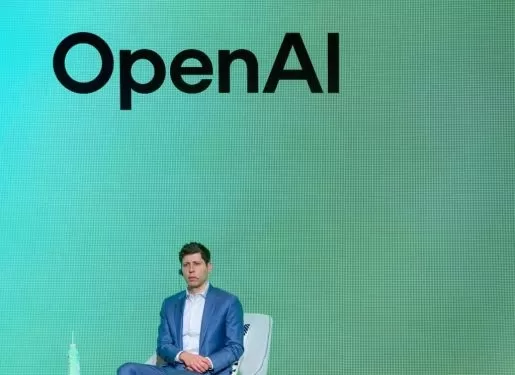 OpenAI fights Apple trade secret lawsuit
OpenAI rebutted Apple’s trade secret allegations on Tuesday, arguing the lawsuit is unfounded.“We take these claims seriously but see no evidence supporting them,” OpenAI stated, as reported by Bloomberg’s Ed Ludlow on X. “We support fair competition
OpenAI fights Apple trade secret lawsuit
OpenAI rebutted Apple’s trade secret allegations on Tuesday, arguing the lawsuit is unfounded.“We take these claims seriously but see no evidence supporting them,” OpenAI stated, as reported by Bloomberg’s Ed Ludlow on X. “We support fair competition
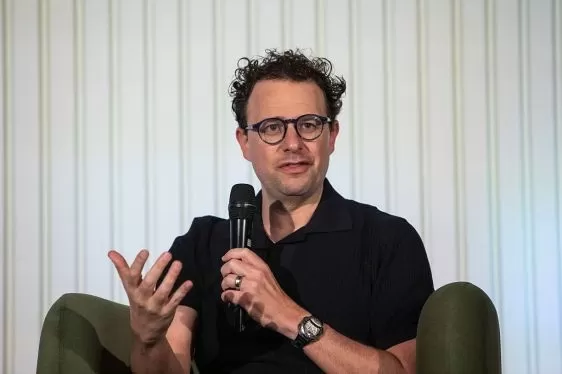 Anthropic Enters AI Legal Tech Market as Competition Intensifies
Anthropic unveiled a suite of new chatbot capabilities on Tuesday, aimed at delivering automated support to legal practices. These enhancements expand upon Claude for Legal, the firm-specific platform introduced earlier this year, by adding specializ
Anthropic Enters AI Legal Tech Market as Competition Intensifies
Anthropic unveiled a suite of new chatbot capabilities on Tuesday, aimed at delivering automated support to legal practices. These enhancements expand upon Claude for Legal, the firm-specific platform introduced earlier this year, by adding specializ

2026 Latest Best Top-rated AI SERP Analysis Tools for Search Strategy are curated by XIX.AI through rigorous real-world tests and weekly updated rankings. These powerful tools help you unlock hidden optimization opportunities, boost content performance, and gain a competitive edge in search. Discover your perfect tool to elevate your search strategy today. Explore now!
13 tools
xix.ai

2026 Latest Best Top-rated AI Anomaly Detection Tools for KPI Monitoring in SaaS and Ecommerce teams! XIX.AI has curated a powerful, game-changing collection based on rigorous real-world tests and weekly updated rankings. You’ll find detailed free vs paid comparison insights to help you identify the must-try solution that boosts productivity and unlocks your AI edge. Explore now!
10 tools
xix.ai

2026 Latest Best Top-Rated AI Outline Generators for Long-Form SEO Articles, meticulously curated by XIX.AI. These powerful tools offer game-changing assistance in creating high-quality content quickly, boosting writing efficiency significantly. Get a free vs paid comparison along with real-world tests and detailed rankings to help you find the must-try option that suits your needs. Explore now to unlock your AI edge.
8 tools
xix.ai

2026 Latest Best AI Study Tools for Homework and Exam Prep! XIX.AI curates a top-rated list of powerful, game-changing tools that help students boost productivity, streamline homework completion, and ace exams through real-world tests. Get a free vs paid comparison, detailed rankings, and must-try options to unlock your AI edge. Explore now!
10 tools
xix.ai

2026 Latest Best AI Vocal Demo Tools for Songwriters, Hook Creators, and Multi-Language Content Teams! XIX.AI has curated a top-rated list of powerful game-changing tools that go through rigorous real-world tests. You’ll find detailed free vs paid comparison data, comprehensive rankings, and must-try options to help you boost writing efficiency and unlock your creative potential. Explore now to discover your perfect tool for all your content needs!
9 tools
xix.ai

2026 Latest Best Top-rated AI Competitive Research Tools for Small Businesses! XIX.AI has curated a highly powerful game-changing collection, updated weekly with rigorous real-world tests and detailed rankings. You can find a comprehensive free vs paid comparison to help you identify the must-try tools that boost your productivity and give you a competitive edge. Explore now to discover your perfect tool!
9 tools
xix.ai












