


 Home
HomeMicrosoft Explores Crediting AI Data Contributors
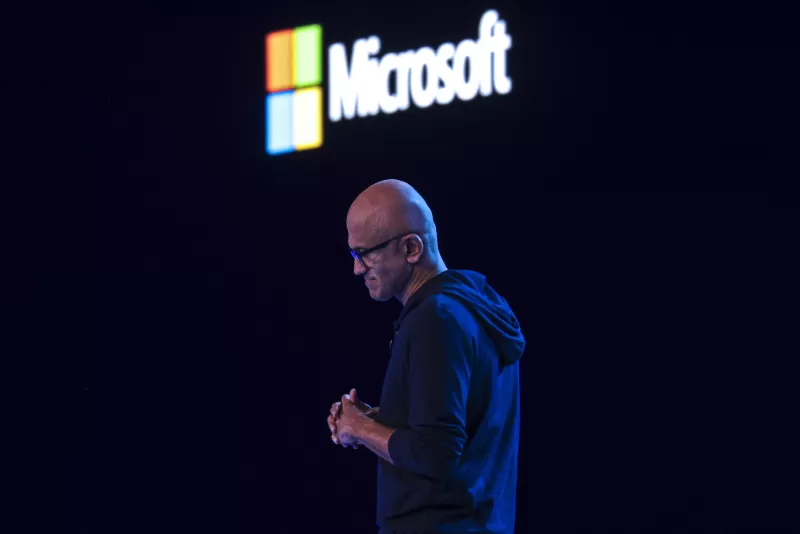
Microsoft is embarking on a new research project aimed at understanding how specific training examples influence the outputs of generative AI models, such as text, images, and other media. This initiative was highlighted in a job listing from December that recently resurfaced on LinkedIn, seeking a research intern to join the effort.
The project's goal is to develop a method to train models so that the impact of particular data, like photos and books, on their outputs can be "efficiently and usefully estimated." The job listing points out that current neural network architectures lack transparency in tracing the origins of their outputs, and there are compelling reasons to address this issue. One reason mentioned is the potential for providing incentives, recognition, and even compensation to individuals who contribute valuable data to future AI models.
The backdrop to this research is the ongoing legal battles involving AI companies, including Microsoft, over intellectual property rights. AI models are often trained on vast datasets scraped from public websites, which can include copyrighted material. While AI companies often claim protection under fair use doctrine, creators across various fields—artists, programmers, authors—dispute this stance.
Microsoft is currently facing legal challenges, including a lawsuit from The New York Times, which alleges that Microsoft and OpenAI infringed on its copyright by using its articles to train their models. Additionally, several software developers have sued Microsoft over its GitHub Copilot AI coding assistant, claiming it was trained on their copyrighted code.
The research project, referred to as "training-time provenance," involves Jaron Lanier, a notable technologist at Microsoft Research. Lanier has previously written about "data dignity," advocating for a system that connects digital content with its creators and potentially compensates them for their contributions to AI outputs.
While Microsoft's project is still in its early stages, other companies like Bria, Adobe, and Shutterstock are already experimenting with compensating data owners based on their contributions to AI models. However, large AI labs have generally not established individual contributor payout programs, opting instead for licensing agreements or opt-out mechanisms for copyright holders, which can be cumbersome and limited in scope.
Microsoft's initiative might remain a proof of concept, similar to OpenAI's yet-to-be-released tool for creators to control how their works are used in training data. There's also speculation that Microsoft might be attempting to "ethics wash" its AI practices or preempt regulatory and legal challenges.
This move by Microsoft is particularly noteworthy given the recent calls from other AI labs, like Google and OpenAI, for the U.S. government to relax copyright protections for AI development. Microsoft has not yet responded to requests for comment on this project.
Related article
 Musk Considered Leaving OpenAI to His Kids as Altman Testifies
This morning, OpenAI CEO Sam Altman took the stand to address former co-founder Elon Musk’s lawsuit challenging the company’s corporate structure.When asked about Musk’s claim that other founders “stole a charity” by launching a for-profit subsidiary
Sam Altman Sparks Debate Over AI's Deceleration
Listen onApple PodcastsListen onSpotifyOpenAI CEO Sam Altman recently suggested that it may be time to “pace the rate of AI development” to allow society to “harden around some of these new capability levels.”On the latest episode of TechCrunch’s Equ
Anthropic Opens Doors to EU Cybersecurity Agency as Mythos5 Model Faces Compliance Exam
Artificial intelligence compliance regulations are advancing significantly. Leading AI firm Anthropic has officially granted the European Union's cybersecurity authority access to its Mythos AI model, a pivotal move for this advanced large language m
Related Special Topic Recommendations
Image editing
Musk Considered Leaving OpenAI to His Kids as Altman Testifies
This morning, OpenAI CEO Sam Altman took the stand to address former co-founder Elon Musk’s lawsuit challenging the company’s corporate structure.When asked about Musk’s claim that other founders “stole a charity” by launching a for-profit subsidiary
Sam Altman Sparks Debate Over AI's Deceleration
Listen onApple PodcastsListen onSpotifyOpenAI CEO Sam Altman recently suggested that it may be time to “pace the rate of AI development” to allow society to “harden around some of these new capability levels.”On the latest episode of TechCrunch’s Equ
Anthropic Opens Doors to EU Cybersecurity Agency as Mythos5 Model Faces Compliance Exam
Artificial intelligence compliance regulations are advancing significantly. Leading AI firm Anthropic has officially granted the European Union's cybersecurity authority access to its Mythos AI model, a pivotal move for this advanced large language m
Related Special Topic Recommendations
Image editing
 Photoshop AI Retouch Tools for Ecommerce Apparel, Skin Cleanup, and Color Consistency
2026 Latest Best Photoshop AI retouch tools for ecommerce apparel, skin cleanup, and color consistency! This top-rated curated list features powerful game-changing solutions that help you boost writing efficiency, streamline content creation, and achieve perfect visual results effortlessly. Each tool has undergone real-world tests through weekly updated rankings, complete with free vs paid comparison details. Backed by XIX.AI, it’s the must-try guide for anyone aiming to unlock your AI edge. Explore now!
 10 tools
 xix.ai
Prompt
Best AI Prompt Libraries for ChatGPT Workflows
xix.ai
Prompt
Best AI Prompt Libraries for ChatGPT Workflows
2026 Latest Best Top-Rated AI Prompt Libraries for optimizing all types of ChatGPT workflows. XIX.AI has curated a powerful, game-changing collection that goes through rigorous real-world tests to ensure top performance. You can find detailed free vs paid comparisons and expert rankings to help you choose the must-try tools that boost your productivity and unlock your AI edge. Explore now!
11 tools
xix.ai
Education and Learning
AI Quiz Builder Platforms for Teachers, Tutors, and Cohort-Based Learning Programs
2026 Latest Best AI Quiz Builder Platforms for Teachers, Tutors, and Cohort-Based Learning Programs! XIX.AI has curated a top-rated list of powerful game-changing tools that go through real-world tests to deliver accurate rankings. These must-try platforms help boost writing efficiency, streamline content creation, and simplify quiz design across all learning scenarios. Explore now to discover your perfect tool for unlocking your AI edge in teaching!
13 tools
xix.ai
code
AI Pull Request Review Tools for GitHub Teams Handling Refactors, Bugs, and Security Gaps
2026 Latest Best AI Pull Request Review Tools for GitHub Teams are here on XIX.AI! This top-rated curated list showcases powerful game-changing solutions that streamline refactoring, bug fixing, and security gap detection across all team workflows. Enjoy a free vs paid comparison along with real-world tests and detailed rankings to help you find the perfect tool that boosts productivity significantly. Explore now to unlock your AI edge!
12 tools
xix.ai
Text-to-speech
Best AI Text to Speech Tools for Natural Voiceovers
2026 Latest Best Top-rated AI Text to Speech Tools for Natural Voiceovers are here on XIX.AI! This curated list features powerful, game-changing options that deliver crystal-clear voices for every use case, backed by real-world tests and weekly updated rankings. Get a free vs paid comparison to find the must-try solution that boosts your productivity instantly. Explore now to Unlock your AI edge!
11 tools
xix.ai
Comic Creation
Manga AI Background Generators for Serialized Chapters, Covers, and Promo Art
2026 Latest Best Manga AI Background Generators Ranked Top-Rated! This curated collection showcases powerful game-changing tools perfect for creating high-quality chapter backgrounds, book covers, and promotional art. Every option has undergone rigorous real-world tests to ensure reliability. Get a free vs paid comparison along with detailed insights. Explore now to discover your perfect tool and unlock your AI edge in manga creation.
6 tools
xix.ai

 Comments (37)
0/500
Comments (37)
0/500
![ChristopherTaylor]()
Interesante proyecto, pero lo que realmente necesito es que alguien en la IA me explique por qué mi asistente virtual aún no puede organizarme el escritorio 😅. ¿Esto de la atribución podría cambiar cómo las empresas comparten datos? Me preocupa un poco la transparencia de todo el proceso. Ojalá no sea solo un gesto de relaciones públicas.
![AvaHill]()
Lo de Microsoft parece interesante pero, ¿y la privacidad de los datos? 🤔 A veces siento que con toda esta exploración de IA, estamos perdiendo el control de lo que se usa para entrenar los modelos. ¿Habrá una compensación justa para quienes contribuyeron? No quiero que esto se convierta en otro caso de 'big tech' aprovechándose de 'datos gratis'...
![RogerSanchez]()
이런 연구는 AI 데이터 기여자들에게 공정한 보상을 제공하는 데 중요한 단계가 될 수 있겠네요. 😊 근데 MS가 과연 저작권 문제를 해결할 수 있을지 의문이 드네요. 데이터 소싱 방식이 좀 더 투명해져야 할 시점인 것 같아요!
![JuanWhite]()
This is super intriguing! Microsoft's diving into how AI training data shapes outputs—mind-blowing stuff. Wonder how they'll credit contributors fairly? 🤔
![BrianWilliams]()
This Microsoft AI project sounds intriguing! Crediting data contributors could reshape how we value creative input in AI. Curious to see if it'll spark ethical debates or just be a tech flex. 🤔
![ChristopherThomas]()
This is wild! Microsoft’s diving into how specific data shapes AI outputs. Makes me wonder if they’ll start paying people for their data contributions 🤔. Could be a game-changer for fairness in AI!








 Musk Considered Leaving OpenAI to His Kids as Altman Testifies
This morning, OpenAI CEO Sam Altman took the stand to address former co-founder Elon Musk’s lawsuit challenging the company’s corporate structure.When asked about Musk’s claim that other founders “stole a charity” by launching a for-profit subsidiary
Musk Considered Leaving OpenAI to His Kids as Altman Testifies
This morning, OpenAI CEO Sam Altman took the stand to address former co-founder Elon Musk’s lawsuit challenging the company’s corporate structure.When asked about Musk’s claim that other founders “stole a charity” by launching a for-profit subsidiary
 Sam Altman Sparks Debate Over AI's Deceleration
Listen onApple PodcastsListen onSpotifyOpenAI CEO Sam Altman recently suggested that it may be time to “pace the rate of AI development” to allow society to “harden around some of these new capability levels.”On the latest episode of TechCrunch’s Equ
Sam Altman Sparks Debate Over AI's Deceleration
Listen onApple PodcastsListen onSpotifyOpenAI CEO Sam Altman recently suggested that it may be time to “pace the rate of AI development” to allow society to “harden around some of these new capability levels.”On the latest episode of TechCrunch’s Equ
 Anthropic Opens Doors to EU Cybersecurity Agency as Mythos5 Model Faces Compliance Exam
Artificial intelligence compliance regulations are advancing significantly. Leading AI firm Anthropic has officially granted the European Union's cybersecurity authority access to its Mythos AI model, a pivotal move for this advanced large language m
Anthropic Opens Doors to EU Cybersecurity Agency as Mythos5 Model Faces Compliance Exam
Artificial intelligence compliance regulations are advancing significantly. Leading AI firm Anthropic has officially granted the European Union's cybersecurity authority access to its Mythos AI model, a pivotal move for this advanced large language m

2026 Latest Best Photoshop AI retouch tools for ecommerce apparel, skin cleanup, and color consistency! This top-rated curated list features powerful game-changing solutions that help you boost writing efficiency, streamline content creation, and achieve perfect visual results effortlessly. Each tool has undergone real-world tests through weekly updated rankings, complete with free vs paid comparison details. Backed by XIX.AI, it’s the must-try guide for anyone aiming to unlock your AI edge. Explore now!
10 tools
xix.ai
2026 Latest Best Top-Rated AI Prompt Libraries for optimizing all types of ChatGPT workflows. XIX.AI has curated a powerful, game-changing collection that goes through rigorous real-world tests to ensure top performance. You can find detailed free vs paid comparisons and expert rankings to help you choose the must-try tools that boost your productivity and unlock your AI edge. Explore now!
11 tools
xix.ai

2026 Latest Best AI Quiz Builder Platforms for Teachers, Tutors, and Cohort-Based Learning Programs! XIX.AI has curated a top-rated list of powerful game-changing tools that go through real-world tests to deliver accurate rankings. These must-try platforms help boost writing efficiency, streamline content creation, and simplify quiz design across all learning scenarios. Explore now to discover your perfect tool for unlocking your AI edge in teaching!
13 tools
xix.ai
2026 Latest Best AI Pull Request Review Tools for GitHub Teams are here on XIX.AI! This top-rated curated list showcases powerful game-changing solutions that streamline refactoring, bug fixing, and security gap detection across all team workflows. Enjoy a free vs paid comparison along with real-world tests and detailed rankings to help you find the perfect tool that boosts productivity significantly. Explore now to unlock your AI edge!
12 tools
xix.ai
2026 Latest Best Top-rated AI Text to Speech Tools for Natural Voiceovers are here on XIX.AI! This curated list features powerful, game-changing options that deliver crystal-clear voices for every use case, backed by real-world tests and weekly updated rankings. Get a free vs paid comparison to find the must-try solution that boosts your productivity instantly. Explore now to Unlock your AI edge!
11 tools
xix.ai

2026 Latest Best Manga AI Background Generators Ranked Top-Rated! This curated collection showcases powerful game-changing tools perfect for creating high-quality chapter backgrounds, book covers, and promotional art. Every option has undergone rigorous real-world tests to ensure reliability. Get a free vs paid comparison along with detailed insights. Explore now to discover your perfect tool and unlock your AI edge in manga creation.
6 tools
xix.ai

Interesante proyecto, pero lo que realmente necesito es que alguien en la IA me explique por qué mi asistente virtual aún no puede organizarme el escritorio 😅. ¿Esto de la atribución podría cambiar cómo las empresas comparten datos? Me preocupa un poco la transparencia de todo el proceso. Ojalá no sea solo un gesto de relaciones públicas.
Lo de Microsoft parece interesante pero, ¿y la privacidad de los datos? 🤔 A veces siento que con toda esta exploración de IA, estamos perdiendo el control de lo que se usa para entrenar los modelos. ¿Habrá una compensación justa para quienes contribuyeron? No quiero que esto se convierta en otro caso de 'big tech' aprovechándose de 'datos gratis'...
이런 연구는 AI 데이터 기여자들에게 공정한 보상을 제공하는 데 중요한 단계가 될 수 있겠네요. 😊 근데 MS가 과연 저작권 문제를 해결할 수 있을지 의문이 드네요. 데이터 소싱 방식이 좀 더 투명해져야 할 시점인 것 같아요!
This is super intriguing! Microsoft's diving into how AI training data shapes outputs—mind-blowing stuff. Wonder how they'll credit contributors fairly? 🤔
This Microsoft AI project sounds intriguing! Crediting data contributors could reshape how we value creative input in AI. Curious to see if it'll spark ethical debates or just be a tech flex. 🤔
This is wild! Microsoft’s diving into how specific data shapes AI outputs. Makes me wonder if they’ll start paying people for their data contributions 🤔. Could be a game-changer for fairness in AI!












