


 Home
HomeHow to master world flags in 2026? Alphabetical song and complete guide for memory.
Are you captivated by the world's diverse flags? Want to learn them in a fun and memorable way? This complete guide includes an alphabetical song to help you master national flags, along with essential details about countries, dependencies, and autonomous regions. Get ready for a vibrant and educational adventure!
Key Points
Alphabetical Order: Flags are arranged alphabetically for straightforward learning.
Comprehensive Coverage: Includes countries, dependencies, and autonomous regions.
Memory Aid: The song serves as an effective memorization tool.
Cultural Insight: Offers a glimpse into each region's unique identity.
Educational Tool: Perfect for students, teachers, and flag enthusiasts.
A Journey Through World Flags
Understanding the Importance of Flags
Flags are far more than colored fabric; they are powerful emblems of a nation's history, culture, and identity. Every color, symbol, and pattern is deliberately selected to communicate specific meanings and values. Flags foster a shared sense of unity and pride among people. This guide offers an in-depth look at understanding and appreciating flags from around the globe.
Studying different national flags also boosts geographical knowledge and cultural awareness. Learning the historical background of flag designs provides insight into how societies have evolved and what they value. By exploring flags, we develop a broader perspective of our world and a deeper appreciation for the rich diversity of human cultures.
Flags Starting with 'A'
We'll start our alphabetical tour with flags that begin with the letter 'A'. Discover the designs, meanings, and cultural importance behind each flag for a thorough overview.
Afghanistan:
The Afghan flag displays three vertical stripes in black, red, and green. The national emblem at the center shows a mosque with the shahada above it, reflecting the nation's history and Islamic traditions.
Albania:The Albanian flag showcases a black double-headed eagle against a red background. This eagle represents sovereignty and national identity, drawing from the country's historic symbols and heroic legacy.
Algeria:The Algerian flag is split into two vertical sections: green and white, with a red star and crescent in the middle. Green signifies Islam, while white stands for purity, illustrating the country's aspirations and religious beliefs.
American Samoa:The flag of American Samoa has a blue background with a white triangle pointing toward the hoist. It depicts an American bald eagle holding traditional Samoan weapons, symbolizing the territory's ties to the United States and its cultural heritage.
Andorra:Andorra's flag has three vertical bands in blue, yellow, and red, with the national coat of arms at the center, reflecting the country's independence and historical character.
Angola:The Angolan flag shows two horizontal bands, red and black, featuring a yellow star, a machete, and a cogwheel. Red represents the struggle for freedom, black signifies Africa, and the star denotes international solidarity, highlighting the nation's objectives and identity.
Anguilla:The flag of Anguilla is a British Blue Ensign with the territory's coat of arms, which includes three dolphins symbolizing strength and friendship, reflecting Anguilla's goals and values.
Antigua and Barbuda:The flag of Antigua and Barbuda includes a black triangle at the top, a red base, and a white and blue section in between. A rising sun signifies a new beginning, and the colors represent the nation's African roots and ambitions.
Argentina:The Argentine flag has three horizontal stripes in light blue, white, and light blue, with a golden sun in the middle of the white band. The sun represents Inti, the sun god, symbolizing national pride and heritage.
Armenia:The Armenian flag consists of three horizontal stripes in red, blue, and orange. Red stands for the Armenian Highland, blue for liberty, and orange for bravery, reflecting the nation's history and principles.
Aruba:The Aruban flag has a light blue field with two thin yellow stripes at the bottom and a red four-pointed star at the top left. The colors represent the island's distinctive qualities and aspirations.
Australia:The Australian flag is a British Blue Ensign featuring the Commonwealth Star and the Southern Cross constellation, representing Australia's historical links to the United Kingdom and its location in the Southern Hemisphere.
Austria:The Austrian flag has three horizontal stripes in red, white, and red. This design is said to symbolize the blood-stained tunic of Duke Leopold after a battle, representing national pride and sacrifice.
Azerbaijan:The Azerbaijani flag displays three horizontal stripes in blue, red, and green, with a white crescent and star on the red band. Blue represents Turkic heritage, red signifies progress, and green stands for Islam, reflecting the nation's cultural values and identity.
Navigating Flags from 'B' to 'C'
Continuing our alphabetical journey, we explore flags starting with 'B' and 'C'. Uncover the stories and symbols behind these flags to enrich your understanding of global identities.
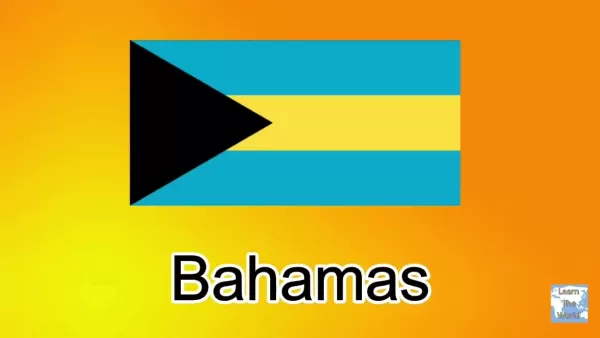
Bahamas: The flag of the Bahamas has a black triangle at the hoist and three horizontal stripes in aquamarine, gold, and aquamarine. Black represents the strength and vitality of the Bahamian people, aquamarine symbolizes the sea, and gold stands for the sun.
Bahrain: The Bahraini flag is red with a white serrated band on the hoist side. The five white triangles represent the Five Pillars of Islam.
Bangladesh: The flag of Bangladesh shows a red disc on a green field. Green represents the country's lush landscape, and red symbolizes the blood shed for independence.
Barbados: The flag of Barbados has three vertical stripes in blue, gold, and blue, with a black trident in the center of the gold band. The trident signifies independence from Britain and the sea god Neptune.
Belarus: The Belarusian flag is red and green with a white and red ornamental pattern on the hoist side. Red symbolizes the past, green represents life, and the pattern reflects the country's cultural heritage.
Belgium: The Belgian flag consists of three vertical stripes in black, yellow, and red. These colors come from the coat of arms of the Duchy of Brabant.
Belize: The flag of Belize has a blue field with the national coat of arms in the center. The coat of arms includes two woodcutters and various tools, representing the country's timber industry.
Benin: The Beninese flag has two horizontal stripes in yellow and red, with a vertical green stripe on the hoist side. Green symbolizes hope, yellow represents wealth, and red stands for courage.
Bhutan: The flag of Bhutan shows a white dragon on a yellow and orange background. The dragon represents the country's name, Druk Yul, meaning "Land of the Dragon."
Bolivia: The Bolivian flag has three horizontal stripes in red, yellow, and green. Red symbolizes the blood shed for independence, yellow represents mineral resources, and green stands for the country's vegetation.
Bosnia and Herzegovina: The flag of Bosnia and Herzegovina has a blue field with a yellow triangle and white stars. The triangle represents the three main ethnic groups, and the stars symbolize Europe.
Botswana: The flag of Botswana has a light blue field with a horizontal black stripe bordered in white. Light blue represents water, and the black and white stripes symbolize racial harmony.
Brazil: The Brazilian flag has a green field with a yellow rhombus and a blue disc containing white stars. Green represents the forests, yellow symbolizes mineral wealth, and the stars represent the Brazilian states.
British Virgin Islands: The flag of the British Virgin Islands is a British Blue Ensign with the territory's coat of arms, which features Saint Ursula and her companions.
Brunei: The flag of Brunei has a yellow field with black and white diagonal stripes and the state crest in the center. Yellow represents royalty, and the crest symbolizes the Sultanate.
Bulgaria: The Bulgarian flag has three horizontal stripes in white, green, and red. White symbolizes peace, green represents agriculture, and red stands for the courage of the people.
Burkina Faso: The flag of Burkina Faso has two horizontal stripes in red and green, with a yellow star in the center. Red represents the revolutionary struggle, green symbolizes hope, and the star stands for guidance.
Burundi: The flag of Burundi has a white saltire dividing the field into red and green sections, with three red stars in the center. The stars represent the national motto: "Unity, Work, Progress."
Cabo Verde: The flag of Cabo Verde has a blue field with a white and red stripe near the bottom and a circle of yellow stars. Blue symbolizes the sea, white represents peace, red stands for courage, and the stars represent the islands.
Cambodia: The flag of Cambodia has a blue border with a white depiction of Angkor Wat in the center. Blue represents royalty, white symbolizes purity, and Angkor Wat is a symbol of national heritage.
Cameroon: The flag of Cameroon has three vertical stripes in green, red, and yellow, with a yellow star in the center. Green represents hope, red symbolizes unity, and yellow stands for the sun.
Canada: The Canadian flag has a red field with a white square in the center containing a red maple leaf. The maple leaf is a symbol of Canada's natural beauty and heritage.
Cayman Islands: The flag of the Cayman Islands is a British Blue Ensign with the territory's coat of arms, which features a pineapple, a turtle, and a lion.
Central African Republic: The flag of the Central African Republic has four horizontal stripes in blue, white, green, and yellow, with a vertical red stripe and a yellow star in the upper hoist corner. The star symbolizes unity and tolerance.
Chad: The flag of Chad has three vertical stripes in blue, yellow, and red. These colors are inspired by the French flag and represent the country's different regions.
Chile: The Chilean flag has two horizontal stripes in white and red, with a blue square in the upper hoist corner containing a white star. White represents the snow-covered Andes, red symbolizes the blood shed for independence, and the star stands for progress and honor.
China:The flag of China has a red field with five yellow stars. The large star represents the Communist Party, and the smaller stars symbolize the four social classes.
Colombia: The Colombian flag has three horizontal stripes in yellow, blue, and red. Yellow represents sovereignty and justice, blue symbolizes loyalty and vigilance, and red stands for valor and generosity.
Comoros: The flag of Comoros has a white crescent and four stars on a green triangle, with horizontal stripes in yellow, white, red, and blue. The stars represent the four islands, and the crescent stands for Islam.
Cook Islands: The flag of the Cook Islands is a British Blue Ensign with a circle of stars on the fly. The stars represent the islands of the Cook Islands.
More Flags from 'C' to 'F'
C to F: Cultural and Historical Significance
We continue with a selection of flags from countries, territories, and regions beginning with the letters C through F. Learning about these flags enhances your cultural understanding and historical knowledge.
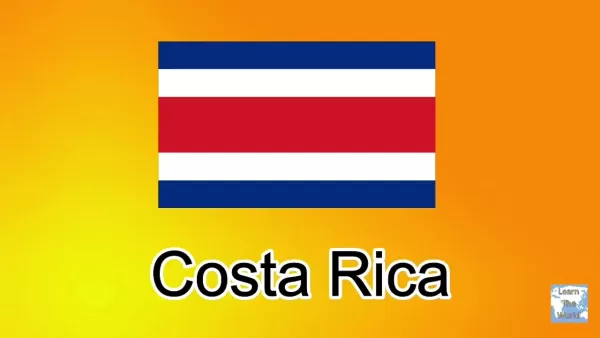
Costa Rica: The flag of Costa Rica has five horizontal stripes in blue, white, red, white, and blue. The coat of arms on the red stripe represents the nation's rich heritage.
Croatia:The Croatian flag has red, white, and blue horizontal stripes, with the national coat of arms in the center, symbolizing Croatian identity.
Cuba: The flag of Cuba has blue and white stripes, with a red triangle on the hoist side containing a white star. This flag represents Cuba's struggle for independence and its socialist ideals.
Curaçao: The flag of Curaçao has a blue field with a horizontal yellow stripe and two white stars in the canton. Blue represents the sea and sky, yellow symbolizes the sun, and the stars represent the island and its smaller sister, Klein Curaçao.
Cyprus: The flag of Cyprus has a white field with a copper-colored outline of the island and two olive branches below. The copper color represents the island's copper resources, and the olive branches symbolize peace.
Czech Republic: The Czech Republic's flag has white and red stripes with a blue triangle on the hoist side. These colors represent Bohemia, Moravia, and Slovakia, the historic regions of the country.
Democratic Republic of the Congo: The flag of the Democratic Republic of the Congo is blue, with a yellow star in the upper hoist corner and a red stripe across the field. The star symbolizes hope, and the stripe represents the blood shed for independence.
Denmark: The flag of Denmark, known as the Dannebrog, is red with a white Scandinavian cross. It is one of the oldest national flags still in use.
Djibouti: The flag of Djibouti has light blue and green triangles with a white triangle at the hoist and a red star in the center. The colors represent the sea, the land, and peace, while the star symbolizes unity.
Dominica: The flag of Dominica has a green field with a cross of yellow, black, and white stripes and a red disc in the center bearing a Sisserou Parrot. The cross symbolizes the Trinity, and the parrot represents the island's unique wildlife.
Dominican Republic: The flag of the Dominican Republic is divided by a white cross into red and blue rectangles. The coat of arms in the center bears the motto "Dios, Patria, Libertad" (God, Fatherland, Liberty).
Ecuador: The flag of Ecuador has yellow, blue, and red horizontal stripes, with the national coat of arms in the center. Yellow symbolizes the sun and wealth, blue represents the sea and sky, and red stands for the blood shed for independence.
Egypt: The flag of Egypt has red, white, and black stripes with a golden eagle in the center. The eagle is the emblem of Saladin, symbolizing strength and heritage.
El Salvador: The flag of El Salvador has blue and white stripes with the coat of arms in the center. Blue represents the ocean and sky, and white symbolizes peace.
Equatorial Guinea: The flag of Equatorial Guinea has green, white, and red horizontal stripes with a blue triangle on the hoist side. The coat of arms features a silk-cotton tree, symbolizing the country's natural resources.
Eritrea: The flag of Eritrea has a green triangle, a red triangle, and a blue section with a golden olive branch. These colors represent the country's landscape and hopes for peace.
Estonia: The Estonian flag has blue, black, and white horizontal stripes. Blue symbolizes the sky, sea, and lakes, black represents the soil, and white stands for snow and hope.
Eswatini (formerly Swaziland): The flag of Eswatini has red, yellow, and blue horizontal stripes with a shield and spears. Red symbolizes past battles, yellow represents mineral resources, and blue stands for peace.
Ethiopia: The flag of Ethiopia has green, yellow, and red horizontal stripes, with a blue disc and yellow star in the center. These colors symbolize hope, peace, and the blood shed for independence.
Falkland Islands: The flag of the Falkland Islands is a British Blue Ensign with the territory's coat of arms. The coat of arms features a sheep and a ship, representing the island's sheep farming and maritime history.
Faroe Islands: The flag of the Faroe Islands is a white field with a blue-edged red Nordic cross. The colors represent the islands and their connection to the Nordic region.
Fiji: The flag of Fiji is light blue with the Union Jack and the Fijian coat of arms. Light blue represents the Pacific Ocean, and the coat of arms features a lion holding a cocoa pod.
Finland: The Finnish flag is white with a blue Nordic cross. White symbolizes snow, and blue represents the lakes and sky.
France: The French flag, known as the Tricolore, has blue, white, and red vertical stripes. These colors represent liberty, equality, and fraternity, the ideals of the French Revolution.
French Guiana: The flag of French Guiana, an overseas territory of France, is typically the French Tricolore.
French Polynesia: The flag of French Polynesia has red and white stripes with a central emblem of a Polynesian canoe under a sun. Red symbolizes nobility, and the emblem represents the islands' heritage.
How to Memorize Flags Using the Alphabetical Song
Step-by-Step Guide
- Listen to the Song: Begin by listening to the alphabetical flags song several times to get used to its rhythm and the order of the flags.
- Visual Association: As you listen, picture each flag in your mind. Focus on the colors, symbols, and design details.
- Flashcards: Make flashcards with the flag on one side and the country name on the other. Use the song as a guide while you review them.
- Quizzes: Test your knowledge regularly with online quizzes or by creating your own. This helps reinforce what you've learned.
- Cultural Connection: Look up the history and cultural background of each flag. Understanding the context makes memorization easier.
- Repetition: Listen to the song and review the flags every day to strengthen your memory.
By following these steps, you can effectively memorize world flags with the alphabetical song and gain a richer understanding of global cultures.
N/A
Pricing Details
This guide is free. This resource is designed to make learning about world flags easy and accessible for everyone.
Advantages and Disadvantages
Pros
Engaging format with an alphabetical song.
Comprehensive coverage of countries, dependencies, and regions.
Easy-to-follow steps for memorization.
Culturally enriching insights.
Cons
Requires consistent effort and repetition.
May not suit all learning styles.
Core Features of the Learning Guide
Key Components
- Alphabetical presentation: Flags are shown in alphabetical order for easy reference.
- Memorable Song: The song serves as a mnemonic aid to help you remember.
- Comprehensive Coverage: Includes countries, dependencies, and autonomous regions.
- Visual Aids: Each flag is shown with its name, supporting visual and auditory learning.
- Cultural Insights: Offers background on the history and meaning of each flag.
Diverse Applications
Who Can Benefit?
This guide is flexible and useful in many situations:
- Educational Settings: Teachers can use it to teach geography and culture.
- Students: Students can use it to learn and remember world flags.
- Travel Enthusiasts: Travelers can use it to get familiar with the flags of countries they want to visit.
- Flag Enthusiasts: People interested in vexillology can use it to broaden their knowledge.
- Cultural Organizations: Groups promoting cultural awareness can use it as an educational tool.
Frequently Asked Questions
What is the purpose of this guide?
This guide offers a fun and effective way to learn world flags through an alphabetical song and detailed information about countries, dependencies, and autonomous regions.
Who is this guide for?
This guide is great for students, teachers, travelers, flag lovers, and anyone curious about global cultures.
How can the alphabetical song help in memorizing flags?
The alphabetical song acts as a memory aid, making it simpler to recall the order of flags and link them to their respective countries or regions.
Are all the world flags included in this guide?
Yes, this guide includes flags from countries, dependencies, and autonomous regions, giving you a complete view of global flags.
How often should I review the flags to memorize them effectively?
Reviewing the flags and listening to the song daily will help solidify your knowledge and improve retention.
Related Questions
What are the most common colors and symbols used in world flags, and what do they represent?
World flags frequently use a range of colors and symbols, each with distinct meanings. Knowing these common elements can deepen your appreciation for what flags stand for.Red: Often represents courage, revolution, or the blood shed for independence.White: Typically symbolizes peace, purity, or honesty.Blue: Commonly stands for freedom, justice, or the sea and sky.Green: Often represents hope, fertility, or agriculture, and is important in Islamic flags.Yellow: Usually symbolizes wealth, prosperity, or the sun.Black: Represents determination, ethnic heritage, or mourning.Common symbols include:Stars: Often symbolize states, provinces, or guiding ideals.Crescents: Mostly used in Islamic countries, representing faith.Suns: Symbolize enlightenment, life, or energy.Eagles: Represent strength, courage, or freedom.Crosses: Typically symbolize Christianity or historical significance.Understanding these colors and symbols provides deeper insight into the values and histories of the nations they represent. Flags are carefully designed to reflect the unique identity and aspirations of each country or region. This symbolic language is key to representing nations' histories, values, and cultural identities, contributing to a more nuanced understanding of each region.
Related article
 How to fix Core Web Vitals for better SEO rankings
Streamline Report Card Comments with AI ToolsIntroductionAI Tools for Generating Report Card CommentsMagic SchoolAlmanac AIChat GPTUsing Magic School to Generate Report Card CommentsLogging into Magic SchoolSelecting the Report Card Comments ToolCust
Slackbot Becomes an AI Agent
Slackbot, the automated assistant embedded in Salesforce’s corporate messaging platform Slack, is evolving into an AI agent. Salesforce CTO Parker Harris envisions it achieving viral status comparable to OpenAI’s ChatGPT.The cloud software giant laun
ByteDance Boosts Core AI Incentives as Doubao Surges 14.6%
ByteDance recently convened a DouBao equity briefing to unveil fresh incentive policies for staff involved in the DouBao division. The strike price for DouBao shares has been lifted from $14.85 in June 2026 to $17.02, marking an approximate 14.6% inc
Related Special Topic Recommendations
Education and Learning
How to fix Core Web Vitals for better SEO rankings
Streamline Report Card Comments with AI ToolsIntroductionAI Tools for Generating Report Card CommentsMagic SchoolAlmanac AIChat GPTUsing Magic School to Generate Report Card CommentsLogging into Magic SchoolSelecting the Report Card Comments ToolCust
Slackbot Becomes an AI Agent
Slackbot, the automated assistant embedded in Salesforce’s corporate messaging platform Slack, is evolving into an AI agent. Salesforce CTO Parker Harris envisions it achieving viral status comparable to OpenAI’s ChatGPT.The cloud software giant laun
ByteDance Boosts Core AI Incentives as Doubao Surges 14.6%
ByteDance recently convened a DouBao equity briefing to unveil fresh incentive policies for staff involved in the DouBao division. The strike price for DouBao shares has been lifted from $14.85 in June 2026 to $17.02, marking an approximate 14.6% inc
Related Special Topic Recommendations
Education and Learning
 AI Study Tools for Homework and Exam Prep
2026 Latest Best AI Study Tools for Homework and Exam Prep! XIX.AI curates a top-rated list of powerful, game-changing tools that help students boost productivity, streamline homework completion, and ace exams through real-world tests. Get a free vs paid comparison, detailed rankings, and must-try options to unlock your AI edge. Explore now!
 10 tools
 xix.ai
Music composition
AI Vocal Demo Tools for Songwriters, Hooks, Toplines, and Multilingual Draft Sessions
xix.ai
Music composition
AI Vocal Demo Tools for Songwriters, Hooks, Toplines, and Multilingual Draft Sessions
2026 Latest Best AI Vocal Demo Tools for Songwriters, Hook Creators, and Multi-Language Content Teams! XIX.AI has curated a top-rated list of powerful game-changing tools that go through rigorous real-world tests. You’ll find detailed free vs paid comparison data, comprehensive rankings, and must-try options to help you boost writing efficiency and unlock your creative potential. Explore now to discover your perfect tool for all your content needs!
9 tools
xix.ai
Business
Best AI Competitive Research Tools for Small Businesses
2026 Latest Best Top-rated AI Competitive Research Tools for Small Businesses! XIX.AI has curated a highly powerful game-changing collection, updated weekly with rigorous real-world tests and detailed rankings. You can find a comprehensive free vs paid comparison to help you identify the must-try tools that boost your productivity and give you a competitive edge. Explore now to discover your perfect tool!
9 tools
xix.ai
Image editing
Photoshop AI Retouch Tools for Ecommerce Apparel, Skin Cleanup, and Color Consistency
2026 Latest Best Photoshop AI retouch tools for ecommerce apparel, skin cleanup, and color consistency! This top-rated curated list features powerful game-changing solutions that help you boost writing efficiency, streamline content creation, and achieve perfect visual results effortlessly. Each tool has undergone real-world tests through weekly updated rankings, complete with free vs paid comparison details. Backed by XIX.AI, it’s the must-try guide for anyone aiming to unlock your AI edge. Explore now!
10 tools
xix.ai
Prompt
Best AI Prompt Libraries for ChatGPT Workflows
2026 Latest Best Top-Rated AI Prompt Libraries for optimizing all types of ChatGPT workflows. XIX.AI has curated a powerful, game-changing collection that goes through rigorous real-world tests to ensure top performance. You can find detailed free vs paid comparisons and expert rankings to help you choose the must-try tools that boost your productivity and unlock your AI edge. Explore now!
11 tools
xix.ai
Education and Learning
AI Quiz Builder Platforms for Teachers, Tutors, and Cohort-Based Learning Programs
2026 Latest Best AI Quiz Builder Platforms for Teachers, Tutors, and Cohort-Based Learning Programs! XIX.AI has curated a top-rated list of powerful game-changing tools that go through real-world tests to deliver accurate rankings. These must-try platforms help boost writing efficiency, streamline content creation, and simplify quiz design across all learning scenarios. Explore now to discover your perfect tool for unlocking your AI edge in teaching!
13 tools
xix.ai

 Comments (1)
0/500
Comments (1)
0/500
![StevenGonzalez]()
이런 방법으로 국기를 외우는 건 처음 봐요! 노래로 배우면 정말 재미있을 것 같아요. 근데 2026년까지 마스터한다는 건 좀 야심찬 목표네요. 저는 아직도 몇몇 국기 디자인을 헷갈려하는데... 혹시 북한 국기도 포함되어 있나요? 😅
Are you captivated by the world's diverse flags? Want to learn them in a fun and memorable way? This complete guide includes an alphabetical song to help you master national flags, along with essential details about countries, dependencies, and autonomous regions. Get ready for a vibrant and educational adventure!
Key Points
Alphabetical Order: Flags are arranged alphabetically for straightforward learning.
Comprehensive Coverage: Includes countries, dependencies, and autonomous regions.
Memory Aid: The song serves as an effective memorization tool.
Cultural Insight: Offers a glimpse into each region's unique identity.
Educational Tool: Perfect for students, teachers, and flag enthusiasts.
A Journey Through World Flags
Understanding the Importance of Flags
Flags are far more than colored fabric; they are powerful emblems of a nation's history, culture, and identity. Every color, symbol, and pattern is deliberately selected to communicate specific meanings and values. Flags foster a shared sense of unity and pride among people. This guide offers an in-depth look at understanding and appreciating flags from around the globe.
Studying different national flags also boosts geographical knowledge and cultural awareness. Learning the historical background of flag designs provides insight into how societies have evolved and what they value. By exploring flags, we develop a broader perspective of our world and a deeper appreciation for the rich diversity of human cultures.
Flags Starting with 'A'
We'll start our alphabetical tour with flags that begin with the letter 'A'. Discover the designs, meanings, and cultural importance behind each flag for a thorough overview.
Afghanistan:
The Afghan flag displays three vertical stripes in black, red, and green. The national emblem at the center shows a mosque with the shahada above it, reflecting the nation's history and Islamic traditions.
Albania:The Albanian flag showcases a black double-headed eagle against a red background. This eagle represents sovereignty and national identity, drawing from the country's historic symbols and heroic legacy.
Algeria:The Algerian flag is split into two vertical sections: green and white, with a red star and crescent in the middle. Green signifies Islam, while white stands for purity, illustrating the country's aspirations and religious beliefs.
American Samoa:The flag of American Samoa has a blue background with a white triangle pointing toward the hoist. It depicts an American bald eagle holding traditional Samoan weapons, symbolizing the territory's ties to the United States and its cultural heritage.
Andorra:Andorra's flag has three vertical bands in blue, yellow, and red, with the national coat of arms at the center, reflecting the country's independence and historical character.
Angola:The Angolan flag shows two horizontal bands, red and black, featuring a yellow star, a machete, and a cogwheel. Red represents the struggle for freedom, black signifies Africa, and the star denotes international solidarity, highlighting the nation's objectives and identity.
Anguilla:The flag of Anguilla is a British Blue Ensign with the territory's coat of arms, which includes three dolphins symbolizing strength and friendship, reflecting Anguilla's goals and values.
Antigua and Barbuda:The flag of Antigua and Barbuda includes a black triangle at the top, a red base, and a white and blue section in between. A rising sun signifies a new beginning, and the colors represent the nation's African roots and ambitions.
Argentina:The Argentine flag has three horizontal stripes in light blue, white, and light blue, with a golden sun in the middle of the white band. The sun represents Inti, the sun god, symbolizing national pride and heritage.
Armenia:The Armenian flag consists of three horizontal stripes in red, blue, and orange. Red stands for the Armenian Highland, blue for liberty, and orange for bravery, reflecting the nation's history and principles.
Aruba:The Aruban flag has a light blue field with two thin yellow stripes at the bottom and a red four-pointed star at the top left. The colors represent the island's distinctive qualities and aspirations.
Australia:The Australian flag is a British Blue Ensign featuring the Commonwealth Star and the Southern Cross constellation, representing Australia's historical links to the United Kingdom and its location in the Southern Hemisphere.
Austria:The Austrian flag has three horizontal stripes in red, white, and red. This design is said to symbolize the blood-stained tunic of Duke Leopold after a battle, representing national pride and sacrifice.
Azerbaijan:The Azerbaijani flag displays three horizontal stripes in blue, red, and green, with a white crescent and star on the red band. Blue represents Turkic heritage, red signifies progress, and green stands for Islam, reflecting the nation's cultural values and identity.
Navigating Flags from 'B' to 'C'
Continuing our alphabetical journey, we explore flags starting with 'B' and 'C'. Uncover the stories and symbols behind these flags to enrich your understanding of global identities.
Bahamas: The flag of the Bahamas has a black triangle at the hoist and three horizontal stripes in aquamarine, gold, and aquamarine. Black represents the strength and vitality of the Bahamian people, aquamarine symbolizes the sea, and gold stands for the sun.
Bahrain: The Bahraini flag is red with a white serrated band on the hoist side. The five white triangles represent the Five Pillars of Islam.
Bangladesh: The flag of Bangladesh shows a red disc on a green field. Green represents the country's lush landscape, and red symbolizes the blood shed for independence.
Barbados: The flag of Barbados has three vertical stripes in blue, gold, and blue, with a black trident in the center of the gold band. The trident signifies independence from Britain and the sea god Neptune.
Belarus: The Belarusian flag is red and green with a white and red ornamental pattern on the hoist side. Red symbolizes the past, green represents life, and the pattern reflects the country's cultural heritage.
Belgium: The Belgian flag consists of three vertical stripes in black, yellow, and red. These colors come from the coat of arms of the Duchy of Brabant.
Belize: The flag of Belize has a blue field with the national coat of arms in the center. The coat of arms includes two woodcutters and various tools, representing the country's timber industry.
Benin: The Beninese flag has two horizontal stripes in yellow and red, with a vertical green stripe on the hoist side. Green symbolizes hope, yellow represents wealth, and red stands for courage.
Bhutan: The flag of Bhutan shows a white dragon on a yellow and orange background. The dragon represents the country's name, Druk Yul, meaning "Land of the Dragon."
Bolivia: The Bolivian flag has three horizontal stripes in red, yellow, and green. Red symbolizes the blood shed for independence, yellow represents mineral resources, and green stands for the country's vegetation.
Bosnia and Herzegovina: The flag of Bosnia and Herzegovina has a blue field with a yellow triangle and white stars. The triangle represents the three main ethnic groups, and the stars symbolize Europe.
Botswana: The flag of Botswana has a light blue field with a horizontal black stripe bordered in white. Light blue represents water, and the black and white stripes symbolize racial harmony.
Brazil: The Brazilian flag has a green field with a yellow rhombus and a blue disc containing white stars. Green represents the forests, yellow symbolizes mineral wealth, and the stars represent the Brazilian states.
British Virgin Islands: The flag of the British Virgin Islands is a British Blue Ensign with the territory's coat of arms, which features Saint Ursula and her companions.
Brunei: The flag of Brunei has a yellow field with black and white diagonal stripes and the state crest in the center. Yellow represents royalty, and the crest symbolizes the Sultanate.
Bulgaria: The Bulgarian flag has three horizontal stripes in white, green, and red. White symbolizes peace, green represents agriculture, and red stands for the courage of the people.
Burkina Faso: The flag of Burkina Faso has two horizontal stripes in red and green, with a yellow star in the center. Red represents the revolutionary struggle, green symbolizes hope, and the star stands for guidance.
Burundi: The flag of Burundi has a white saltire dividing the field into red and green sections, with three red stars in the center. The stars represent the national motto: "Unity, Work, Progress."
Cabo Verde: The flag of Cabo Verde has a blue field with a white and red stripe near the bottom and a circle of yellow stars. Blue symbolizes the sea, white represents peace, red stands for courage, and the stars represent the islands.
Cambodia: The flag of Cambodia has a blue border with a white depiction of Angkor Wat in the center. Blue represents royalty, white symbolizes purity, and Angkor Wat is a symbol of national heritage.
Cameroon: The flag of Cameroon has three vertical stripes in green, red, and yellow, with a yellow star in the center. Green represents hope, red symbolizes unity, and yellow stands for the sun.
Canada: The Canadian flag has a red field with a white square in the center containing a red maple leaf. The maple leaf is a symbol of Canada's natural beauty and heritage.
Cayman Islands: The flag of the Cayman Islands is a British Blue Ensign with the territory's coat of arms, which features a pineapple, a turtle, and a lion.
Central African Republic: The flag of the Central African Republic has four horizontal stripes in blue, white, green, and yellow, with a vertical red stripe and a yellow star in the upper hoist corner. The star symbolizes unity and tolerance.
Chad: The flag of Chad has three vertical stripes in blue, yellow, and red. These colors are inspired by the French flag and represent the country's different regions.
Chile: The Chilean flag has two horizontal stripes in white and red, with a blue square in the upper hoist corner containing a white star. White represents the snow-covered Andes, red symbolizes the blood shed for independence, and the star stands for progress and honor.
China:The flag of China has a red field with five yellow stars. The large star represents the Communist Party, and the smaller stars symbolize the four social classes.
Colombia: The Colombian flag has three horizontal stripes in yellow, blue, and red. Yellow represents sovereignty and justice, blue symbolizes loyalty and vigilance, and red stands for valor and generosity.
Comoros: The flag of Comoros has a white crescent and four stars on a green triangle, with horizontal stripes in yellow, white, red, and blue. The stars represent the four islands, and the crescent stands for Islam.
Cook Islands: The flag of the Cook Islands is a British Blue Ensign with a circle of stars on the fly. The stars represent the islands of the Cook Islands.
More Flags from 'C' to 'F'
C to F: Cultural and Historical Significance
We continue with a selection of flags from countries, territories, and regions beginning with the letters C through F. Learning about these flags enhances your cultural understanding and historical knowledge.
Costa Rica: The flag of Costa Rica has five horizontal stripes in blue, white, red, white, and blue. The coat of arms on the red stripe represents the nation's rich heritage.
Croatia:The Croatian flag has red, white, and blue horizontal stripes, with the national coat of arms in the center, symbolizing Croatian identity.
Cuba: The flag of Cuba has blue and white stripes, with a red triangle on the hoist side containing a white star. This flag represents Cuba's struggle for independence and its socialist ideals.
Curaçao: The flag of Curaçao has a blue field with a horizontal yellow stripe and two white stars in the canton. Blue represents the sea and sky, yellow symbolizes the sun, and the stars represent the island and its smaller sister, Klein Curaçao.
Cyprus: The flag of Cyprus has a white field with a copper-colored outline of the island and two olive branches below. The copper color represents the island's copper resources, and the olive branches symbolize peace.
Czech Republic: The Czech Republic's flag has white and red stripes with a blue triangle on the hoist side. These colors represent Bohemia, Moravia, and Slovakia, the historic regions of the country.
Democratic Republic of the Congo: The flag of the Democratic Republic of the Congo is blue, with a yellow star in the upper hoist corner and a red stripe across the field. The star symbolizes hope, and the stripe represents the blood shed for independence.
Denmark: The flag of Denmark, known as the Dannebrog, is red with a white Scandinavian cross. It is one of the oldest national flags still in use.
Djibouti: The flag of Djibouti has light blue and green triangles with a white triangle at the hoist and a red star in the center. The colors represent the sea, the land, and peace, while the star symbolizes unity.
Dominica: The flag of Dominica has a green field with a cross of yellow, black, and white stripes and a red disc in the center bearing a Sisserou Parrot. The cross symbolizes the Trinity, and the parrot represents the island's unique wildlife.
Dominican Republic: The flag of the Dominican Republic is divided by a white cross into red and blue rectangles. The coat of arms in the center bears the motto "Dios, Patria, Libertad" (God, Fatherland, Liberty).
Ecuador: The flag of Ecuador has yellow, blue, and red horizontal stripes, with the national coat of arms in the center. Yellow symbolizes the sun and wealth, blue represents the sea and sky, and red stands for the blood shed for independence.
Egypt: The flag of Egypt has red, white, and black stripes with a golden eagle in the center. The eagle is the emblem of Saladin, symbolizing strength and heritage.
El Salvador: The flag of El Salvador has blue and white stripes with the coat of arms in the center. Blue represents the ocean and sky, and white symbolizes peace.
Equatorial Guinea: The flag of Equatorial Guinea has green, white, and red horizontal stripes with a blue triangle on the hoist side. The coat of arms features a silk-cotton tree, symbolizing the country's natural resources.
Eritrea: The flag of Eritrea has a green triangle, a red triangle, and a blue section with a golden olive branch. These colors represent the country's landscape and hopes for peace.
Estonia: The Estonian flag has blue, black, and white horizontal stripes. Blue symbolizes the sky, sea, and lakes, black represents the soil, and white stands for snow and hope.
Eswatini (formerly Swaziland): The flag of Eswatini has red, yellow, and blue horizontal stripes with a shield and spears. Red symbolizes past battles, yellow represents mineral resources, and blue stands for peace.
Ethiopia: The flag of Ethiopia has green, yellow, and red horizontal stripes, with a blue disc and yellow star in the center. These colors symbolize hope, peace, and the blood shed for independence.
Falkland Islands: The flag of the Falkland Islands is a British Blue Ensign with the territory's coat of arms. The coat of arms features a sheep and a ship, representing the island's sheep farming and maritime history.
Faroe Islands: The flag of the Faroe Islands is a white field with a blue-edged red Nordic cross. The colors represent the islands and their connection to the Nordic region.
Fiji: The flag of Fiji is light blue with the Union Jack and the Fijian coat of arms. Light blue represents the Pacific Ocean, and the coat of arms features a lion holding a cocoa pod.
Finland: The Finnish flag is white with a blue Nordic cross. White symbolizes snow, and blue represents the lakes and sky.
France: The French flag, known as the Tricolore, has blue, white, and red vertical stripes. These colors represent liberty, equality, and fraternity, the ideals of the French Revolution.
French Guiana: The flag of French Guiana, an overseas territory of France, is typically the French Tricolore.
French Polynesia: The flag of French Polynesia has red and white stripes with a central emblem of a Polynesian canoe under a sun. Red symbolizes nobility, and the emblem represents the islands' heritage.
How to Memorize Flags Using the Alphabetical Song
Step-by-Step Guide
- Listen to the Song: Begin by listening to the alphabetical flags song several times to get used to its rhythm and the order of the flags.
- Visual Association: As you listen, picture each flag in your mind. Focus on the colors, symbols, and design details.
- Flashcards: Make flashcards with the flag on one side and the country name on the other. Use the song as a guide while you review them.
- Quizzes: Test your knowledge regularly with online quizzes or by creating your own. This helps reinforce what you've learned.
- Cultural Connection: Look up the history and cultural background of each flag. Understanding the context makes memorization easier.
- Repetition: Listen to the song and review the flags every day to strengthen your memory.
By following these steps, you can effectively memorize world flags with the alphabetical song and gain a richer understanding of global cultures.
N/A
Pricing Details
This guide is free. This resource is designed to make learning about world flags easy and accessible for everyone.
Advantages and Disadvantages
Pros
Engaging format with an alphabetical song.
Comprehensive coverage of countries, dependencies, and regions.
Easy-to-follow steps for memorization.
Culturally enriching insights.
Cons
Requires consistent effort and repetition.
May not suit all learning styles.
Core Features of the Learning Guide
Key Components
- Alphabetical presentation: Flags are shown in alphabetical order for easy reference.
- Memorable Song: The song serves as a mnemonic aid to help you remember.
- Comprehensive Coverage: Includes countries, dependencies, and autonomous regions.
- Visual Aids: Each flag is shown with its name, supporting visual and auditory learning.
- Cultural Insights: Offers background on the history and meaning of each flag.
Diverse Applications
Who Can Benefit?
This guide is flexible and useful in many situations:
- Educational Settings: Teachers can use it to teach geography and culture.
- Students: Students can use it to learn and remember world flags.
- Travel Enthusiasts: Travelers can use it to get familiar with the flags of countries they want to visit.
- Flag Enthusiasts: People interested in vexillology can use it to broaden their knowledge.
- Cultural Organizations: Groups promoting cultural awareness can use it as an educational tool.
Frequently Asked Questions
What is the purpose of this guide?
This guide offers a fun and effective way to learn world flags through an alphabetical song and detailed information about countries, dependencies, and autonomous regions.
Who is this guide for?
This guide is great for students, teachers, travelers, flag lovers, and anyone curious about global cultures.
How can the alphabetical song help in memorizing flags?
The alphabetical song acts as a memory aid, making it simpler to recall the order of flags and link them to their respective countries or regions.
Are all the world flags included in this guide?
Yes, this guide includes flags from countries, dependencies, and autonomous regions, giving you a complete view of global flags.
How often should I review the flags to memorize them effectively?
Reviewing the flags and listening to the song daily will help solidify your knowledge and improve retention.
Related Questions
What are the most common colors and symbols used in world flags, and what do they represent?
World flags frequently use a range of colors and symbols, each with distinct meanings. Knowing these common elements can deepen your appreciation for what flags stand for.Red: Often represents courage, revolution, or the blood shed for independence.White: Typically symbolizes peace, purity, or honesty.Blue: Commonly stands for freedom, justice, or the sea and sky.Green: Often represents hope, fertility, or agriculture, and is important in Islamic flags.Yellow: Usually symbolizes wealth, prosperity, or the sun.Black: Represents determination, ethnic heritage, or mourning.Common symbols include:Stars: Often symbolize states, provinces, or guiding ideals.Crescents: Mostly used in Islamic countries, representing faith.Suns: Symbolize enlightenment, life, or energy.Eagles: Represent strength, courage, or freedom.Crosses: Typically symbolize Christianity or historical significance.Understanding these colors and symbols provides deeper insight into the values and histories of the nations they represent. Flags are carefully designed to reflect the unique identity and aspirations of each country or region. This symbolic language is key to representing nations' histories, values, and cultural identities, contributing to a more nuanced understanding of each region.








 How to fix Core Web Vitals for better SEO rankings
Streamline Report Card Comments with AI ToolsIntroductionAI Tools for Generating Report Card CommentsMagic SchoolAlmanac AIChat GPTUsing Magic School to Generate Report Card CommentsLogging into Magic SchoolSelecting the Report Card Comments ToolCust
How to fix Core Web Vitals for better SEO rankings
Streamline Report Card Comments with AI ToolsIntroductionAI Tools for Generating Report Card CommentsMagic SchoolAlmanac AIChat GPTUsing Magic School to Generate Report Card CommentsLogging into Magic SchoolSelecting the Report Card Comments ToolCust
 Slackbot Becomes an AI Agent
Slackbot, the automated assistant embedded in Salesforce’s corporate messaging platform Slack, is evolving into an AI agent. Salesforce CTO Parker Harris envisions it achieving viral status comparable to OpenAI’s ChatGPT.The cloud software giant laun
Slackbot Becomes an AI Agent
Slackbot, the automated assistant embedded in Salesforce’s corporate messaging platform Slack, is evolving into an AI agent. Salesforce CTO Parker Harris envisions it achieving viral status comparable to OpenAI’s ChatGPT.The cloud software giant laun
 ByteDance Boosts Core AI Incentives as Doubao Surges 14.6%
ByteDance recently convened a DouBao equity briefing to unveil fresh incentive policies for staff involved in the DouBao division. The strike price for DouBao shares has been lifted from $14.85 in June 2026 to $17.02, marking an approximate 14.6% inc
ByteDance Boosts Core AI Incentives as Doubao Surges 14.6%
ByteDance recently convened a DouBao equity briefing to unveil fresh incentive policies for staff involved in the DouBao division. The strike price for DouBao shares has been lifted from $14.85 in June 2026 to $17.02, marking an approximate 14.6% inc

2026 Latest Best AI Study Tools for Homework and Exam Prep! XIX.AI curates a top-rated list of powerful, game-changing tools that help students boost productivity, streamline homework completion, and ace exams through real-world tests. Get a free vs paid comparison, detailed rankings, and must-try options to unlock your AI edge. Explore now!
10 tools
xix.ai

2026 Latest Best AI Vocal Demo Tools for Songwriters, Hook Creators, and Multi-Language Content Teams! XIX.AI has curated a top-rated list of powerful game-changing tools that go through rigorous real-world tests. You’ll find detailed free vs paid comparison data, comprehensive rankings, and must-try options to help you boost writing efficiency and unlock your creative potential. Explore now to discover your perfect tool for all your content needs!
9 tools
xix.ai

2026 Latest Best Top-rated AI Competitive Research Tools for Small Businesses! XIX.AI has curated a highly powerful game-changing collection, updated weekly with rigorous real-world tests and detailed rankings. You can find a comprehensive free vs paid comparison to help you identify the must-try tools that boost your productivity and give you a competitive edge. Explore now to discover your perfect tool!
9 tools
xix.ai

2026 Latest Best Photoshop AI retouch tools for ecommerce apparel, skin cleanup, and color consistency! This top-rated curated list features powerful game-changing solutions that help you boost writing efficiency, streamline content creation, and achieve perfect visual results effortlessly. Each tool has undergone real-world tests through weekly updated rankings, complete with free vs paid comparison details. Backed by XIX.AI, it’s the must-try guide for anyone aiming to unlock your AI edge. Explore now!
10 tools
xix.ai

2026 Latest Best Top-Rated AI Prompt Libraries for optimizing all types of ChatGPT workflows. XIX.AI has curated a powerful, game-changing collection that goes through rigorous real-world tests to ensure top performance. You can find detailed free vs paid comparisons and expert rankings to help you choose the must-try tools that boost your productivity and unlock your AI edge. Explore now!
11 tools
xix.ai

2026 Latest Best AI Quiz Builder Platforms for Teachers, Tutors, and Cohort-Based Learning Programs! XIX.AI has curated a top-rated list of powerful game-changing tools that go through real-world tests to deliver accurate rankings. These must-try platforms help boost writing efficiency, streamline content creation, and simplify quiz design across all learning scenarios. Explore now to discover your perfect tool for unlocking your AI edge in teaching!
13 tools
xix.ai

이런 방법으로 국기를 외우는 건 처음 봐요! 노래로 배우면 정말 재미있을 것 같아요. 근데 2026년까지 마스터한다는 건 좀 야심찬 목표네요. 저는 아직도 몇몇 국기 디자인을 헷갈려하는데... 혹시 북한 국기도 포함되어 있나요? 😅












