


 Home
HomeHow does SEO ranking work on Google Japan and Yahoo Japan
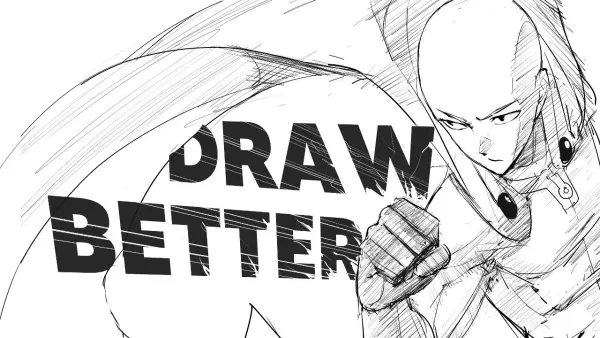
Mastering Drawing Techniques with the Saitama Method
- Introduction
- The Saitama Method
- Finding Your Artistic Goal
- The Saitama Method: Drawing Exercise
- Level 1: Gesture Drawings
- Level 2: Simplifying Poses
- Level 3: Drawing From Memory
- Benefits of Gesture Drawings
- Conclusion
Introduction
This article explores a practical approach to enhancing drawing skills and rethinking how to draw by applying a routine inspired by Saitama, the protagonist of "One Punch Man." Known as "The Saitama Method," this routine prioritizes consistency, discipline, and steady progress. By following this structured approach, artists can build a strong foundation, avoid feeling overwhelmed, and move closer to their artistic objectives. Let's get started!
The Saitama Method
Inspired by Saitama's rigorous training in the anime, this method adapts his intense regimen for artistic practice. Instead of physical exercises like 100 push-ups, we focus on the core principle: consistent daily practice.
Cons
istency is the cornerstone of mastering any skill, including drawing. By committing to daily practice, you cultivate discipline and witness tangible improvements in your artwork over time.Finding Your Artistic Goal
Before applying the Saitama Method, it is essential to define your specific artistic objectives. Without a clear direction, you may feel lost or unmotivated. Take time to explore various art styles and subjects until you find what truly inspires you. Once your goal is clear, you can proceed step-by-step, mirroring Saitama's journey toward strength.
The Saitama Method: Drawing Exercise
To effectively implement this method, we break down the drawing process into three progressive levels: gesture drawings, simplifying poses, and drawing from memory. These exercises are designed to strengthen your understanding of anatomy and refine your artistic abilities.
Level 1: Gesture Drawings
Gesture drawings are an excellent starting point for understanding human anatomy and capturing the essence and movement of a subject. In this exercise, create quick sketches from references within a short timeframe, such as 30 seconds or a minute. Focus on capturing the overall gesture and pose rather than getting bogged down in details. By spending just a few seconds on each sketch, you can practice without feeling overwhelmed.
Level 2: Simplifying Poses
After becoming comfortable with gesture drawings, transition those loose sketches into simple shapes that form the basis for muscles and details. This exercise helps you visualize poses in three dimensions, allowing you to draw with greater confidence and ease. By breaking down complex poses into basic shapes like circles and lines, you establish a solid foundation for creating anatomically accurate drawings.
Level 3: Drawing From Memory
Once you have completed the previous levels and accumulated knowledge and muscle memory, challenge yourself by drawing poses from memory and creating full characters. This exercise helps you apply what you have learned and retain information in your mind. Although initially daunting, practicing drawing from memory allows you to develop your unique style and reinforces your understanding of anatomy.
Benefits of Gesture Drawings
Gesture drawings offer several advantages for artists of all skill levels. First, they improve observation skills by training you to quickly capture the essence and movement of a subject, enhancing your understanding of human anatomy and movement. Second, gesture drawings stimulate creativity by encouraging experimentation with different styles, techniques, and compositions, helping you develop your own artistic flair. Additionally, they enhance hand-eye coordination and muscle memory, improving your overall sketching skills. Moreover, gesture drawings serve as an effective warm-up, preparing your hand for more detailed work. Finally, animators particularly benefit from gesture drawing as it helps them capture the movement and flow of characters, forming a solid foundation for animation techniques.
Conclusion
In conclusion, the Saitama Method provides a practical approach to developing consistency, discipline, and steady improvements in drawing skills. By incorporating gesture drawings, simplifying poses, and drawing from memory into your daily practice, you can make significant strides toward your artistic goals. Remember, progress may not happen overnight, but through consistent effort and dedication, you can master the art of drawing. So, put pen to paper and embark on your artistic journey with the Saitama Method.
- The Saitama Method is inspired by the intense training of Saitama from "One Punch Man."
Cons
istency and discipline are crucial for steady improvements in drawing skills.- Identifying your artistic goal is essential before starting the Saitama Method.
- The Saitama Method includes three levels of drawing exercises: gesture drawings, simplifying poses, and drawing from memory.
- Gesture drawings enhance observation skills, encourage creativity, and improve hand-eye coordination.
- Drawing from memory helps develop a unique artistic style and reinforces anatomical understanding.
- The Saitama Method is a valuable practice for any artist to improve their skills and lay a foundation for more detailed work.
Q: How long should I dedicate to drawing each day using the Saitama Method? A: The amount of time you dedicate to drawing each day can vary based on your schedule and commitment level. However, it is recommended to allocate at least 30 minutes to an hour each day for consistent practice.
Q: Can the Saitama Method be applied to other art forms besides drawing? A: While the Saitama Method is primarily focused on drawing skills, the principles of consistency, discipline, and goal-setting can be applied to various art forms. Whether it's painting, sculpting, or digital art, the Saitama Method can help you develop proficiency and grow as an artist.
Q: Is it necessary to complete all three levels of the drawing exercise every day? A: While it is beneficial to practice all three levels of the drawing exercise, it is not mandatory to do so every day. Level 1 (gesture drawings) can be done daily, while Levels 2 and 3 can be completed on specific days of the week to create a balanced routine.
Q: How long does it take to see noticeable improvements in drawing skills using the Saitama Method? A: The time it takes to see improvements in drawing skills varies from person to person.
Cons
istency and dedication play vital roles. While some artists may notice progress within a few weeks, others may take several months to see significant improvements. The key is to stay committed and continue practicing regularly.Q: Can I use reference images while practicing the Saitama Method? A: Yes, using reference images is highly encouraged, especially during the initial stages of practicing the Saitama Method. Reference images provide valuable guidance and help in understanding the nuances of anatomy and poses. As you progress, you can gradually reduce reliance on references and challenge yourself to draw from memory.
Q: Are there specific resources or tutorial videos recommended for learning gesture drawing and the Saitama Method? A: There are numerous resources and tutorial videos available online that can guide you in learning gesture drawing and the Saitama Method. It is recommended to explore reputable art platforms and follow established artists who specialize in teaching drawing techniques. Experiment with different resources and find those that resonate with your learning style.
Related article
 Swedish AI Startup Lovable Eyes $13.2 Billion Valuation After Major Funding Round
As AI-driven coding tools gain traction, Swedish startup Lovable has secured a major funding round. The company aims to raise $3 billion, potentially boosting its valuation to $13.2 billion—double the $6.6 billion recorded last December. Menlo Ventur
Google Tests Remy AI Agent for Gemini as Focus Shifts to User Control
According to Business Insider, Google is testing Remy, a new AI personal agent for Gemini. This tool aims to execute tasks on behalf of users, streamlining both professional workflows and daily routines.Currently, Remy is undergoing testing in an int
How to fix Core Web Vitals for better SEO rankings
Streamline Report Card Comments with AI ToolsIntroductionAI Tools for Generating Report Card CommentsMagic SchoolAlmanac AIChat GPTUsing Magic School to Generate Report Card CommentsLogging into Magic SchoolSelecting the Report Card Comments ToolCust
Related Special Topic Recommendations
writing
Swedish AI Startup Lovable Eyes $13.2 Billion Valuation After Major Funding Round
As AI-driven coding tools gain traction, Swedish startup Lovable has secured a major funding round. The company aims to raise $3 billion, potentially boosting its valuation to $13.2 billion—double the $6.6 billion recorded last December. Menlo Ventur
Google Tests Remy AI Agent for Gemini as Focus Shifts to User Control
According to Business Insider, Google is testing Remy, a new AI personal agent for Gemini. This tool aims to execute tasks on behalf of users, streamlining both professional workflows and daily routines.Currently, Remy is undergoing testing in an int
How to fix Core Web Vitals for better SEO rankings
Streamline Report Card Comments with AI ToolsIntroductionAI Tools for Generating Report Card CommentsMagic SchoolAlmanac AIChat GPTUsing Magic School to Generate Report Card CommentsLogging into Magic SchoolSelecting the Report Card Comments ToolCust
Related Special Topic Recommendations
writing
 Best AI Outline Generators for Long-Form SEO Articles
2026 Latest Best Top-Rated AI Outline Generators for Long-Form SEO Articles, meticulously curated by XIX.AI. These powerful tools offer game-changing assistance in creating high-quality content quickly, boosting writing efficiency significantly. Get a free vs paid comparison along with real-world tests and detailed rankings to help you find the must-try option that suits your needs. Explore now to unlock your AI edge.
 8 tools
 xix.ai
Education and Learning
AI Study Tools for Homework and Exam Prep
xix.ai
Education and Learning
AI Study Tools for Homework and Exam Prep
2026 Latest Best AI Study Tools for Homework and Exam Prep! XIX.AI curates a top-rated list of powerful, game-changing tools that help students boost productivity, streamline homework completion, and ace exams through real-world tests. Get a free vs paid comparison, detailed rankings, and must-try options to unlock your AI edge. Explore now!
10 tools
xix.ai
Music composition
AI Vocal Demo Tools for Songwriters, Hooks, Toplines, and Multilingual Draft Sessions
2026 Latest Best AI Vocal Demo Tools for Songwriters, Hook Creators, and Multi-Language Content Teams! XIX.AI has curated a top-rated list of powerful game-changing tools that go through rigorous real-world tests. You’ll find detailed free vs paid comparison data, comprehensive rankings, and must-try options to help you boost writing efficiency and unlock your creative potential. Explore now to discover your perfect tool for all your content needs!
9 tools
xix.ai
Business
Best AI Competitive Research Tools for Small Businesses
2026 Latest Best Top-rated AI Competitive Research Tools for Small Businesses! XIX.AI has curated a highly powerful game-changing collection, updated weekly with rigorous real-world tests and detailed rankings. You can find a comprehensive free vs paid comparison to help you identify the must-try tools that boost your productivity and give you a competitive edge. Explore now to discover your perfect tool!
9 tools
xix.ai
Image editing
Photoshop AI Retouch Tools for Ecommerce Apparel, Skin Cleanup, and Color Consistency
2026 Latest Best Photoshop AI retouch tools for ecommerce apparel, skin cleanup, and color consistency! This top-rated curated list features powerful game-changing solutions that help you boost writing efficiency, streamline content creation, and achieve perfect visual results effortlessly. Each tool has undergone real-world tests through weekly updated rankings, complete with free vs paid comparison details. Backed by XIX.AI, it’s the must-try guide for anyone aiming to unlock your AI edge. Explore now!
10 tools
xix.ai
Prompt
Best AI Prompt Libraries for ChatGPT Workflows
2026 Latest Best Top-Rated AI Prompt Libraries for optimizing all types of ChatGPT workflows. XIX.AI has curated a powerful, game-changing collection that goes through rigorous real-world tests to ensure top performance. You can find detailed free vs paid comparisons and expert rankings to help you choose the must-try tools that boost your productivity and unlock your AI edge. Explore now!
11 tools
xix.ai

 Comments (0)
0/500
Comments (0)
0/500
Mastering Drawing Techniques with the Saitama Method
- Introduction
- The Saitama Method
- Finding Your Artistic Goal
- The Saitama Method: Drawing Exercise
- Level 1: Gesture Drawings
- Level 2: Simplifying Poses
- Level 3: Drawing From Memory
- Benefits of Gesture Drawings
- Conclusion
Introduction
This article explores a practical approach to enhancing drawing skills and rethinking how to draw by applying a routine inspired by Saitama, the protagonist of "One Punch Man." Known as "The Saitama Method," this routine prioritizes consistency, discipline, and steady progress. By following this structured approach, artists can build a strong foundation, avoid feeling overwhelmed, and move closer to their artistic objectives. Let's get started!
The Saitama Method
Inspired by Saitama's rigorous training in the anime, this method adapts his intense regimen for artistic practice. Instead of physical exercises like 100 push-ups, we focus on the core principle: consistent daily practice.
Cons
istency is the cornerstone of mastering any skill, including drawing. By committing to daily practice, you cultivate discipline and witness tangible improvements in your artwork over time.Finding Your Artistic Goal
Before applying the Saitama Method, it is essential to define your specific artistic objectives. Without a clear direction, you may feel lost or unmotivated. Take time to explore various art styles and subjects until you find what truly inspires you. Once your goal is clear, you can proceed step-by-step, mirroring Saitama's journey toward strength.
The Saitama Method: Drawing Exercise
To effectively implement this method, we break down the drawing process into three progressive levels: gesture drawings, simplifying poses, and drawing from memory. These exercises are designed to strengthen your understanding of anatomy and refine your artistic abilities.
Level 1: Gesture Drawings
Gesture drawings are an excellent starting point for understanding human anatomy and capturing the essence and movement of a subject. In this exercise, create quick sketches from references within a short timeframe, such as 30 seconds or a minute. Focus on capturing the overall gesture and pose rather than getting bogged down in details. By spending just a few seconds on each sketch, you can practice without feeling overwhelmed.
Level 2: Simplifying Poses
After becoming comfortable with gesture drawings, transition those loose sketches into simple shapes that form the basis for muscles and details. This exercise helps you visualize poses in three dimensions, allowing you to draw with greater confidence and ease. By breaking down complex poses into basic shapes like circles and lines, you establish a solid foundation for creating anatomically accurate drawings.
Level 3: Drawing From Memory
Once you have completed the previous levels and accumulated knowledge and muscle memory, challenge yourself by drawing poses from memory and creating full characters. This exercise helps you apply what you have learned and retain information in your mind. Although initially daunting, practicing drawing from memory allows you to develop your unique style and reinforces your understanding of anatomy.
Benefits of Gesture Drawings
Gesture drawings offer several advantages for artists of all skill levels. First, they improve observation skills by training you to quickly capture the essence and movement of a subject, enhancing your understanding of human anatomy and movement. Second, gesture drawings stimulate creativity by encouraging experimentation with different styles, techniques, and compositions, helping you develop your own artistic flair. Additionally, they enhance hand-eye coordination and muscle memory, improving your overall sketching skills. Moreover, gesture drawings serve as an effective warm-up, preparing your hand for more detailed work. Finally, animators particularly benefit from gesture drawing as it helps them capture the movement and flow of characters, forming a solid foundation for animation techniques.
Conclusion
In conclusion, the Saitama Method provides a practical approach to developing consistency, discipline, and steady improvements in drawing skills. By incorporating gesture drawings, simplifying poses, and drawing from memory into your daily practice, you can make significant strides toward your artistic goals. Remember, progress may not happen overnight, but through consistent effort and dedication, you can master the art of drawing. So, put pen to paper and embark on your artistic journey with the Saitama Method.
- The Saitama Method is inspired by the intense training of Saitama from "One Punch Man."
Cons
istency and discipline are crucial for steady improvements in drawing skills.- Identifying your artistic goal is essential before starting the Saitama Method.
- The Saitama Method includes three levels of drawing exercises: gesture drawings, simplifying poses, and drawing from memory.
- Gesture drawings enhance observation skills, encourage creativity, and improve hand-eye coordination.
- Drawing from memory helps develop a unique artistic style and reinforces anatomical understanding.
- The Saitama Method is a valuable practice for any artist to improve their skills and lay a foundation for more detailed work.
Q: How long should I dedicate to drawing each day using the Saitama Method? A: The amount of time you dedicate to drawing each day can vary based on your schedule and commitment level. However, it is recommended to allocate at least 30 minutes to an hour each day for consistent practice.
Q: Can the Saitama Method be applied to other art forms besides drawing? A: While the Saitama Method is primarily focused on drawing skills, the principles of consistency, discipline, and goal-setting can be applied to various art forms. Whether it's painting, sculpting, or digital art, the Saitama Method can help you develop proficiency and grow as an artist.
Q: Is it necessary to complete all three levels of the drawing exercise every day? A: While it is beneficial to practice all three levels of the drawing exercise, it is not mandatory to do so every day. Level 1 (gesture drawings) can be done daily, while Levels 2 and 3 can be completed on specific days of the week to create a balanced routine.
Q: How long does it take to see noticeable improvements in drawing skills using the Saitama Method? A: The time it takes to see improvements in drawing skills varies from person to person.
Cons
istency and dedication play vital roles. While some artists may notice progress within a few weeks, others may take several months to see significant improvements. The key is to stay committed and continue practicing regularly.Q: Can I use reference images while practicing the Saitama Method? A: Yes, using reference images is highly encouraged, especially during the initial stages of practicing the Saitama Method. Reference images provide valuable guidance and help in understanding the nuances of anatomy and poses. As you progress, you can gradually reduce reliance on references and challenge yourself to draw from memory.
Q: Are there specific resources or tutorial videos recommended for learning gesture drawing and the Saitama Method? A: There are numerous resources and tutorial videos available online that can guide you in learning gesture drawing and the Saitama Method. It is recommended to explore reputable art platforms and follow established artists who specialize in teaching drawing techniques. Experiment with different resources and find those that resonate with your learning style.








 Swedish AI Startup Lovable Eyes $13.2 Billion Valuation After Major Funding Round
As AI-driven coding tools gain traction, Swedish startup Lovable has secured a major funding round. The company aims to raise $3 billion, potentially boosting its valuation to $13.2 billion—double the $6.6 billion recorded last December. Menlo Ventur
Google Tests Remy AI Agent for Gemini as Focus Shifts to User Control
According to Business Insider, Google is testing Remy, a new AI personal agent for Gemini. This tool aims to execute tasks on behalf of users, streamlining both professional workflows and daily routines.Currently, Remy is undergoing testing in an int
Swedish AI Startup Lovable Eyes $13.2 Billion Valuation After Major Funding Round
As AI-driven coding tools gain traction, Swedish startup Lovable has secured a major funding round. The company aims to raise $3 billion, potentially boosting its valuation to $13.2 billion—double the $6.6 billion recorded last December. Menlo Ventur
Google Tests Remy AI Agent for Gemini as Focus Shifts to User Control
According to Business Insider, Google is testing Remy, a new AI personal agent for Gemini. This tool aims to execute tasks on behalf of users, streamlining both professional workflows and daily routines.Currently, Remy is undergoing testing in an int
 How to fix Core Web Vitals for better SEO rankings
Streamline Report Card Comments with AI ToolsIntroductionAI Tools for Generating Report Card CommentsMagic SchoolAlmanac AIChat GPTUsing Magic School to Generate Report Card CommentsLogging into Magic SchoolSelecting the Report Card Comments ToolCust
How to fix Core Web Vitals for better SEO rankings
Streamline Report Card Comments with AI ToolsIntroductionAI Tools for Generating Report Card CommentsMagic SchoolAlmanac AIChat GPTUsing Magic School to Generate Report Card CommentsLogging into Magic SchoolSelecting the Report Card Comments ToolCust

2026 Latest Best Top-Rated AI Outline Generators for Long-Form SEO Articles, meticulously curated by XIX.AI. These powerful tools offer game-changing assistance in creating high-quality content quickly, boosting writing efficiency significantly. Get a free vs paid comparison along with real-world tests and detailed rankings to help you find the must-try option that suits your needs. Explore now to unlock your AI edge.
8 tools
xix.ai

2026 Latest Best AI Study Tools for Homework and Exam Prep! XIX.AI curates a top-rated list of powerful, game-changing tools that help students boost productivity, streamline homework completion, and ace exams through real-world tests. Get a free vs paid comparison, detailed rankings, and must-try options to unlock your AI edge. Explore now!
10 tools
xix.ai

2026 Latest Best AI Vocal Demo Tools for Songwriters, Hook Creators, and Multi-Language Content Teams! XIX.AI has curated a top-rated list of powerful game-changing tools that go through rigorous real-world tests. You’ll find detailed free vs paid comparison data, comprehensive rankings, and must-try options to help you boost writing efficiency and unlock your creative potential. Explore now to discover your perfect tool for all your content needs!
9 tools
xix.ai

2026 Latest Best Top-rated AI Competitive Research Tools for Small Businesses! XIX.AI has curated a highly powerful game-changing collection, updated weekly with rigorous real-world tests and detailed rankings. You can find a comprehensive free vs paid comparison to help you identify the must-try tools that boost your productivity and give you a competitive edge. Explore now to discover your perfect tool!
9 tools
xix.ai

2026 Latest Best Photoshop AI retouch tools for ecommerce apparel, skin cleanup, and color consistency! This top-rated curated list features powerful game-changing solutions that help you boost writing efficiency, streamline content creation, and achieve perfect visual results effortlessly. Each tool has undergone real-world tests through weekly updated rankings, complete with free vs paid comparison details. Backed by XIX.AI, it’s the must-try guide for anyone aiming to unlock your AI edge. Explore now!
10 tools
xix.ai

2026 Latest Best Top-Rated AI Prompt Libraries for optimizing all types of ChatGPT workflows. XIX.AI has curated a powerful, game-changing collection that goes through rigorous real-world tests to ensure top performance. You can find detailed free vs paid comparisons and expert rankings to help you choose the must-try tools that boost your productivity and unlock your AI edge. Explore now!
11 tools
xix.ai












