


 Home
HomeGovernment mandates fast-track grid access for AI data centers
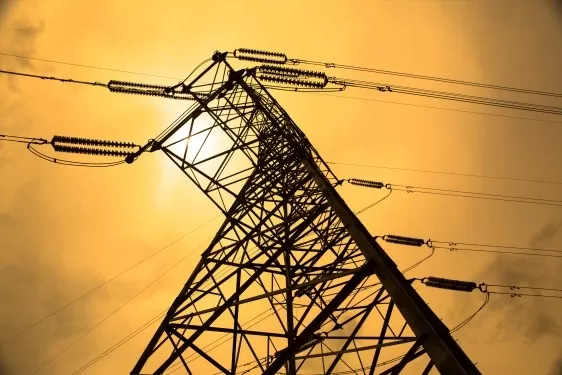
The Federal Energy Regulatory Commission (FERC) instructed grid operators on Thursday to expedite interconnection requests from data centers and other large electricity users.
Under the new directives, six major grid operators must demonstrate that data centers are “able to connect to the transmission system in a timely and orderly manner.” Data centers will bear the costs of interconnection. Commissioners approved the orders unanimously.
FERC also opened the door for grid tech startups by directing grid operators to consider “alternative transmission technologies.” The commission did not specify particular technologies, but the directive could include innovations such as solid-state transformers or superconducting transmission lines.
Grid operators now have 30 days to submit a report detailing how much generating capacity they have available, if any. They also have 60 days to “defend or revise” electricity rates within their regions. FERC also instructed grid operators to be more accommodating toward behind-the-meter power for data centers.
While FERC’s directives gave data centers a fast track to connect, they did not address the shortage of generating capacity.
Grid connections have been slow to materialize, partly because new power plants are also struggling to connect. By the end of 2023, interconnection requests for power plants exceeded the total capacity of the existing fleet, meaning the queue to get on the grid was longer than the grid itself could theoretically handle.
Against this backdrop, electricity demand from data centers is expected to nearly triple by 2035. Grid operators, accustomed to near-zero demand growth over the past two decades, have been strained under the load. Some, like PJM, the nation’s largest grid operator, have descended into something resembling chaos, with major utilities threatening to withdraw.
Tech companies and developers, unable to connect to the grid in a timely manner in many locations, have turned to on-site, or behind-the-meter, power (which is typically more expensive and complicated) out of desperation.
Still, enough projects have been able to connect that electricity prices have soared in many regions. Wholesale electricity rates are up as much as 267% compared with five years ago, according to Bloomberg.
FERC was prompted to address the issue by Secretary of Energy Chris Wright, who in October said delays in data center grid connections had threatened to undermine U.S. competitiveness in AI. Since then, public sentiment toward AI and data centers has soured considerably.
Meanwhile, the Trump administration on Wednesday said it would pay $765 million to wind developer Invenergy to cancel offshore wind leases near California, Maine, and New York. The company said it would use the money to build natural gas plants in the Midwest and geothermal projects in the West. One of Invenergy’s wind projects would have generated as much as 2.4 gigawatts of power — enough, at peak output, to supply roughly 1.8 million homes.
Altogether, the Trump administration has now spent about $2.6 billion to scuttle offshore wind developments.
Related article
 Does Mark Zuckerberg Really Believe AI Is for Everyone?
Loading the player…Meta introduced Glimmer this week, an open-weight AI model that anyone can download and run on personal hardware—a sharp contrast to Muse Spark, the company’s more powerful model, which remains locked behind its own APIs. The relea
Meta borrows Tesla’s tent strategy to construct data centers
Just when you thought the AI data center boom couldn’t get any crazier, Meta has gone and built data centers in tents. The strategy appears to borrow in equal parts from Tesla and xAI.In a bid to cut construction time in half, Meta has built six tent
Groq raises $350M to fuel its pivot from AI chips to neocloud
AI infrastructure firm Groq has secured $350 million in fresh funding, marking its ongoing transition from a specialized chip developer to a neocloud provider offering robust GPU and AI infrastructure services.Backed by Disruptive Technologies, with
Related Special Topic Recommendations
Data Analysis
Does Mark Zuckerberg Really Believe AI Is for Everyone?
Loading the player…Meta introduced Glimmer this week, an open-weight AI model that anyone can download and run on personal hardware—a sharp contrast to Muse Spark, the company’s more powerful model, which remains locked behind its own APIs. The relea
Meta borrows Tesla’s tent strategy to construct data centers
Just when you thought the AI data center boom couldn’t get any crazier, Meta has gone and built data centers in tents. The strategy appears to borrow in equal parts from Tesla and xAI.In a bid to cut construction time in half, Meta has built six tent
Groq raises $350M to fuel its pivot from AI chips to neocloud
AI infrastructure firm Groq has secured $350 million in fresh funding, marking its ongoing transition from a specialized chip developer to a neocloud provider offering robust GPU and AI infrastructure services.Backed by Disruptive Technologies, with
Related Special Topic Recommendations
Data Analysis
 Best AI Anomaly Detection Tools for KPI Monitoring across SaaS and Ecommerce Teams
2026 Latest Best Top-rated AI Anomaly Detection Tools for KPI Monitoring in SaaS and Ecommerce teams! XIX.AI has curated a powerful, game-changing collection based on rigorous real-world tests and weekly updated rankings. You’ll find detailed free vs paid comparison insights to help you identify the must-try solution that boosts productivity and unlocks your AI edge. Explore now!
 10 tools
 xix.ai
writing
Best AI Outline Generators for Long-Form SEO Articles
xix.ai
writing
Best AI Outline Generators for Long-Form SEO Articles
2026 Latest Best Top-Rated AI Outline Generators for Long-Form SEO Articles, meticulously curated by XIX.AI. These powerful tools offer game-changing assistance in creating high-quality content quickly, boosting writing efficiency significantly. Get a free vs paid comparison along with real-world tests and detailed rankings to help you find the must-try option that suits your needs. Explore now to unlock your AI edge.
8 tools
xix.ai
Education and Learning
AI Study Tools for Homework and Exam Prep
2026 Latest Best AI Study Tools for Homework and Exam Prep! XIX.AI curates a top-rated list of powerful, game-changing tools that help students boost productivity, streamline homework completion, and ace exams through real-world tests. Get a free vs paid comparison, detailed rankings, and must-try options to unlock your AI edge. Explore now!
10 tools
xix.ai
Music composition
AI Vocal Demo Tools for Songwriters, Hooks, Toplines, and Multilingual Draft Sessions
2026 Latest Best AI Vocal Demo Tools for Songwriters, Hook Creators, and Multi-Language Content Teams! XIX.AI has curated a top-rated list of powerful game-changing tools that go through rigorous real-world tests. You’ll find detailed free vs paid comparison data, comprehensive rankings, and must-try options to help you boost writing efficiency and unlock your creative potential. Explore now to discover your perfect tool for all your content needs!
9 tools
xix.ai
Business
Best AI Competitive Research Tools for Small Businesses
2026 Latest Best Top-rated AI Competitive Research Tools for Small Businesses! XIX.AI has curated a highly powerful game-changing collection, updated weekly with rigorous real-world tests and detailed rankings. You can find a comprehensive free vs paid comparison to help you identify the must-try tools that boost your productivity and give you a competitive edge. Explore now to discover your perfect tool!
9 tools
xix.ai
Image editing
Photoshop AI Retouch Tools for Ecommerce Apparel, Skin Cleanup, and Color Consistency
2026 Latest Best Photoshop AI retouch tools for ecommerce apparel, skin cleanup, and color consistency! This top-rated curated list features powerful game-changing solutions that help you boost writing efficiency, streamline content creation, and achieve perfect visual results effortlessly. Each tool has undergone real-world tests through weekly updated rankings, complete with free vs paid comparison details. Backed by XIX.AI, it’s the must-try guide for anyone aiming to unlock your AI edge. Explore now!
10 tools
xix.ai

 Comments (0)
0/500
Comments (0)
0/500
The Federal Energy Regulatory Commission (FERC) instructed grid operators on Thursday to expedite interconnection requests from data centers and other large electricity users.
Under the new directives, six major grid operators must demonstrate that data centers are “able to connect to the transmission system in a timely and orderly manner.” Data centers will bear the costs of interconnection. Commissioners approved the orders unanimously.
FERC also opened the door for grid tech startups by directing grid operators to consider “alternative transmission technologies.” The commission did not specify particular technologies, but the directive could include innovations such as solid-state transformers or superconducting transmission lines.
Grid operators now have 30 days to submit a report detailing how much generating capacity they have available, if any. They also have 60 days to “defend or revise” electricity rates within their regions. FERC also instructed grid operators to be more accommodating toward behind-the-meter power for data centers.
While FERC’s directives gave data centers a fast track to connect, they did not address the shortage of generating capacity.
Grid connections have been slow to materialize, partly because new power plants are also struggling to connect. By the end of 2023, interconnection requests for power plants exceeded the total capacity of the existing fleet, meaning the queue to get on the grid was longer than the grid itself could theoretically handle.
Against this backdrop, electricity demand from data centers is expected to nearly triple by 2035. Grid operators, accustomed to near-zero demand growth over the past two decades, have been strained under the load. Some, like PJM, the nation’s largest grid operator, have descended into something resembling chaos, with major utilities threatening to withdraw.
Tech companies and developers, unable to connect to the grid in a timely manner in many locations, have turned to on-site, or behind-the-meter, power (which is typically more expensive and complicated) out of desperation.
Still, enough projects have been able to connect that electricity prices have soared in many regions. Wholesale electricity rates are up as much as 267% compared with five years ago, according to Bloomberg.
FERC was prompted to address the issue by Secretary of Energy Chris Wright, who in October said delays in data center grid connections had threatened to undermine U.S. competitiveness in AI. Since then, public sentiment toward AI and data centers has soured considerably.
Meanwhile, the Trump administration on Wednesday said it would pay $765 million to wind developer Invenergy to cancel offshore wind leases near California, Maine, and New York. The company said it would use the money to build natural gas plants in the Midwest and geothermal projects in the West. One of Invenergy’s wind projects would have generated as much as 2.4 gigawatts of power — enough, at peak output, to supply roughly 1.8 million homes.
Altogether, the Trump administration has now spent about $2.6 billion to scuttle offshore wind developments.








 Does Mark Zuckerberg Really Believe AI Is for Everyone?
Loading the player…Meta introduced Glimmer this week, an open-weight AI model that anyone can download and run on personal hardware—a sharp contrast to Muse Spark, the company’s more powerful model, which remains locked behind its own APIs. The relea
Does Mark Zuckerberg Really Believe AI Is for Everyone?
Loading the player…Meta introduced Glimmer this week, an open-weight AI model that anyone can download and run on personal hardware—a sharp contrast to Muse Spark, the company’s more powerful model, which remains locked behind its own APIs. The relea
 Meta borrows Tesla’s tent strategy to construct data centers
Just when you thought the AI data center boom couldn’t get any crazier, Meta has gone and built data centers in tents. The strategy appears to borrow in equal parts from Tesla and xAI.In a bid to cut construction time in half, Meta has built six tent
Meta borrows Tesla’s tent strategy to construct data centers
Just when you thought the AI data center boom couldn’t get any crazier, Meta has gone and built data centers in tents. The strategy appears to borrow in equal parts from Tesla and xAI.In a bid to cut construction time in half, Meta has built six tent
 Groq raises $350M to fuel its pivot from AI chips to neocloud
AI infrastructure firm Groq has secured $350 million in fresh funding, marking its ongoing transition from a specialized chip developer to a neocloud provider offering robust GPU and AI infrastructure services.Backed by Disruptive Technologies, with
Groq raises $350M to fuel its pivot from AI chips to neocloud
AI infrastructure firm Groq has secured $350 million in fresh funding, marking its ongoing transition from a specialized chip developer to a neocloud provider offering robust GPU and AI infrastructure services.Backed by Disruptive Technologies, with

2026 Latest Best Top-rated AI Anomaly Detection Tools for KPI Monitoring in SaaS and Ecommerce teams! XIX.AI has curated a powerful, game-changing collection based on rigorous real-world tests and weekly updated rankings. You’ll find detailed free vs paid comparison insights to help you identify the must-try solution that boosts productivity and unlocks your AI edge. Explore now!
10 tools
xix.ai

2026 Latest Best Top-Rated AI Outline Generators for Long-Form SEO Articles, meticulously curated by XIX.AI. These powerful tools offer game-changing assistance in creating high-quality content quickly, boosting writing efficiency significantly. Get a free vs paid comparison along with real-world tests and detailed rankings to help you find the must-try option that suits your needs. Explore now to unlock your AI edge.
8 tools
xix.ai

2026 Latest Best AI Study Tools for Homework and Exam Prep! XIX.AI curates a top-rated list of powerful, game-changing tools that help students boost productivity, streamline homework completion, and ace exams through real-world tests. Get a free vs paid comparison, detailed rankings, and must-try options to unlock your AI edge. Explore now!
10 tools
xix.ai

2026 Latest Best AI Vocal Demo Tools for Songwriters, Hook Creators, and Multi-Language Content Teams! XIX.AI has curated a top-rated list of powerful game-changing tools that go through rigorous real-world tests. You’ll find detailed free vs paid comparison data, comprehensive rankings, and must-try options to help you boost writing efficiency and unlock your creative potential. Explore now to discover your perfect tool for all your content needs!
9 tools
xix.ai

2026 Latest Best Top-rated AI Competitive Research Tools for Small Businesses! XIX.AI has curated a highly powerful game-changing collection, updated weekly with rigorous real-world tests and detailed rankings. You can find a comprehensive free vs paid comparison to help you identify the must-try tools that boost your productivity and give you a competitive edge. Explore now to discover your perfect tool!
9 tools
xix.ai

2026 Latest Best Photoshop AI retouch tools for ecommerce apparel, skin cleanup, and color consistency! This top-rated curated list features powerful game-changing solutions that help you boost writing efficiency, streamline content creation, and achieve perfect visual results effortlessly. Each tool has undergone real-world tests through weekly updated rankings, complete with free vs paid comparison details. Backed by XIX.AI, it’s the must-try guide for anyone aiming to unlock your AI edge. Explore now!
10 tools
xix.ai












