


 Home
HomeHow to create your own family crest in 2026? A complete step-by-step guide.
Explore the captivating realm of heraldry and learn how to design a custom family crest. This guide delves into the historical importance of coats of arms and offers a clear, step-by-step method for creating a personal emblem that represents your values, heritage, and ambitions. Whether you aim to celebrate your ancestry or establish a symbol for future generations, this article provides the knowledge and creative spark needed to develop a truly distinctive family crest.
Key Points
Grasp the historical importance of coats of arms.
Discover the symbolism behind various heraldic components.
Learn to design a shield shape appropriate for your crest.
Find out how to weave family history and personal values into your design.
Consider
colors, charges, and mottos to make your crest uniquely yours.Draw inspiration from historical coats of arms and contemporary logos.
Develop a timeless emblem that showcases your individual identity.
The History and Significance of Coats of Arms
What are Coats of Arms?
Coats of arms, also referred to as heraldic achievements, are distinctive visual designs historically used on shields, surcoats, banners, and seals to identify individuals, families, or institutions.
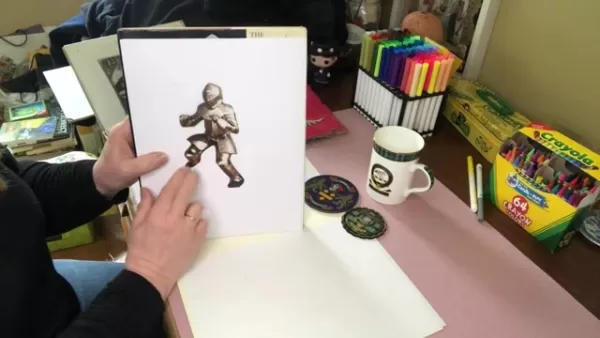
These emblems originated in the Middle Ages, mainly in Europe, as a method for distinguishing armored knights in tournaments and combat. As full-body armor became standard, recognizing individuals grew challenging, prompting the use of visual markers.
These markers were not arbitrary; they were meticulously designed following a specific system of rules and conventions known as heraldry. The colors, symbols, and arrangement of elements all conveyed meaning, sharing details about the bearer's lineage, social standing, and accomplishments. Over centuries, coats of arms transcended their military origins to become enduring symbols of family heritage, handed down through generations.
The Evolution of Family Crests
The use of coats of arms became more structured, with specific designs linked to particular families. This led to the development of family crests, which are parts of a full coat of arms, typically shown above the shield. Family crests acted as easily identifiable symbols of a family's identity and were frequently used on personal belongings like signet rings and stationery.
Identification in battle was essential because warriors were clad in metal, whether in full plate armor or chainmail. Recognizing an individual in armor was nearly impossible. Coats of arms and family crests were created to address this very challenge.
Why Create a Family Crest Today?
Although the original function of coats of arms might seem outdated today, the human desire to connect with one's roots and express personal identity is as strong as ever. Designing a family crest can be a powerful way to:
- Honor Your Ancestry: Investigate your family's past and include elements that reflect your lineage, cultural background, or distinguished forebears.
- Express Your Values: Create a crest that embodies the principles and ideals important to you and your family, such as bravery, honesty, or innovation.
- Create a Unique Symbol: Develop a visual representation of your family's identity for use on personal items, family records, or even as a modern logo.
- Connect Generations: Establish a lasting emblem to pass down to descendants, promoting a sense of continuity and shared identity.
- Start a Creative Tradition: Designing a family crest together can be an enjoyable, collaborative activity that unites family members and encourages discussions about shared history and future goals.
Elements of a Coat of Arms: Understanding the Symbolism
The Shield: The Foundation of Your Crest
The shield is the core component of a coat of arms, acting as the primary surface for displaying other elements.
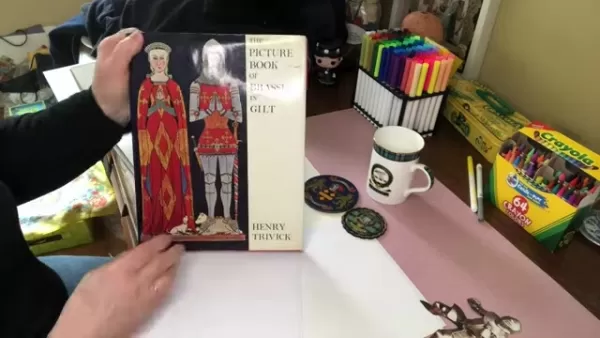
Historically, various shield shapes have been used, each with its own visual appeal. Your choice of shield shape is largely a personal decision, but think about the overall style and message you wish to communicate. Common shield shapes include:
- Heater Shield: A classic triangular shape, commonly linked with medieval knights.
- Kite Shield: A taller, rounded shield, favored in the early medieval era.
- Pavise: A large, rectangular shield, often employed by foot soldiers.
- Lozenge: A diamond-shaped shield, traditionally used for women's heraldry.
Consider
the shield shape thoughtfully, as it serves as the base for the entire design.To create a shield you need the following items:- White paper
- Pencil or Sharpie
- ScissorFollow a step-by-step process to cut it out.
Tinctures: Choosing Your Colors
In heraldry, colors are called tinctures. Tinctures fall into two primary categories: metals and colors. Metals are gold (or yellow) and silver (or white). Colors encompass red, blue, green, black, and purple. Each tincture has its own symbolic meaning, adding depth to your crest:
- Gold (Or): Generosity, wisdom, honor
- Silver (Argent): Peace, sincerity, clarity
- Red (Gules): Courage, military strength, martyrdom
- Blue (Azure): Loyalty, truth, steadfastness
- Green (Vert): Hope, joy, love of nature
- Black (Sable):
Constancy
, resilience, determination - Purple (Purpure): Royal majesty, justice, sovereignty
When selecting tinctures, remember the heraldic rule of contrast: metal should not be placed on metal, nor color on color. This guideline ensures the design remains clear and easily distinguishable. Effective combinations include gold on blue, silver on red, and green on silver.
Charges: Adding Symbolic Elements
Charges are the figures or objects placed upon the shield. They can be animals, plants, inanimate objects, or geometric shapes, each with its own symbolic significance. Choosing charges is a vital part of designing your coat of arms, as they powerfully convey your family's history, values, and aspirations. Here are some common charges and their traditional meanings:
- Lion: Courage, nobility, authority
- Eagle: Strength, foresight, immortality
- Bear: Strength, bravery, protection of family
- Wolf: Guardianship, intelligence, spirit of the wild
- Fleur-de-lis: Purity, light, perfection
- Rose: Hope, new beginnings, confidentiality
- Star: Celestial goodness, noble aspirations, honor
When choosing charges, reflect on which symbols resonate with you and your family. Investigate the historical and cultural meanings of different symbols to ensure they accurately represent your intended message.
Motto: Expressing Your Family's Guiding Principle
A motto is a brief phrase that captures your family's core principle or ambition. It is usually displayed on a scroll beneath the shield. A motto adds a personal dimension and succinctly summarizes your family's values.
Consider
these tips for developing a meaningful motto:- Keep it concise: A short, memorable phrase is more impactful than a long sentence.
- Use a resonant language: Choose English, Latin, or another language significant to your family.
- Reflect your values: The motto should express a fundamental value or principle important to your family.
Consider
your family history: Look for inspiration in historical family sayings or notable events.
Examples of family mottos include "Fortitudine et Prudentia" (With courage and prudence), "Semper Fidelis" (Always faithful), and "Vincit Omnia Veritas" (Truth conquers all).
Examples of Family and organizational crests
Individuals and organizations use family crests for a wide array of purposes. For instance: The Queen of England's crest features four distinct patterns, unicorns, a red and white rose, and lions, with each symbol holding specific meanings.
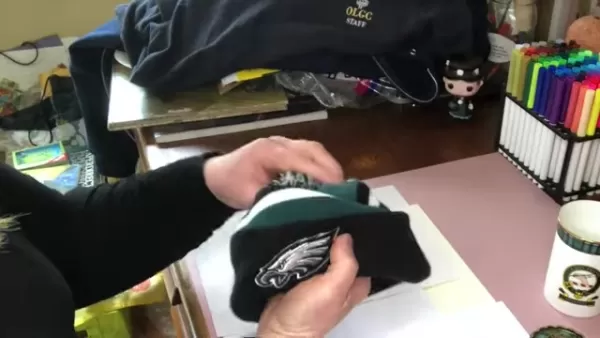
.Additionally, schools often use logos or symbols on uniforms. Institutions like sports teams also adopt coats of arms or crests, aiming to encapsulate team spirit in a visual logo.
Step-by-Step Guide to Designing Your Family Crest
Step 1: Research Your Family History
Start by investigating your family history to find potential elements for your crest. Trace your lineage back as far as possible and look into any notable ancestors or significant events that influenced your family's narrative. Search for clues in family records, old photos, and oral traditions.
Consider
: - National Origin: Which countries or regions did your ancestors come from? Integrate symbols or colors linked to that culture.
- Occupations: What were your ancestors' main professions? Consider using tools or symbols associated with those trades.
- Achievements: Did any ancestors accomplish notable feats?
Consider
incorporating symbols representing those achievements.
Step 2: Brainstorm Your Values and Aspirations
After gaining insight into your family history, brainstorm the values and aspirations most important to you. What principles do you want your family crest to embody?
Consider
: - Personal Values: What values do you personally cherish, like integrity, compassion, or resilience?
- Family Values: What values do you wish to pass on to your children and future generations?
- Aspirations: What are your hopes and dreams for your family's future?
Consider
Using a Motto This is an effective way to articulate a slogan representing your family's core values.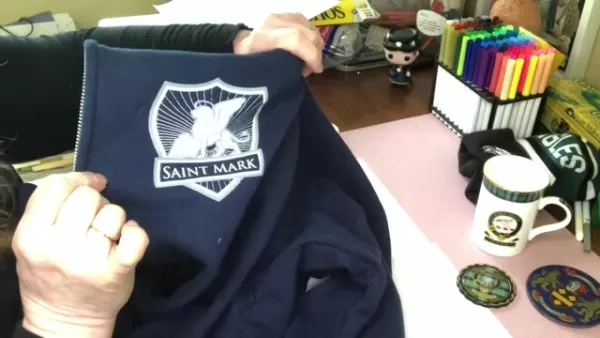
!
Step 3: Sketch and Experiment
Begin sketching and experimenting with different design concepts. Feel free to try various combinations of shield shapes, tinctures, and charges. Use pencil and paper for initial drafts, refining your ideas as you progress.
Consider
: - Simplicity: A clean, straightforward design is often more striking than a complicated one.
- Balance: Aim for a balanced layout where elements are arranged in a visually appealing manner.
- Originality: Strive for a unique design that reflects your personal style and avoids directly copying existing coats of arms.
- The Rule of Tincture This ensures visual clarity and harmonious color contrast in your design.
Step 4: Creating Your Shield and Shape
Now, proceed to create the shape of your family crest, developing a symbol that is recognizable and relatable. To create a shield you need the following items:
- White paper
- Pencil or Sharpie
- ScissorFollow a step-by-step process to cut it out.
Step 4: Refine and Finalize Your Design
Once you have a design you are satisfied with, move on to refining and finalizing it.
Consider
: - Color Palette: Test different color schemes to achieve the intended look.
- Line Weight: Modify line thickness to create emphasis and visual depth.
- Typography: If including a motto, select a legible font that harmonizes with the overall design.
- Digitalization:
Consider
converting your design into a digital format using graphic design software to produce a high-resolution version suitable for various applications.
Pros and Cons of Creating Your Own Family Crest
Pros
Strengthens ties to family history and cultural heritage.
Offers a creative means to express personal and family values.
Results in a unique, enduring symbol of identity.
Promotes unity and a shared sense of identity within the family.
Provides an enjoyable, collaborative activity for people of all ages.
Cons
The process can be time-intensive and may require substantial research.
May demand artistic ability or the help of a professional designer.
Potential risk of accidentally copying an existing, registered coat of arms.
Expenses can accumulate for intricate designs and professional digital versions.
Frequently Asked Questions (FAQ)
Are there any legal restrictions on creating a family crest?
Generally, most countries permit the creation of a family crest for personal use without legal barriers. However, it is prudent to avoid designs that are already officially registered or closely associated with recognized institutions or families. Research existing coats of arms to confirm your design is original and does not violate any existing rights.
Where can I find inspiration for my family crest design?
Many resources are available to inspire your family crest design. You can consult heraldry books, search online coat of arms databases, or visit museums and historical societies. Look for patterns, symbols, and color schemes that appeal to you and reflect your family's story. Modern logos and graphic design can also serve as excellent sources of inspiration.
Do I need to register my family crest?
Registering a family crest is typically not a legal necessity in most jurisdictions. However, if you want formal protection for your design and to prevent unauthorized use, you might consider registering it with a heraldic authority or applying for a trademark.
Related Questions
How can I incorporate my religious beliefs into my family crest?
Numerous historical coats of arms have integrated religious symbols like crosses, stars of David, or other icons representing faith. If religious beliefs are fundamental to your family's identity, you can certainly include suitable symbols in your crest. Ensure these elements are represented with respect and inclusivity. The primary goal is to create an authentic representation of your identity and values.
Related article
 Swedish AI Startup Lovable Eyes $13.2 Billion Valuation After Major Funding Round
As AI-driven coding tools gain traction, Swedish startup Lovable has secured a major funding round. The company aims to raise $3 billion, potentially boosting its valuation to $13.2 billion—double the $6.6 billion recorded last December. Menlo Ventur
Google Tests Remy AI Agent for Gemini as Focus Shifts to User Control
According to Business Insider, Google is testing Remy, a new AI personal agent for Gemini. This tool aims to execute tasks on behalf of users, streamlining both professional workflows and daily routines.Currently, Remy is undergoing testing in an int
How to fix Core Web Vitals for better SEO rankings
Streamline Report Card Comments with AI ToolsIntroductionAI Tools for Generating Report Card CommentsMagic SchoolAlmanac AIChat GPTUsing Magic School to Generate Report Card CommentsLogging into Magic SchoolSelecting the Report Card Comments ToolCust
Related Special Topic Recommendations
writing
Swedish AI Startup Lovable Eyes $13.2 Billion Valuation After Major Funding Round
As AI-driven coding tools gain traction, Swedish startup Lovable has secured a major funding round. The company aims to raise $3 billion, potentially boosting its valuation to $13.2 billion—double the $6.6 billion recorded last December. Menlo Ventur
Google Tests Remy AI Agent for Gemini as Focus Shifts to User Control
According to Business Insider, Google is testing Remy, a new AI personal agent for Gemini. This tool aims to execute tasks on behalf of users, streamlining both professional workflows and daily routines.Currently, Remy is undergoing testing in an int
How to fix Core Web Vitals for better SEO rankings
Streamline Report Card Comments with AI ToolsIntroductionAI Tools for Generating Report Card CommentsMagic SchoolAlmanac AIChat GPTUsing Magic School to Generate Report Card CommentsLogging into Magic SchoolSelecting the Report Card Comments ToolCust
Related Special Topic Recommendations
writing
 Best AI Outline Generators for Long-Form SEO Articles
2026 Latest Best Top-Rated AI Outline Generators for Long-Form SEO Articles, meticulously curated by XIX.AI. These powerful tools offer game-changing assistance in creating high-quality content quickly, boosting writing efficiency significantly. Get a free vs paid comparison along with real-world tests and detailed rankings to help you find the must-try option that suits your needs. Explore now to unlock your AI edge.
 8 tools
 xix.ai
Education and Learning
AI Study Tools for Homework and Exam Prep
xix.ai
Education and Learning
AI Study Tools for Homework and Exam Prep
2026 Latest Best AI Study Tools for Homework and Exam Prep! XIX.AI curates a top-rated list of powerful, game-changing tools that help students boost productivity, streamline homework completion, and ace exams through real-world tests. Get a free vs paid comparison, detailed rankings, and must-try options to unlock your AI edge. Explore now!
10 tools
xix.ai
Music composition
AI Vocal Demo Tools for Songwriters, Hooks, Toplines, and Multilingual Draft Sessions
2026 Latest Best AI Vocal Demo Tools for Songwriters, Hook Creators, and Multi-Language Content Teams! XIX.AI has curated a top-rated list of powerful game-changing tools that go through rigorous real-world tests. You’ll find detailed free vs paid comparison data, comprehensive rankings, and must-try options to help you boost writing efficiency and unlock your creative potential. Explore now to discover your perfect tool for all your content needs!
9 tools
xix.ai
Business
Best AI Competitive Research Tools for Small Businesses
2026 Latest Best Top-rated AI Competitive Research Tools for Small Businesses! XIX.AI has curated a highly powerful game-changing collection, updated weekly with rigorous real-world tests and detailed rankings. You can find a comprehensive free vs paid comparison to help you identify the must-try tools that boost your productivity and give you a competitive edge. Explore now to discover your perfect tool!
9 tools
xix.ai
Image editing
Photoshop AI Retouch Tools for Ecommerce Apparel, Skin Cleanup, and Color Consistency
2026 Latest Best Photoshop AI retouch tools for ecommerce apparel, skin cleanup, and color consistency! This top-rated curated list features powerful game-changing solutions that help you boost writing efficiency, streamline content creation, and achieve perfect visual results effortlessly. Each tool has undergone real-world tests through weekly updated rankings, complete with free vs paid comparison details. Backed by XIX.AI, it’s the must-try guide for anyone aiming to unlock your AI edge. Explore now!
10 tools
xix.ai
Prompt
Best AI Prompt Libraries for ChatGPT Workflows
2026 Latest Best Top-Rated AI Prompt Libraries for optimizing all types of ChatGPT workflows. XIX.AI has curated a powerful, game-changing collection that goes through rigorous real-world tests to ensure top performance. You can find detailed free vs paid comparisons and expert rankings to help you choose the must-try tools that boost your productivity and unlock your AI edge. Explore now!
11 tools
xix.ai

 Comments (1)
0/500
Comments (1)
0/500
![JoseDavis]()
Créer son propre blason familial en 2026 ? L'idée est originale, mais j'ai un peu peur que ça devienne une simple tendance marketing ou une fonction d'IA générative. L'article a l'air complet, mais l'héraldique, c'est quand même une tradition très codifiée... Est-ce qu'on ne risque pas de perdre le sens historique en voulant faire du 'personnalisé' à tout prix ? 😅
Explore the captivating realm of heraldry and learn how to design a custom family crest. This guide delves into the historical importance of coats of arms and offers a clear, step-by-step method for creating a personal emblem that represents your values, heritage, and ambitions. Whether you aim to celebrate your ancestry or establish a symbol for future generations, this article provides the knowledge and creative spark needed to develop a truly distinctive family crest.
Key Points
Grasp the historical importance of coats of arms.
Discover the symbolism behind various heraldic components.
Learn to design a shield shape appropriate for your crest.
Find out how to weave family history and personal values into your design.
Consider
colors, charges, and mottos to make your crest uniquely yours.Draw inspiration from historical coats of arms and contemporary logos.
Develop a timeless emblem that showcases your individual identity.
The History and Significance of Coats of Arms
What are Coats of Arms?
Coats of arms, also referred to as heraldic achievements, are distinctive visual designs historically used on shields, surcoats, banners, and seals to identify individuals, families, or institutions.
These emblems originated in the Middle Ages, mainly in Europe, as a method for distinguishing armored knights in tournaments and combat. As full-body armor became standard, recognizing individuals grew challenging, prompting the use of visual markers.
These markers were not arbitrary; they were meticulously designed following a specific system of rules and conventions known as heraldry. The colors, symbols, and arrangement of elements all conveyed meaning, sharing details about the bearer's lineage, social standing, and accomplishments. Over centuries, coats of arms transcended their military origins to become enduring symbols of family heritage, handed down through generations.
The Evolution of Family Crests
The use of coats of arms became more structured, with specific designs linked to particular families. This led to the development of family crests, which are parts of a full coat of arms, typically shown above the shield. Family crests acted as easily identifiable symbols of a family's identity and were frequently used on personal belongings like signet rings and stationery.
Identification in battle was essential because warriors were clad in metal, whether in full plate armor or chainmail. Recognizing an individual in armor was nearly impossible. Coats of arms and family crests were created to address this very challenge.
Why Create a Family Crest Today?
Although the original function of coats of arms might seem outdated today, the human desire to connect with one's roots and express personal identity is as strong as ever. Designing a family crest can be a powerful way to:
- Honor Your Ancestry: Investigate your family's past and include elements that reflect your lineage, cultural background, or distinguished forebears.
- Express Your Values: Create a crest that embodies the principles and ideals important to you and your family, such as bravery, honesty, or innovation.
- Create a Unique Symbol: Develop a visual representation of your family's identity for use on personal items, family records, or even as a modern logo.
- Connect Generations: Establish a lasting emblem to pass down to descendants, promoting a sense of continuity and shared identity.
- Start a Creative Tradition: Designing a family crest together can be an enjoyable, collaborative activity that unites family members and encourages discussions about shared history and future goals.
Elements of a Coat of Arms: Understanding the Symbolism
The Shield: The Foundation of Your Crest
The shield is the core component of a coat of arms, acting as the primary surface for displaying other elements.
Historically, various shield shapes have been used, each with its own visual appeal. Your choice of shield shape is largely a personal decision, but think about the overall style and message you wish to communicate. Common shield shapes include:
- Heater Shield: A classic triangular shape, commonly linked with medieval knights.
- Kite Shield: A taller, rounded shield, favored in the early medieval era.
- Pavise: A large, rectangular shield, often employed by foot soldiers.
- Lozenge: A diamond-shaped shield, traditionally used for women's heraldry.
Consider
the shield shape thoughtfully, as it serves as the base for the entire design.To create a shield you need the following items:- White paper
- Pencil or Sharpie
- ScissorFollow a step-by-step process to cut it out.
Tinctures: Choosing Your Colors
In heraldry, colors are called tinctures. Tinctures fall into two primary categories: metals and colors. Metals are gold (or yellow) and silver (or white). Colors encompass red, blue, green, black, and purple. Each tincture has its own symbolic meaning, adding depth to your crest:
- Gold (Or): Generosity, wisdom, honor
- Silver (Argent): Peace, sincerity, clarity
- Red (Gules): Courage, military strength, martyrdom
- Blue (Azure): Loyalty, truth, steadfastness
- Green (Vert): Hope, joy, love of nature
- Black (Sable):
Constancy
, resilience, determination - Purple (Purpure): Royal majesty, justice, sovereignty
When selecting tinctures, remember the heraldic rule of contrast: metal should not be placed on metal, nor color on color. This guideline ensures the design remains clear and easily distinguishable. Effective combinations include gold on blue, silver on red, and green on silver.
Charges: Adding Symbolic Elements
Charges are the figures or objects placed upon the shield. They can be animals, plants, inanimate objects, or geometric shapes, each with its own symbolic significance. Choosing charges is a vital part of designing your coat of arms, as they powerfully convey your family's history, values, and aspirations. Here are some common charges and their traditional meanings:
- Lion: Courage, nobility, authority
- Eagle: Strength, foresight, immortality
- Bear: Strength, bravery, protection of family
- Wolf: Guardianship, intelligence, spirit of the wild
- Fleur-de-lis: Purity, light, perfection
- Rose: Hope, new beginnings, confidentiality
- Star: Celestial goodness, noble aspirations, honor
When choosing charges, reflect on which symbols resonate with you and your family. Investigate the historical and cultural meanings of different symbols to ensure they accurately represent your intended message.
Motto: Expressing Your Family's Guiding Principle
A motto is a brief phrase that captures your family's core principle or ambition. It is usually displayed on a scroll beneath the shield. A motto adds a personal dimension and succinctly summarizes your family's values.
Consider
these tips for developing a meaningful motto:- Keep it concise: A short, memorable phrase is more impactful than a long sentence.
- Use a resonant language: Choose English, Latin, or another language significant to your family.
- Reflect your values: The motto should express a fundamental value or principle important to your family.
Consider
your family history: Look for inspiration in historical family sayings or notable events.
Examples of family mottos include "Fortitudine et Prudentia" (With courage and prudence), "Semper Fidelis" (Always faithful), and "Vincit Omnia Veritas" (Truth conquers all).
Examples of Family and organizational crests
Individuals and organizations use family crests for a wide array of purposes. For instance: The Queen of England's crest features four distinct patterns, unicorns, a red and white rose, and lions, with each symbol holding specific meanings.
.Additionally, schools often use logos or symbols on uniforms. Institutions like sports teams also adopt coats of arms or crests, aiming to encapsulate team spirit in a visual logo.
Step-by-Step Guide to Designing Your Family Crest
Step 1: Research Your Family History
Start by investigating your family history to find potential elements for your crest. Trace your lineage back as far as possible and look into any notable ancestors or significant events that influenced your family's narrative. Search for clues in family records, old photos, and oral traditions.
Consider
:- National Origin: Which countries or regions did your ancestors come from? Integrate symbols or colors linked to that culture.
- Occupations: What were your ancestors' main professions? Consider using tools or symbols associated with those trades.
- Achievements: Did any ancestors accomplish notable feats?
Consider
incorporating symbols representing those achievements.
Step 2: Brainstorm Your Values and Aspirations
After gaining insight into your family history, brainstorm the values and aspirations most important to you. What principles do you want your family crest to embody?
Consider
:- Personal Values: What values do you personally cherish, like integrity, compassion, or resilience?
- Family Values: What values do you wish to pass on to your children and future generations?
- Aspirations: What are your hopes and dreams for your family's future?
Consider
Using a Motto This is an effective way to articulate a slogan representing your family's core values.!
Step 3: Sketch and Experiment
Begin sketching and experimenting with different design concepts. Feel free to try various combinations of shield shapes, tinctures, and charges. Use pencil and paper for initial drafts, refining your ideas as you progress.
Consider
:- Simplicity: A clean, straightforward design is often more striking than a complicated one.
- Balance: Aim for a balanced layout where elements are arranged in a visually appealing manner.
- Originality: Strive for a unique design that reflects your personal style and avoids directly copying existing coats of arms.
- The Rule of Tincture This ensures visual clarity and harmonious color contrast in your design.
Step 4: Creating Your Shield and Shape
Now, proceed to create the shape of your family crest, developing a symbol that is recognizable and relatable. To create a shield you need the following items:
- White paper
- Pencil or Sharpie
- ScissorFollow a step-by-step process to cut it out.
Step 4: Refine and Finalize Your Design
Once you have a design you are satisfied with, move on to refining and finalizing it.
Consider
:- Color Palette: Test different color schemes to achieve the intended look.
- Line Weight: Modify line thickness to create emphasis and visual depth.
- Typography: If including a motto, select a legible font that harmonizes with the overall design.
- Digitalization:
Consider
converting your design into a digital format using graphic design software to produce a high-resolution version suitable for various applications.
Pros and Cons of Creating Your Own Family Crest
Pros
Strengthens ties to family history and cultural heritage.
Offers a creative means to express personal and family values.
Results in a unique, enduring symbol of identity.
Promotes unity and a shared sense of identity within the family.
Provides an enjoyable, collaborative activity for people of all ages.
Cons
The process can be time-intensive and may require substantial research.
May demand artistic ability or the help of a professional designer.
Potential risk of accidentally copying an existing, registered coat of arms.
Expenses can accumulate for intricate designs and professional digital versions.
Frequently Asked Questions (FAQ)
Are there any legal restrictions on creating a family crest?
Generally, most countries permit the creation of a family crest for personal use without legal barriers. However, it is prudent to avoid designs that are already officially registered or closely associated with recognized institutions or families. Research existing coats of arms to confirm your design is original and does not violate any existing rights.
Where can I find inspiration for my family crest design?
Many resources are available to inspire your family crest design. You can consult heraldry books, search online coat of arms databases, or visit museums and historical societies. Look for patterns, symbols, and color schemes that appeal to you and reflect your family's story. Modern logos and graphic design can also serve as excellent sources of inspiration.
Do I need to register my family crest?
Registering a family crest is typically not a legal necessity in most jurisdictions. However, if you want formal protection for your design and to prevent unauthorized use, you might consider registering it with a heraldic authority or applying for a trademark.
Related Questions
How can I incorporate my religious beliefs into my family crest?
Numerous historical coats of arms have integrated religious symbols like crosses, stars of David, or other icons representing faith. If religious beliefs are fundamental to your family's identity, you can certainly include suitable symbols in your crest. Ensure these elements are represented with respect and inclusivity. The primary goal is to create an authentic representation of your identity and values.








 Swedish AI Startup Lovable Eyes $13.2 Billion Valuation After Major Funding Round
As AI-driven coding tools gain traction, Swedish startup Lovable has secured a major funding round. The company aims to raise $3 billion, potentially boosting its valuation to $13.2 billion—double the $6.6 billion recorded last December. Menlo Ventur
Google Tests Remy AI Agent for Gemini as Focus Shifts to User Control
According to Business Insider, Google is testing Remy, a new AI personal agent for Gemini. This tool aims to execute tasks on behalf of users, streamlining both professional workflows and daily routines.Currently, Remy is undergoing testing in an int
Swedish AI Startup Lovable Eyes $13.2 Billion Valuation After Major Funding Round
As AI-driven coding tools gain traction, Swedish startup Lovable has secured a major funding round. The company aims to raise $3 billion, potentially boosting its valuation to $13.2 billion—double the $6.6 billion recorded last December. Menlo Ventur
Google Tests Remy AI Agent for Gemini as Focus Shifts to User Control
According to Business Insider, Google is testing Remy, a new AI personal agent for Gemini. This tool aims to execute tasks on behalf of users, streamlining both professional workflows and daily routines.Currently, Remy is undergoing testing in an int
 How to fix Core Web Vitals for better SEO rankings
Streamline Report Card Comments with AI ToolsIntroductionAI Tools for Generating Report Card CommentsMagic SchoolAlmanac AIChat GPTUsing Magic School to Generate Report Card CommentsLogging into Magic SchoolSelecting the Report Card Comments ToolCust
How to fix Core Web Vitals for better SEO rankings
Streamline Report Card Comments with AI ToolsIntroductionAI Tools for Generating Report Card CommentsMagic SchoolAlmanac AIChat GPTUsing Magic School to Generate Report Card CommentsLogging into Magic SchoolSelecting the Report Card Comments ToolCust

2026 Latest Best Top-Rated AI Outline Generators for Long-Form SEO Articles, meticulously curated by XIX.AI. These powerful tools offer game-changing assistance in creating high-quality content quickly, boosting writing efficiency significantly. Get a free vs paid comparison along with real-world tests and detailed rankings to help you find the must-try option that suits your needs. Explore now to unlock your AI edge.
8 tools
xix.ai

2026 Latest Best AI Study Tools for Homework and Exam Prep! XIX.AI curates a top-rated list of powerful, game-changing tools that help students boost productivity, streamline homework completion, and ace exams through real-world tests. Get a free vs paid comparison, detailed rankings, and must-try options to unlock your AI edge. Explore now!
10 tools
xix.ai

2026 Latest Best AI Vocal Demo Tools for Songwriters, Hook Creators, and Multi-Language Content Teams! XIX.AI has curated a top-rated list of powerful game-changing tools that go through rigorous real-world tests. You’ll find detailed free vs paid comparison data, comprehensive rankings, and must-try options to help you boost writing efficiency and unlock your creative potential. Explore now to discover your perfect tool for all your content needs!
9 tools
xix.ai

2026 Latest Best Top-rated AI Competitive Research Tools for Small Businesses! XIX.AI has curated a highly powerful game-changing collection, updated weekly with rigorous real-world tests and detailed rankings. You can find a comprehensive free vs paid comparison to help you identify the must-try tools that boost your productivity and give you a competitive edge. Explore now to discover your perfect tool!
9 tools
xix.ai

2026 Latest Best Photoshop AI retouch tools for ecommerce apparel, skin cleanup, and color consistency! This top-rated curated list features powerful game-changing solutions that help you boost writing efficiency, streamline content creation, and achieve perfect visual results effortlessly. Each tool has undergone real-world tests through weekly updated rankings, complete with free vs paid comparison details. Backed by XIX.AI, it’s the must-try guide for anyone aiming to unlock your AI edge. Explore now!
10 tools
xix.ai

2026 Latest Best Top-Rated AI Prompt Libraries for optimizing all types of ChatGPT workflows. XIX.AI has curated a powerful, game-changing collection that goes through rigorous real-world tests to ensure top performance. You can find detailed free vs paid comparisons and expert rankings to help you choose the must-try tools that boost your productivity and unlock your AI edge. Explore now!
11 tools
xix.ai

Créer son propre blason familial en 2026 ? L'idée est originale, mais j'ai un peu peur que ça devienne une simple tendance marketing ou une fonction d'IA générative. L'article a l'air complet, mais l'héraldique, c'est quand même une tradition très codifiée... Est-ce qu'on ne risque pas de perdre le sens historique en voulant faire du 'personnalisé' à tout prix ? 😅












