


 Home
Home
China Launches Special Campaign for Large Models and IPv6: Generative AI Applications Will Be Required to Fully Embrace the Next-Generation Network

The first phase of a major initiative to upgrade network infrastructure for the intelligent age has officially begun in Xiongan New Area. The Cyberspace Administration of China (CAC) has partnered with regional cyberspace authorities in Beijing, Shanghai, Zhejiang, and Shenzhen, alongside five leading large model developers, to launch the "Artificial Intelligence Large Model IPv6 Capability Enhancement Special Action." This coordinated effort aims to ensure comprehensive support for generative large model applications on IPv6, establishing a robust network foundation for the future of intelligence.
Developed by the Internet Engineering Task Force (IETF), IPv6 is the next-generation Internet Protocol designed to succeed IPv4. Featuring 128-bit addresses, its address space is 2^128—a scale so vast that it can theoretically assign an IP address to every grain of sand on Earth. As large model applications proliferate and token traffic surges, network capacity faces unprecedented demands. IPv6, with its expansive address space, optimized routing, and built-in security features, has emerged as the critical infrastructure supporting these advanced applications.
Spanning one year, this special action involves several key initiatives: scaling up large model IPv6 application capabilities, refining management standards, and upgrading infrastructure support for IPv6. The campaign also focuses on driving traffic growth through large model applications, particularly by increasing the percentage of IPv6-enabled API calls. Furthermore, it promotes the integration and innovation of large models with IPv6, steering the Internet toward a "native intelligence" paradigm.
Concurrently, the Xiongan New Area launched an initiative for IPv6 single-stack deployment. This new city will collaborate across four key areas: building solid foundations, providing broad empowerment, achieving breakthroughs, and fostering an ecosystem. The target is set for 2030, with the goal of implementing large-scale IPv6 single-stack operations across all newly developed zones.
Related article
 Global AI Regulation Shifts to Pre-Release Mandatory Testing
As large AI models advance rapidly, global regulatory frameworks are shifting from voluntary guidelines to government-led, evidence-based mandates. This transition signals a new era of practical AI regulation.1. The New Standard: Who Audits AI Models
Alibaba’s Jack Ma, Cao Xingxin: AI to Become Invisible Infrastructure, Knowledge Worker TAM Hits $50 Trillion
Alibaba Group Chairman Jack Ma recently spoke at Wave by Vento 2026, an Italian technology and investment summit, predicting that artificial intelligence will transition from a standalone topic to embedded infrastructure across industries within five
U.S. government backs OpenAI in copyright dispute over LLM training
The Trump administration has submitted a 20-page brief supporting OpenAI in a copyright lawsuit filed by The New York Times, defending the company’s practice of using unlicensed copyrighted material to train its large language models.“The United Stat
Related Special Topic Recommendations
Social Media
Global AI Regulation Shifts to Pre-Release Mandatory Testing
As large AI models advance rapidly, global regulatory frameworks are shifting from voluntary guidelines to government-led, evidence-based mandates. This transition signals a new era of practical AI regulation.1. The New Standard: Who Audits AI Models
Alibaba’s Jack Ma, Cao Xingxin: AI to Become Invisible Infrastructure, Knowledge Worker TAM Hits $50 Trillion
Alibaba Group Chairman Jack Ma recently spoke at Wave by Vento 2026, an Italian technology and investment summit, predicting that artificial intelligence will transition from a standalone topic to embedded infrastructure across industries within five
U.S. government backs OpenAI in copyright dispute over LLM training
The Trump administration has submitted a 20-page brief supporting OpenAI in a copyright lawsuit filed by The New York Times, defending the company’s practice of using unlicensed copyrighted material to train its large language models.“The United Stat
Related Special Topic Recommendations
Social Media
 Best AI Social Reply Assistants for Brand Community Management
2026 Latest Best Top-rated AI Social Reply Assistants for Brand Community Management! XIX.AI has curated a powerful game-changing collection of must-try tools, all going through rigorous real-world tests to deliver consistent top-quality results. You can find detailed free vs paid comparison insights and up-to-date weekly updated rankings here. Explore now to unlock your AI edge in efficient community management!
 12 tools
 xix.ai
Productivity
Top AI Daily Planner Apps: Build Realistic Schedules for Deep Work
xix.ai
Productivity
Top AI Daily Planner Apps: Build Realistic Schedules for Deep Work
2026 Latest Top-Rated AI Daily Planner Apps make creating realistic deep work schedules effortless. This curated list features powerful, game-changing tools that go through real-world tests to ensure accuracy and effectiveness. You’ll find a free vs paid comparison along with detailed rankings based on usability and results. XIX.AI is part of this trusted collection. Explore now to discover your perfect tool and unlock your AI edge for staying focused and productive every day.
11 tools
xix.ai
Data Analysis
Best AI Chart Builder Tools for Fast Reporting
2026 Latest Best Top-rated AI Chart Builder Tools for Fast Reporting are here on XIX.AI! This curated list features powerful game-changing tools that deliver accurate professional charts with just a few clicks, helping you boost writing efficiency and streamline content creation. Get a free vs paid comparison along with real-world tests and detailed rankings to find the must-try solution for your needs. Explore now to unlock your AI edge!
9 tools
xix.ai
chatbot
AI Live Chat Routing Tools for Ecommerce Queues, VIP Buyers, and Return Requests
2026 Latest Best Top-rated AI Live Chat Routing Tools for Ecommerce Queues, VIP Buyers, and Return Requests. This curated list features powerful game-changing solutions that boost productivity dramatically through real-world tests. It includes a free vs paid comparison along with detailed rankings to help you find the perfect fit. XIX.AI stands out as a trusted provider in this space. Explore now to Unlock your AI edge!
9 tools
xix.ai
writing
Best AI Editing Tools for ESL Writers: Improve Tone, Grammar, and Flow
2026 Latest Best Top-Rated AI Editing Tools for ESL Writers are here on XIX.AI! This curated list features powerful game-changing tools that go through real-world tests to ensure accuracy. You can find a free vs paid comparison alongside detailed rankings to help you pick the must-try solution that boosts your writing tone, grammar, and flow perfectly. Explore now to Unlock your AI edge!
9 tools
xix.ai
Software Development
Best AI Bug Triage Tools for Engineering Teams
2026 Latest Best Top-Rated AI Bug Triage Tools for Engineering Teams! XIX.AI has curated a powerful, game-changing collection of must-try tools that go through rigorous real-world tests to deliver accurate issue analysis and efficient resolution. Get a free vs paid comparison along with detailed rankings to help you find the perfect solution that boosts your team’s productivity significantly. Explore now to unlock your AI edge!
9 tools
xix.ai

 Comments (0)
0/500
Comments (0)
0/500
The first phase of a major initiative to upgrade network infrastructure for the intelligent age has officially begun in Xiongan New Area. The Cyberspace Administration of China (CAC) has partnered with regional cyberspace authorities in Beijing, Shanghai, Zhejiang, and Shenzhen, alongside five leading large model developers, to launch the "Artificial Intelligence Large Model IPv6 Capability Enhancement Special Action." This coordinated effort aims to ensure comprehensive support for generative large model applications on IPv6, establishing a robust network foundation for the future of intelligence.
Developed by the Internet Engineering Task Force (IETF), IPv6 is the next-generation Internet Protocol designed to succeed IPv4. Featuring 128-bit addresses, its address space is 2^128—a scale so vast that it can theoretically assign an IP address to every grain of sand on Earth. As large model applications proliferate and token traffic surges, network capacity faces unprecedented demands. IPv6, with its expansive address space, optimized routing, and built-in security features, has emerged as the critical infrastructure supporting these advanced applications.
Spanning one year, this special action involves several key initiatives: scaling up large model IPv6 application capabilities, refining management standards, and upgrading infrastructure support for IPv6. The campaign also focuses on driving traffic growth through large model applications, particularly by increasing the percentage of IPv6-enabled API calls. Furthermore, it promotes the integration and innovation of large models with IPv6, steering the Internet toward a "native intelligence" paradigm.
Concurrently, the Xiongan New Area launched an initiative for IPv6 single-stack deployment. This new city will collaborate across four key areas: building solid foundations, providing broad empowerment, achieving breakthroughs, and fostering an ecosystem. The target is set for 2030, with the goal of implementing large-scale IPv6 single-stack operations across all newly developed zones.








 Global AI Regulation Shifts to Pre-Release Mandatory Testing
As large AI models advance rapidly, global regulatory frameworks are shifting from voluntary guidelines to government-led, evidence-based mandates. This transition signals a new era of practical AI regulation.1. The New Standard: Who Audits AI Models
Global AI Regulation Shifts to Pre-Release Mandatory Testing
As large AI models advance rapidly, global regulatory frameworks are shifting from voluntary guidelines to government-led, evidence-based mandates. This transition signals a new era of practical AI regulation.1. The New Standard: Who Audits AI Models
 Alibaba’s Jack Ma, Cao Xingxin: AI to Become Invisible Infrastructure, Knowledge Worker TAM Hits $50 Trillion
Alibaba Group Chairman Jack Ma recently spoke at Wave by Vento 2026, an Italian technology and investment summit, predicting that artificial intelligence will transition from a standalone topic to embedded infrastructure across industries within five
Alibaba’s Jack Ma, Cao Xingxin: AI to Become Invisible Infrastructure, Knowledge Worker TAM Hits $50 Trillion
Alibaba Group Chairman Jack Ma recently spoke at Wave by Vento 2026, an Italian technology and investment summit, predicting that artificial intelligence will transition from a standalone topic to embedded infrastructure across industries within five
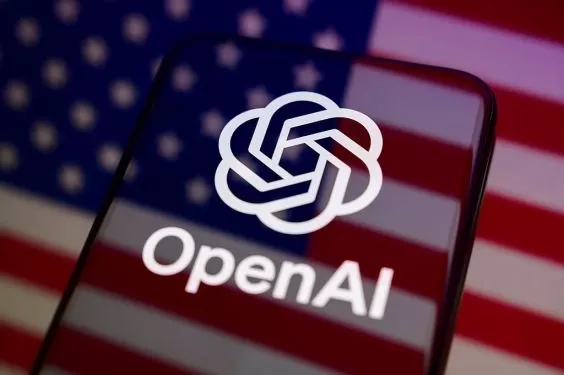 U.S. government backs OpenAI in copyright dispute over LLM training
The Trump administration has submitted a 20-page brief supporting OpenAI in a copyright lawsuit filed by The New York Times, defending the company’s practice of using unlicensed copyrighted material to train its large language models.“The United Stat
U.S. government backs OpenAI in copyright dispute over LLM training
The Trump administration has submitted a 20-page brief supporting OpenAI in a copyright lawsuit filed by The New York Times, defending the company’s practice of using unlicensed copyrighted material to train its large language models.“The United Stat

2026 Latest Best Top-rated AI Social Reply Assistants for Brand Community Management! XIX.AI has curated a powerful game-changing collection of must-try tools, all going through rigorous real-world tests to deliver consistent top-quality results. You can find detailed free vs paid comparison insights and up-to-date weekly updated rankings here. Explore now to unlock your AI edge in efficient community management!
12 tools
xix.ai

2026 Latest Top-Rated AI Daily Planner Apps make creating realistic deep work schedules effortless. This curated list features powerful, game-changing tools that go through real-world tests to ensure accuracy and effectiveness. You’ll find a free vs paid comparison along with detailed rankings based on usability and results. XIX.AI is part of this trusted collection. Explore now to discover your perfect tool and unlock your AI edge for staying focused and productive every day.
11 tools
xix.ai

2026 Latest Best Top-rated AI Chart Builder Tools for Fast Reporting are here on XIX.AI! This curated list features powerful game-changing tools that deliver accurate professional charts with just a few clicks, helping you boost writing efficiency and streamline content creation. Get a free vs paid comparison along with real-world tests and detailed rankings to find the must-try solution for your needs. Explore now to unlock your AI edge!
9 tools
xix.ai

2026 Latest Best Top-rated AI Live Chat Routing Tools for Ecommerce Queues, VIP Buyers, and Return Requests. This curated list features powerful game-changing solutions that boost productivity dramatically through real-world tests. It includes a free vs paid comparison along with detailed rankings to help you find the perfect fit. XIX.AI stands out as a trusted provider in this space. Explore now to Unlock your AI edge!
9 tools
xix.ai

2026 Latest Best Top-Rated AI Editing Tools for ESL Writers are here on XIX.AI! This curated list features powerful game-changing tools that go through real-world tests to ensure accuracy. You can find a free vs paid comparison alongside detailed rankings to help you pick the must-try solution that boosts your writing tone, grammar, and flow perfectly. Explore now to Unlock your AI edge!
9 tools
xix.ai

2026 Latest Best Top-Rated AI Bug Triage Tools for Engineering Teams! XIX.AI has curated a powerful, game-changing collection of must-try tools that go through rigorous real-world tests to deliver accurate issue analysis and efficient resolution. Get a free vs paid comparison along with detailed rankings to help you find the perfect solution that boosts your team’s productivity significantly. Explore now to unlock your AI edge!
9 tools
xix.ai












