


 Home
HomeApple Eases AI Cyber Security Concerns via Early Updates
![]()
Apple is accelerating its software update schedule to shield consumer devices from evolving AI-driven security threats. Credit: Apple
Apple's recent iOS security updates are rolling out faster than malicious hackers can exploit AI tools to craft sophisticated cyberattacks.
AI innovation cuts both ways in cybersecurity, equipping attackers with advanced tools as swiftly as it fortifies consumer devices.
In response, Apple is rolling out a series of software updates that would have previously been bundled into a full iOS release. By making them available earlier, the company aims to better protect consumer devices.
Discussing the strategy, Apple told Reuters it is adapting to the reality that AI accelerates the creation of malicious hacking tools.
Apple aims to shorten the gap between the public release of updates and their delivery to customers. This represents a significant shift from its long-standing tradition of bundling security patches with major software updates.

Typically, Apple releases security updates only during major software transitions, unless security experts uncover a hacking campaign exploiting an unknown flaw.
This usually happens when moving from one iOS version to the next, for example from version 26.5 to 26.6. During the interim, developers and testers evaluate the update to resolve any issues.
According to Apple, the latest security updates are being released to all users before the broader rollout of version 26.6.
The company notes that while there is no evidence the newly patched vulnerabilities have been exploited, the deployment timeline required compression.
Memory chip supply crunch pressures tech sector
As Apple bolsters its digital defenses, it is also grappling with significant challenges in its global hardware supply chain.
These software changes come amid growing economic pressures on the physical components that power these devices.
In early June, outgoing Apple CEO Tim Cook told the Wall Street Journal that price hikes for Apple products are inevitable, citing the unsustainable situation with memory chips for consumer products.
He says: "We're doing everything we can to offset the massive cost increases being passed on to us, and we've tried to protect our customers, but the situation is no longer sustainable. Supply is tightening just as consumer demand for devices rises, and memory suppliers are imposing significant price hikes."
Tim Cook, outgoing CEO of Apple. Credit: Getty Images
Tim will be succeeded by John Ternus as Apple CEO in September, following a turbulent period for the market.
RAM prices have more than doubled since October 2025, while the conflict in Iran has disrupted the global supply of helium, a critical gas for semiconductor manufacturing.
According to research firm Omdia, the average selling price of smartphones worldwide is expected to increase by about 20% in 2026, reaching an all-time high. Most smartphone brands have already raised prices, reduced promotions, or lowered specifications.
Gaming consoles under market pressure
Other tech giants are facing similar pressures in the chipmaking industry.
In an interview with the BBC, TSMC stated it would not rule out price increases as inflation drives up its costs. Samsung also expects memory chip shortages to push up the prices of electronic devices.
In April, Sony announced significant price hikes for its PlayStation 5 consoles and the PlayStation Portal handheld device.
In the UK, the standard PS5 now costs £569.99 ($759), an increase of about £90 ($119) from its previous price. The PlayStation Portal handheld rises to £219.99 ($293), while US customers will pay $100 more for the console.
Isabelle Tomatis, VP of Global Marketing at Sony Interactive Entertainment
Isabelle Tomatis, VP of Global Marketing at Sony Interactive Entertainment, discussed the decision in a blog post.
"Given ongoing economic pressures worldwide, we've decided to raise the prices of the PS5, PS5 Pro, and PlayStation Portal remote player globally," she explains.
Isabelle stated that the company viewed this as a necessary step to maintain its ability to deliver high-quality gaming experiences.
Microsoft, meanwhile, has already raised its hardware prices, while Nintendo plans to increase the price of its Switch 2 starting in September due to rising memory chip costs.
Related article
 OpenAI fights Apple trade secret lawsuit
OpenAI rebutted Apple’s trade secret allegations on Tuesday, arguing the lawsuit is unfounded.“We take these claims seriously but see no evidence supporting them,” OpenAI stated, as reported by Bloomberg’s Ed Ludlow on X. “We support fair competition
Apple's New Hardware Chief John Ternus Steers Vision for Future Products
Loading the player…The Ternus era at Apple has officially begun.Tim Cook stepped down as CEO this week, handing leadership to former hardware chief John Ternus. Ternus’s first memo promised a “huge launch next week,” meaning the next iPhone event lan
OpenAI Partners with Yubico to Bolster GPT-5.6 Security via Hardware Passkeys
Jerrod Chong, CEO of Yubico | Image Credit: YubicoOpenAI’s upcoming GPT-5.6 will mandate hardware-backed passkeys starting in September, a move that Yubico CEO Jerrod Chong says confirms their product as the premier defense against account compromise
Related Special Topic Recommendations
Education and Learning
OpenAI fights Apple trade secret lawsuit
OpenAI rebutted Apple’s trade secret allegations on Tuesday, arguing the lawsuit is unfounded.“We take these claims seriously but see no evidence supporting them,” OpenAI stated, as reported by Bloomberg’s Ed Ludlow on X. “We support fair competition
Apple's New Hardware Chief John Ternus Steers Vision for Future Products
Loading the player…The Ternus era at Apple has officially begun.Tim Cook stepped down as CEO this week, handing leadership to former hardware chief John Ternus. Ternus’s first memo promised a “huge launch next week,” meaning the next iPhone event lan
OpenAI Partners with Yubico to Bolster GPT-5.6 Security via Hardware Passkeys
Jerrod Chong, CEO of Yubico | Image Credit: YubicoOpenAI’s upcoming GPT-5.6 will mandate hardware-backed passkeys starting in September, a move that Yubico CEO Jerrod Chong says confirms their product as the premier defense against account compromise
Related Special Topic Recommendations
Education and Learning
 AI Study Tools for Homework and Exam Prep
2026 Latest Best AI Study Tools for Homework and Exam Prep! XIX.AI curates a top-rated list of powerful, game-changing tools that help students boost productivity, streamline homework completion, and ace exams through real-world tests. Get a free vs paid comparison, detailed rankings, and must-try options to unlock your AI edge. Explore now!
 10 tools
 xix.ai
Music composition
AI Vocal Demo Tools for Songwriters, Hooks, Toplines, and Multilingual Draft Sessions
xix.ai
Music composition
AI Vocal Demo Tools for Songwriters, Hooks, Toplines, and Multilingual Draft Sessions
2026 Latest Best AI Vocal Demo Tools for Songwriters, Hook Creators, and Multi-Language Content Teams! XIX.AI has curated a top-rated list of powerful game-changing tools that go through rigorous real-world tests. You’ll find detailed free vs paid comparison data, comprehensive rankings, and must-try options to help you boost writing efficiency and unlock your creative potential. Explore now to discover your perfect tool for all your content needs!
9 tools
xix.ai
Business
Best AI Competitive Research Tools for Small Businesses
2026 Latest Best Top-rated AI Competitive Research Tools for Small Businesses! XIX.AI has curated a highly powerful game-changing collection, updated weekly with rigorous real-world tests and detailed rankings. You can find a comprehensive free vs paid comparison to help you identify the must-try tools that boost your productivity and give you a competitive edge. Explore now to discover your perfect tool!
9 tools
xix.ai
Image editing
Photoshop AI Retouch Tools for Ecommerce Apparel, Skin Cleanup, and Color Consistency
2026 Latest Best Photoshop AI retouch tools for ecommerce apparel, skin cleanup, and color consistency! This top-rated curated list features powerful game-changing solutions that help you boost writing efficiency, streamline content creation, and achieve perfect visual results effortlessly. Each tool has undergone real-world tests through weekly updated rankings, complete with free vs paid comparison details. Backed by XIX.AI, it’s the must-try guide for anyone aiming to unlock your AI edge. Explore now!
10 tools
xix.ai
Prompt
Best AI Prompt Libraries for ChatGPT Workflows
2026 Latest Best Top-Rated AI Prompt Libraries for optimizing all types of ChatGPT workflows. XIX.AI has curated a powerful, game-changing collection that goes through rigorous real-world tests to ensure top performance. You can find detailed free vs paid comparisons and expert rankings to help you choose the must-try tools that boost your productivity and unlock your AI edge. Explore now!
11 tools
xix.ai
Education and Learning
AI Quiz Builder Platforms for Teachers, Tutors, and Cohort-Based Learning Programs
2026 Latest Best AI Quiz Builder Platforms for Teachers, Tutors, and Cohort-Based Learning Programs! XIX.AI has curated a top-rated list of powerful game-changing tools that go through real-world tests to deliver accurate rankings. These must-try platforms help boost writing efficiency, streamline content creation, and simplify quiz design across all learning scenarios. Explore now to discover your perfect tool for unlocking your AI edge in teaching!
13 tools
xix.ai

 Comments (0)
0/500
Comments (0)
0/500
Apple is accelerating its software update schedule to shield consumer devices from evolving AI-driven security threats. Credit: Apple
Apple's recent iOS security updates are rolling out faster than malicious hackers can exploit AI tools to craft sophisticated cyberattacks.
AI innovation cuts both ways in cybersecurity, equipping attackers with advanced tools as swiftly as it fortifies consumer devices.
In response, Apple is rolling out a series of software updates that would have previously been bundled into a full iOS release. By making them available earlier, the company aims to better protect consumer devices.
Discussing the strategy, Apple told Reuters it is adapting to the reality that AI accelerates the creation of malicious hacking tools.
Apple aims to shorten the gap between the public release of updates and their delivery to customers. This represents a significant shift from its long-standing tradition of bundling security patches with major software updates.
Typically, Apple releases security updates only during major software transitions, unless security experts uncover a hacking campaign exploiting an unknown flaw.
This usually happens when moving from one iOS version to the next, for example from version 26.5 to 26.6. During the interim, developers and testers evaluate the update to resolve any issues.
According to Apple, the latest security updates are being released to all users before the broader rollout of version 26.6.
The company notes that while there is no evidence the newly patched vulnerabilities have been exploited, the deployment timeline required compression.
Memory chip supply crunch pressures tech sector
As Apple bolsters its digital defenses, it is also grappling with significant challenges in its global hardware supply chain.
These software changes come amid growing economic pressures on the physical components that power these devices.
In early June, outgoing Apple CEO Tim Cook told the Wall Street Journal that price hikes for Apple products are inevitable, citing the unsustainable situation with memory chips for consumer products.
He says: "We're doing everything we can to offset the massive cost increases being passed on to us, and we've tried to protect our customers, but the situation is no longer sustainable. Supply is tightening just as consumer demand for devices rises, and memory suppliers are imposing significant price hikes."
Tim Cook, outgoing CEO of Apple. Credit: Getty Images
Tim will be succeeded by John Ternus as Apple CEO in September, following a turbulent period for the market.
RAM prices have more than doubled since October 2025, while the conflict in Iran has disrupted the global supply of helium, a critical gas for semiconductor manufacturing.
According to research firm Omdia, the average selling price of smartphones worldwide is expected to increase by about 20% in 2026, reaching an all-time high. Most smartphone brands have already raised prices, reduced promotions, or lowered specifications.
Gaming consoles under market pressure
Other tech giants are facing similar pressures in the chipmaking industry.
In an interview with the BBC, TSMC stated it would not rule out price increases as inflation drives up its costs. Samsung also expects memory chip shortages to push up the prices of electronic devices.
In April, Sony announced significant price hikes for its PlayStation 5 consoles and the PlayStation Portal handheld device.
In the UK, the standard PS5 now costs £569.99 ($759), an increase of about £90 ($119) from its previous price. The PlayStation Portal handheld rises to £219.99 ($293), while US customers will pay $100 more for the console.
Isabelle Tomatis, VP of Global Marketing at Sony Interactive Entertainment
Isabelle Tomatis, VP of Global Marketing at Sony Interactive Entertainment, discussed the decision in a blog post.
"Given ongoing economic pressures worldwide, we've decided to raise the prices of the PS5, PS5 Pro, and PlayStation Portal remote player globally," she explains.
Isabelle stated that the company viewed this as a necessary step to maintain its ability to deliver high-quality gaming experiences.
Microsoft, meanwhile, has already raised its hardware prices, while Nintendo plans to increase the price of its Switch 2 starting in September due to rising memory chip costs.








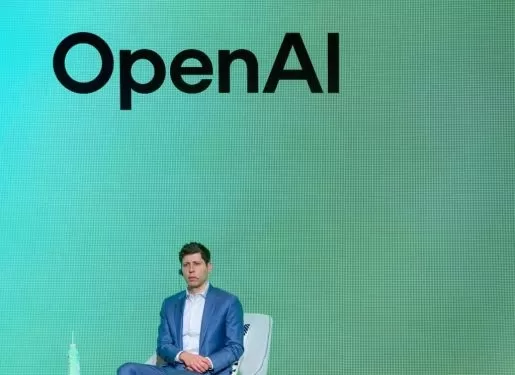 OpenAI fights Apple trade secret lawsuit
OpenAI rebutted Apple’s trade secret allegations on Tuesday, arguing the lawsuit is unfounded.“We take these claims seriously but see no evidence supporting them,” OpenAI stated, as reported by Bloomberg’s Ed Ludlow on X. “We support fair competition
OpenAI fights Apple trade secret lawsuit
OpenAI rebutted Apple’s trade secret allegations on Tuesday, arguing the lawsuit is unfounded.“We take these claims seriously but see no evidence supporting them,” OpenAI stated, as reported by Bloomberg’s Ed Ludlow on X. “We support fair competition
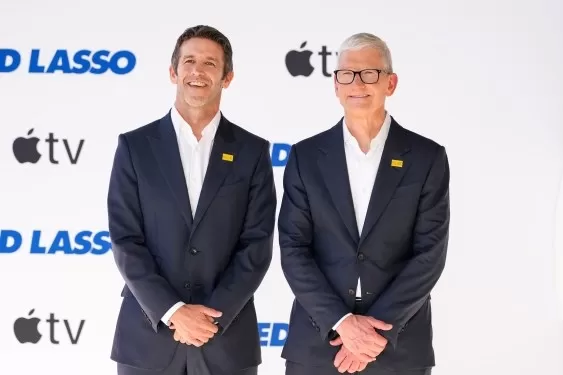 Apple's New Hardware Chief John Ternus Steers Vision for Future Products
Loading the player…The Ternus era at Apple has officially begun.Tim Cook stepped down as CEO this week, handing leadership to former hardware chief John Ternus. Ternus’s first memo promised a “huge launch next week,” meaning the next iPhone event lan
Apple's New Hardware Chief John Ternus Steers Vision for Future Products
Loading the player…The Ternus era at Apple has officially begun.Tim Cook stepped down as CEO this week, handing leadership to former hardware chief John Ternus. Ternus’s first memo promised a “huge launch next week,” meaning the next iPhone event lan
 OpenAI Partners with Yubico to Bolster GPT-5.6 Security via Hardware Passkeys
Jerrod Chong, CEO of Yubico | Image Credit: YubicoOpenAI’s upcoming GPT-5.6 will mandate hardware-backed passkeys starting in September, a move that Yubico CEO Jerrod Chong says confirms their product as the premier defense against account compromise
OpenAI Partners with Yubico to Bolster GPT-5.6 Security via Hardware Passkeys
Jerrod Chong, CEO of Yubico | Image Credit: YubicoOpenAI’s upcoming GPT-5.6 will mandate hardware-backed passkeys starting in September, a move that Yubico CEO Jerrod Chong says confirms their product as the premier defense against account compromise

2026 Latest Best AI Study Tools for Homework and Exam Prep! XIX.AI curates a top-rated list of powerful, game-changing tools that help students boost productivity, streamline homework completion, and ace exams through real-world tests. Get a free vs paid comparison, detailed rankings, and must-try options to unlock your AI edge. Explore now!
10 tools
xix.ai

2026 Latest Best AI Vocal Demo Tools for Songwriters, Hook Creators, and Multi-Language Content Teams! XIX.AI has curated a top-rated list of powerful game-changing tools that go through rigorous real-world tests. You’ll find detailed free vs paid comparison data, comprehensive rankings, and must-try options to help you boost writing efficiency and unlock your creative potential. Explore now to discover your perfect tool for all your content needs!
9 tools
xix.ai

2026 Latest Best Top-rated AI Competitive Research Tools for Small Businesses! XIX.AI has curated a highly powerful game-changing collection, updated weekly with rigorous real-world tests and detailed rankings. You can find a comprehensive free vs paid comparison to help you identify the must-try tools that boost your productivity and give you a competitive edge. Explore now to discover your perfect tool!
9 tools
xix.ai

2026 Latest Best Photoshop AI retouch tools for ecommerce apparel, skin cleanup, and color consistency! This top-rated curated list features powerful game-changing solutions that help you boost writing efficiency, streamline content creation, and achieve perfect visual results effortlessly. Each tool has undergone real-world tests through weekly updated rankings, complete with free vs paid comparison details. Backed by XIX.AI, it’s the must-try guide for anyone aiming to unlock your AI edge. Explore now!
10 tools
xix.ai

2026 Latest Best Top-Rated AI Prompt Libraries for optimizing all types of ChatGPT workflows. XIX.AI has curated a powerful, game-changing collection that goes through rigorous real-world tests to ensure top performance. You can find detailed free vs paid comparisons and expert rankings to help you choose the must-try tools that boost your productivity and unlock your AI edge. Explore now!
11 tools
xix.ai

2026 Latest Best AI Quiz Builder Platforms for Teachers, Tutors, and Cohort-Based Learning Programs! XIX.AI has curated a top-rated list of powerful game-changing tools that go through real-world tests to deliver accurate rankings. These must-try platforms help boost writing efficiency, streamline content creation, and simplify quiz design across all learning scenarios. Explore now to discover your perfect tool for unlocking your AI edge in teaching!
13 tools
xix.ai












