


 Home
HomeApple caught off guard by AI-fueled Mac demand surge
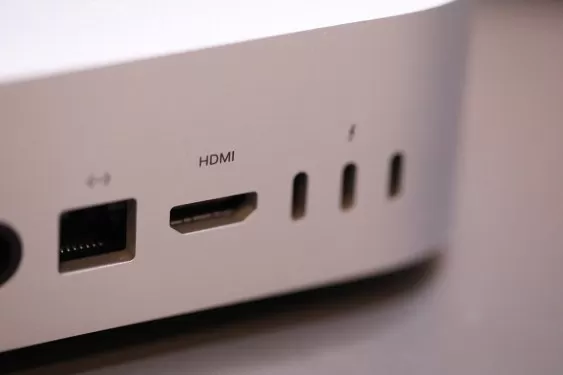
Apple's iPhone sales and Services revenue took center stage in the tech giant's latest quarterly report, but the Mac quietly delivered a standout performance, buoyed by rising demand for AI processing.
Wall Street analysts had projected Mac revenue to land in the lower $8 billion range. Apple, however, reported $8.4 billion for the second quarter ending March 28—a significant outperformance for a non-core segment of its business. Furthermore, while pre-earnings sentiment suggested Mac sales would remain flat year-over-year, the company reported a 6% annual increase. Apple's total revenue reached $111.2 billion, marking a 17% rise from the same period last year.
Apple credited part of the Mac's growth to recent product launches, including the well-received MacBook Neo. However, these vibrant, colorful computers were only available for a few weeks after preorders began on March 4. In reality, most shipments occurred from mid- to late March, with some demand likely pushed into April as specific models sold out.
On Thursday's Q2 earnings call, Apple CEO Tim Cook told analysts that customer demand for the Neo was "off the charts" and exceeded the company's expectations. He also noted Apple achieved a quarterly record for first-time Mac buyers, partly driven by the Neo.
Cook linked the sales growth to the Mac's role in running local AI models, such as OpenClaw—a trend that somewhat surprised Apple as Mac mini and Mac Studio devices sold out in recent weeks.
"Both are exceptional platforms for AI and agentic tools, and customer recognition of this is accelerating faster than we predicted, leading to higher-than-anticipated demand," Cook said regarding these Mac sales. He added that the Mac mini became the top-selling desktop in China, a market recently caught in an OpenClaw frenzy.
Nevertheless, Mac revenue remained flat quarter-over-quarter, indicating this new demand wave has yet to reach full scale. Cook stated it might take Apple "several months" to achieve a supply-demand balance for the Mac mini and Studio models.
"We're not at a point where we can say this [constraint] will end soon. It's not due to a production issue per se, but rather because we underestimated the demand," Cook explained.
Enterprise demand for the Mac also contributed. Apple highlighted several major companies, including Perplexity, that have adopted the Mac as their preferred platform for developing enterprise-grade AI assistants.
Cook also mentioned Apple was "supply constrained on the MacBook Neo," noting that even school districts, such as Kansas City Public Schools, are switching from Chromebooks to the Neo.
Related article
 OpenAI fights Apple trade secret lawsuit
OpenAI rebutted Apple’s trade secret allegations on Tuesday, arguing the lawsuit is unfounded.“We take these claims seriously but see no evidence supporting them,” OpenAI stated, as reported by Bloomberg’s Ed Ludlow on X. “We support fair competition
Apple's New Hardware Chief John Ternus Steers Vision for Future Products
Loading the player…The Ternus era at Apple has officially begun.Tim Cook stepped down as CEO this week, handing leadership to former hardware chief John Ternus. Ternus’s first memo promised a “huge launch next week,” meaning the next iPhone event lan
Apple’s Trade Secrets Lawsuit Against OpenAI: The Wildest Allegations
Apple’s trade secret lawsuit against OpenAI contains numerous extraordinary allegations, depicting a coordinated effort to extract confidential information from current and former Apple employees. Most striking is the casual tone of the alleged misco
Related Special Topic Recommendations
Education and Learning
OpenAI fights Apple trade secret lawsuit
OpenAI rebutted Apple’s trade secret allegations on Tuesday, arguing the lawsuit is unfounded.“We take these claims seriously but see no evidence supporting them,” OpenAI stated, as reported by Bloomberg’s Ed Ludlow on X. “We support fair competition
Apple's New Hardware Chief John Ternus Steers Vision for Future Products
Loading the player…The Ternus era at Apple has officially begun.Tim Cook stepped down as CEO this week, handing leadership to former hardware chief John Ternus. Ternus’s first memo promised a “huge launch next week,” meaning the next iPhone event lan
Apple’s Trade Secrets Lawsuit Against OpenAI: The Wildest Allegations
Apple’s trade secret lawsuit against OpenAI contains numerous extraordinary allegations, depicting a coordinated effort to extract confidential information from current and former Apple employees. Most striking is the casual tone of the alleged misco
Related Special Topic Recommendations
Education and Learning
 AI Study Tools for Homework and Exam Prep
2026 Latest Best AI Study Tools for Homework and Exam Prep! XIX.AI curates a top-rated list of powerful, game-changing tools that help students boost productivity, streamline homework completion, and ace exams through real-world tests. Get a free vs paid comparison, detailed rankings, and must-try options to unlock your AI edge. Explore now!
 10 tools
 xix.ai
Music composition
AI Vocal Demo Tools for Songwriters, Hooks, Toplines, and Multilingual Draft Sessions
xix.ai
Music composition
AI Vocal Demo Tools for Songwriters, Hooks, Toplines, and Multilingual Draft Sessions
2026 Latest Best AI Vocal Demo Tools for Songwriters, Hook Creators, and Multi-Language Content Teams! XIX.AI has curated a top-rated list of powerful game-changing tools that go through rigorous real-world tests. You’ll find detailed free vs paid comparison data, comprehensive rankings, and must-try options to help you boost writing efficiency and unlock your creative potential. Explore now to discover your perfect tool for all your content needs!
9 tools
xix.ai
Business
Best AI Competitive Research Tools for Small Businesses
2026 Latest Best Top-rated AI Competitive Research Tools for Small Businesses! XIX.AI has curated a highly powerful game-changing collection, updated weekly with rigorous real-world tests and detailed rankings. You can find a comprehensive free vs paid comparison to help you identify the must-try tools that boost your productivity and give you a competitive edge. Explore now to discover your perfect tool!
9 tools
xix.ai
Image editing
Photoshop AI Retouch Tools for Ecommerce Apparel, Skin Cleanup, and Color Consistency
2026 Latest Best Photoshop AI retouch tools for ecommerce apparel, skin cleanup, and color consistency! This top-rated curated list features powerful game-changing solutions that help you boost writing efficiency, streamline content creation, and achieve perfect visual results effortlessly. Each tool has undergone real-world tests through weekly updated rankings, complete with free vs paid comparison details. Backed by XIX.AI, it’s the must-try guide for anyone aiming to unlock your AI edge. Explore now!
10 tools
xix.ai
Prompt
Best AI Prompt Libraries for ChatGPT Workflows
2026 Latest Best Top-Rated AI Prompt Libraries for optimizing all types of ChatGPT workflows. XIX.AI has curated a powerful, game-changing collection that goes through rigorous real-world tests to ensure top performance. You can find detailed free vs paid comparisons and expert rankings to help you choose the must-try tools that boost your productivity and unlock your AI edge. Explore now!
11 tools
xix.ai
Education and Learning
AI Quiz Builder Platforms for Teachers, Tutors, and Cohort-Based Learning Programs
2026 Latest Best AI Quiz Builder Platforms for Teachers, Tutors, and Cohort-Based Learning Programs! XIX.AI has curated a top-rated list of powerful game-changing tools that go through real-world tests to deliver accurate rankings. These must-try platforms help boost writing efficiency, streamline content creation, and simplify quiz design across all learning scenarios. Explore now to discover your perfect tool for unlocking your AI edge in teaching!
13 tools
xix.ai

 Comments (0)
0/500
Comments (0)
0/500
Apple's iPhone sales and Services revenue took center stage in the tech giant's latest quarterly report, but the Mac quietly delivered a standout performance, buoyed by rising demand for AI processing.
Wall Street analysts had projected Mac revenue to land in the lower $8 billion range. Apple, however, reported $8.4 billion for the second quarter ending March 28—a significant outperformance for a non-core segment of its business. Furthermore, while pre-earnings sentiment suggested Mac sales would remain flat year-over-year, the company reported a 6% annual increase. Apple's total revenue reached $111.2 billion, marking a 17% rise from the same period last year.
Apple credited part of the Mac's growth to recent product launches, including the well-received MacBook Neo. However, these vibrant, colorful computers were only available for a few weeks after preorders began on March 4. In reality, most shipments occurred from mid- to late March, with some demand likely pushed into April as specific models sold out.
On Thursday's Q2 earnings call, Apple CEO Tim Cook told analysts that customer demand for the Neo was "off the charts" and exceeded the company's expectations. He also noted Apple achieved a quarterly record for first-time Mac buyers, partly driven by the Neo.
Cook linked the sales growth to the Mac's role in running local AI models, such as OpenClaw—a trend that somewhat surprised Apple as Mac mini and Mac Studio devices sold out in recent weeks.
"Both are exceptional platforms for AI and agentic tools, and customer recognition of this is accelerating faster than we predicted, leading to higher-than-anticipated demand," Cook said regarding these Mac sales. He added that the Mac mini became the top-selling desktop in China, a market recently caught in an OpenClaw frenzy.
Nevertheless, Mac revenue remained flat quarter-over-quarter, indicating this new demand wave has yet to reach full scale. Cook stated it might take Apple "several months" to achieve a supply-demand balance for the Mac mini and Studio models.
"We're not at a point where we can say this [constraint] will end soon. It's not due to a production issue per se, but rather because we underestimated the demand," Cook explained.
Enterprise demand for the Mac also contributed. Apple highlighted several major companies, including Perplexity, that have adopted the Mac as their preferred platform for developing enterprise-grade AI assistants.
Cook also mentioned Apple was "supply constrained on the MacBook Neo," noting that even school districts, such as Kansas City Public Schools, are switching from Chromebooks to the Neo.








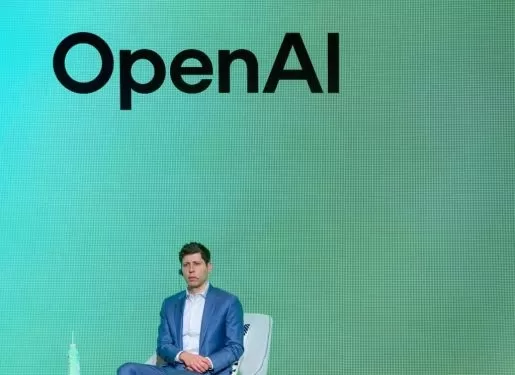 OpenAI fights Apple trade secret lawsuit
OpenAI rebutted Apple’s trade secret allegations on Tuesday, arguing the lawsuit is unfounded.“We take these claims seriously but see no evidence supporting them,” OpenAI stated, as reported by Bloomberg’s Ed Ludlow on X. “We support fair competition
OpenAI fights Apple trade secret lawsuit
OpenAI rebutted Apple’s trade secret allegations on Tuesday, arguing the lawsuit is unfounded.“We take these claims seriously but see no evidence supporting them,” OpenAI stated, as reported by Bloomberg’s Ed Ludlow on X. “We support fair competition
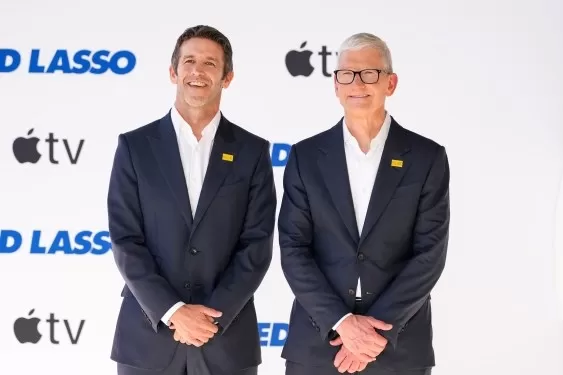 Apple's New Hardware Chief John Ternus Steers Vision for Future Products
Loading the player…The Ternus era at Apple has officially begun.Tim Cook stepped down as CEO this week, handing leadership to former hardware chief John Ternus. Ternus’s first memo promised a “huge launch next week,” meaning the next iPhone event lan
Apple's New Hardware Chief John Ternus Steers Vision for Future Products
Loading the player…The Ternus era at Apple has officially begun.Tim Cook stepped down as CEO this week, handing leadership to former hardware chief John Ternus. Ternus’s first memo promised a “huge launch next week,” meaning the next iPhone event lan
 Apple’s Trade Secrets Lawsuit Against OpenAI: The Wildest Allegations
Apple’s trade secret lawsuit against OpenAI contains numerous extraordinary allegations, depicting a coordinated effort to extract confidential information from current and former Apple employees. Most striking is the casual tone of the alleged misco
Apple’s Trade Secrets Lawsuit Against OpenAI: The Wildest Allegations
Apple’s trade secret lawsuit against OpenAI contains numerous extraordinary allegations, depicting a coordinated effort to extract confidential information from current and former Apple employees. Most striking is the casual tone of the alleged misco

2026 Latest Best AI Study Tools for Homework and Exam Prep! XIX.AI curates a top-rated list of powerful, game-changing tools that help students boost productivity, streamline homework completion, and ace exams through real-world tests. Get a free vs paid comparison, detailed rankings, and must-try options to unlock your AI edge. Explore now!
10 tools
xix.ai

2026 Latest Best AI Vocal Demo Tools for Songwriters, Hook Creators, and Multi-Language Content Teams! XIX.AI has curated a top-rated list of powerful game-changing tools that go through rigorous real-world tests. You’ll find detailed free vs paid comparison data, comprehensive rankings, and must-try options to help you boost writing efficiency and unlock your creative potential. Explore now to discover your perfect tool for all your content needs!
9 tools
xix.ai

2026 Latest Best Top-rated AI Competitive Research Tools for Small Businesses! XIX.AI has curated a highly powerful game-changing collection, updated weekly with rigorous real-world tests and detailed rankings. You can find a comprehensive free vs paid comparison to help you identify the must-try tools that boost your productivity and give you a competitive edge. Explore now to discover your perfect tool!
9 tools
xix.ai

2026 Latest Best Photoshop AI retouch tools for ecommerce apparel, skin cleanup, and color consistency! This top-rated curated list features powerful game-changing solutions that help you boost writing efficiency, streamline content creation, and achieve perfect visual results effortlessly. Each tool has undergone real-world tests through weekly updated rankings, complete with free vs paid comparison details. Backed by XIX.AI, it’s the must-try guide for anyone aiming to unlock your AI edge. Explore now!
10 tools
xix.ai

2026 Latest Best Top-Rated AI Prompt Libraries for optimizing all types of ChatGPT workflows. XIX.AI has curated a powerful, game-changing collection that goes through rigorous real-world tests to ensure top performance. You can find detailed free vs paid comparisons and expert rankings to help you choose the must-try tools that boost your productivity and unlock your AI edge. Explore now!
11 tools
xix.ai

2026 Latest Best AI Quiz Builder Platforms for Teachers, Tutors, and Cohort-Based Learning Programs! XIX.AI has curated a top-rated list of powerful game-changing tools that go through real-world tests to deliver accurate rankings. These must-try platforms help boost writing efficiency, streamline content creation, and simplify quiz design across all learning scenarios. Explore now to discover your perfect tool for unlocking your AI edge in teaching!
13 tools
xix.ai












