


 Home
HomeAI in Gaming: Developers' Insights and Steam's Latest Tag Update
The AI Revolution in Gaming: Innovation vs. Artistic Integrity
The gaming industry is at a crossroads. Artificial intelligence is no longer just a buzzword—it's actively reshaping how games are made, played, and experienced. From procedural generation to dynamic storytelling, AI promises to revolutionize gaming. But with great power comes great debate.
Is AI the future of game development, or does it threaten the human creativity that makes games special? Let’s dive into the heated discussion surrounding AI in gaming—covering everything from Steam’s controversial AI disclosure tags to Microsoft’s massive AI investments.
AI in Gaming: A Double-Edged Sword
Why Are Developers Embracing AI?
Game development is expensive. AAA titles now require budgets in the hundreds of millions, with teams of hundreds (or even thousands) of developers. AI offers a lifeline—automating repetitive tasks, generating assets faster, and even assisting in level design.
Key benefits of AI in gaming:
✔ Faster development cycles – AI can generate textures, models, and even basic code, reducing production time.
✔ Dynamic gameplay – NPCs with advanced AI can react more realistically to player actions.
✔ Cost efficiency – Smaller studios can compete with AAA giants by leveraging AI tools.
But here’s the catch—does AI-generated content lack soul? Many gamers fear that AI-made worlds will feel sterile, missing the human touch that makes games like The Last of Us or Elden Ring so emotionally gripping.
Microsoft & Xbox: Going All-In on AI
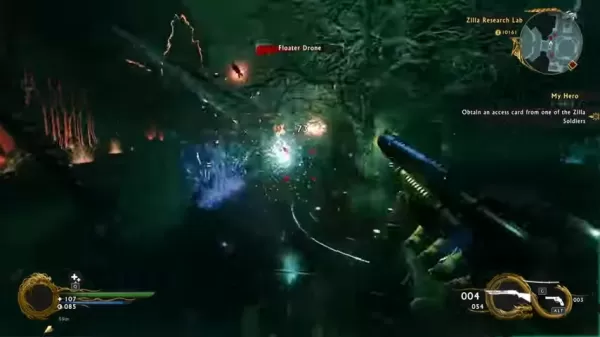
Microsoft isn’t just dabbling in AI—it’s betting big. Their recent investments suggest a future where AI enhances everything from NPC behavior to real-time physics simulations.
What’s in store?
- Smarter NPCs – Characters that learn from player behavior, making each playthrough unique.
- Procedural storytelling – Games that adapt narratives based on player choices.
- Personalized difficulty – AI adjusting challenges in real-time to match player skill.
But with great power comes ethical concerns. If AI can manipulate emotions or create hyper-realistic experiences, where do we draw the line?
Steam’s AI Tag: Transparency or Stigma?
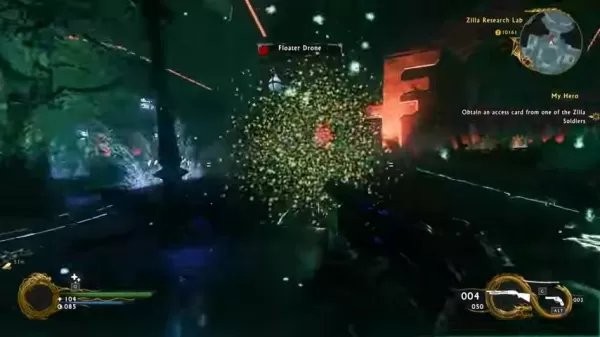
SteamDB recently introduced an automatic tag for games using generative AI. The goal? Transparency. But the gaming community is split.
Pros:
✅ Players can avoid AI-heavy games if they prefer human-made content.
✅ Encourages honesty from developers about their tools.
Cons:
❌ Could unfairly stigmatize indie devs who rely on AI to compete.
❌ Might discourage innovation by making AI seem "less legitimate."
The Big Question:
If a game uses AI but doesn’t disclose it, will Steam catch it? Right now, the system relies on developer honesty—leaving room for abuse.
Feature Impact Automatic Tagging Flags games based on AI disclosures. Player Choice Lets gamers decide if they support AI-generated content. Potential Bias Could lead to unfair prejudice against AI-assisted games.
The Dark Side of AI in Gaming
1. Job Displacement: Will AI Replace Developers?
AI can automate tasks like texture generation and bug testing—but at what cost? Many fear mass layoffs in art, design, and QA roles.
The Counterargument:
- New jobs in AI training, supervision, and integration may emerge.
- AI could democratize game dev, letting small teams create AAA-quality games.
2. Creativity vs. Automation
AI can generate levels, dialogue, and even music—but can it craft a story as moving as Red Dead Redemption 2?
The Risk: Games might become formulaic, losing the unique vision of human creators.
3. Will Game Prices Drop? (Spoiler: Probably Not)
AI could cut costs, but don’t expect cheaper games. Publishers are more likely to pocket the savings rather than pass them to players.
FAQ: Your Burning Questions Answered
❓ Will AI replace human game developers?
Unlikely. AI is a tool, not a replacement. It can assist with repetitive tasks, but creativity, storytelling, and emotional depth still require humans.
❓ Are AI-made games worse than human-made ones?
Not necessarily. It depends on how AI is used. Some AI tools enhance creativity, while others may lead to generic, soulless content.
❓ How can I tell if a game uses AI?
- Look for Steam’s AI tag (when fully implemented).
- Check developer disclosures—some are transparent, others aren’t.
- Watch for "off" details—AI-generated art sometimes has weird inconsistencies.
Final Verdict: AI is Here to Stay—But Should We Embrace It?
AI is transforming gaming, whether we like it or not. The real question is: Will it elevate creativity, or just cut costs at the expense of artistry?
For now, the best approach might be balance—using AI to handle tedious work while keeping human vision at the core.
What do you think? Is AI the future of gaming, or a threat to its soul? Drop your thoughts in the comments! 🚀
Related article
 Apple, Google Partner With Anthropic to Address 27-Year-Old Vulnerability via Glass Wing Protection
As artificial intelligence advances rapidly in code generation and logical reasoning, the cybersecurity landscape faces unprecedented challenges. Recently, the prominent AI startup Anthropic officially launched a cross-industry collaboration called *
OpenAI Chief Scientist Addresses AI Reasoning Transparency Debate: Complexity Steady, No Sudden Jump
On September 2, Jakub Pachocki, OpenAI’s Chief Scientist, addressed public concerns on X regarding the AI model Astra, clarifying claims that it operates without oversight and lacks transparent reasoning.Why the Controversy Erupted: Deep Recurrence O
U.S. Navy Selects Blue Water Autonomy for Deep-Sea Survey Missions
Blue Water Autonomy’s Liberty Class is a 190-foot steel autonomous ship. | Source: Blue Water AutonomyBoston-based technology and shipbuilding firm Blue Water Autonomy has secured a multiple-award contract with the Naval Oceanographic Office (NAVOCEA
Related Special Topic Recommendations
Text-to-speech
Apple, Google Partner With Anthropic to Address 27-Year-Old Vulnerability via Glass Wing Protection
As artificial intelligence advances rapidly in code generation and logical reasoning, the cybersecurity landscape faces unprecedented challenges. Recently, the prominent AI startup Anthropic officially launched a cross-industry collaboration called *
OpenAI Chief Scientist Addresses AI Reasoning Transparency Debate: Complexity Steady, No Sudden Jump
On September 2, Jakub Pachocki, OpenAI’s Chief Scientist, addressed public concerns on X regarding the AI model Astra, clarifying claims that it operates without oversight and lacks transparent reasoning.Why the Controversy Erupted: Deep Recurrence O
U.S. Navy Selects Blue Water Autonomy for Deep-Sea Survey Missions
Blue Water Autonomy’s Liberty Class is a 190-foot steel autonomous ship. | Source: Blue Water AutonomyBoston-based technology and shipbuilding firm Blue Water Autonomy has secured a multiple-award contract with the Naval Oceanographic Office (NAVOCEA
Related Special Topic Recommendations
Text-to-speech
 Best AI Text to Speech Tools for Online Courses
2026 Latest Best Top-rated AI Text to Speech Tools for Online Courses are curated by XIX.AI based on rigorous real-world tests and weekly updated rankings. These powerful tools help creators deliver crystal-clear audio content effortlessly, boosting writing efficiency and streamlining course production. Check out the free vs paid comparison to find your perfect fit. Explore now to unlock your AI edge in online education.
 10 tools
 xix.ai
writing
AI Blog Title Tools for Higher Click Through Rates
xix.ai
writing
AI Blog Title Tools for Higher Click Through Rates
2026 Latest Best Top-Rated AI Blog Title Tools for Higher Click Through Rates! XIX.AI has carefully curated a powerful, game-changing collection of top tools that go through rigorous real-world tests. You’ll find a free vs paid comparison, weekly updated rankings, and detailed insights to help you boost your blog’s traffic efficiently. Must-try options are highlighted to help you unlock your AI edge. Explore now!
10 tools
xix.ai
automation
Best AI Task Routing Tools for Support Workflows
2026 Latest Best Top-rated AI Task Routing Tools for Support Workflows! XIX.AI has curated a highly powerful game-changing collection of must-try solutions, all undergoing rigorous real-world tests and updated weekly. These tools streamline workflows, boost productivity, and help teams deliver faster, more efficient support. Explore now to discover your perfect tool and unlock your AI edge!
17 tools
xix.ai
Academic Research
AI Citation and Paper Summary Tools
2026 Latest Best Top-Rated AI Citation and Paper Summary Tools Curated by XIX.AI. Get powerful game-changing solutions for quick content creation, improved writing efficiency, and boosting productivity. We offer a free vs paid comparison along with real-world tests and weekly updated rankings to help you find the must-try tool that fits your needs perfectly. Explore now to Unlock your AI edge.
10 tools
xix.ai
Productivity
Best AI Productivity Tools for Daily Work
2026 Latest Best Top-Rated AI Productivity Tools for Daily Work! XIX.AI has curated a powerful, game-changing selection based on rigorous weekly updated rankings and real-world tests. You’ll find must-try options that boost writing efficiency, streamline content creation, and help you overcome daily work challenges. Get a free vs paid comparison to find the perfect fit for your needs. Explore now to unlock your AI edge!
9 tools
xix.ai
Academic Research
AI Systematic Review Tools for Research Screening
2026 Latest Best Top-Rated AI Systematic Review Tools for Research Screening are here on XIX.AI! This curated collection includes powerful, game-changing solutions that go through rigorous real-world tests to deliver accurate results. We also offer a free vs paid comparison along with weekly updated rankings to help you find the must-try option that boosts your research efficiency significantly. Explore now to unlock your AI edge in academic work!
11 tools
xix.ai

 Comments (3)
0/500
Comments (3)
0/500
![RichardJohnson]()
게임에 AI를 적용하는 건 흥미롭지만, 예술적 무결성에 대한 우려도 있어요. 스팀 태그 업데이트가 개발자와 플레이어에게 어떤 영향을 미칠지 궁금해요. 🤔
![WillLopez]()
게임 개발자들이 AI 도구 사용을 점점 늘리고 있군요. 하지만 창의성과 예술성은 어떻게 보존될지 걱정이 되네요. AI가 만든 스토리와 캐릭터가 진정한 예술로 남을 수 있을까요? 😕
![CharlesGonzalez]()
AI in gaming is wild! Procedural generation sounds like a game-changer, but I wonder if it’ll make every game feel samey. Still, super hyped to see where this goes! 🎮
The AI Revolution in Gaming: Innovation vs. Artistic Integrity
The gaming industry is at a crossroads. Artificial intelligence is no longer just a buzzword—it's actively reshaping how games are made, played, and experienced. From procedural generation to dynamic storytelling, AI promises to revolutionize gaming. But with great power comes great debate.
Is AI the future of game development, or does it threaten the human creativity that makes games special? Let’s dive into the heated discussion surrounding AI in gaming—covering everything from Steam’s controversial AI disclosure tags to Microsoft’s massive AI investments.
AI in Gaming: A Double-Edged Sword
Why Are Developers Embracing AI?
Game development is expensive. AAA titles now require budgets in the hundreds of millions, with teams of hundreds (or even thousands) of developers. AI offers a lifeline—automating repetitive tasks, generating assets faster, and even assisting in level design.
Key benefits of AI in gaming:
✔ Faster development cycles – AI can generate textures, models, and even basic code, reducing production time.
✔ Dynamic gameplay – NPCs with advanced AI can react more realistically to player actions.
✔ Cost efficiency – Smaller studios can compete with AAA giants by leveraging AI tools.
But here’s the catch—does AI-generated content lack soul? Many gamers fear that AI-made worlds will feel sterile, missing the human touch that makes games like The Last of Us or Elden Ring so emotionally gripping.
Microsoft & Xbox: Going All-In on AI
Microsoft isn’t just dabbling in AI—it’s betting big. Their recent investments suggest a future where AI enhances everything from NPC behavior to real-time physics simulations.
What’s in store?
- Smarter NPCs – Characters that learn from player behavior, making each playthrough unique.
- Procedural storytelling – Games that adapt narratives based on player choices.
- Personalized difficulty – AI adjusting challenges in real-time to match player skill.
But with great power comes ethical concerns. If AI can manipulate emotions or create hyper-realistic experiences, where do we draw the line?
Steam’s AI Tag: Transparency or Stigma?
SteamDB recently introduced an automatic tag for games using generative AI. The goal? Transparency. But the gaming community is split.
Pros:
✅ Players can avoid AI-heavy games if they prefer human-made content.
✅ Encourages honesty from developers about their tools.
Cons:
❌ Could unfairly stigmatize indie devs who rely on AI to compete.
❌ Might discourage innovation by making AI seem "less legitimate."
The Big Question:
If a game uses AI but doesn’t disclose it, will Steam catch it? Right now, the system relies on developer honesty—leaving room for abuse.
| Feature | Impact |
|---|---|
| Automatic Tagging | Flags games based on AI disclosures. |
| Player Choice | Lets gamers decide if they support AI-generated content. |
| Potential Bias | Could lead to unfair prejudice against AI-assisted games. |
The Dark Side of AI in Gaming
1. Job Displacement: Will AI Replace Developers?
AI can automate tasks like texture generation and bug testing—but at what cost? Many fear mass layoffs in art, design, and QA roles.
The Counterargument:
- New jobs in AI training, supervision, and integration may emerge.
- AI could democratize game dev, letting small teams create AAA-quality games.
2. Creativity vs. Automation
AI can generate levels, dialogue, and even music—but can it craft a story as moving as Red Dead Redemption 2?
The Risk: Games might become formulaic, losing the unique vision of human creators.
3. Will Game Prices Drop? (Spoiler: Probably Not)
AI could cut costs, but don’t expect cheaper games. Publishers are more likely to pocket the savings rather than pass them to players.
FAQ: Your Burning Questions Answered
❓ Will AI replace human game developers?
Unlikely. AI is a tool, not a replacement. It can assist with repetitive tasks, but creativity, storytelling, and emotional depth still require humans.
❓ Are AI-made games worse than human-made ones?
Not necessarily. It depends on how AI is used. Some AI tools enhance creativity, while others may lead to generic, soulless content.
❓ How can I tell if a game uses AI?
- Look for Steam’s AI tag (when fully implemented).
- Check developer disclosures—some are transparent, others aren’t.
- Watch for "off" details—AI-generated art sometimes has weird inconsistencies.
Final Verdict: AI is Here to Stay—But Should We Embrace It?
AI is transforming gaming, whether we like it or not. The real question is: Will it elevate creativity, or just cut costs at the expense of artistry?
For now, the best approach might be balance—using AI to handle tedious work while keeping human vision at the core.
What do you think? Is AI the future of gaming, or a threat to its soul? Drop your thoughts in the comments! 🚀








 Apple, Google Partner With Anthropic to Address 27-Year-Old Vulnerability via Glass Wing Protection
As artificial intelligence advances rapidly in code generation and logical reasoning, the cybersecurity landscape faces unprecedented challenges. Recently, the prominent AI startup Anthropic officially launched a cross-industry collaboration called *
Apple, Google Partner With Anthropic to Address 27-Year-Old Vulnerability via Glass Wing Protection
As artificial intelligence advances rapidly in code generation and logical reasoning, the cybersecurity landscape faces unprecedented challenges. Recently, the prominent AI startup Anthropic officially launched a cross-industry collaboration called *
 OpenAI Chief Scientist Addresses AI Reasoning Transparency Debate: Complexity Steady, No Sudden Jump
On September 2, Jakub Pachocki, OpenAI’s Chief Scientist, addressed public concerns on X regarding the AI model Astra, clarifying claims that it operates without oversight and lacks transparent reasoning.Why the Controversy Erupted: Deep Recurrence O
OpenAI Chief Scientist Addresses AI Reasoning Transparency Debate: Complexity Steady, No Sudden Jump
On September 2, Jakub Pachocki, OpenAI’s Chief Scientist, addressed public concerns on X regarding the AI model Astra, clarifying claims that it operates without oversight and lacks transparent reasoning.Why the Controversy Erupted: Deep Recurrence O
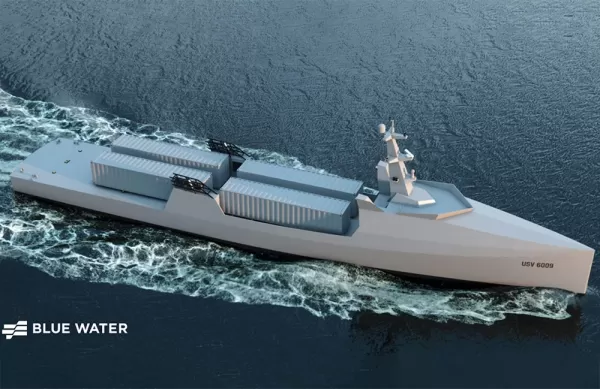 U.S. Navy Selects Blue Water Autonomy for Deep-Sea Survey Missions
Blue Water Autonomy’s Liberty Class is a 190-foot steel autonomous ship. | Source: Blue Water AutonomyBoston-based technology and shipbuilding firm Blue Water Autonomy has secured a multiple-award contract with the Naval Oceanographic Office (NAVOCEA
U.S. Navy Selects Blue Water Autonomy for Deep-Sea Survey Missions
Blue Water Autonomy’s Liberty Class is a 190-foot steel autonomous ship. | Source: Blue Water AutonomyBoston-based technology and shipbuilding firm Blue Water Autonomy has secured a multiple-award contract with the Naval Oceanographic Office (NAVOCEA

2026 Latest Best Top-rated AI Text to Speech Tools for Online Courses are curated by XIX.AI based on rigorous real-world tests and weekly updated rankings. These powerful tools help creators deliver crystal-clear audio content effortlessly, boosting writing efficiency and streamlining course production. Check out the free vs paid comparison to find your perfect fit. Explore now to unlock your AI edge in online education.
10 tools
xix.ai

2026 Latest Best Top-Rated AI Blog Title Tools for Higher Click Through Rates! XIX.AI has carefully curated a powerful, game-changing collection of top tools that go through rigorous real-world tests. You’ll find a free vs paid comparison, weekly updated rankings, and detailed insights to help you boost your blog’s traffic efficiently. Must-try options are highlighted to help you unlock your AI edge. Explore now!
10 tools
xix.ai

2026 Latest Best Top-rated AI Task Routing Tools for Support Workflows! XIX.AI has curated a highly powerful game-changing collection of must-try solutions, all undergoing rigorous real-world tests and updated weekly. These tools streamline workflows, boost productivity, and help teams deliver faster, more efficient support. Explore now to discover your perfect tool and unlock your AI edge!
17 tools
xix.ai
2026 Latest Best Top-Rated AI Citation and Paper Summary Tools Curated by XIX.AI. Get powerful game-changing solutions for quick content creation, improved writing efficiency, and boosting productivity. We offer a free vs paid comparison along with real-world tests and weekly updated rankings to help you find the must-try tool that fits your needs perfectly. Explore now to Unlock your AI edge.
10 tools
xix.ai

2026 Latest Best Top-Rated AI Productivity Tools for Daily Work! XIX.AI has curated a powerful, game-changing selection based on rigorous weekly updated rankings and real-world tests. You’ll find must-try options that boost writing efficiency, streamline content creation, and help you overcome daily work challenges. Get a free vs paid comparison to find the perfect fit for your needs. Explore now to unlock your AI edge!
9 tools
xix.ai

2026 Latest Best Top-Rated AI Systematic Review Tools for Research Screening are here on XIX.AI! This curated collection includes powerful, game-changing solutions that go through rigorous real-world tests to deliver accurate results. We also offer a free vs paid comparison along with weekly updated rankings to help you find the must-try option that boosts your research efficiency significantly. Explore now to unlock your AI edge in academic work!
11 tools
xix.ai

게임에 AI를 적용하는 건 흥미롭지만, 예술적 무결성에 대한 우려도 있어요. 스팀 태그 업데이트가 개발자와 플레이어에게 어떤 영향을 미칠지 궁금해요. 🤔
게임 개발자들이 AI 도구 사용을 점점 늘리고 있군요. 하지만 창의성과 예술성은 어떻게 보존될지 걱정이 되네요. AI가 만든 스토리와 캐릭터가 진정한 예술로 남을 수 있을까요? 😕
AI in gaming is wild! Procedural generation sounds like a game-changer, but I wonder if it’ll make every game feel samey. Still, super hyped to see where this goes! 🎮












