


 Home
HomeGoogle Takes on Ray-Ban with Gemini-Powered Smart Glasses This Autumn
Smart glasses are emerging as the next battleground in wearable tech, with major tech players competing for dominance. Google has officially confirmed that its new smart glasses—developed alongside Warby Parker and Gentle Monster—will launch this fall. As Google's latest foray into AI hardware, the device is powered by the Gemini large language model and aims to challenge the benchmark set by Meta and Ray-Ban.
Google first hinted at these partnerships during its 2025 developer conference. Announcing a release date now signals the project has moved into the implementation phase. Notably, the new glasses don't include lens displays; instead, they rely on integrated cameras, microphones, and speakers that connect via Bluetooth to a smartphone, delivering a purely audio and sensory experience. This screenless approach likely reflects Google's effort to balance comfort with practicality.
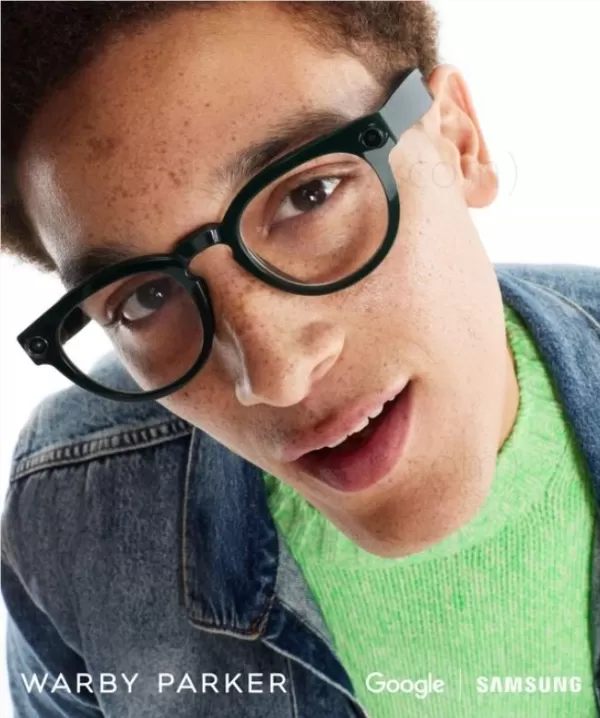
On the software front, Google's key advantage is the deep integration of Gemini with the Android ecosystem. Unlike rivals, Gemini enables voice navigation and direct access to frequently used services like Google Maps. What's particularly striking is the proxy functionality: users can give voice commands to have their Android phone order food or book a ride without any manual intervention—effectively making the phone take orders from the glasses. To compensate for the lack of a display, Google also integrates with Wear OS smartwatches, letting users instantly see thumbnail previews of photos on the watch screen.
In the market landscape, the Meta and Ray-Ban partnership currently leads the smart glasses segment, with 7 million units sold in 2025, making Ray-Ban practically synonymous with the category. By contrast, Google's partners Warby Parker and Gentle Monster may not match the retail reach of Meta's ally Essilor Luxottica, but they hold significant fashion credibility among younger buyers.
With Meta's Connect conference scheduled for September and Google's product debut expected in the fall, the smart glasses market is poised for intensified competition. Industry observers say the sector is still on the verge of a major breakthrough. While Google has taken a conservative approach to hardware design, its AI large model and deep ecosystem integration could carve out a unique competitive path in the increasingly crowded market.
Related article
 ByteDance’s Seed launches global campus drive, offering virtual shares to win top large model talent
In the competitive landscape of large language models, securing top-tier talent remains the most critical strategic asset.On April 1st, ByteDance announced the launch of its Seed global campus recruitment initiative, part of its large model talent de
Suno to Watermark Songs Amid Legal Battles
Suno, the platform enabling users to generate AI-created music, has unveiled new features to label platform-produced tracks, restrict downloads, and update community standards to curb unauthorized replicas. These updates arrive as Suno confronts mult
Musk Admits Grok Build Leaked User Code, Promises to Erase All Historical Data
Elon Musk directly addressed the privacy controversy surrounding Grok Build, beginning with a simple "True" to confirm the incident's validity. He pledged that all user data previously uploaded to SpaceXAI would be permanently erased, stating, "not a
Related Special Topic Recommendations
Design & Art
ByteDance’s Seed launches global campus drive, offering virtual shares to win top large model talent
In the competitive landscape of large language models, securing top-tier talent remains the most critical strategic asset.On April 1st, ByteDance announced the launch of its Seed global campus recruitment initiative, part of its large model talent de
Suno to Watermark Songs Amid Legal Battles
Suno, the platform enabling users to generate AI-created music, has unveiled new features to label platform-produced tracks, restrict downloads, and update community standards to curb unauthorized replicas. These updates arrive as Suno confronts mult
Musk Admits Grok Build Leaked User Code, Promises to Erase All Historical Data
Elon Musk directly addressed the privacy controversy surrounding Grok Build, beginning with a simple "True" to confirm the incident's validity. He pledged that all user data previously uploaded to SpaceXAI would be permanently erased, stating, "not a
Related Special Topic Recommendations
Design & Art
 AI Visual Style Reference Tools for Character Sheets, Moodboards, and Pitch Decks
2026 Latest Best AI Visual Style Reference Tools for Character Sheets, Moodboards, and Pitch Decks are here on XIX.AI! This curated top-rated list features powerful game-changing tools that go through rigorous real-world tests. You’ll find a free vs paid comparison, detailed rankings, and must-try options to help you boost creativity and streamline your workflow. Explore now to discover your perfect tool for boosting productivity!
 11 tools
 xix.ai
SEO
Best AI SERP Analysis Tools for Search Strategy
xix.ai
SEO
Best AI SERP Analysis Tools for Search Strategy
2026 Latest Best Top-rated AI SERP Analysis Tools for Search Strategy are curated by XIX.AI through rigorous real-world tests and weekly updated rankings. These powerful tools help you unlock hidden optimization opportunities, boost content performance, and gain a competitive edge in search. Discover your perfect tool to elevate your search strategy today. Explore now!
13 tools
xix.ai
Data Analysis
Best AI Anomaly Detection Tools for KPI Monitoring across SaaS and Ecommerce Teams
2026 Latest Best Top-rated AI Anomaly Detection Tools for KPI Monitoring in SaaS and Ecommerce teams! XIX.AI has curated a powerful, game-changing collection based on rigorous real-world tests and weekly updated rankings. You’ll find detailed free vs paid comparison insights to help you identify the must-try solution that boosts productivity and unlocks your AI edge. Explore now!
10 tools
xix.ai
writing
Best AI Outline Generators for Long-Form SEO Articles
2026 Latest Best Top-Rated AI Outline Generators for Long-Form SEO Articles, meticulously curated by XIX.AI. These powerful tools offer game-changing assistance in creating high-quality content quickly, boosting writing efficiency significantly. Get a free vs paid comparison along with real-world tests and detailed rankings to help you find the must-try option that suits your needs. Explore now to unlock your AI edge.
8 tools
xix.ai
Education and Learning
AI Study Tools for Homework and Exam Prep
2026 Latest Best AI Study Tools for Homework and Exam Prep! XIX.AI curates a top-rated list of powerful, game-changing tools that help students boost productivity, streamline homework completion, and ace exams through real-world tests. Get a free vs paid comparison, detailed rankings, and must-try options to unlock your AI edge. Explore now!
10 tools
xix.ai
Music composition
AI Vocal Demo Tools for Songwriters, Hooks, Toplines, and Multilingual Draft Sessions
2026 Latest Best AI Vocal Demo Tools for Songwriters, Hook Creators, and Multi-Language Content Teams! XIX.AI has curated a top-rated list of powerful game-changing tools that go through rigorous real-world tests. You’ll find detailed free vs paid comparison data, comprehensive rankings, and must-try options to help you boost writing efficiency and unlock your creative potential. Explore now to discover your perfect tool for all your content needs!
9 tools
xix.ai

 Comments (1)
0/500
Comments (1)
0/500
![MatthewSmith]()
Wait, so Google's going after Ray-Ban Meta with Warby Parker and Gentle Monster? Honestly, I'm more curious about Gemini's on-device AI than the design—will it actually do something useful or just be another voice assistant glued to my face? 🤔 Hope the battery life doesn't suck this time.
Smart glasses are emerging as the next battleground in wearable tech, with major tech players competing for dominance. Google has officially confirmed that its new smart glasses—developed alongside Warby Parker and Gentle Monster—will launch this fall. As Google's latest foray into AI hardware, the device is powered by the Gemini large language model and aims to challenge the benchmark set by Meta and Ray-Ban.
Google first hinted at these partnerships during its 2025 developer conference. Announcing a release date now signals the project has moved into the implementation phase. Notably, the new glasses don't include lens displays; instead, they rely on integrated cameras, microphones, and speakers that connect via Bluetooth to a smartphone, delivering a purely audio and sensory experience. This screenless approach likely reflects Google's effort to balance comfort with practicality.
On the software front, Google's key advantage is the deep integration of Gemini with the Android ecosystem. Unlike rivals, Gemini enables voice navigation and direct access to frequently used services like Google Maps. What's particularly striking is the proxy functionality: users can give voice commands to have their Android phone order food or book a ride without any manual intervention—effectively making the phone take orders from the glasses. To compensate for the lack of a display, Google also integrates with Wear OS smartwatches, letting users instantly see thumbnail previews of photos on the watch screen.
In the market landscape, the Meta and Ray-Ban partnership currently leads the smart glasses segment, with 7 million units sold in 2025, making Ray-Ban practically synonymous with the category. By contrast, Google's partners Warby Parker and Gentle Monster may not match the retail reach of Meta's ally Essilor Luxottica, but they hold significant fashion credibility among younger buyers.
With Meta's Connect conference scheduled for September and Google's product debut expected in the fall, the smart glasses market is poised for intensified competition. Industry observers say the sector is still on the verge of a major breakthrough. While Google has taken a conservative approach to hardware design, its AI large model and deep ecosystem integration could carve out a unique competitive path in the increasingly crowded market.








 ByteDance’s Seed launches global campus drive, offering virtual shares to win top large model talent
In the competitive landscape of large language models, securing top-tier talent remains the most critical strategic asset.On April 1st, ByteDance announced the launch of its Seed global campus recruitment initiative, part of its large model talent de
ByteDance’s Seed launches global campus drive, offering virtual shares to win top large model talent
In the competitive landscape of large language models, securing top-tier talent remains the most critical strategic asset.On April 1st, ByteDance announced the launch of its Seed global campus recruitment initiative, part of its large model talent de
 Suno to Watermark Songs Amid Legal Battles
Suno, the platform enabling users to generate AI-created music, has unveiled new features to label platform-produced tracks, restrict downloads, and update community standards to curb unauthorized replicas. These updates arrive as Suno confronts mult
Suno to Watermark Songs Amid Legal Battles
Suno, the platform enabling users to generate AI-created music, has unveiled new features to label platform-produced tracks, restrict downloads, and update community standards to curb unauthorized replicas. These updates arrive as Suno confronts mult
 Musk Admits Grok Build Leaked User Code, Promises to Erase All Historical Data
Elon Musk directly addressed the privacy controversy surrounding Grok Build, beginning with a simple "True" to confirm the incident's validity. He pledged that all user data previously uploaded to SpaceXAI would be permanently erased, stating, "not a
Musk Admits Grok Build Leaked User Code, Promises to Erase All Historical Data
Elon Musk directly addressed the privacy controversy surrounding Grok Build, beginning with a simple "True" to confirm the incident's validity. He pledged that all user data previously uploaded to SpaceXAI would be permanently erased, stating, "not a

2026 Latest Best AI Visual Style Reference Tools for Character Sheets, Moodboards, and Pitch Decks are here on XIX.AI! This curated top-rated list features powerful game-changing tools that go through rigorous real-world tests. You’ll find a free vs paid comparison, detailed rankings, and must-try options to help you boost creativity and streamline your workflow. Explore now to discover your perfect tool for boosting productivity!
11 tools
xix.ai

2026 Latest Best Top-rated AI SERP Analysis Tools for Search Strategy are curated by XIX.AI through rigorous real-world tests and weekly updated rankings. These powerful tools help you unlock hidden optimization opportunities, boost content performance, and gain a competitive edge in search. Discover your perfect tool to elevate your search strategy today. Explore now!
13 tools
xix.ai

2026 Latest Best Top-rated AI Anomaly Detection Tools for KPI Monitoring in SaaS and Ecommerce teams! XIX.AI has curated a powerful, game-changing collection based on rigorous real-world tests and weekly updated rankings. You’ll find detailed free vs paid comparison insights to help you identify the must-try solution that boosts productivity and unlocks your AI edge. Explore now!
10 tools
xix.ai

2026 Latest Best Top-Rated AI Outline Generators for Long-Form SEO Articles, meticulously curated by XIX.AI. These powerful tools offer game-changing assistance in creating high-quality content quickly, boosting writing efficiency significantly. Get a free vs paid comparison along with real-world tests and detailed rankings to help you find the must-try option that suits your needs. Explore now to unlock your AI edge.
8 tools
xix.ai

2026 Latest Best AI Study Tools for Homework and Exam Prep! XIX.AI curates a top-rated list of powerful, game-changing tools that help students boost productivity, streamline homework completion, and ace exams through real-world tests. Get a free vs paid comparison, detailed rankings, and must-try options to unlock your AI edge. Explore now!
10 tools
xix.ai

2026 Latest Best AI Vocal Demo Tools for Songwriters, Hook Creators, and Multi-Language Content Teams! XIX.AI has curated a top-rated list of powerful game-changing tools that go through rigorous real-world tests. You’ll find detailed free vs paid comparison data, comprehensive rankings, and must-try options to help you boost writing efficiency and unlock your creative potential. Explore now to discover your perfect tool for all your content needs!
9 tools
xix.ai

Wait, so Google's going after Ray-Ban Meta with Warby Parker and Gentle Monster? Honestly, I'm more curious about Gemini's on-device AI than the design—will it actually do something useful or just be another voice assistant glued to my face? 🤔 Hope the battery life doesn't suck this time.












