


 Home
HomeMetallica's AI-Generated Music Experiment Fails to Impress
Artificial intelligence is revolutionizing creative industries, one of which is music. The appeal of AI-generated music lies in its potential to craft original compositions that mimic any artist's style or genre. Yet, the reality often disappoints, with outcomes that are more amusing than impressive. This experiment explores using AI to create music and vocals in Metallica's iconic style. As you'll discover, the result is far from a heavy metal triumph, offering a humorous glimpse into the uncanny valley of AI-generated music.
Key Points
AI music creation is still in its infancy and can yield unpredictable results.
Replicating complex styles like Metallica’s exposes the limits of current AI technology.
AI faces particular difficulty in generating convincing vocals.
Human creativity and nuance continue to play an essential role in music production.
This test highlights the gap between technical accuracy and real artistic expression.
The Dream of AI-Generated Metal
What is AI Music Generation?
AI music generation uses algorithms and machine learning to compose music. These models learn from large datasets of existing songs, identifying patterns in melody, harmony, and rhythm. The objective is for the AI to produce new pieces reflecting the style it was trained on. Although AI can handle simple tunes and harmonies, it struggles to capture the emotional depth and complexity of human-made music. The appeal is undeniable: imagine generating endless variations in your favorite artist’s sound or blending genres to form something entirely new. Still, the output often reveals a clear gap between technical imitation and true musical artistry.
Many see AI as a practical tool for creating background music, drafting demos, or experimenting with new ideas. Marketers, filmmakers, and game developers could all benefit from this technology. AI might be used for:
- Creating Royalty-free Music
- Composition Assistance
- Personalized Soundtracks
Why Metallica?
Metallica was chosen for this test because of their complex songwriting, powerful singing, and distinctive sound. The band's vast discography offers a rich dataset for training AI, and their legendary status makes it easier to judge the results. Copying Metallica’s style is a major challenge even for skilled human musicians. Their music features intricate riffs, aggressive drums, and James Hetfield’s trademark vocal delivery—elements that require both technical expertise and artistic flair. Thus, Metallica serves as a great benchmark to measure what AI can and cannot do in music generation. The goal was to see whether AI could capture Metallica’s essence or simply generate a weak imitation without the soul and energy of the real thing. Using Metallica also helps illustrate where AI performs well and where it fails, especially regarding emotional expression and subtle stylistic touches.
Over the years, Metallica has had a huge influence on the metal scene. Many regard them as pioneers in the genre. As a result, it’s intriguing to see whether artificial intelligence can simulate such a complex musical act.
The AI's Metallica Attempt: A Breakdown
Instrumental Generation
The AI showed some skill in creating instrumental parts with a faint resemblance to Metallica's music. It was able to generate distorted guitar riffs and drum patterns generally in line with the band's sound
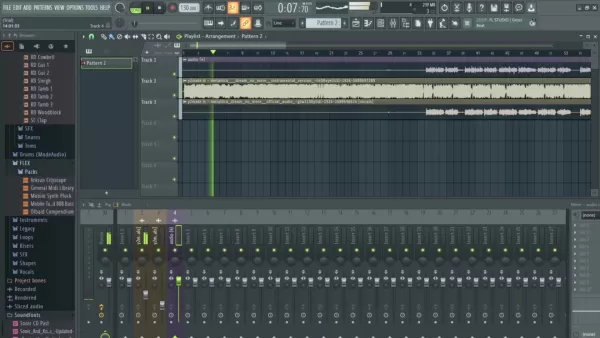
. However, these instrumental sections missed the complexity, diversity, and dynamic contrasts that define Metallica's real work. The riffs often felt repetitive and basic, failing to reflect the layered interaction between instruments that gives Metallica its power. Although the AI could copy certain elements technically, it didn't convey storytelling or emotion. The riffs appeared as mere sequences of notes, lacking the feeling and intention a human musician would bring.
Here's a summary of what current AI can handle:
- Generate guitar riffs: These can sound somewhat accurate but often become repetitive.
- Drum Patterns: They tend to lack the nuance a live drummer adds.
- Bass: It can support the other parts but often feels generic and unexpressive.
Vocal Calamity
The biggest letdown in the experiment came from the AI's vocal generation
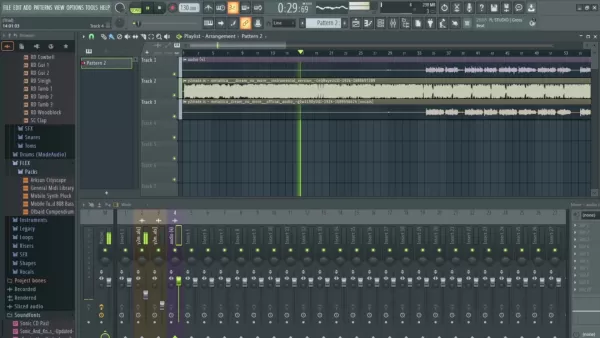
. The AI failed to imitate James Hetfield’s strong, emotional singing style, delivering results that were synthetic, off-key, and cold. The generated voice had no human warmth, feeling, or expressive variation. The AI appeared unable to grasp the intricacies of vocal delivery, producing flat, robotic, and often unintentionally funny results. In some cases, the AI mixed multiple vocal tracks chaotically, producing a jumble of sounds that didn’t resemble human singing. This vocal failure emphasized how current AI models struggle with complex human performances rooted in emotion and personal style. It showed the basic divide between technical reproduction and genuine artistic performance. The AI couldn't properly identify vocal layers or reproduce Hetfield’s vocal texture, leading to poor overall quality.
At present, there are many features of the human voice that AI cannot capture. These include:
- Emotional Nuance: AI has trouble interpreting tone and emotional context.
- Vocal Inflections: It cannot reproduce the subtle shifts in pitch and intensity that singers use.
- Unique characteristics: AI generally looks for broad patterns and often misses what makes a vocalist distinctive.
The Uncanny Valley of AI Music
The outcome of this test fell right into the uncanny valley of AI-generated music—where the output is close enough to human-made music to be recognizable, yet different enough to feel strange and unsettling. The instrumental tracks had a familiar vibe but felt empty compared to Metallica’s originals
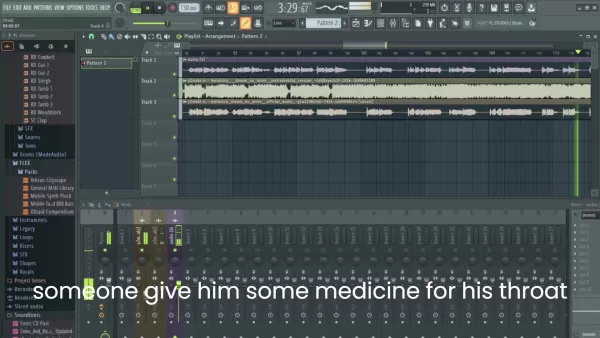
. The vocal generation was even more jarring, creating an artificial and uneasy feeling that made listening difficult. The test confirmed that AI can reproduce certain musical elements technically, but it can’t replicate the subtle details, emotional depth, and individual expression of human composers. Trying to mimic Metallica revealed the wide gap between technical skill and real musical art. The closer the AI came to replicating human music, the more its shortcomings stood out, creating a result that was both intriguing and deeply unnatural.
It seems artificial intelligence can manage the basics, but the subtle human elements that give music its soul remain beyond its reach. As humans, we value emotion and even the occasional imperfection in art.
AI Music Creation Tools: How to Get Started
Step 1: Choose Your AI Music Platform
Your first step in AI music creation is picking the right platform. A growing number of tools are available, each with unique strengths and weaknesses. You'll need to research and compare options based on user interface, pricing, and capabilities. Check user reviews and understand each platform’s limitations to avoid disappointment. Some currently popular platforms are:
- Amper Music: Excellent for beginners, with an intuitive interface and a wide range of genres.
- Jukebox: Known for producing raw, experimental music.
- Boomy: A top choice for generating tracks quickly, best for non-professional use.
Step 2: Input Your Parameters
After selecting a platform, you define the musical parameters. This includes genre, mood, tempo, instruments, and other features that guide the AI’s composition. The more specific your directions, the more refined the output will be. Clear input helps the AI generate better instrumentals and arrangements.
Use available templates so the algorithm has a structure to build on, helping you create the ideal background music for videos or other projects.
Step 3: Generate and Refine
This is the exciting part! Once you’ve set the parameters, let the AI generate music tracks. Some platforms start with a pre-generated sample you can fine-tune; others create a track from scratch. Your creative judgment is crucial here—guide the AI and adjust what it produces to match your vision.
AI Music Creation Tools: Price Points
Pricing Models for AI Music Generation
When evaluating AI music tools, it’s important to understand the cost and find one that fits your budget. Platforms vary in their pricing models: some offer subscriptions, others use a credit system for generating songs. Always check licensing terms to avoid royalty issues later. Common pricing styles include:
- Subscription Models: Monthly or annual fees for unlimited access to AI music tools.
- Pay-per-Track Licenses: Buying licenses for individual songs, typically with restricted usage rights.
- Credit Systems: Buying "credits" that enable you to generate a set number of music pieces.
AI Music Generation: The Verdict
Pros
An excellent source of royalty-free music.
Cost-effective.
Useful for songwriting support.
Cons
Tends to sound emotionless and mechanical.
Often lacks the distinct qualities of human-made music.
Sometimes delivers unexpected and comical results.
Frequently Asked Questions About AI Music Generation
Can AI replace human musicians?
No. While AI can compose music, it lacks the creativity, emotional depth, and personal expression that human musicians bring. AI may assist artists, but it cannot take their place.
Is AI-generated music copyrighted?
Copyright rules for AI-made content are still developing. In some situations, the copyright belongs to the AI developer or the user who set the parameters. In others, ownership may be unclear.
What are the limitations of AI music generation?
AI music generation is restricted by its reliance on pre-existing data and its inability to understand or convey real emotion. It also has trouble with complex structures and subtle performances.
Are there any ethical concerns surrounding AI music generation?
Yes. A key concern is copyright infringement—if AI makes music too similar to protected works. There are also debates over who owns AI-generated music and whether AI should be listed as a creator.
Related Questions About AI Music Generation
How can AI enhance the creative process of musicians?
AI can serve as a creative aid for musicians in several ways: Generating Ideas: AI can suggest melodies, harmonies, and rhythms to inspire new work. Accelerating Production: Automating tasks like mixing and mastering lets musicians focus on creativity. Exploring New Genres: AI can blend styles to help artists experiment with new sounds. Providing Feedback: AI can analyze music and offer insights on melody, harmony, and rhythm.
Will AI change the music landscape?
Yes. AI is poised to transform the music industry in several ways: New Music: AI could help originate new songs and subgenres. Personalized Music: By analyzing listener data, AI can create tailored playlists, soundtracks, and custom compositions. Accessibility: AI tools can help people without formal training create their own music. It’s unlikely, however, that AI will replace human musicians. Instead, it will likely enrich the musical world as a whole.
Related article
 Google Tests Remy AI Agent for Gemini as Focus Shifts to User Control
According to Business Insider, Google is testing Remy, a new AI personal agent for Gemini. This tool aims to execute tasks on behalf of users, streamlining both professional workflows and daily routines.Currently, Remy is undergoing testing in an int
How to fix Core Web Vitals for better SEO rankings
Streamline Report Card Comments with AI ToolsIntroductionAI Tools for Generating Report Card CommentsMagic SchoolAlmanac AIChat GPTUsing Magic School to Generate Report Card CommentsLogging into Magic SchoolSelecting the Report Card Comments ToolCust
Slackbot Becomes an AI Agent
Slackbot, the automated assistant embedded in Salesforce’s corporate messaging platform Slack, is evolving into an AI agent. Salesforce CTO Parker Harris envisions it achieving viral status comparable to OpenAI’s ChatGPT.The cloud software giant laun
Related Special Topic Recommendations
writing
Google Tests Remy AI Agent for Gemini as Focus Shifts to User Control
According to Business Insider, Google is testing Remy, a new AI personal agent for Gemini. This tool aims to execute tasks on behalf of users, streamlining both professional workflows and daily routines.Currently, Remy is undergoing testing in an int
How to fix Core Web Vitals for better SEO rankings
Streamline Report Card Comments with AI ToolsIntroductionAI Tools for Generating Report Card CommentsMagic SchoolAlmanac AIChat GPTUsing Magic School to Generate Report Card CommentsLogging into Magic SchoolSelecting the Report Card Comments ToolCust
Slackbot Becomes an AI Agent
Slackbot, the automated assistant embedded in Salesforce’s corporate messaging platform Slack, is evolving into an AI agent. Salesforce CTO Parker Harris envisions it achieving viral status comparable to OpenAI’s ChatGPT.The cloud software giant laun
Related Special Topic Recommendations
writing
 Best AI Outline Generators for Long-Form SEO Articles
2026 Latest Best Top-Rated AI Outline Generators for Long-Form SEO Articles, meticulously curated by XIX.AI. These powerful tools offer game-changing assistance in creating high-quality content quickly, boosting writing efficiency significantly. Get a free vs paid comparison along with real-world tests and detailed rankings to help you find the must-try option that suits your needs. Explore now to unlock your AI edge.
 8 tools
 xix.ai
Education and Learning
AI Study Tools for Homework and Exam Prep
xix.ai
Education and Learning
AI Study Tools for Homework and Exam Prep
2026 Latest Best AI Study Tools for Homework and Exam Prep! XIX.AI curates a top-rated list of powerful, game-changing tools that help students boost productivity, streamline homework completion, and ace exams through real-world tests. Get a free vs paid comparison, detailed rankings, and must-try options to unlock your AI edge. Explore now!
10 tools
xix.ai
Music composition
AI Vocal Demo Tools for Songwriters, Hooks, Toplines, and Multilingual Draft Sessions
2026 Latest Best AI Vocal Demo Tools for Songwriters, Hook Creators, and Multi-Language Content Teams! XIX.AI has curated a top-rated list of powerful game-changing tools that go through rigorous real-world tests. You’ll find detailed free vs paid comparison data, comprehensive rankings, and must-try options to help you boost writing efficiency and unlock your creative potential. Explore now to discover your perfect tool for all your content needs!
9 tools
xix.ai
Business
Best AI Competitive Research Tools for Small Businesses
2026 Latest Best Top-rated AI Competitive Research Tools for Small Businesses! XIX.AI has curated a highly powerful game-changing collection, updated weekly with rigorous real-world tests and detailed rankings. You can find a comprehensive free vs paid comparison to help you identify the must-try tools that boost your productivity and give you a competitive edge. Explore now to discover your perfect tool!
9 tools
xix.ai
Image editing
Photoshop AI Retouch Tools for Ecommerce Apparel, Skin Cleanup, and Color Consistency
2026 Latest Best Photoshop AI retouch tools for ecommerce apparel, skin cleanup, and color consistency! This top-rated curated list features powerful game-changing solutions that help you boost writing efficiency, streamline content creation, and achieve perfect visual results effortlessly. Each tool has undergone real-world tests through weekly updated rankings, complete with free vs paid comparison details. Backed by XIX.AI, it’s the must-try guide for anyone aiming to unlock your AI edge. Explore now!
10 tools
xix.ai
Prompt
Best AI Prompt Libraries for ChatGPT Workflows
2026 Latest Best Top-Rated AI Prompt Libraries for optimizing all types of ChatGPT workflows. XIX.AI has curated a powerful, game-changing collection that goes through rigorous real-world tests to ensure top performance. You can find detailed free vs paid comparisons and expert rankings to help you choose the must-try tools that boost your productivity and unlock your AI edge. Explore now!
11 tools
xix.ai

 Comments (0)
0/500
Comments (0)
0/500
Artificial intelligence is revolutionizing creative industries, one of which is music. The appeal of AI-generated music lies in its potential to craft original compositions that mimic any artist's style or genre. Yet, the reality often disappoints, with outcomes that are more amusing than impressive. This experiment explores using AI to create music and vocals in Metallica's iconic style. As you'll discover, the result is far from a heavy metal triumph, offering a humorous glimpse into the uncanny valley of AI-generated music.
Key Points
AI music creation is still in its infancy and can yield unpredictable results.
Replicating complex styles like Metallica’s exposes the limits of current AI technology.
AI faces particular difficulty in generating convincing vocals.
Human creativity and nuance continue to play an essential role in music production.
This test highlights the gap between technical accuracy and real artistic expression.
The Dream of AI-Generated Metal
What is AI Music Generation?
AI music generation uses algorithms and machine learning to compose music. These models learn from large datasets of existing songs, identifying patterns in melody, harmony, and rhythm. The objective is for the AI to produce new pieces reflecting the style it was trained on. Although AI can handle simple tunes and harmonies, it struggles to capture the emotional depth and complexity of human-made music. The appeal is undeniable: imagine generating endless variations in your favorite artist’s sound or blending genres to form something entirely new. Still, the output often reveals a clear gap between technical imitation and true musical artistry.
Many see AI as a practical tool for creating background music, drafting demos, or experimenting with new ideas. Marketers, filmmakers, and game developers could all benefit from this technology. AI might be used for:
- Creating Royalty-free Music
- Composition Assistance
- Personalized Soundtracks
Why Metallica?
Metallica was chosen for this test because of their complex songwriting, powerful singing, and distinctive sound. The band's vast discography offers a rich dataset for training AI, and their legendary status makes it easier to judge the results. Copying Metallica’s style is a major challenge even for skilled human musicians. Their music features intricate riffs, aggressive drums, and James Hetfield’s trademark vocal delivery—elements that require both technical expertise and artistic flair. Thus, Metallica serves as a great benchmark to measure what AI can and cannot do in music generation. The goal was to see whether AI could capture Metallica’s essence or simply generate a weak imitation without the soul and energy of the real thing. Using Metallica also helps illustrate where AI performs well and where it fails, especially regarding emotional expression and subtle stylistic touches.
Over the years, Metallica has had a huge influence on the metal scene. Many regard them as pioneers in the genre. As a result, it’s intriguing to see whether artificial intelligence can simulate such a complex musical act.
The AI's Metallica Attempt: A Breakdown
Instrumental Generation
The AI showed some skill in creating instrumental parts with a faint resemblance to Metallica's music. It was able to generate distorted guitar riffs and drum patterns generally in line with the band's sound
. However, these instrumental sections missed the complexity, diversity, and dynamic contrasts that define Metallica's real work. The riffs often felt repetitive and basic, failing to reflect the layered interaction between instruments that gives Metallica its power. Although the AI could copy certain elements technically, it didn't convey storytelling or emotion. The riffs appeared as mere sequences of notes, lacking the feeling and intention a human musician would bring.
Here's a summary of what current AI can handle:
- Generate guitar riffs: These can sound somewhat accurate but often become repetitive.
- Drum Patterns: They tend to lack the nuance a live drummer adds.
- Bass: It can support the other parts but often feels generic and unexpressive.
Vocal Calamity
The biggest letdown in the experiment came from the AI's vocal generation
. The AI failed to imitate James Hetfield’s strong, emotional singing style, delivering results that were synthetic, off-key, and cold. The generated voice had no human warmth, feeling, or expressive variation. The AI appeared unable to grasp the intricacies of vocal delivery, producing flat, robotic, and often unintentionally funny results. In some cases, the AI mixed multiple vocal tracks chaotically, producing a jumble of sounds that didn’t resemble human singing. This vocal failure emphasized how current AI models struggle with complex human performances rooted in emotion and personal style. It showed the basic divide between technical reproduction and genuine artistic performance. The AI couldn't properly identify vocal layers or reproduce Hetfield’s vocal texture, leading to poor overall quality.
At present, there are many features of the human voice that AI cannot capture. These include:
- Emotional Nuance: AI has trouble interpreting tone and emotional context.
- Vocal Inflections: It cannot reproduce the subtle shifts in pitch and intensity that singers use.
- Unique characteristics: AI generally looks for broad patterns and often misses what makes a vocalist distinctive.
The Uncanny Valley of AI Music
The outcome of this test fell right into the uncanny valley of AI-generated music—where the output is close enough to human-made music to be recognizable, yet different enough to feel strange and unsettling. The instrumental tracks had a familiar vibe but felt empty compared to Metallica’s originals
. The vocal generation was even more jarring, creating an artificial and uneasy feeling that made listening difficult. The test confirmed that AI can reproduce certain musical elements technically, but it can’t replicate the subtle details, emotional depth, and individual expression of human composers. Trying to mimic Metallica revealed the wide gap between technical skill and real musical art. The closer the AI came to replicating human music, the more its shortcomings stood out, creating a result that was both intriguing and deeply unnatural.
It seems artificial intelligence can manage the basics, but the subtle human elements that give music its soul remain beyond its reach. As humans, we value emotion and even the occasional imperfection in art.
AI Music Creation Tools: How to Get Started
Step 1: Choose Your AI Music Platform
Your first step in AI music creation is picking the right platform. A growing number of tools are available, each with unique strengths and weaknesses. You'll need to research and compare options based on user interface, pricing, and capabilities. Check user reviews and understand each platform’s limitations to avoid disappointment. Some currently popular platforms are:
- Amper Music: Excellent for beginners, with an intuitive interface and a wide range of genres.
- Jukebox: Known for producing raw, experimental music.
- Boomy: A top choice for generating tracks quickly, best for non-professional use.
Step 2: Input Your Parameters
After selecting a platform, you define the musical parameters. This includes genre, mood, tempo, instruments, and other features that guide the AI’s composition. The more specific your directions, the more refined the output will be. Clear input helps the AI generate better instrumentals and arrangements.
Use available templates so the algorithm has a structure to build on, helping you create the ideal background music for videos or other projects.
Step 3: Generate and Refine
This is the exciting part! Once you’ve set the parameters, let the AI generate music tracks. Some platforms start with a pre-generated sample you can fine-tune; others create a track from scratch. Your creative judgment is crucial here—guide the AI and adjust what it produces to match your vision.
AI Music Creation Tools: Price Points
Pricing Models for AI Music Generation
When evaluating AI music tools, it’s important to understand the cost and find one that fits your budget. Platforms vary in their pricing models: some offer subscriptions, others use a credit system for generating songs. Always check licensing terms to avoid royalty issues later. Common pricing styles include:
- Subscription Models: Monthly or annual fees for unlimited access to AI music tools.
- Pay-per-Track Licenses: Buying licenses for individual songs, typically with restricted usage rights.
- Credit Systems: Buying "credits" that enable you to generate a set number of music pieces.
AI Music Generation: The Verdict
Pros
An excellent source of royalty-free music.
Cost-effective.
Useful for songwriting support.
Cons
Tends to sound emotionless and mechanical.
Often lacks the distinct qualities of human-made music.
Sometimes delivers unexpected and comical results.
Frequently Asked Questions About AI Music Generation
Can AI replace human musicians?
No. While AI can compose music, it lacks the creativity, emotional depth, and personal expression that human musicians bring. AI may assist artists, but it cannot take their place.
Is AI-generated music copyrighted?
Copyright rules for AI-made content are still developing. In some situations, the copyright belongs to the AI developer or the user who set the parameters. In others, ownership may be unclear.
What are the limitations of AI music generation?
AI music generation is restricted by its reliance on pre-existing data and its inability to understand or convey real emotion. It also has trouble with complex structures and subtle performances.
Are there any ethical concerns surrounding AI music generation?
Yes. A key concern is copyright infringement—if AI makes music too similar to protected works. There are also debates over who owns AI-generated music and whether AI should be listed as a creator.
Related Questions About AI Music Generation
How can AI enhance the creative process of musicians?
AI can serve as a creative aid for musicians in several ways: Generating Ideas: AI can suggest melodies, harmonies, and rhythms to inspire new work. Accelerating Production: Automating tasks like mixing and mastering lets musicians focus on creativity. Exploring New Genres: AI can blend styles to help artists experiment with new sounds. Providing Feedback: AI can analyze music and offer insights on melody, harmony, and rhythm.
Will AI change the music landscape?
Yes. AI is poised to transform the music industry in several ways: New Music: AI could help originate new songs and subgenres. Personalized Music: By analyzing listener data, AI can create tailored playlists, soundtracks, and custom compositions. Accessibility: AI tools can help people without formal training create their own music. It’s unlikely, however, that AI will replace human musicians. Instead, it will likely enrich the musical world as a whole.







 Google Tests Remy AI Agent for Gemini as Focus Shifts to User Control
According to Business Insider, Google is testing Remy, a new AI personal agent for Gemini. This tool aims to execute tasks on behalf of users, streamlining both professional workflows and daily routines.Currently, Remy is undergoing testing in an int
Google Tests Remy AI Agent for Gemini as Focus Shifts to User Control
According to Business Insider, Google is testing Remy, a new AI personal agent for Gemini. This tool aims to execute tasks on behalf of users, streamlining both professional workflows and daily routines.Currently, Remy is undergoing testing in an int
 How to fix Core Web Vitals for better SEO rankings
Streamline Report Card Comments with AI ToolsIntroductionAI Tools for Generating Report Card CommentsMagic SchoolAlmanac AIChat GPTUsing Magic School to Generate Report Card CommentsLogging into Magic SchoolSelecting the Report Card Comments ToolCust
How to fix Core Web Vitals for better SEO rankings
Streamline Report Card Comments with AI ToolsIntroductionAI Tools for Generating Report Card CommentsMagic SchoolAlmanac AIChat GPTUsing Magic School to Generate Report Card CommentsLogging into Magic SchoolSelecting the Report Card Comments ToolCust
 Slackbot Becomes an AI Agent
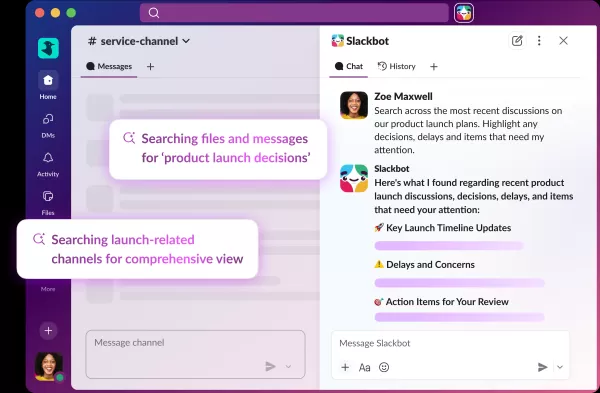
Slackbot, the automated assistant embedded in Salesforce’s corporate messaging platform Slack, is evolving into an AI agent. Salesforce CTO Parker Harris envisions it achieving viral status comparable to OpenAI’s ChatGPT.The cloud software giant laun
Slackbot Becomes an AI Agent
Slackbot, the automated assistant embedded in Salesforce’s corporate messaging platform Slack, is evolving into an AI agent. Salesforce CTO Parker Harris envisions it achieving viral status comparable to OpenAI’s ChatGPT.The cloud software giant laun

2026 Latest Best Top-Rated AI Outline Generators for Long-Form SEO Articles, meticulously curated by XIX.AI. These powerful tools offer game-changing assistance in creating high-quality content quickly, boosting writing efficiency significantly. Get a free vs paid comparison along with real-world tests and detailed rankings to help you find the must-try option that suits your needs. Explore now to unlock your AI edge.
8 tools
xix.ai

2026 Latest Best AI Study Tools for Homework and Exam Prep! XIX.AI curates a top-rated list of powerful, game-changing tools that help students boost productivity, streamline homework completion, and ace exams through real-world tests. Get a free vs paid comparison, detailed rankings, and must-try options to unlock your AI edge. Explore now!
10 tools
xix.ai

2026 Latest Best AI Vocal Demo Tools for Songwriters, Hook Creators, and Multi-Language Content Teams! XIX.AI has curated a top-rated list of powerful game-changing tools that go through rigorous real-world tests. You’ll find detailed free vs paid comparison data, comprehensive rankings, and must-try options to help you boost writing efficiency and unlock your creative potential. Explore now to discover your perfect tool for all your content needs!
9 tools
xix.ai

2026 Latest Best Top-rated AI Competitive Research Tools for Small Businesses! XIX.AI has curated a highly powerful game-changing collection, updated weekly with rigorous real-world tests and detailed rankings. You can find a comprehensive free vs paid comparison to help you identify the must-try tools that boost your productivity and give you a competitive edge. Explore now to discover your perfect tool!
9 tools
xix.ai

2026 Latest Best Photoshop AI retouch tools for ecommerce apparel, skin cleanup, and color consistency! This top-rated curated list features powerful game-changing solutions that help you boost writing efficiency, streamline content creation, and achieve perfect visual results effortlessly. Each tool has undergone real-world tests through weekly updated rankings, complete with free vs paid comparison details. Backed by XIX.AI, it’s the must-try guide for anyone aiming to unlock your AI edge. Explore now!
10 tools
xix.ai

2026 Latest Best Top-Rated AI Prompt Libraries for optimizing all types of ChatGPT workflows. XIX.AI has curated a powerful, game-changing collection that goes through rigorous real-world tests to ensure top performance. You can find detailed free vs paid comparisons and expert rankings to help you choose the must-try tools that boost your productivity and unlock your AI edge. Explore now!
11 tools
xix.ai












