


 Home
HomeNavigating Compliance and Use Cases for AI Dialers in the US
Understanding the legal framework for AI-powered dialing systems can be challenging, particularly as regulations continue to change. For companies aiming to utilize AI voice technology for phone communications, adhering to the law is essential. This guide offers a detailed look at current U.S. regulations in 2025 and outlines strategies for employing AI dialers within legal boundaries. We will examine the most recent update to the Telephone Consumer Protection Act (TCPA), with a specific emphasis on AI dialers for cold outreach, and offer actionable steps to ensure compliance.The goal is to deliver valuable insights to deepen your knowledge of AI technology and its practical business applications.
Key Points
TCPA & AI Dialers: Under the Telephone Consumer Protection Act (TCPA), AI dialers are now categorized as robocallers, rendering their use for cold calling illegal without documented prior consent.
Express Written Consent: You must secure clear, written consent from individuals before using an AI dialer to contact them.
Business-to-Business Exception: Using AI dialers for B2B calls is usually allowed, as companies typically publish their contact numbers for professional purposes.
Do Not Call Registry: Always screen your calling lists against the National Do Not Call Registry, even for contacts who have previously consented.
Call Time Restrictions: Place calls only during permitted hours, from 8:00 AM to 9:00 PM local time.
Inbound Calls: AI can manage incoming calls, answer routine queries, and schedule appointments, acting as an intelligent receptionist.
Lead Qualification: AI dialers accelerate lead response times and streamline client follow-ups, boosting overall operational efficiency.
Understanding the Legality of AI Dialers in 2025
The Evolving Regulatory Landscape
The primary legal question regarding AI dialers is straightforward: are they permitted? The answer is nuanced and hinges on your implementation. As of February 2025, the Federal Communications Commission (FCC) has issued a key update to the Telephone Consumer Protection Act (TCPA). This ruling officially classifies AI dialers as robocallers, prohibiting their use for unsolicited consumer calls. This shift profoundly affects how businesses can deploy AI for outbound communication. Staying compliant is critical. For instance, platforms like Amplify Voice, which specialize in AI voice solutions, prioritize ethical calling practices within their technology's design.
This focus ensures the tool's use aligns with regulatory expectations and consumer protection standards.
The TCPA and Express Written Consent
The TCPA, especially its latest amendment, is now the principal regulation for AI dialer use in the U.S. The core requirement is that you cannot employ AI dialers to cold call consumers without their explicit prior written permission.
Simply buying a contact list and using an AI system to call those numbers constitutes a TCPA violation. Securing written consent is non-negotiable.
Valid consent requires a clear and noticeable disclosure informing the consumer they agree to receive calls made with an autodialer or an artificial/prerecorded voice. This consent must be obtained before any call is made. Meticulous documentation of this consent is vital for legal protection and compliance. The updated ruling makes it illegal to cold call consumers without this documented approval.
The Business-to-Business Exception
The TCPA treats business-to-business (B2B) communications differently. Since businesses generally list their phone numbers publicly for professional contact, using AI dialers for B2B outreach is typically permissible. Express written consent is not usually mandated for B2B calls, given the established expectation of commercial communication. Nonetheless, maintaining professionalism is key. It's also crucial to distinguish between B2B and business-to-consumer (B2C) rules, as the compliance requirements differ significantly.
Ensure your sales and marketing teams are fully trained on these distinctions for optimal and compliant outcomes.
Key Compliance Steps for AI Dialer Use
General Rules of Thumb to Ensure Compliance
To legally integrate AI dialers into your business operations, follow these fundamental guidelines:
- Obtain Consent: This is the most critical rule.
Unless you have documented permission to contact someone, avoid using AI dialers for cold outreach.
- Call Time Restrictions: Strictly place calls between 8:00 AM and 9:00 PM local time.
- Check the Do Not Call Registry: The official registry is managed at DoNotCall.gov. Always scrub your calling lists against this registry to avoid contacting individuals who have opted out of telemarketing.
- Identify Yourself: When making a permissible call, immediately state your name, your company, and the purpose of your call within the first 30 seconds.
- Document Everything: Keep thorough records of all consumer consents and calling activities. This documentation is your primary defense in demonstrating compliance.
Following these practices helps your business stay within legal limits and fosters trust with clients and prospects.
Pros and Cons of Using AI Dialers
Pros
Increased Operational Efficiency
Round-the-Clock Availability
More Effective Lead Sorting
Reduced Operational Costs
Cons
Complex Regulatory Adherence
Risk of Damaging Brand Perception
Initial Investment and Ongoing upkeep
Lack of Human Nuance and Empathy
Use Cases: Where AI Dialers Shine Legally and Effectively
Inbound Call Management
AI voice dialers excel at managing incoming calls that might otherwise be missed.
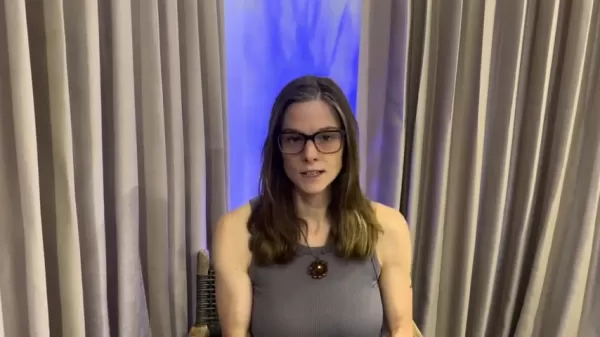
This capability improves the customer experience and prevents potential leads from being lost. It's a compliant, high-value application of the technology.
Professionals like real estate agents, who are frequently away from the office, benefit greatly. The AI can field basic inquiries, ensuring no opportunity is missed simply because a call wasn't answered.
Speed to Lead for an Enhanced Customer Experience
Rapid response time is a decisive competitive advantage. When a prospect submits an inquiry on your website, a quick follow-up dramatically improves conversion odds.
Consider this scenario: a visitor fills out a contact form at 7:30 PM. Your sales team works standard hours and won't see the lead until the next morning.
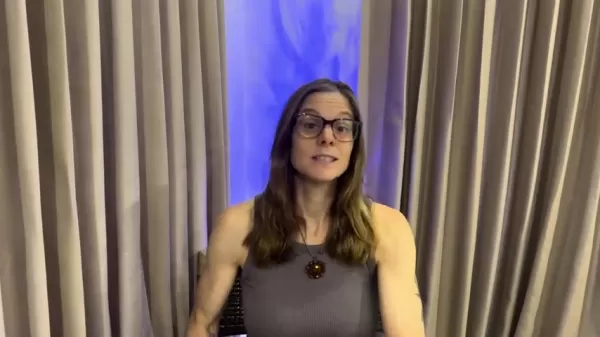
An AI system, operating with proper consent, can make immediate contact, demonstrating responsiveness and commitment to service.
This proactive follow-up strengthens your sales process and showcases a customer-centric approach.
24/7 Customer Support Using AI Dialers
Businesses often handle numerous routine customer inquiries daily. Deploying an AI voice agent as a 24/7 support line efficiently manages these interactions. For example, a customer browsing a product page may have an urgent question. The AI agent can provide instant answers and even schedule consultations, ensuring constant support.
Client Reminders
While email and text reminders are common, an AI-powered reminder call adds a personal touch. Scheduling automated calls to confirm appointments saves administrative time and reinforces the importance you place on the client's time.
FAQ
What is the TCPA?
The Telephone Consumer Protection Act is a United States law, passed in 1991, that regulates telemarketing calls, text messages, and faxes. It mandates that businesses receive express written consent before using automated dialing systems or prerecorded messages to contact consumers. The law's purpose is to safeguard consumer privacy from intrusive solicitations.
What happens if I violate the TCPA?
Violating the TCPA can lead to substantial penalties, including fines as high as $1,500 per incident. Businesses may also face lawsuits and reputational harm. Given recent regulatory updates, strict adherence is more important than ever.
How do I obtain express written consent?
To obtain valid consent, you must present a clear and obvious notice to the consumer stating they agree to receive calls made with an autodialer or artificial voice. Consent can be gathered through website forms, signed documents, or other verifiable methods that capture the individual's affirmative agreement.
Is it legal to use AI dialers for political campaigns?
Political campaigns are generally subject to TCPA rules. While certain exemptions may exist, it is crucial to comply with all consent requirements and other stipulations within the law to avoid violations.
Related Questions
What are the key differences between predictive dialers and AI dialers?
Predictive dialers use algorithms to dial numbers automatically, aiming to connect agents with live answers, but often lead to abandoned calls. AI dialers leverage artificial intelligence to analyze data, personalize outreach, and handle more sophisticated tasks like initial conversations and lead qualification. They offer greater adaptability and efficiency, extending beyond simple dialing to support customer service and engagement, thereby providing opportunities traditional systems lack.
Related article
 Suno to Watermark Songs Amid Legal Battles
Suno, the platform enabling users to generate AI-created music, has unveiled new features to label platform-produced tracks, restrict downloads, and update community standards to curb unauthorized replicas. These updates arrive as Suno confronts mult
Musk Admits Grok Build Leaked User Code, Promises to Erase All Historical Data
Elon Musk directly addressed the privacy controversy surrounding Grok Build, beginning with a simple "True" to confirm the incident's validity. He pledged that all user data previously uploaded to SpaceXAI would be permanently erased, stating, "not a
U.S. Stocks Hit Historic Milestone as AI and Aerospace Giants Prepare for Trillion-Dollar Debut
Elon Musk, Sam Altman, and Dario Amodei, three titans of the technology sector, are advancing toward initial public offerings for their respective ventures. With SpaceX, OpenAI, and Anthropic—three industry behemoths nearing trillion-dollar valuation
Related Special Topic Recommendations
SEO
Suno to Watermark Songs Amid Legal Battles
Suno, the platform enabling users to generate AI-created music, has unveiled new features to label platform-produced tracks, restrict downloads, and update community standards to curb unauthorized replicas. These updates arrive as Suno confronts mult
Musk Admits Grok Build Leaked User Code, Promises to Erase All Historical Data
Elon Musk directly addressed the privacy controversy surrounding Grok Build, beginning with a simple "True" to confirm the incident's validity. He pledged that all user data previously uploaded to SpaceXAI would be permanently erased, stating, "not a
U.S. Stocks Hit Historic Milestone as AI and Aerospace Giants Prepare for Trillion-Dollar Debut
Elon Musk, Sam Altman, and Dario Amodei, three titans of the technology sector, are advancing toward initial public offerings for their respective ventures. With SpaceX, OpenAI, and Anthropic—three industry behemoths nearing trillion-dollar valuation
Related Special Topic Recommendations
SEO
 Best AI SERP Analysis Tools for Search Strategy
2026 Latest Best Top-rated AI SERP Analysis Tools for Search Strategy are curated by XIX.AI through rigorous real-world tests and weekly updated rankings. These powerful tools help you unlock hidden optimization opportunities, boost content performance, and gain a competitive edge in search. Discover your perfect tool to elevate your search strategy today. Explore now!
 13 tools
 xix.ai
Data Analysis
Best AI Anomaly Detection Tools for KPI Monitoring across SaaS and Ecommerce Teams
xix.ai
Data Analysis
Best AI Anomaly Detection Tools for KPI Monitoring across SaaS and Ecommerce Teams
2026 Latest Best Top-rated AI Anomaly Detection Tools for KPI Monitoring in SaaS and Ecommerce teams! XIX.AI has curated a powerful, game-changing collection based on rigorous real-world tests and weekly updated rankings. You’ll find detailed free vs paid comparison insights to help you identify the must-try solution that boosts productivity and unlocks your AI edge. Explore now!
10 tools
xix.ai
writing
Best AI Outline Generators for Long-Form SEO Articles
2026 Latest Best Top-Rated AI Outline Generators for Long-Form SEO Articles, meticulously curated by XIX.AI. These powerful tools offer game-changing assistance in creating high-quality content quickly, boosting writing efficiency significantly. Get a free vs paid comparison along with real-world tests and detailed rankings to help you find the must-try option that suits your needs. Explore now to unlock your AI edge.
8 tools
xix.ai
Education and Learning
AI Study Tools for Homework and Exam Prep
2026 Latest Best AI Study Tools for Homework and Exam Prep! XIX.AI curates a top-rated list of powerful, game-changing tools that help students boost productivity, streamline homework completion, and ace exams through real-world tests. Get a free vs paid comparison, detailed rankings, and must-try options to unlock your AI edge. Explore now!
10 tools
xix.ai
Music composition
AI Vocal Demo Tools for Songwriters, Hooks, Toplines, and Multilingual Draft Sessions
2026 Latest Best AI Vocal Demo Tools for Songwriters, Hook Creators, and Multi-Language Content Teams! XIX.AI has curated a top-rated list of powerful game-changing tools that go through rigorous real-world tests. You’ll find detailed free vs paid comparison data, comprehensive rankings, and must-try options to help you boost writing efficiency and unlock your creative potential. Explore now to discover your perfect tool for all your content needs!
9 tools
xix.ai
Business
Best AI Competitive Research Tools for Small Businesses
2026 Latest Best Top-rated AI Competitive Research Tools for Small Businesses! XIX.AI has curated a highly powerful game-changing collection, updated weekly with rigorous real-world tests and detailed rankings. You can find a comprehensive free vs paid comparison to help you identify the must-try tools that boost your productivity and give you a competitive edge. Explore now to discover your perfect tool!
9 tools
xix.ai

 Comments (1)
0/500
Comments (1)
0/500
![TimothyRoberts]()
Interesting read! As a small business owner, I've been curious about using AI for customer calls but the legal stuff always seemed like a minefield. This breakdown of US compliance helps a lot – especially the part about prior express consent. Makes you wonder how many big companies are actually following these rules to the letter though? 🤔 Might give it a try with proper legal advice first.
Understanding the legal framework for AI-powered dialing systems can be challenging, particularly as regulations continue to change. For companies aiming to utilize AI voice technology for phone communications, adhering to the law is essential. This guide offers a detailed look at current U.S. regulations in 2025 and outlines strategies for employing AI dialers within legal boundaries. We will examine the most recent update to the Telephone Consumer Protection Act (TCPA), with a specific emphasis on AI dialers for cold outreach, and offer actionable steps to ensure compliance.The goal is to deliver valuable insights to deepen your knowledge of AI technology and its practical business applications.
Key Points
TCPA & AI Dialers: Under the Telephone Consumer Protection Act (TCPA), AI dialers are now categorized as robocallers, rendering their use for cold calling illegal without documented prior consent.
Express Written Consent: You must secure clear, written consent from individuals before using an AI dialer to contact them.
Business-to-Business Exception: Using AI dialers for B2B calls is usually allowed, as companies typically publish their contact numbers for professional purposes.
Do Not Call Registry: Always screen your calling lists against the National Do Not Call Registry, even for contacts who have previously consented.
Call Time Restrictions: Place calls only during permitted hours, from 8:00 AM to 9:00 PM local time.
Inbound Calls: AI can manage incoming calls, answer routine queries, and schedule appointments, acting as an intelligent receptionist.
Lead Qualification: AI dialers accelerate lead response times and streamline client follow-ups, boosting overall operational efficiency.
Understanding the Legality of AI Dialers in 2025
The Evolving Regulatory Landscape
The primary legal question regarding AI dialers is straightforward: are they permitted? The answer is nuanced and hinges on your implementation. As of February 2025, the Federal Communications Commission (FCC) has issued a key update to the Telephone Consumer Protection Act (TCPA). This ruling officially classifies AI dialers as robocallers, prohibiting their use for unsolicited consumer calls. This shift profoundly affects how businesses can deploy AI for outbound communication. Staying compliant is critical. For instance, platforms like Amplify Voice, which specialize in AI voice solutions, prioritize ethical calling practices within their technology's design.
This focus ensures the tool's use aligns with regulatory expectations and consumer protection standards.
The TCPA and Express Written Consent
The TCPA, especially its latest amendment, is now the principal regulation for AI dialer use in the U.S. The core requirement is that you cannot employ AI dialers to cold call consumers without their explicit prior written permission.
Simply buying a contact list and using an AI system to call those numbers constitutes a TCPA violation. Securing written consent is non-negotiable.
Valid consent requires a clear and noticeable disclosure informing the consumer they agree to receive calls made with an autodialer or an artificial/prerecorded voice. This consent must be obtained before any call is made. Meticulous documentation of this consent is vital for legal protection and compliance. The updated ruling makes it illegal to cold call consumers without this documented approval.
The Business-to-Business Exception
The TCPA treats business-to-business (B2B) communications differently. Since businesses generally list their phone numbers publicly for professional contact, using AI dialers for B2B outreach is typically permissible. Express written consent is not usually mandated for B2B calls, given the established expectation of commercial communication. Nonetheless, maintaining professionalism is key. It's also crucial to distinguish between B2B and business-to-consumer (B2C) rules, as the compliance requirements differ significantly.
Ensure your sales and marketing teams are fully trained on these distinctions for optimal and compliant outcomes.
Key Compliance Steps for AI Dialer Use
General Rules of Thumb to Ensure Compliance
To legally integrate AI dialers into your business operations, follow these fundamental guidelines:
- Obtain Consent: This is the most critical rule.
Unless you have documented permission to contact someone, avoid using AI dialers for cold outreach.
- Call Time Restrictions: Strictly place calls between 8:00 AM and 9:00 PM local time.
- Check the Do Not Call Registry: The official registry is managed at DoNotCall.gov. Always scrub your calling lists against this registry to avoid contacting individuals who have opted out of telemarketing.
- Identify Yourself: When making a permissible call, immediately state your name, your company, and the purpose of your call within the first 30 seconds.
- Document Everything: Keep thorough records of all consumer consents and calling activities. This documentation is your primary defense in demonstrating compliance.
Following these practices helps your business stay within legal limits and fosters trust with clients and prospects.
Pros and Cons of Using AI Dialers
Pros
Increased Operational Efficiency
Round-the-Clock Availability
More Effective Lead Sorting
Reduced Operational Costs
Cons
Complex Regulatory Adherence
Risk of Damaging Brand Perception
Initial Investment and Ongoing upkeep
Lack of Human Nuance and Empathy
Use Cases: Where AI Dialers Shine Legally and Effectively
Inbound Call Management
AI voice dialers excel at managing incoming calls that might otherwise be missed.
This capability improves the customer experience and prevents potential leads from being lost. It's a compliant, high-value application of the technology.
Professionals like real estate agents, who are frequently away from the office, benefit greatly. The AI can field basic inquiries, ensuring no opportunity is missed simply because a call wasn't answered.
Speed to Lead for an Enhanced Customer Experience
Rapid response time is a decisive competitive advantage. When a prospect submits an inquiry on your website, a quick follow-up dramatically improves conversion odds.
Consider this scenario: a visitor fills out a contact form at 7:30 PM. Your sales team works standard hours and won't see the lead until the next morning.
An AI system, operating with proper consent, can make immediate contact, demonstrating responsiveness and commitment to service.
This proactive follow-up strengthens your sales process and showcases a customer-centric approach.
24/7 Customer Support Using AI Dialers
Businesses often handle numerous routine customer inquiries daily. Deploying an AI voice agent as a 24/7 support line efficiently manages these interactions. For example, a customer browsing a product page may have an urgent question. The AI agent can provide instant answers and even schedule consultations, ensuring constant support.
Client Reminders
While email and text reminders are common, an AI-powered reminder call adds a personal touch. Scheduling automated calls to confirm appointments saves administrative time and reinforces the importance you place on the client's time.
FAQ
What is the TCPA?
The Telephone Consumer Protection Act is a United States law, passed in 1991, that regulates telemarketing calls, text messages, and faxes. It mandates that businesses receive express written consent before using automated dialing systems or prerecorded messages to contact consumers. The law's purpose is to safeguard consumer privacy from intrusive solicitations.
What happens if I violate the TCPA?
Violating the TCPA can lead to substantial penalties, including fines as high as $1,500 per incident. Businesses may also face lawsuits and reputational harm. Given recent regulatory updates, strict adherence is more important than ever.
How do I obtain express written consent?
To obtain valid consent, you must present a clear and obvious notice to the consumer stating they agree to receive calls made with an autodialer or artificial voice. Consent can be gathered through website forms, signed documents, or other verifiable methods that capture the individual's affirmative agreement.
Is it legal to use AI dialers for political campaigns?
Political campaigns are generally subject to TCPA rules. While certain exemptions may exist, it is crucial to comply with all consent requirements and other stipulations within the law to avoid violations.
Related Questions
What are the key differences between predictive dialers and AI dialers?
Predictive dialers use algorithms to dial numbers automatically, aiming to connect agents with live answers, but often lead to abandoned calls. AI dialers leverage artificial intelligence to analyze data, personalize outreach, and handle more sophisticated tasks like initial conversations and lead qualification. They offer greater adaptability and efficiency, extending beyond simple dialing to support customer service and engagement, thereby providing opportunities traditional systems lack.








 Suno to Watermark Songs Amid Legal Battles
Suno, the platform enabling users to generate AI-created music, has unveiled new features to label platform-produced tracks, restrict downloads, and update community standards to curb unauthorized replicas. These updates arrive as Suno confronts mult
Suno to Watermark Songs Amid Legal Battles
Suno, the platform enabling users to generate AI-created music, has unveiled new features to label platform-produced tracks, restrict downloads, and update community standards to curb unauthorized replicas. These updates arrive as Suno confronts mult
 Musk Admits Grok Build Leaked User Code, Promises to Erase All Historical Data
Elon Musk directly addressed the privacy controversy surrounding Grok Build, beginning with a simple "True" to confirm the incident's validity. He pledged that all user data previously uploaded to SpaceXAI would be permanently erased, stating, "not a
Musk Admits Grok Build Leaked User Code, Promises to Erase All Historical Data
Elon Musk directly addressed the privacy controversy surrounding Grok Build, beginning with a simple "True" to confirm the incident's validity. He pledged that all user data previously uploaded to SpaceXAI would be permanently erased, stating, "not a
 U.S. Stocks Hit Historic Milestone as AI and Aerospace Giants Prepare for Trillion-Dollar Debut
Elon Musk, Sam Altman, and Dario Amodei, three titans of the technology sector, are advancing toward initial public offerings for their respective ventures. With SpaceX, OpenAI, and Anthropic—three industry behemoths nearing trillion-dollar valuation
U.S. Stocks Hit Historic Milestone as AI and Aerospace Giants Prepare for Trillion-Dollar Debut
Elon Musk, Sam Altman, and Dario Amodei, three titans of the technology sector, are advancing toward initial public offerings for their respective ventures. With SpaceX, OpenAI, and Anthropic—three industry behemoths nearing trillion-dollar valuation

2026 Latest Best Top-rated AI SERP Analysis Tools for Search Strategy are curated by XIX.AI through rigorous real-world tests and weekly updated rankings. These powerful tools help you unlock hidden optimization opportunities, boost content performance, and gain a competitive edge in search. Discover your perfect tool to elevate your search strategy today. Explore now!
13 tools
xix.ai

2026 Latest Best Top-rated AI Anomaly Detection Tools for KPI Monitoring in SaaS and Ecommerce teams! XIX.AI has curated a powerful, game-changing collection based on rigorous real-world tests and weekly updated rankings. You’ll find detailed free vs paid comparison insights to help you identify the must-try solution that boosts productivity and unlocks your AI edge. Explore now!
10 tools
xix.ai

2026 Latest Best Top-Rated AI Outline Generators for Long-Form SEO Articles, meticulously curated by XIX.AI. These powerful tools offer game-changing assistance in creating high-quality content quickly, boosting writing efficiency significantly. Get a free vs paid comparison along with real-world tests and detailed rankings to help you find the must-try option that suits your needs. Explore now to unlock your AI edge.
8 tools
xix.ai

2026 Latest Best AI Study Tools for Homework and Exam Prep! XIX.AI curates a top-rated list of powerful, game-changing tools that help students boost productivity, streamline homework completion, and ace exams through real-world tests. Get a free vs paid comparison, detailed rankings, and must-try options to unlock your AI edge. Explore now!
10 tools
xix.ai

2026 Latest Best AI Vocal Demo Tools for Songwriters, Hook Creators, and Multi-Language Content Teams! XIX.AI has curated a top-rated list of powerful game-changing tools that go through rigorous real-world tests. You’ll find detailed free vs paid comparison data, comprehensive rankings, and must-try options to help you boost writing efficiency and unlock your creative potential. Explore now to discover your perfect tool for all your content needs!
9 tools
xix.ai

2026 Latest Best Top-rated AI Competitive Research Tools for Small Businesses! XIX.AI has curated a highly powerful game-changing collection, updated weekly with rigorous real-world tests and detailed rankings. You can find a comprehensive free vs paid comparison to help you identify the must-try tools that boost your productivity and give you a competitive edge. Explore now to discover your perfect tool!
9 tools
xix.ai

Interesting read! As a small business owner, I've been curious about using AI for customer calls but the legal stuff always seemed like a minefield. This breakdown of US compliance helps a lot – especially the part about prior express consent. Makes you wonder how many big companies are actually following these rules to the letter though? 🤔 Might give it a try with proper legal advice first.












